
By Amisha Shetth, Founder, Bliss Travels · Last updated: 1 November 2026
Luxury Europe Holidays from India, by Bliss Travels
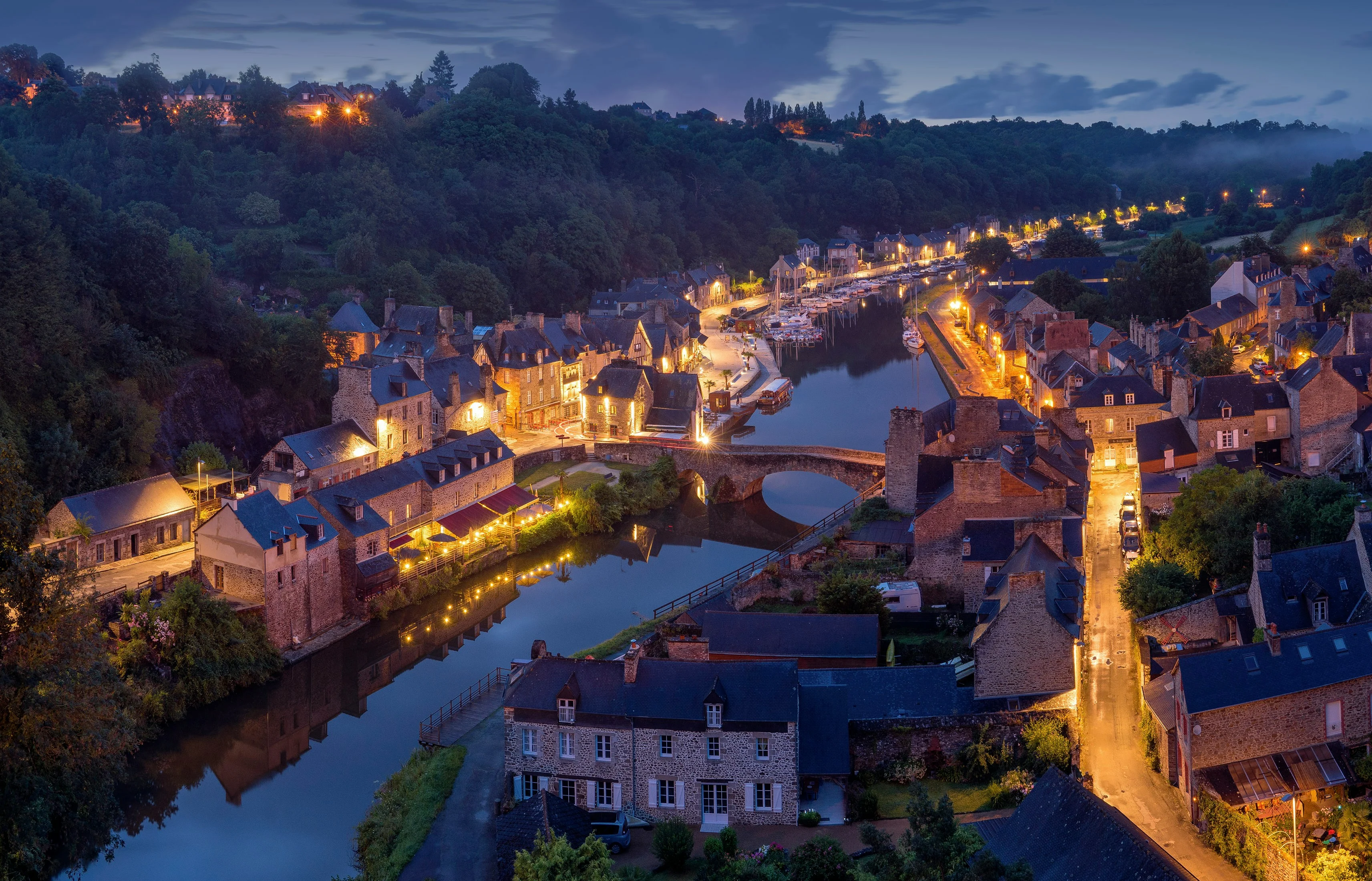
Europe offers an extraordinary variety of experiences: the art and architecture of Paris, the landscapes of the Swiss Alps, the lakes and countryside of Italy, the islands of Greece, the historic estates of Scotland and the winter wilderness of Finland.
For Indian travellers, the challenge is not simply deciding which countries to visit. It is deciding how to bring them together into a journey that feels personal, comfortable and rewarding.
At Bliss Travels, we plan private, tailor-made luxury Europe holidays around the people travelling. The route, accommodation, experiences, transport and pace are shaped around individual interests, family requirements, preferred travel style and the time available.
Founded in 2000, Bliss Travels is based in Mumbai. Founder Amisha Shetth brings more than two decades of experience in travel and personally oversees the design of journeys, helping clients make thoughtful choices about where to go, where to stay and how to experience each destination.
Whether you are planning a first visit to Europe, a family holiday, a honeymoon or a longer multi-country journey, the objective is to create a trip that feels like your own rather than a standard European tour.
Luxury Europe holidays designed around you
A luxury European holiday is not defined only by the hotels you book or the number of countries you visit. It is defined by how well the journey reflects the traveller.
A couple interested in art, fashion and gastronomy may want a very different itinerary from a family looking for mountain scenery, outdoor activities and comfortable accommodation. A multi-generational group may need fewer hotel changes, larger rooms, private transfers and a more relaxed daily schedule.
We begin by understanding these differences.
The planning process considers:
- Your interests, priorities and reason for travelling.
- The destinations that genuinely complement one another.
- How long to spend in each place.
- The right hotels, room configurations and accommodation styles.
- Whether a train, private vehicle, flight or other transfer makes the most sense.
- Experiences that add something meaningful to the journey.
- The practical details that make travel from India more comfortable.
The aim is to make the entire holiday feel connected, with each destination and experience contributing to the journey as a whole.
Explore Europe by region
Europe is easier to plan when destinations are considered in groups that make geographical and experiential sense. These regional groupings are a starting point, not fixed combinations. The final itinerary should reflect the time available and the experiences you want.
Classic Europe: France, Switzerland and Italy
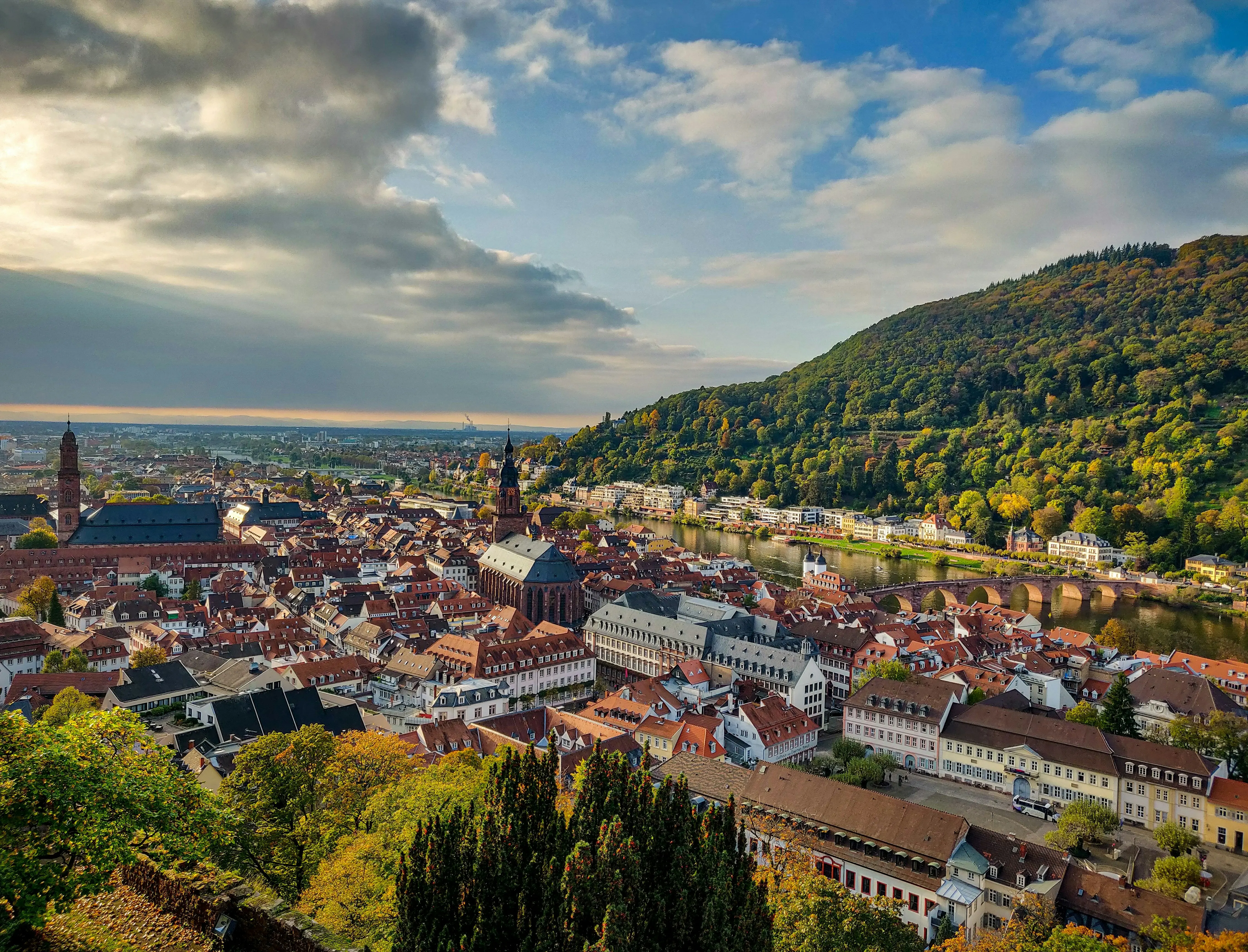
France, Switzerland and Italy make a natural combination for travellers who want a varied European holiday.
France brings together Paris, art, fashion, gastronomy, wine regions and the French Riviera. Switzerland offers alpine scenery, lakes, mountain resorts and exceptional rail journeys. Italy adds historic cities, food, culture, countryside, lakes and coastline.
A classic journey might combine Paris with Switzerland and Northern Italy. A longer holiday could include the Italian lakes or Tuscany, while a more focused trip might concentrate on France or Switzerland alone.
The important decision is how much time to give each destination. A route should not become a sequence of brief hotel stays simply to include another city.
Explore the country pages:
- France Itinerary & Travel Guide →
- Switzerland Itinerary & Travel Guide →
- Italy Itinerary & Travel Guide →
Mediterranean Europe: Greece, Spain and Turkey
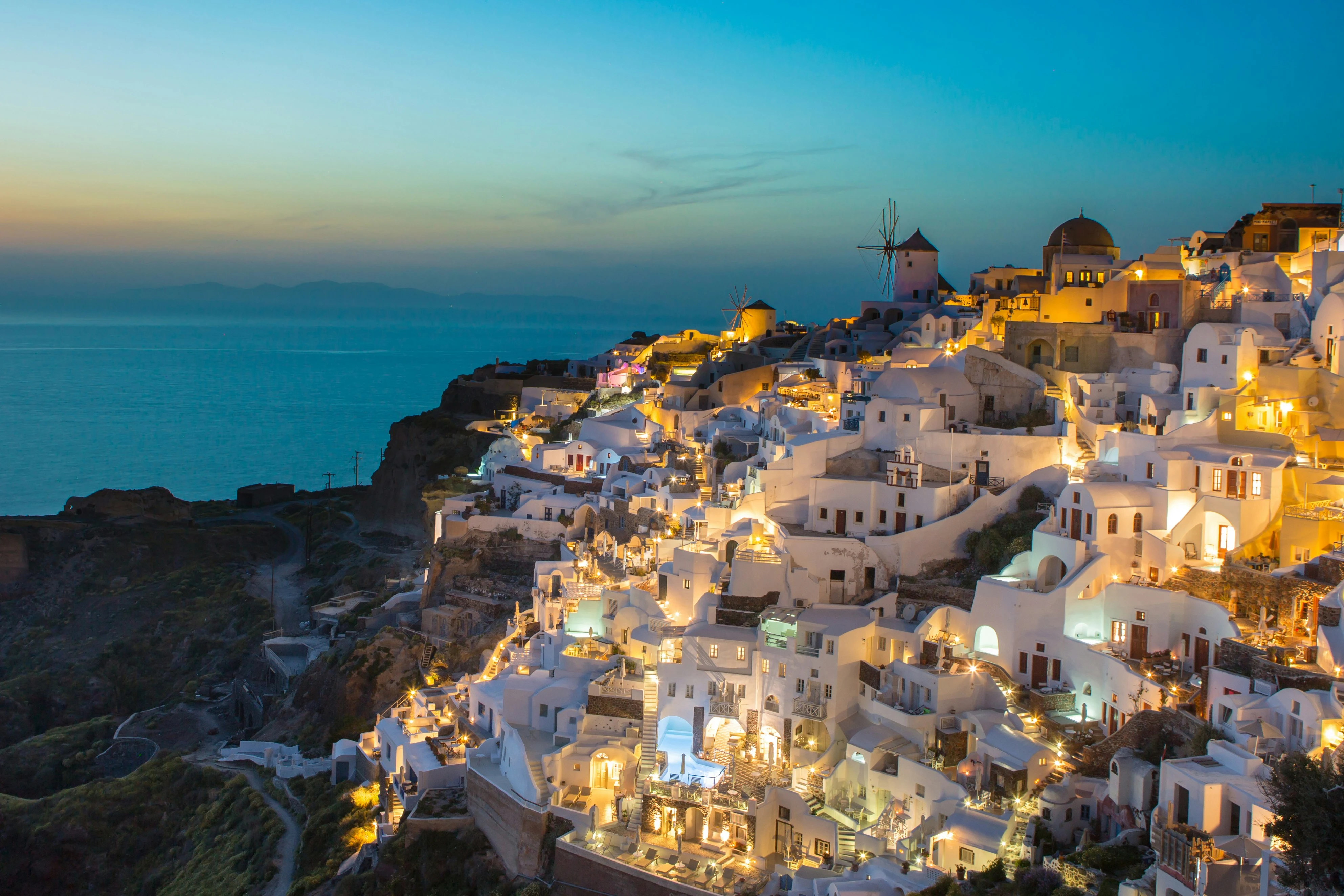
The Mediterranean offers a different rhythm, with historic towns, coastlines, regional cuisine, islands and opportunities to spend time by the sea.
Greece is a strong choice for travellers interested in island stays, sailing, ancient history and relaxed coastal holidays. Popular bases include Athens and selected Greek islands, with the number of islands chosen according to the time available.
Spain suits travellers interested in architecture, regional food, art, culture and coastal stays. Barcelona, Madrid, Seville and selected Mediterranean coastal destinations offer very different experiences. A 10–14-day holiday can focus on a few regions rather than trying to cover the entire country.
Turkey brings together historic cities, distinctive cultural influences, dramatic landscapes and coastal journeys. Istanbul and Cappadocia can form a contrasting city-and-landscape combination, while a longer holiday can include time on the coast. Allow around 10–14 days for a more varied journey.
These destinations can work as individual holidays or as part of a longer itinerary. Combining them should depend on the available time and practical connections, rather than simply their position on a map.
Explore the country pages:
Northern Europe: Finland, Scotland, Ireland and the UK
Northern Europe offers a different set of experiences, from Arctic winter landscapes to historic estates, countryside stays and cultural cities.
Finland is a strong choice for travellers interested in Lapland, glass igloo stays, Northern Lights experiences and winter activities. A stay of around 5–7 nights in the Finnish region of interest gives time for winter experiences without making the holiday entirely about transfers.
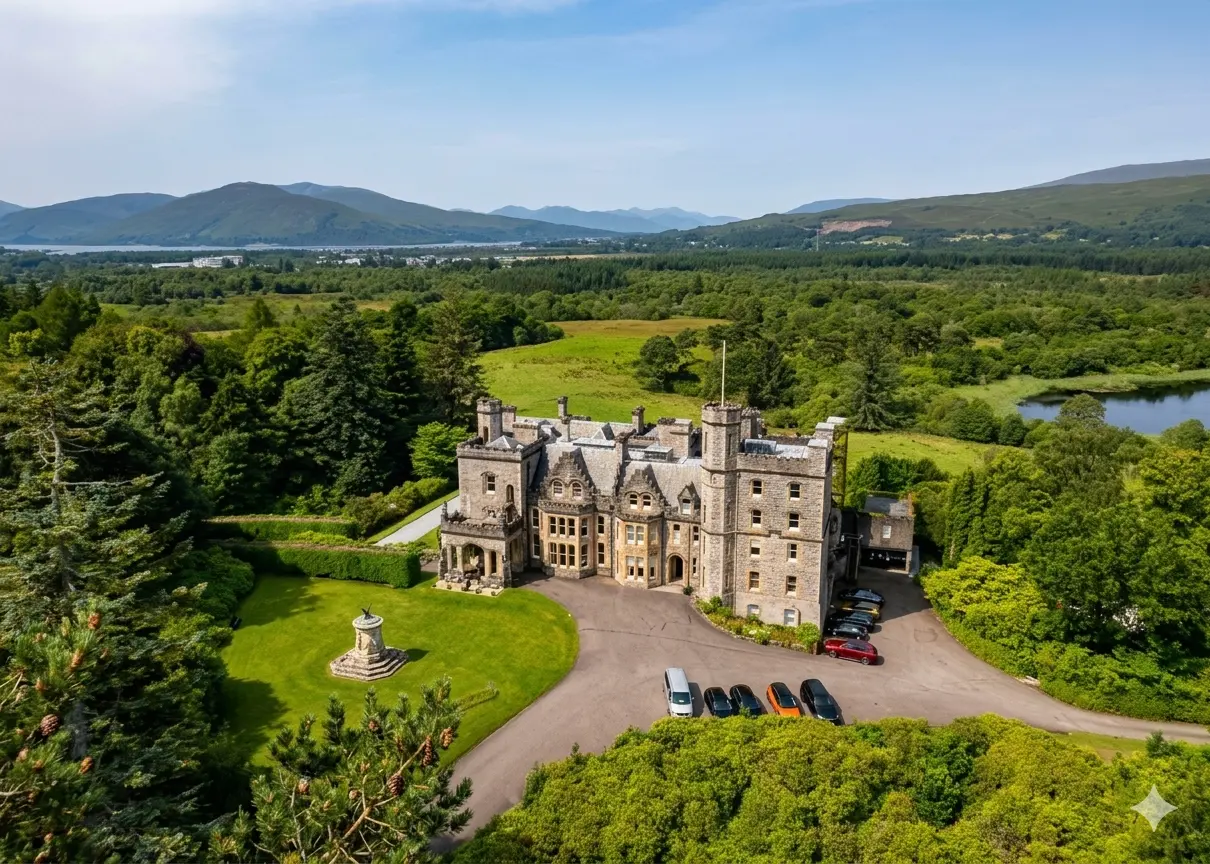
Scotland offers Highland landscapes, historic castles, private distillery experiences and scenic touring. Edinburgh can be combined with a countryside or Highland base. Around 8–12 nights allows a more relaxed combination of city and countryside.
Ireland suits travellers who enjoy countryside, heritage and characterful stays. Dublin can be combined with selected countryside bases, with around 8–10 nights providing room for a varied journey.
The UK offers a wide range of cultural, historic and countryside experiences. London can be combined with destinations such as the Cotswolds, Scotland or other regions, depending on the interests and time available. A 10–14-day holiday allows for a more considered combination.
These journeys benefit from choosing the right bases and allowing enough time to explore the surrounding regions. For families and multi-generational groups, accommodation and transfer arrangements are especially important.
Explore the country pages:
- Finland Destination Guide →
- Scotland Destination Guide →
- Ireland Destination Guide →
- United Kingdom Itinerary & Travel Guide →
Russia: a separate planning consideration
Russia is included in our wider European destination collection, but it should be considered separately from the regional combinations above.
Travel feasibility, entry requirements, flight connections, payment arrangements and current government travel advisories need to be checked for the intended dates before a journey is considered or confirmed.
For this reason, we do not present Russia as a routine extension to a European multi-country itinerary.
Explore the Russia destination page →
How long should you spend in Europe?
The right length of a European holiday depends on the destinations, the number of bases and the kind of experiences you want.
| Available time | A sensible approach |
|---|---|
| 7–10 days | Focus on one country or one compact regional combination |
| 12–14 days | Allow for a more varied journey across two or three well-connected regions |
| 18–21 days or longer | Combine cities, countryside, mountains and coast without constantly changing hotels |
A week in one country can offer a rewarding holiday when the destinations are chosen carefully. A longer trip provides more flexibility to combine different regions and experiences.
The number of countries should never be the only measure of what a holiday offers. Time spent enjoying each place is just as important.
Europe itinerary guides and planning frameworks
To help you design a realistic route with balanced pacing, explore our in-depth Europe guides covering specific itineraries, regional combinations and travel styles:
- 16-Day Multi-Country Luxury Europe Trip: France, Swiss & Italy – A structured itinerary balancing Parisian culture, Swiss alpine scenery and the Italian lakes.
- Luxury Europe 2026: France, Switzerland and Italy – Route sequencing, seasonal considerations and rail connectivity across three core countries.
- How to Plan a Luxury Europe Trip from India: 2026 Guide – Step-by-step guidance on booking timelines, Schengen visas, air corridors and cost planning.
- Luxury Family Holidays in Europe from India – Multi-generational holiday planning, suite configurations and pacing tailored for families.
- Beyond the Usual: Ultra-Exclusive European Journeys – Private château rentals, yacht charters and rare access across Europe's most exclusive regions.
European rail journeys
Europe's rail network can be one of the most enjoyable ways to travel between destinations. It can also reduce airport transfers and make some city-to-city journeys more straightforward.
The right train depends on the route and the experience you want.
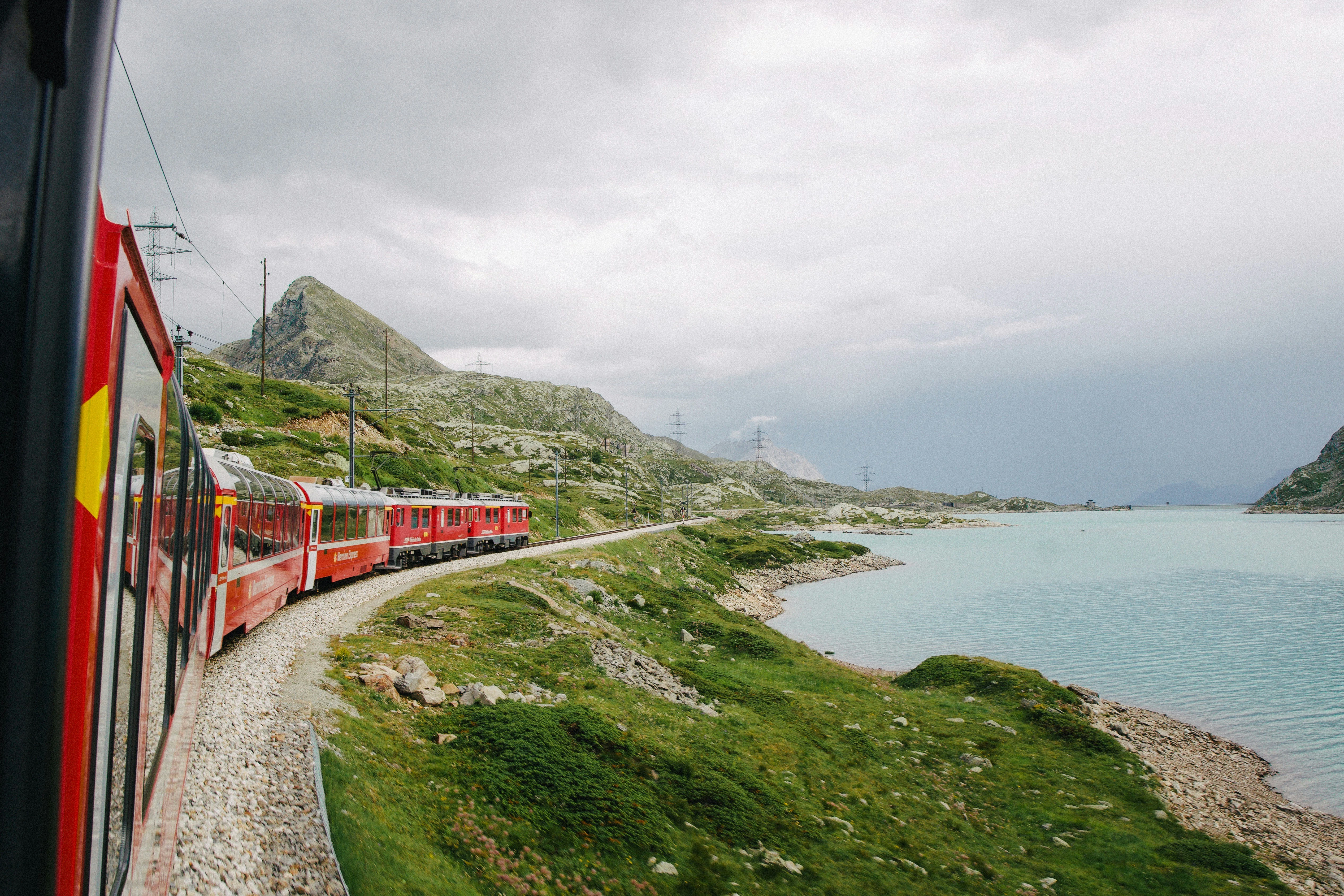
- Glacier Express – Switzerland: The Glacier Express runs between Zermatt and St. Moritz, passing through the Swiss Alps via destinations including Brig, Andermatt and Chur. The full journey takes approximately eight hours. It is best considered when the itinerary includes both Zermatt and the Engadin region, rather than as a transfer between Montreux and Zurich.
- Bernina Express – Switzerland: The Bernina route connects the Swiss Alps with Northern Italy, offering an especially scenic rail journey through the Albula and Bernina landscapes. It can be considered for journeys connecting the Engadin region with Tirano.
- Frecciarossa – Italy: For selected high-speed connections between cities such as Milan, Florence, Rome and Venice, Frecciarossa offers premium travel options, including Executive Class on selected services.
- Eurostar Premier – London and Paris: For travel between London and Paris, Eurostar Premier provides a premium city-centre rail connection with additional flexibility and onboard services.
- TGV INOUI First Class – France: The French high-speed rail network can be useful for connections between major cities, allowing travellers to move between city centres without adding airport transfers.
Rail should be chosen where it improves the journey. For countryside properties, remote resorts, coastal routes or families travelling with substantial luggage, a private vehicle may be more practical.
Where you stay matters as much as where you go
A hotel should fit the route, not dictate it.
A prestigious property can be an excellent choice when its location, atmosphere and facilities contribute to the holiday. But a hotel that requires lengthy transfers every day may not be the best option for a particular itinerary.
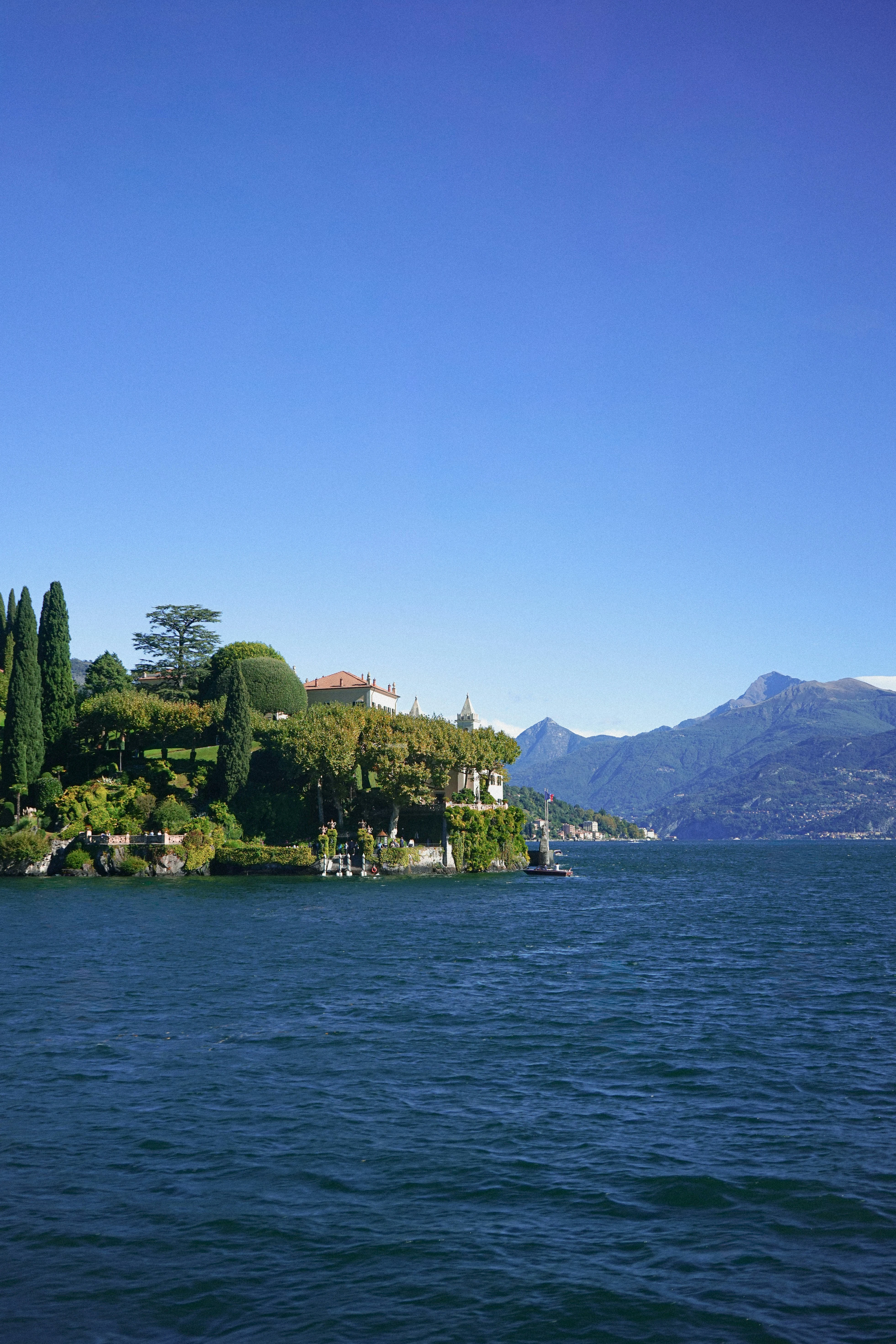
Examples of properties to consider in the right journeys include:
- Le Bristol, Paris: For a classic Parisian hotel stay.
- Villa d'Este, Lake Como: For a historic Italian lakeside experience.
These are examples rather than fixed recommendations or guaranteed inclusions. Availability, room category, season, budget and the overall route all need to be considered before selecting a property.
For families, room configuration is particularly important. Connecting rooms, adjacent suites, larger residences or private villas can make a meaningful difference to the comfort of the holiday.
When is the best time to visit Europe?
The best time depends on the region and the experiences you want. Europe is not one single seasonal destination.
| Period | Where it works particularly well | What to consider |
|---|---|---|
| April–June | France, Italy, Spain and the UK | Spring landscapes, cultural sightseeing and the beginning of warmer weather |
| July–August | Mediterranean coastlines and Northern Europe | Long days and coastal life, but high demand and busy destinations |
| September–October | Tuscany, Provence, Switzerland and wine regions | Harvest experiences, comfortable touring conditions and autumn landscapes |
| December–March | Finland and the Alpine regions | Winter activities, festive experiences, snow and seasonal accommodation |
For summer travel, begin accommodation planning around 6–9 months ahead, particularly when preferred suites, private villas or popular seasonal properties are important.
The right travel month should be selected around the experience rather than simply following the busiest holiday period.
At a glance: choosing your European region
| Region or destination | Best suited to | Suggested holiday length |
|---|---|---|
| France | Art, fashion, food, wine, culture and the Riviera | 8–12 days |
| Switzerland | Alpine scenery, lakes, scenic rail and family travel | 7–10 days or longer |
| Italy | Food, art, history, lakes, countryside and coast | 10–14 days |
| Greece | Islands, sailing, coastal stays and history | 10–14 days |
| Spain | Architecture, gastronomy, culture and coastline | 10–14 days |
| Finland | Lapland, winter activities and Northern Lights experiences | 5–7 days |
| Scotland | Highlands, castles, countryside and distilleries | 8–12 days |
| Ireland | Countryside, heritage and characterful stays | 8–10 days |
| United Kingdom | Cities, culture, history and countryside | 10–14 days |
| Turkey | Historic cities, cultural experiences and coastline | 10–14 days |
| Russia | Historic cities and cultural travel, subject to current feasibility | Assess separately |
Flights from India to Europe
Several major European destinations have nonstop connections from India. Flight availability and journey times depend on the departure city, airline, season and operating schedule.
Examples of published nonstop services include:
| Route | Nonstop flight time |
|---|---|
| Delhi–Zurich | Approximately 8 hours 45 minutes |
| Mumbai–Zurich | Approximately 9 hours 10 minutes |
| Delhi–Paris | Approximately 10 hours 15–20 minutes |
Checked on: 1 November 2026.
These are examples of nonstop routes, not guaranteed services on every travel date. Other European destinations may require a connection. Connecting journey times vary according to the airline, transit airport and waiting time, so they should be checked against the intended travel dates rather than represented by one generic duration.
Planning a luxury Europe holiday from India
For Indian travellers, a European holiday requires some practical planning before hotels and experiences are confirmed. For detailed route sequencing and itinerary frameworks, read our guide to planning a luxury trip to Europe from India.
Schengen visa planning
Indian passport holders generally require a Schengen visa for short stays in the Schengen Area.
The country responsible for processing the application is determined by the main destination of the trip:
- Apply to the country where you will spend the greatest number of nights.
- If the number of nights is equal in more than one Schengen country, apply to the country of first entry.
Schengen visa applications can generally be lodged up to six months before the intended journey. Applications must normally be submitted at least 15 calendar days before travel, although appointment availability and processing requirements mean that applying much earlier is sensible.
Applicants are also required to provide travel medical insurance covering emergency medical care, hospitalisation and repatriation. The minimum coverage is €30,000, subject to the applicable visa rules.
For peak summer travel, begin planning the visa appointment around 3–6 months before departure. Appointment availability varies, so the visa process should be considered while the itinerary is being developed rather than left until the final stages.
Official information:
- European Commission: Applying for a Schengen visa →
- France Visas →
- Italy: Visa for Italy →
- Switzerland: Visa information →
- VFS Global India →
The UK and Ireland have separate entry requirements
A Schengen visa does not automatically provide entry to the United Kingdom or Ireland. Travellers should check the relevant visa requirements for each country on their itinerary.
Official information:
Visa rules and appointment arrangements can change. Always confirm the current requirements with the relevant official authority before applying.
A practical planning timeline
Recommended Preparation Schedule:
6–9 months before departure:
- Establish the purpose, destinations and broad route.
- Decide the preferred travel dates and pace.
- Identify preferred hotels, suites and private villas.
- Begin checking seasonal availability and route logistics.
3–6 months before departure:
- Progress visa appointment planning and applications when eligible.
- Confirm the main accommodation and transport arrangements.
- Review the itinerary against the visa application requirements.
- Finalise international flights where appropriate.
2–3 months before departure:
- Confirm private guides and selected experiences.
- Arrange restaurant reservations, rail bookings and other time-sensitive activities.
- Review room configurations, dietary requirements and transfer details.
2–4 weeks before departure:
- Reconfirm arrival and departure arrangements.
- Finalise transfer timings and on-ground coordination.
- Check the latest travel requirements and practical details.
Consider the needs of Indian families
A personalised itinerary should take account of how the travellers actually prefer to travel.
For Indian families, this can include:
- Vegetarian, Jain and other dietary requirements.
- Indian meal preferences where required.
- Connecting rooms, adjacent suites or private villas.
- A comfortable balance of sightseeing and leisure.
- Private transfers where they make the journey easier.
- Flexible schedules for children and older family members.
These details should be discussed before the hotels and route are finalised, particularly when several generations are travelling together.
How much does a luxury Europe holiday from India cost?
Indicative Europe planning benchmark: Approximately ₹10 lakh per person for a one-week luxury Europe holiday, excluding international flights.
This is an indicative starting price, not a fixed package rate. Your final quotation is confirmed individually based on your dates, destinations, accommodation, experiences and travel preferences.
A longer multi-country holiday, peak-season travel, high-category suites, private villas and more elaborate arrangements will require a higher budget.
The most useful way to estimate the cost is to establish the intended experience, travel dates, number of travellers and preferred accommodation level before building the itinerary.
Luxury Europe holidays for families
A family holiday in Europe needs to work for everyone travelling.
The right accommodation, room configuration, transfer times and daily pace can make a considerable difference. Families may want a combination of cultural experiences, outdoor activities, scenic rail journeys, time by the water and relaxed days at the hotel.
For multi-generational families, the itinerary should allow different age groups to enjoy the journey without requiring everyone to follow the same schedule every day.
A family holiday can be built around Switzerland and Italy, a slower exploration of one country, or a longer European journey with carefully chosen bases.
Read more:
Is a tailor-made Europe holiday right for you?
A private, tailor-made holiday is particularly suitable for travellers who value flexibility, personal involvement and the ability to shape the itinerary around their interests.
It can be especially useful for families, couples, multi-generational groups and travellers combining several destinations, where accommodation, transfers and experiences need to work together.
It may not be the right approach for everyone. If your priority is the lowest possible price, a fixed departure date, a large group travelling on a set itinerary or a simple package with standard inclusions, a group tour or conventional package may be more suitable.
The important thing is to choose the style of travel that fits your priorities, rather than paying for personalisation you do not need.
What our clients say
A family holiday in Switzerland
“Bliss Travels planned the perfect family trip to Switzerland! From start to finish, everything was flawlessly organized. The accommodations were exceptional, offering breathtaking views of the Swiss Alps and a perfect mix of comfort and elegance. The itinerary included visits to picturesque villages, scenic train rides, and outdoor adventures, all tailored to our family’s preferences. The attention to detail, from private transfers to personalized dining experiences, made this a truly unforgettable experience. We couldn’t have asked for a better family vacation – highly recommend Bliss Travels for a seamless, luxury getaway!”
A multi-country Europe holiday
“Our Europe trip with Bliss Travels was a dream come true! From the charming streets of Paris to the breathtaking landscapes of Switzerland. The accommodations were top-notch, and the attention to detail in planning was truly impressive. Thank you very much Bliss Travels.”
Why plan your Europe holiday with Bliss Travels?
Bliss Travels was founded in 2000 and is based in Mumbai. The company plans personalised holidays for couples, families and travellers looking for a more considered way to experience the world.
Founder Amisha Shetth is personally involved in designing journeys, from choosing the right destinations and accommodation to considering the practical details that connect each part of the trip.
For a European holiday, this means looking beyond a list of countries and hotels. It means considering how the route flows, how long to stay, which experiences are worth including and how the journey can be coordinated from arrival to departure.
Bliss Travels provides 24/7 concierge support during your journey, helping coordinate travel-related requests, assist with reservations and address unexpected situations as they arise. Arrangements and solutions remain subject to supplier policies and local operational availability.
The result should feel personal, well considered and comfortable for the people taking it.
Frequently asked questions
- What is the best European itinerary for a first-time traveller from India?
- France, Switzerland and Italy make a strong combination for travellers looking for a mix of culture, scenery, food and historic cities. A 12–14-day journey can provide a useful starting point, although a shorter holiday may be better focused on one or two regions.
- How much does a luxury Europe holiday from India cost?
- Use approximately ₹10 lakh per person for one week, excluding international flights, as the minimum planning benchmark. This is indicative rather than a fixed package price. Longer trips, peak-season dates, private arrangements and higher accommodation categories will increase the budget.
- How many countries should I visit in a two-week Europe holiday?
- Two or three countries can work well in a 12–14-day holiday if the route is geographically sensible. The number of destinations should not come at the expense of time spent enjoying each place.
- When should I start planning a luxury Europe holiday?
- For a peak-season holiday, begin planning around 6–9 months before departure, especially if you have particular hotels or suites in mind. Schengen visa applications can generally be lodged up to six months before travel. Appointment availability and processing times should be considered early.
- Which Schengen country should I apply to for my visa?
- Apply to the Schengen country that is your main destination, generally the country where you will spend the greatest number of nights. If you spend an equal number of nights in multiple Schengen countries, apply to the country of first entry.
- What travel insurance is required for a Schengen visa?
- Applicants generally need travel medical insurance covering emergency medical care, hospitalisation and repatriation, with minimum coverage of €30,000. Check the current official requirements for your application.
- Do I need separate visas for the UK and Ireland?
- The UK and Ireland have their own entry and visa requirements. A Schengen visa does not automatically provide entry to either country. Check the official immigration guidance for both destinations before finalising your route.
- Can I combine France, Switzerland and Italy in one trip?
- Yes. A Paris–Switzerland–Northern Italy route is a practical starting point for a multi-country journey. The exact route should consider the number of nights available, rail connections, luggage, accommodation locations and the traveller's preferred pace.
- Which luxury trains are worth considering in Europe?
- Depending on the route, options include the Glacier Express and Bernina Express in Switzerland, Frecciarossa Executive Class in Italy, Eurostar Premier between London and Paris, and TGV INOUI First Class in France. The best option depends on the journey rather than the train alone.
- Can Bliss Travels accommodate Indian dietary and family requirements?
- The itinerary can take account of vegetarian, Jain and other dietary preferences, as well as room configurations, connecting suites, private villas and the needs of different age groups. These requirements should be discussed during the planning stage.
- Can Bliss Travels plan a Europe holiday around one country rather than multiple countries?
- Yes. A holiday can focus on one country or region. Italy, France and Switzerland each offer enough variety for a more in-depth journey without needing to add another country.
- Does Bliss Travels organise group tours to Europe?
- Bliss Travels focuses on personalised holidays designed around individual travellers, couples and families. If you are looking for a fixed-departure group tour, with a set itinerary and a larger group travelling together, a conventional group-tour operator may be more suitable.
Start planning your Europe holiday
There is no single European itinerary that is right for every traveller. The right journey depends on the destinations, the season, the time available, the experiences that matter and the way you prefer to travel.
A memorable luxury holiday is not about covering the most countries. It is about choosing the right places, allowing enough time to enjoy them and bringing the entire journey together seamlessly.
Planning a luxury Europe holiday from India?
Speak with Amisha and the Bliss Travels team about your dates, destinations and the kind of European journey you would like to create.
Call: +91 91523 09966
Email: amisha@blisstravels.in

About the author
Amisha Shetth, Founder, Bliss Travels
Amisha Shetth founded Bliss Travels in 2000. Based in Mumbai, the company crafts private, tailor-made journeys around each traveller’s interests, preferences and pace. Bringing over two decades of luxury travel experience, Amisha personally oversees itinerary curation and client care across Europe and beyond.