
CALL US ON
+91 91523 09966
CALL US ON
+91 91523 09966
By Amisha Shetth
South America is not a continent I would recommend trying to “complete.”
The distances are enormous, the landscapes change dramatically, and the experiences in one country can have very little in common with those in the next. That is exactly what makes it so rewarding for luxury travel.
For an Indian traveller making the long journey to South America, the better question isn’t “How many countries can we cover?”
It is: Which experiences are worth crossing the world for?
A thoughtfully designed journey could mean dining and architecture in Buenos Aires, wine in Mendoza, glaciers in Patagonia, ancient civilizations in Peru, wildlife in the Amazon, the energy of Rio de Janeiro or even continuing south to Antarctica.
The art is knowing what to leave out.
A conventional itinerary might start with a list: Argentina, Brazil, Peru, Chile, Ecuador. That can quickly become exhausting.
Instead, start with the experience you want:
This approach makes it much easier to build a journey that feels coherent.
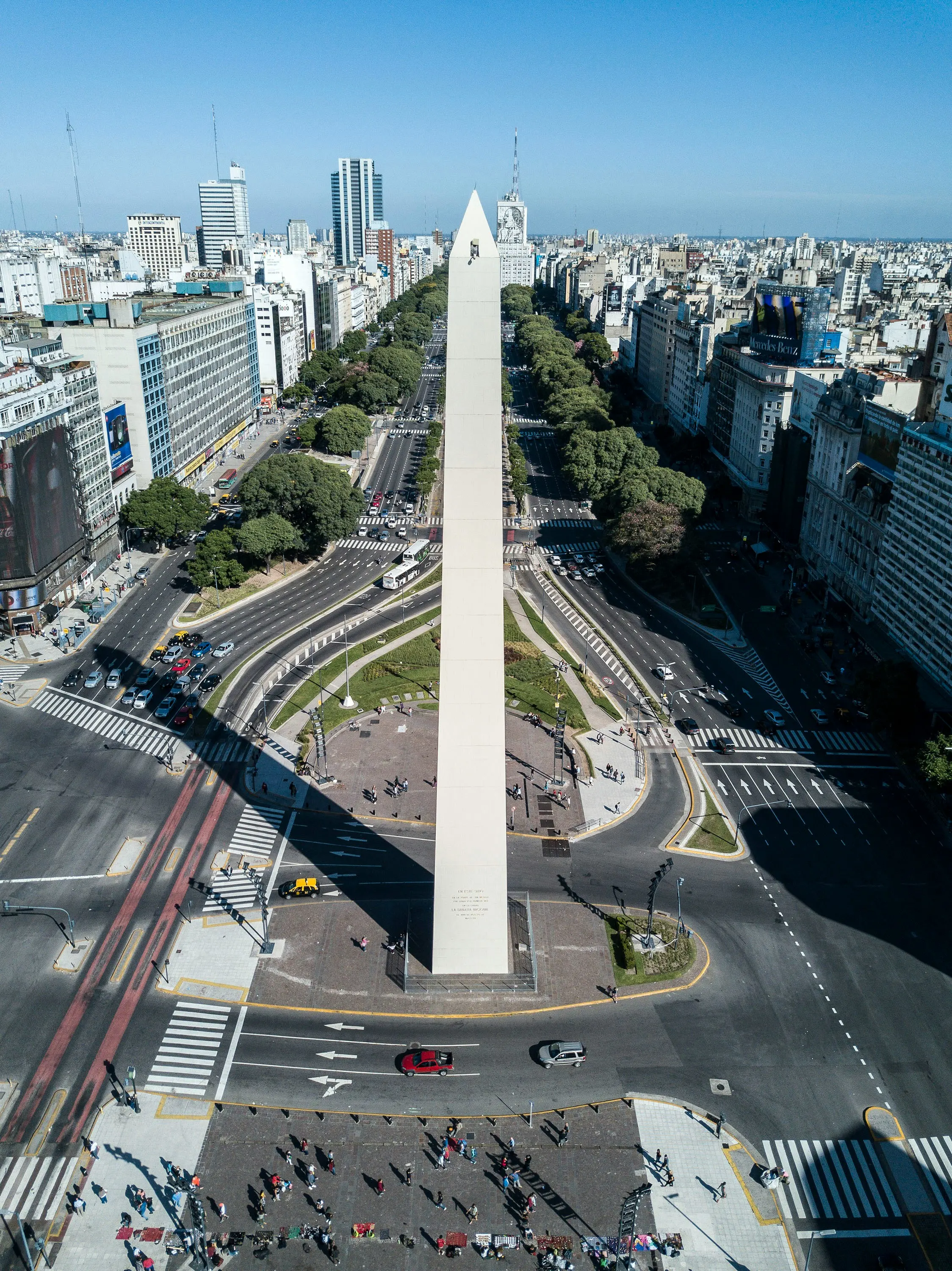
Buenos Aires is often the natural introduction to South America for luxury travellers. The city has an unusually sophisticated combination of architecture, food, art, shopping and nightlife.
But I wouldn’t spend the entire Argentine journey in the capital. Buenos Aires works particularly well as the opening chapter before moving into the country’s landscapes.
A few days can be devoted to private city experiences, Argentine cuisine, tango, art and architecture, shopping, and wine and gastronomy. From there, the journey can move in several directions.
Mendoza is particularly interesting for travellers who appreciate food and wine.
The region is internationally associated with Malbec and the vineyards surrounding the Andes, but a luxury wine journey shouldn’t become a sequence of tastings. Instead, build it around the properties and experiences that genuinely interest you.
A private wine itinerary might combine: vineyards + gastronomy + countryside + architecture + the Andes. The Uco Valley is particularly attractive for travellers looking for a more immersive wine experience. For couples, Mendoza can also provide a slower interlude between Buenos Aires and Patagonia.

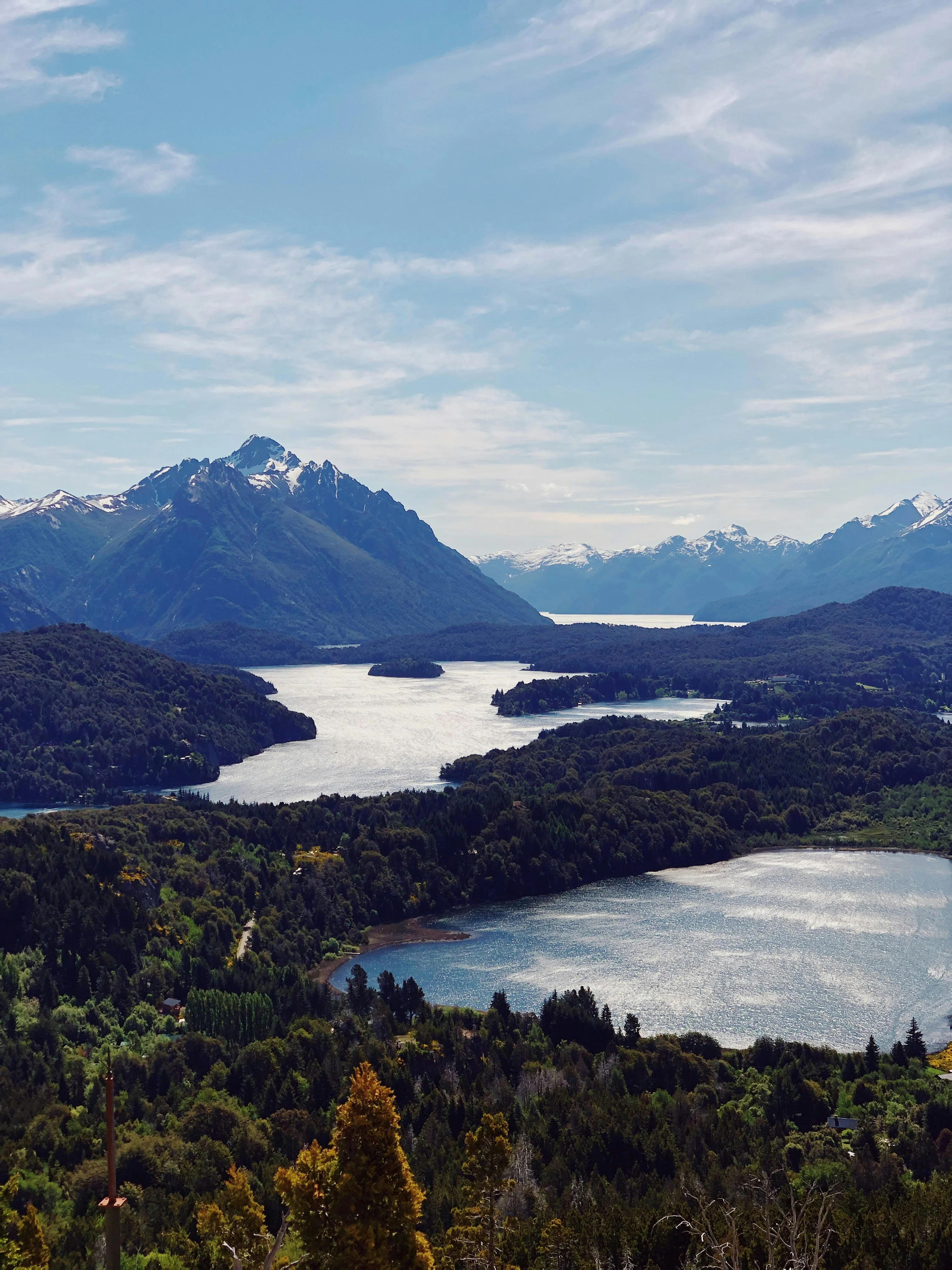
Patagonia is where South America starts feeling enormous. There isn’t one single Patagonia experience.
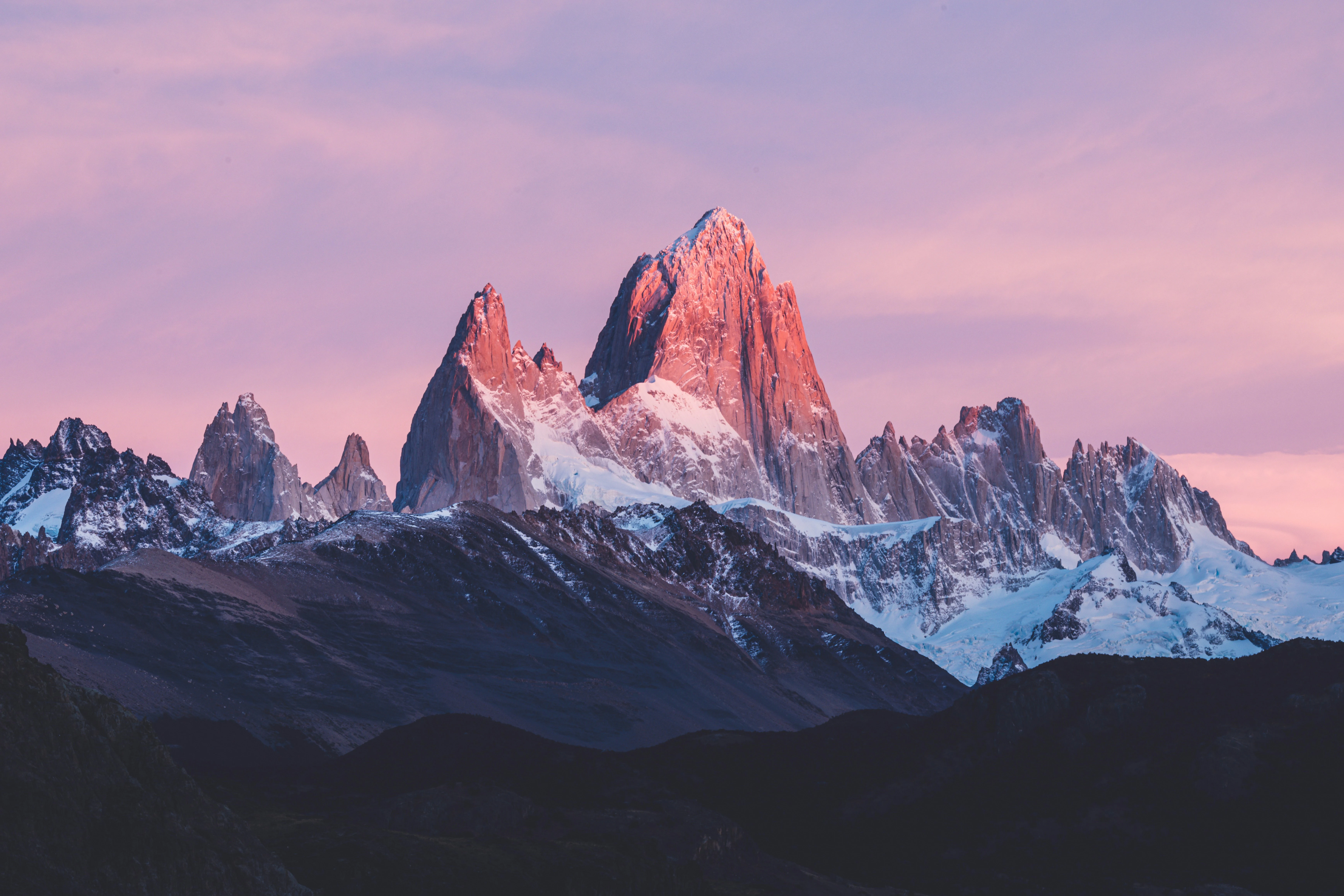
Argentina’s official tourism authority describes the region through glaciers, lakes, forests, mountains, steppes and outdoor experiences, with destinations such as El Calafate, El Chaltén and Ushuaia offering very different experiences:
El Calafate: Best known as the gateway to the glaciers of Los Glaciares National Park.
El Chaltén: More focused on trekking and mountain landscapes.
Ushuaia: The southern gateway to Tierra del Fuego and Antarctica.
The right choice depends on how active you want the trip to be. A luxury traveller doesn’t necessarily need to trek for eight hours a day to enjoy Patagonia. Private guides, scenic drives, boat journeys and carefully selected lodges can provide a more relaxed interpretation of the region.
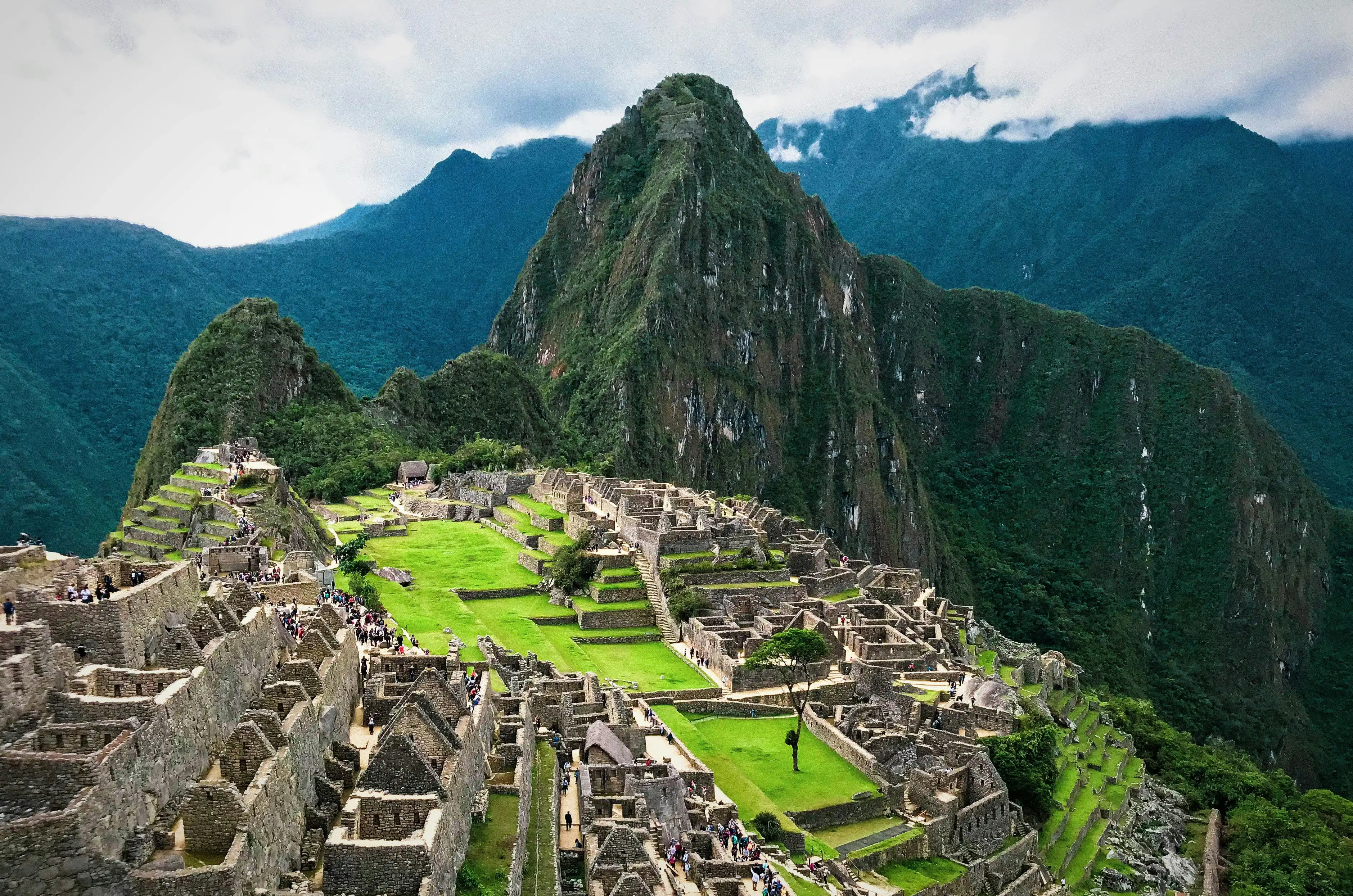
Peru changes the rhythm again. A classic luxury route might connect: Lima → Sacred Valley → Cusco → Machu Picchu.
Lima introduces the country’s exceptional food culture. The Sacred Valley slows things down. Cusco provides history and architecture. Machu Picchu becomes the culmination.
Peru’s official tourism resources position Lima, Cusco, the Sacred Valley and Machu Picchu as key components of a broader journey through the country. The luxury isn’t necessarily about staying in the most expensive hotel. A private archaeological guide, carefully timed visits and an exceptional property in the Sacred Valley can have a much greater impact on the experience.
Machu Picchu is one of those destinations where the logistics matter. It is tempting to treat it as a box to tick: arrive, see the ruins, take photographs, leave. That can make one of the world’s most extraordinary archaeological sites feel strangely rushed.
A more considered journey gives the surrounding region enough time to breathe. The Sacred Valley can be more than a stopover; it can become part of the experience through private cultural encounters, local communities, cuisine, landscapes and archaeological sites. For luxury travellers, this is often more rewarding than trying to minimize every transfer.
Brazil shouldn’t be treated as an extension of Argentina or Peru. It is its own world.
Rio de Janeiro is the obvious starting point, where mountains, beaches, architecture and urban life exist in close proximity. But Brazil becomes particularly interesting when you decide what kind of trip you want:
The Amazon can also become the focus of an entirely different type of luxury journey. Instead of conventional luxury hotels, the experience revolves around an exceptional lodge or river expedition and the surrounding ecosystem.
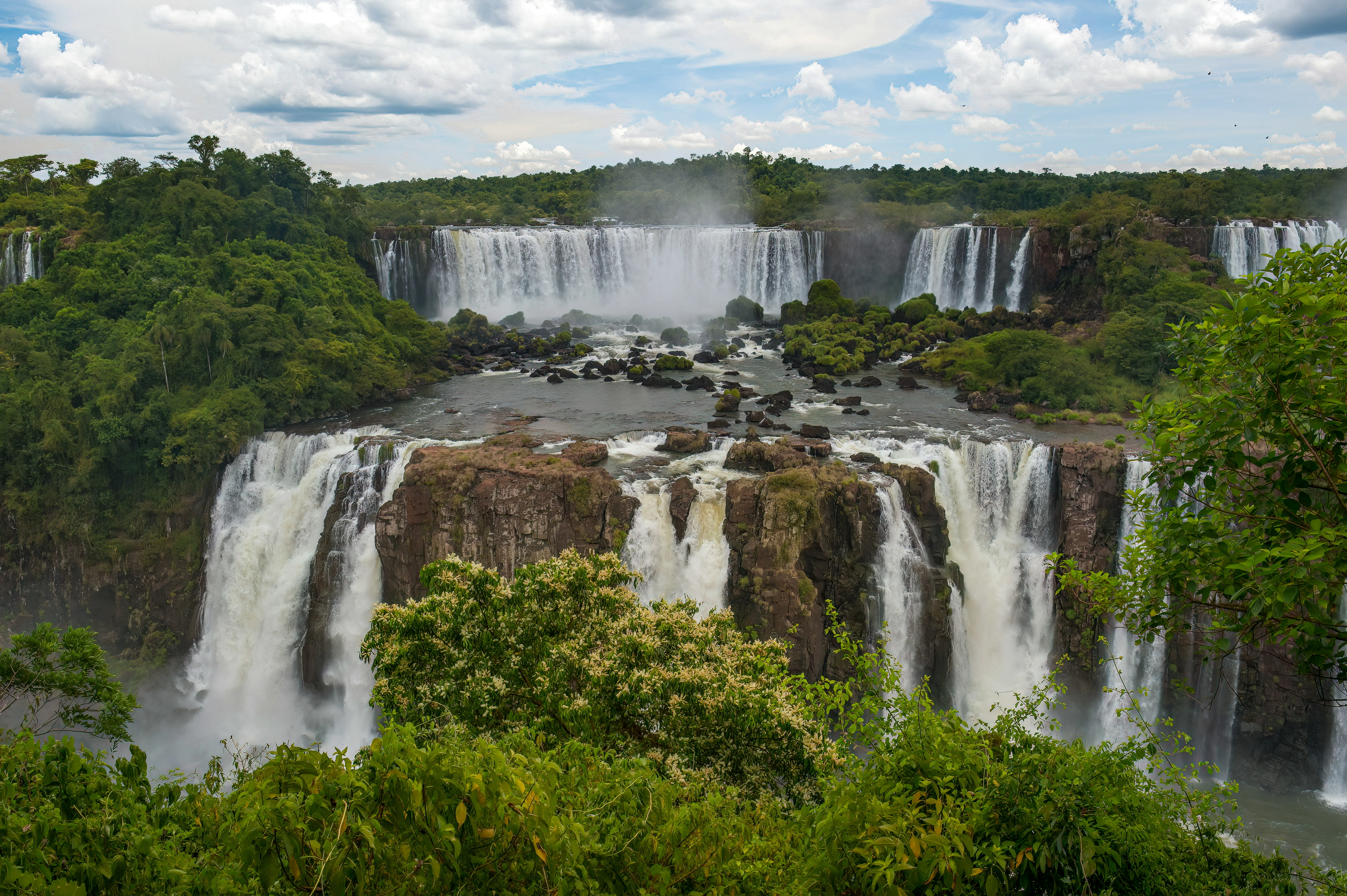
Iguazú is particularly useful when designing a multi-country South American itinerary. The falls sit on the border between Argentina and Brazil and can therefore connect two countries naturally rather than artificially.
Argentina’s tourism authority describes Iguazú as a system of 275 waterfalls, with trails, viewpoints and boat experiences available around the national park. For a luxury traveller, I’d allow enough time to experience the falls properly rather than treating them as an airport connection. A private guide can help structure the experience around the best viewpoints and conditions.
Chile can be an excellent addition to an itinerary, particularly for Patagonia. Torres del Paine is one of the country’s defining landscapes, with mountains, glaciers, lakes and wilderness forming the core of the experience.
Chile’s official tourism authority positions Patagonia around landscapes such as Torres del Paine and the southern fjords, while also connecting the region to Antarctica itineraries.
A combination such as: Buenos Aires → El Calafate → Torres del Paine → Santiago can therefore work extremely well. But adding Chile simply because “we’re already in South America” isn’t enough. Every border crossing should earn its place.
Rather than prescribing one itinerary, I’d consider three broad approaches:
Buenos Aires → Mendoza → Patagonia
Ideal for travellers who want gastronomy and landscapes without constantly changing countries.
Lima → Sacred Valley → Cusco → Machu Picchu → Amazon
Best for travellers who want history, food, culture and nature.
Buenos Aires → Patagonia → Ushuaia → Antarctica
For travellers who want something much more expedition-oriented. This final combination is particularly compelling because Antarctica becomes the culmination rather than an isolated addition.
This is where I would be conservative. Because of the distances involved, a short trip can become dominated by flights.
8–10 nights: Choose one country or one focused combination. For example: Argentina (Buenos Aires + Mendoza + Patagonia).
12–16 nights: This opens up more interesting combinations, such as Argentina + Chilean Patagonia or Peru + Amazon.
18–21+ nights: Now a genuine multi-country journey becomes realistic: Argentina + Chile + Brazil, or Argentina + Patagonia + Antarctica. The longer the journey, the more important it becomes to deliberately leave empty space.
South America is huge. Buenos Aires to Patagonia is not a quick road transfer. Lima and Cusco are separated by significant geography. Brazil itself is enormous.
A luxury itinerary should therefore use air travel intelligently rather than pretending that every journey should happen by road. At the same time, not every short transfer needs a flight. The objective is to reduce friction, not eliminate movement.
There is a tendency in luxury travel to automatically search for: private jet + private yacht + presidential suite + helicopter. Those can be extraordinary. But they aren’t automatically the most memorable experiences.
A private wine tasting with a producer in Mendoza. A knowledgeable guide in the Sacred Valley. A small boat approaching a Patagonian glacier. A beautifully located lodge overlooking the mountains. A private tango evening in Buenos Aires. These can be far more meaningful because they connect you to the destination.
This is a destination where family composition should influence the itinerary significantly. A family with grandparents, parents and children may want: fewer hotel changes + private transportation + flexible sightseeing + excellent accommodation rather than an ambitious itinerary designed for two adventurous travellers.
Patagonia can work beautifully for families when activities are selected carefully. Peru can be fascinating for children when history is brought to life through a good private guide. And a luxury Amazon lodge can turn the rainforest into a shared experience rather than simply another hotel stay. The key is to build different levels of activity into the same day.
South America can be an excellent honeymoon destination precisely because it doesn’t feel like a conventional honeymoon.
A couple could spend their first days in Buenos Aires, move through wine country and finish among the mountains of Patagonia. Or combine Peru + Amazon for culture and adventure, or Brazil + Argentina for city life, food, waterfalls and beaches. The honeymoon doesn’t need to be entirely about lying beside a pool. For some couples, the luxury is having a story to tell when they return.
There is no single answer for the entire continent. South America’s geography means that the ideal travel period depends heavily on the countries and regions involved.
Patagonia has a very different seasonal rhythm from Buenos Aires. The Amazon operates on another pattern altogether. Peru’s Andes and coastal regions differ significantly. That means the route should be chosen alongside the dates, rather than selecting a month first and forcing destinations into it.
I wouldn’t attempt: Buenos Aires → Rio → Lima → Cusco → Patagonia → Amazon in two weeks. It looks impressive on an itinerary document. It doesn’t necessarily feel impressive while travelling. You would spend too much time packing, flying and checking in.
South America rewards travellers who understand that distance is part of the destination. Choose fewer places. Stay longer. Make the transitions meaningful.
For me, the starting point is not the country. It’s the traveller.
A couple who loves wine should probably spend more time in Argentina. A family fascinated by history might build around Peru. A wildlife enthusiast could prioritize Patagonia and the Amazon. Someone who has already travelled extensively might combine South America with Antarctica. And someone looking for a first introduction to the continent may be better served by focusing entirely on Argentina and Chile.
There is no single “best South America itinerary.”
There is a better question: Which version of South America is worth travelling all the way from India to experience? Once that is answered, the itinerary becomes considerably easier to build through personalised luxury travel planning.
Amisha Shetth is the Founder and Chief Experiential Officer at Bliss Travels, a luxury and bespoke travel company specializing in personalized international journeys. Her approach to long-haul travel focuses on combining the right destinations, pace, accommodation and experiences rather than trying to maximize the number of places visited.