Ultra Luxury Kenya Safaris & Private Safari Planning
Topical Cluster:
Journey Design Hub •
Explore related guides and methodology in this topic.
Executive Answer: Reimagining the Safari
Kenya stands as the historical origin of the African safari, defined by its vast geographic contrasts, exceptional wildlife density, and the annual movement of over two million wildebeest, zebra, and gazelle during the Great Migration. For discerning luxury travelers, Kenya offers a complex variety of biomes—from the arid, predator-rich plateaus of Laikipia and the alpine forests of Mount Kenya to the white-sand coastlines of Lamu and Diani. However, due to its global popularity, mass-market tourism frequently routes travelers into high-traffic public reserves, exposing them to congested game drives and large-scale lodges that compromise the sense of wilderness isolation.
An authentic luxury Kenya safari is built around **exclusivity, community-owned conservation, and spatial separation**. Rather than navigating public national reserves during peak hours, experienced advisors focus on private wild conservancies—such as the Lewa Wildlife Conservancy, Ol Pejeta, and exclusive Mara concessions (such as Olare Orok, Mara North, and Naboisho). In these private zones, off-road tracking, night game drives, and guided walking safaris are permitted, and vehicle presence at key wildlife sightings is strictly capped. Furthermore, transits are optimized using private charter flights and helicopters to bypass road fatigue, linking highland conservation activities with remote coastal retreats without friction.
For Indian High-Net-Worth Individuals (HNWIs) and multi-generational groups, Kenya provides an excellent balance of raw adventure and familiar luxury. However, a successful trip requires deep advisory expertise. We plan Kenya differently, avoiding the common mistake of rushing between too many camps, ensuring proper altitude transitions in the highlands, and incorporating dedicated recovery buffers so that the travel experience remains deeply restorative.
Quick Facts
- Best Season: July to October (Great Migration & dry season) and January to March (excellent birding and resident game)
- Ideal Duration: 9 to 12 Days to allow proper transitions between highlands, safaris, and coast
- Flights: Direct flights from Mumbai (Air India, Kenya Airways) to Nairobi (NBO), under 6 hours
- Visa: Electronic Travel Authorization (eTA) required for Indian passport holders
- Languages: English, Swahili (widely spoken in luxury camps)
- Currencies: Kenyan Shilling (KES), though US Dollars (USD) and credit cards are standard in luxury lodges
- Luxury Level: High (private conservancy tented camps, designer cliffside lodges, and coastal dhow estates)
- Planning Window: 8 to 12 Months in advance (essential for securing premier camps during the Great Migration)
- Ideal Traveller: Families, photographers, conservationists, and honeymooners
- Best For: Private conservancy access, elephant and rhino conservation, and beach-and-bush combinations
- Avoid If: You dislike light aircraft travel or seek a low-budget group touring format
Why Luxury Travellers Choose Kenya
Kenya stands apart because of its pioneering model of community-owned conservation. In regions like Laikipia and the Maasai Mara's adjacent conservancies, the land is leased from local Maasai and Samburu communities. This ensures that tourism revenues directly support local education and conservation, creating a deeply respectful and integrated hospitality culture. This community-first approach translates into exceptional service, where your guides and trackers are co-owners of the land you explore.
Furthermore, Kenya's geographical variety allows for high-contrast travel sequences. A single trip can link the alpine landscapes of Mount Kenya with the savanna of the Mara, concluding with a dhow sail around the historic Lamu Archipelago. This diversity cannot easily be replicated in flatter, single-biome destinations, making it highly appealing to families and repeat travelers who want more than just standard game drives.
"When designing journeys through Kenya, I deliberately reduce the number of camp changes. Moving between lodges every two days creates unnecessary friction and deprives you of the quiet transition into the rhythm of the bush."
— Amisha Shetth, Founder, Bliss Travels
The Bliss Journey Design Perspective
Under the Bliss Journey Design Method, Kenya is designed with an emphasis on **Luxury Transition Design**. We look closely at the physical impact of safari travel—including early mornings, dust exposure, and the movement of small aircraft. To mitigate this, we construct a balanced sequence where high-energy game viewing is buffered by low-energy recovery nodes like Mount Kenya or the coast.
We analyze **Traveller Intent** to decide when to include private conservancy stays vs. the national reserves. In Laikipia, we focus on **Slow Luxury**, spending three to four nights in a single camp to allow deep immersion in rhino tracking and community projects. We structure **Journey Memory Points**—such as a private dinner under the stars in the Mara or a helicopter flight over Mount Kenya's peaks—to create anchor memories that define the journey long after return.
Kenya Compared with Other Safari Destinations
Understanding how Kenya compares with competing safari countries helps define your planning expectations:
| Destination |
Primary Experience |
Luxury Accommodation Style |
Privacy Level |
Crowd Levels |
Family Suitability |
| Kenya |
High-density wildlife, community conservancies, beach extensions |
Bespoke luxury tented camps, private villas, coastal estates |
High (in private conservancies) |
High in public parks; low in conservancies |
Excellent (private villas & dedicated family guides) |
| Tanzania |
Serengeti migration, Ngorongoro Crater, Zanzibar beaches |
Permanent luxury lodges, mobile tented camps |
Moderate (highly public parks) |
High (especially in the Crater and main Serengeti) |
Good |
| Botswana |
Delta water safaris, low-impact private concessions |
Exclusive small-scale camps, fly-in safaris |
Very High |
Very Low |
Moderate (strict age limits at water camps) |
| South Africa |
Fenced private reserves, Cape Town, Winelands |
Ultra-luxury designer lodges, private plunge pools |
High |
Low in private reserves |
Excellent (malaria-free options available) |
Kenya's Luxury Regions
Nairobi: The Forest Gateway
Nairobi is the entry point, but it should not be rushed. For luxury travelers, we recommend staying in the quiet, leafy residential suburb of Karen (at properties like Hemingways Nairobi). This allows guests to visit the Giraffe Centre and the Karen Blixen Museum in a relaxed setting before flying out to the bush.
Mount Kenya: The Highland Retreat
Mount Kenya offers a cool, alpine environment with dramatic views of Africa's second-highest peak. Stay at the Fairmont Mount Kenya Safari Club to enjoy horseback riding, golf, and forest walks, which serve as an excellent physical transition to help travelers adjust to the East African altitude.
Laikipia Plateau: The Conservation Frontier
Laikipia is a vast network of private ranches and community conservancies, including Lewa, Ol Pejeta, Segera, and Ol Jogi. It is Kenya's premier region for rhino conservation and walking safaris. The luxury style here is defined by intimate, owner-run lodges (such as Lewa Wilderness) that offer a highly personalized, hosted experience.
Maasai Mara: The Big Five Arena
The Maasai Mara is the jewel of Kenya's safari network, offering legendary predator sightings and the Great Migration. To avoid the traffic of the main reserve, we base our guests in the private conservancies (like Mara North, Olare Orok, and Naboisho), staying in luxury camps (such as Angama Mara or Cottar’s 1920s Safari Camp) that offer exclusive traversing rights.
Lamu & Diani: Coastal Escapes
Kenya's coast offers a perfect conclusion to a safari. The Lamu Archipelago preserves Swahili history and culture, best experienced through a private dhow sail and a stay at the boutique Majlis resort. Diani Beach offers wide, white sand shores and modern beachfront villas for ultimate relaxation.
Signature Luxury Experiences
Hot Air Balloon Safaris over the Mara
Soar over the plains of the Maasai Mara at sunrise, watching herds of wildebeest and zebra crossing the savanna from above, followed by a champagne bush breakfast served in the wild.
Private Helicopter Tours over Mount Kenya
Embark on a private helicopter flight around Mount Kenya's jagged volcanic peaks, landing at high-altitude lakes for a private fly-fishing experience and a picnic lunch.
Guided Rhino Tracking in Laikipia
Walk alongside conservation rangers in the Lewa Wildlife Conservancy to track and monitor endangered black and white rhinos on foot, learning about the complex protection protocols.
Private Dhow Cruises in Lamu
Sail around the channels of the Lamu Archipelago on a traditional hand-carved wooden dhow at sunset, enjoying fresh seafood prepared onboard by your private chef.
Accommodation Philosophy
Kenya's luxury accommodations are characterized by their integration into the natural landscape. Understanding the trade-offs between different lodging styles is key to successful journey design:
- Luxury Tented Camps: Constructed on elevated wooden decks under canvas, these camps (like Cottar’s 1920s) blend classic safari heritage with modern luxury, offering en-suite bathrooms, fine dining, and absolute proximity to nature.
- Private Safari Villas: Standalone properties (such as those in Ol Lentille) that offer exclusive use, dedicated guides, private chefs, and butler service, ideal for multi-generational families.
- Historic Lodges: Historic estates (like Fairmont Mount Kenya Safari Club) that feature manicured lawns, swimming pools, and country-club amenities, serving as excellent recovery nodes.
- Coastal Swahili Retreats: Beachfront villas constructed from local coral stone and mangrove wood, offering open-air living spaces and private access to the ocean.
Sample 11-Day Luxury Kenya Journey
This representative timeline demonstrates the pacing and sequencing developed through our journey design methodology, balancing highland retreats, private conservancies, and coastal relaxation.
DAY 1: Arrival in Nairobi
Morning: Arrive at Jomo Kenyatta International Airport (NBO) in Nairobi. Clear customs via VIP fast-track assistance.
Afternoon: Transfer to Hemingways Nairobi in the Karen suburb. Visit the Giraffe Centre and Karen Blixen Museum.
Evening: Gourmet dinner at the hotel.
Pacing Note: A quiet arrival day to recover from flights before moving to the highlands.
DAY 2: Mount Kenya (Highland Experience)
Morning: Scenic drive or private charter flight to the Mount Kenya region. Check into the Fairmont Mount Kenya Safari Club.
Afternoon: Guided nature walk through the lush forest slopes surrounding the lodge.
Evening: Relaxation by the heated pool with views of the mountain peak.
Transition Note: Mount Kenya serves as an ideal intermediate node to adjust to altitude.
DAY 3: Mount Kenya Forest & Helicopter Tour
Morning: Horseback riding through the slopes or a garden picnic near the rose gardens.
Afternoon: Visit the Mount Kenya Wildlife Conservancy, followed by a scenic private helicopter tour around the mountain peak.
Evening: Dinner at the club's historic dining room.
DAY 4: Mount Kenya → Laikipia Private Conservancy
Morning: Short road transfer to the Laikipia Plateau. Check into Lewa Wilderness Lodge or Ol Lentille private villas.
Afternoon: Afternoon game drive focusing on black and white rhino sightings.
Evening: Sundowner drinks served on a scenic ridge overlooking the plains.
DAY 5: Laikipia Conservation Safari
Morning: Bush breakfast followed by guided rhino tracking on foot with conservancy rangers.
Afternoon: Learn about community conservation projects and visit local Samburu communities.
Evening: Evening game drive followed by a private bush dinner under the stars.
DAY 6: Laikipia → Maasai Mara Concession
Morning: Flight by private charter to the Maasai Mara. Settle into Angama Mara or Cottar’s 1920s Safari Camp.
Afternoon: Initial game drive in the private concession. Spot large prides of lions and herds of elephants.
Evening: Relax by the campfire at the camp, enjoying premium local wines.
DAY 7: Maasai Mara Balloon Safari
Morning: Sunrise hot air balloon safari, landing in the plains for a champagne breakfast. Game drive back to camp.
Afternoon: Rest during the midday heat. Conduct a late afternoon game drive focusing on leopards and cheetahs.
Evening: Traditional dinner served in the camp mess tent.
DAY 8: Maasai Mara Walking Safari & Spa
Morning: Guided walking safari with Maasai warriors to study the local flora, tracks, and smaller fauna.
Afternoon: Visit a local Maasai village (Manyatta), followed by massage treatments back at the camp spa.
Evening: Private candlelight dinner served on your suite’s private deck.
DAY 9: Maasai Mara → Lamu Archipelago
Morning: Morning flight from Maasai Mara via Nairobi to Lamu Island. Check into the boutique Majlis resort.
Afternoon: Walk around Shela village or relax on the white sands of Manda Island.
Evening: Private sunset cruise aboard a traditional hand-carved dhow sailboat.
Pacing Note: The beach stay serves as a vital low-energy recovery node after active bush travel.
DAY 10: Lamu Coastal Relaxation
Morning: Snorkeling, scuba diving, or kite surfing in the warm Indian Ocean waters.
Afternoon: Enjoy local Swahili-themed spa treatments and pool relaxation.
Evening: Farewell beach barbecue dinner with fresh local seafood.
DAY 11: Lamu → Nairobi & Departure
Morning: Flight from Lamu back to Wilson Airport (Nairobi). Transfer to Jomo Kenyatta International Airport (JKIA).
Afternoon: Day room at the Four Points by Sheraton JKIA to rest before evening departures.
Evening: Board your international return flight home.
Itinerary Inclusions & Customization
- 10 Nights in luxury hand-picked lodges, private concessions, and coastal resorts
- All internal flights (Nairobi-Mount Kenya-Laikipia-Mara-Lamu-Nairobi) on scheduled bush flights or private charters
- Private use of a customized 4x4 Land Cruiser with pop-up roof and experienced guide
- VIP fast-track customs clearance at Jomo Kenyatta International Airport on arrival
- All conservation fees, park entry fees, and private local community visits
Planning Considerations & Logistics
Executing a seamless luxury safari in Kenya requires careful attention to logistical constraints:
- Booking Windows: Premier camps in the Maasai Mara (such as Angama Mara) have very low suite counts. For travel during the Great Migration (July to October), booking 10 to 12 months in advance is essential.
- Luggage Restrictions: Scheduled bush flights utilize small aircraft (like the Cessna Caravan) with strict luggage limitations. Passengers are restricted to 15 kg (33 lbs) of luggage per person, which must be packed in soft-sided, frameless bags to fit the aircraft pods.
- Health & Visas: Kenya requires all international arrivals to obtain an Electronic Travel Authorization (eTA) in advance. Yellow fever vaccination certificates are required if entering from endemic zones, and malaria prophylaxis is recommended for the coastal and low-altitude safari regions.
- Dress Code: Standard neutral, khaki, and olive-colored clothing is recommended for game drives to blend into the savanna. Heavy perfume should be avoided as it attracts biting insects.
Frequently Asked Questions
- Is Kenya better than Tanzania for a first-time safari?
- Both offer excellent wildlife, but Kenya has a more developed network of private conservancies. In Kenya, you can easily combine community conservancy stays with coastal beach retreats like Lamu or Diani on a single trip without massive road transits.
- When is the best month to see the Great Migration?
- The migration herds typically arrive in the Maasai Mara from the Serengeti in July and remain until October. However, resident wildlife is outstanding year-round, and visiting outside the migration months offers lower crowd levels.
- Why choose a private conservancy over the national reserve?
- National reserves are open to all visitors, leading to high traffic and crowded sightings. Private conservancies are reserved strictly for guests staying at lodges inside them. Capped vehicle limits, off-roading, night drives, and walking safaris are permitted only in conservancies.
- What is the visa requirement for Indian passport holders?
- Indian passport holders must apply for a Kenya Electronic Travel Authorization (eTA) online prior to departure. Processing typically takes 3 to 5 working days.
- Are children allowed in luxury safari camps?
- Many luxury camps welcome children and offer dedicated kids' activities, but some intimate tented camps have age limits (typically 6 or 8 years and older) for safety reasons. Private villas are the ideal choice for families with younger children.
About the Author
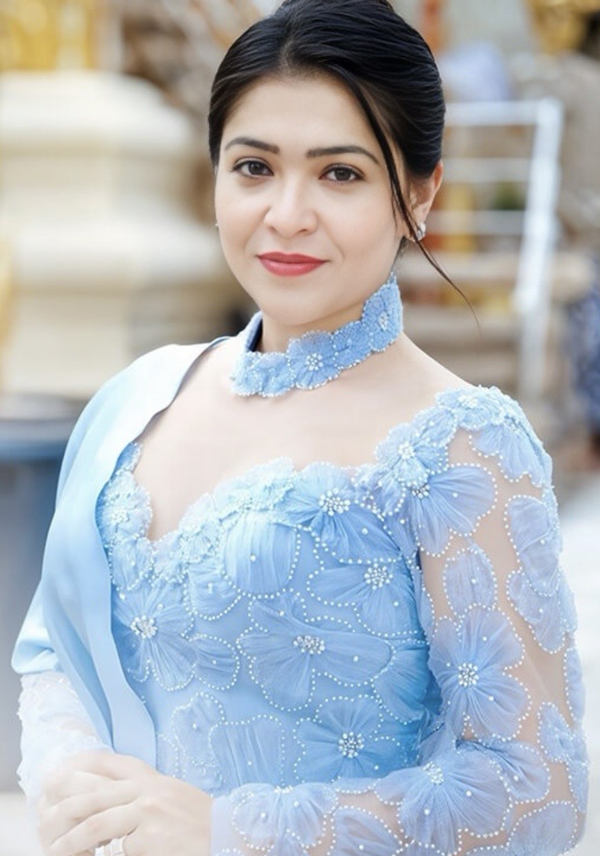
Amisha Shetth
Founder & Chief Experiential Officer, Bliss Travels
This guide was written by Amisha Shetth, Founder & Chief Experiential Officer of Bliss Travels. Since 2003, she has specialised in designing bespoke luxury journeys for discerning travellers, including high-net-worth individuals (HNWIs), ultra-high-net-worth individuals (UHNWIs), multi-generational families, honeymooners, and wellness travellers.
Over more than two decades, she has curated personalised experiences across destinations including Japan, Europe, Africa, the Maldives, Bali, Antarctica, and India, working closely with trusted hotels, local destination specialists, and global hospitality partners.
Her approach is built around the Bliss Journey Design Method, a proprietary six-stage planning framework developed to ensure every itinerary reflects the traveller's goals, preferred pace, and travel style rather than relying on pre-designed packages.
The perspectives shared throughout this guide are based on that traveller-first methodology and years of practical experience designing complex luxury journeys.