
CALL US ON
+91 91523 09966
CALL US ON
+91 91523 09966
By Amisha Shetth
Planning a European holiday for two people is one thing. Planning one for a family of eight, where grandparents, parents, teenagers and young children all have different ideas of a perfect holiday, is something else entirely.
A multi-generational Europe trip has the potential to become one of the family’s most memorable journeys. It can bring together grandparents who want history and culture, parents who want beautiful hotels and good food, teenagers looking for independence and younger children who need space to simply be children.
But it requires a different approach to luxury travel. The objective isn’t to find the most luxurious hotel in every city or fit the maximum number of countries into two weeks.
It is to design a journey where different generations can enjoy the same holiday without having to travel at the same pace every day . That is where thoughtful planning makes the greatest difference.
The first mistake I would avoid is opening a map of Europe and asking: “Which countries should we cover?” Instead, begin with the people travelling. How many generations are going?
Are there young children? Are the grandparents comfortable with walking?
Do the teenagers want some independent time? Does everyone enjoy museums?
Does anyone have dietary preferences? Does the family prefer villas or hotels?
Is the group happiest moving around, or would they rather spend several nights in one place? These questions may sound practical rather than luxurious.
In reality, they determine almost every important decision later. A beautiful itinerary that ignores the family’s rhythm will not feel luxurious.
A well-paced itinerary that anticipates everyone’s needs will.
For a multi-generational group, fewer destinations can often produce a better holiday. A family travelling for 12 to 14 nights might be happier with three carefully selected bases than five countries.
For example: Paris + Switzerland + Italy creates a natural combination of culture, mountains, food and history. Another family might prefer: Italy + Greece for a mixture of art, food, countryside and the Mediterranean.
A summer family holiday could work beautifully around: France + Switzerland + Italy while a winter journey could focus on: Paris + Swiss Alps + Northern Italy The route should be determined by the family’s interests and the season rather than by how many countries can technically fit into the itinerary.
For a couple, the hotel room may be the main consideration. For a large family, it is only one part of the equation.
Room configuration becomes critical. Do grandparents need their own room?
Would connecting rooms be more comfortable? Would a suite work better?
Would a private villa allow everyone to be together while still preserving privacy? These decisions can completely change the experience.
A villa can be wonderful for a family because it creates a shared environment without forcing everyone into one room or one schedule. A luxury hotel can be better when the family values service, restaurants, children’s facilities and easy access to the city.
There is no universally superior option. The accommodation needs to fit the family.
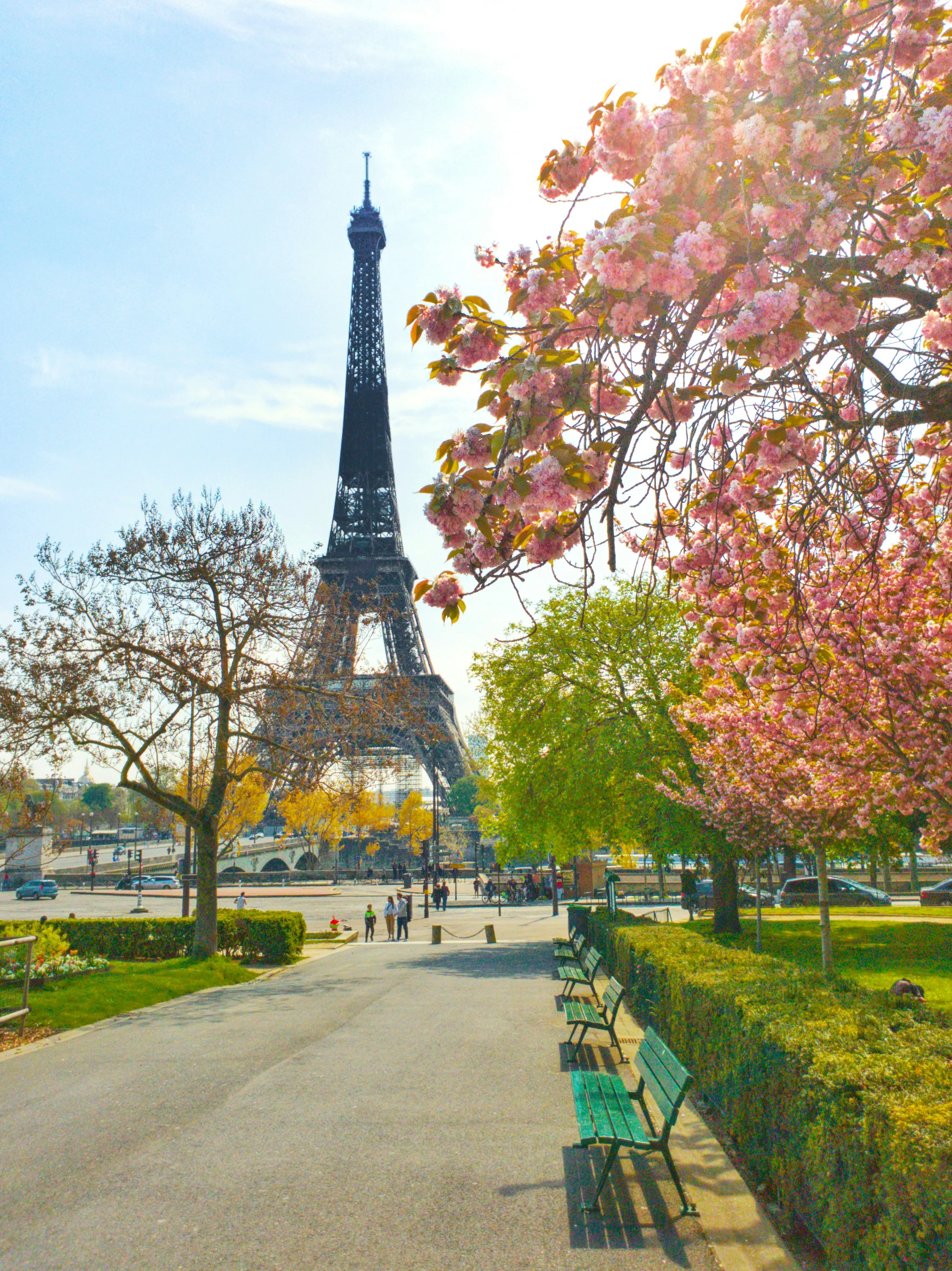
Paris is one of the easiest European destinations to make complicated. There is simply too much to see.
That makes pacing particularly important. Instead of attempting a museum every morning, landmark every afternoon and restaurant every evening, consider dividing the experience.
One day might focus on art and history. Another could explore a neighbourhood through food.
Another could be deliberately light. And a private guide can make a huge difference.
A knowledgeable guide can adjust the pace according to the youngest and oldest travellers rather than following a fixed group-tour schedule. For grandparents, that might mean more frequent breaks.
For children, it might mean turning a historical visit into a story rather than a lecture. For teenagers, it could mean incorporating food, fashion, photography or architecture into the day.
Everyone experiences the same city differently. The itinerary should acknowledge that.
Private guiding is often misunderstood as simply a more expensive version of a group tour. For families, its real value is flexibility.
A private guide can change the route if someone is tired. Spend longer somewhere the family finds fascinating.
Shorten a visit when children have had enough. Explain something differently for different age groups.
And recommend places that aren’t necessarily designed for large tourist groups. This is particularly valuable in destinations such as Paris, Rome, Florence, Venice and Barcelona, where a family’s interests can vary enormously.
The best guides become almost invisible. They make the destination easier to understand without making the traveller feel as though they are being taken through a predetermined programme.
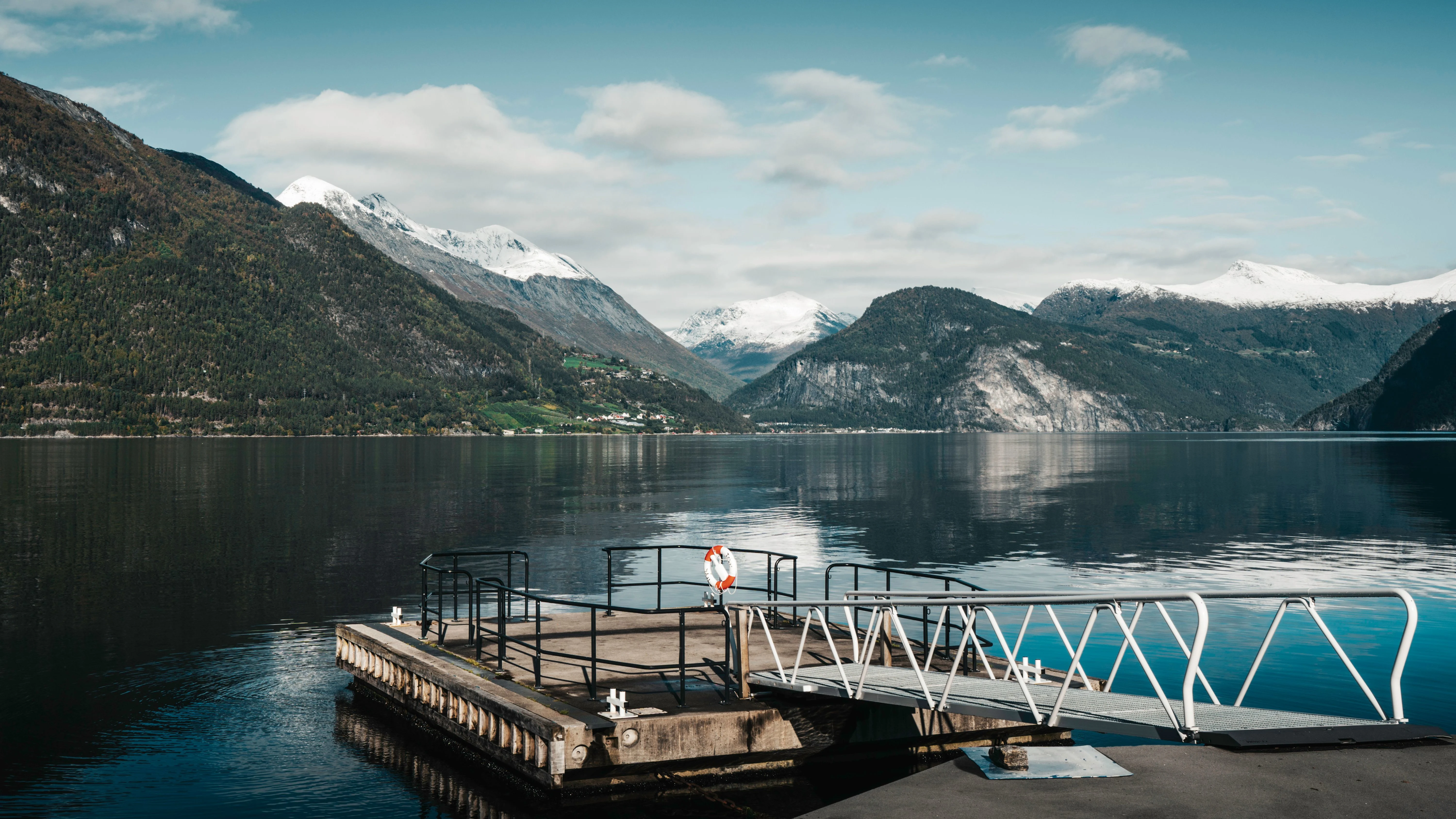
Switzerland can be one of the strongest parts of a multi-generational European journey. The landscape itself provides entertainment.
You don’t need to schedule six attractions a day. A scenic train journey can become an experience.
A lake cruise can fill an afternoon. A mountain excursion can be the day’s main activity.
And a beautiful hotel can give everyone somewhere enjoyable to return to. For families, this matters.
After several days of sightseeing in a major European city, Switzerland can provide a natural change of pace. The grandparents can enjoy the scenery.
Parents can relax. Children can explore.
And everyone can spend time together without needing a complicated schedule.
Transport becomes much more important when multiple generations are travelling. A family of four can easily adapt.
A group of ten with grandparents and young children needs more thought. Before deciding between rail and road, consider: How much luggage is there?
Who is travelling? How long is the journey?
Are there mobility considerations? How many hotel changes are involved?
Would a private transfer make the day easier? Sometimes a train is the obvious choice.
Sometimes a private vehicle is worth the additional cost because it eliminates several small inconveniences. The most luxurious transportation option is not necessarily the most expensive.
It is the one that makes the journey feel effortless.
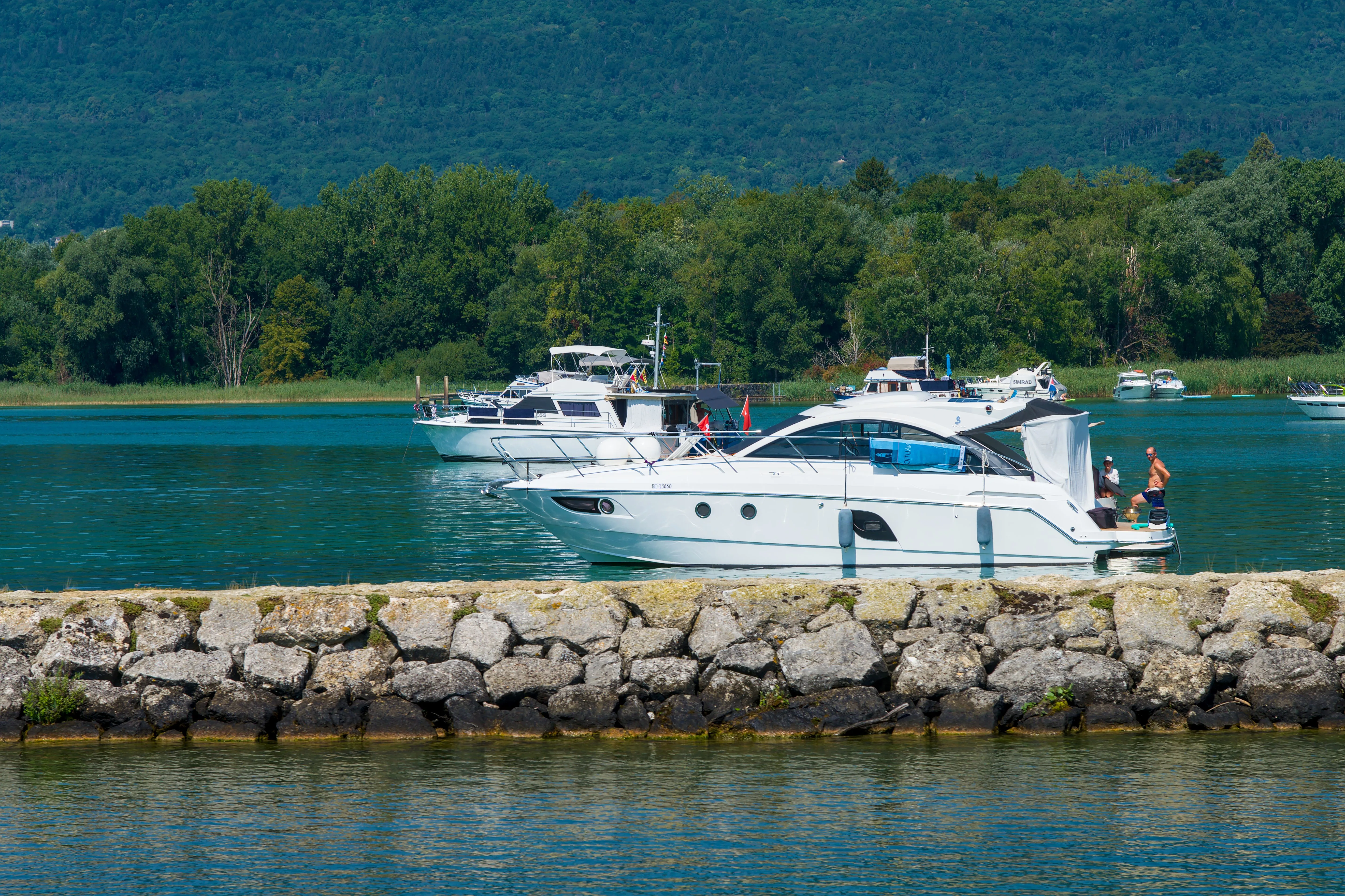
Italy is particularly good for multi-generational travel because it offers so many different experiences within a relatively manageable journey. A family might divide one day naturally.
Grandparents may prefer a slower cultural morning. Teenagers may want shopping or a different activity.
Parents may take younger children somewhere else. Then everyone can meet for lunch or dinner.
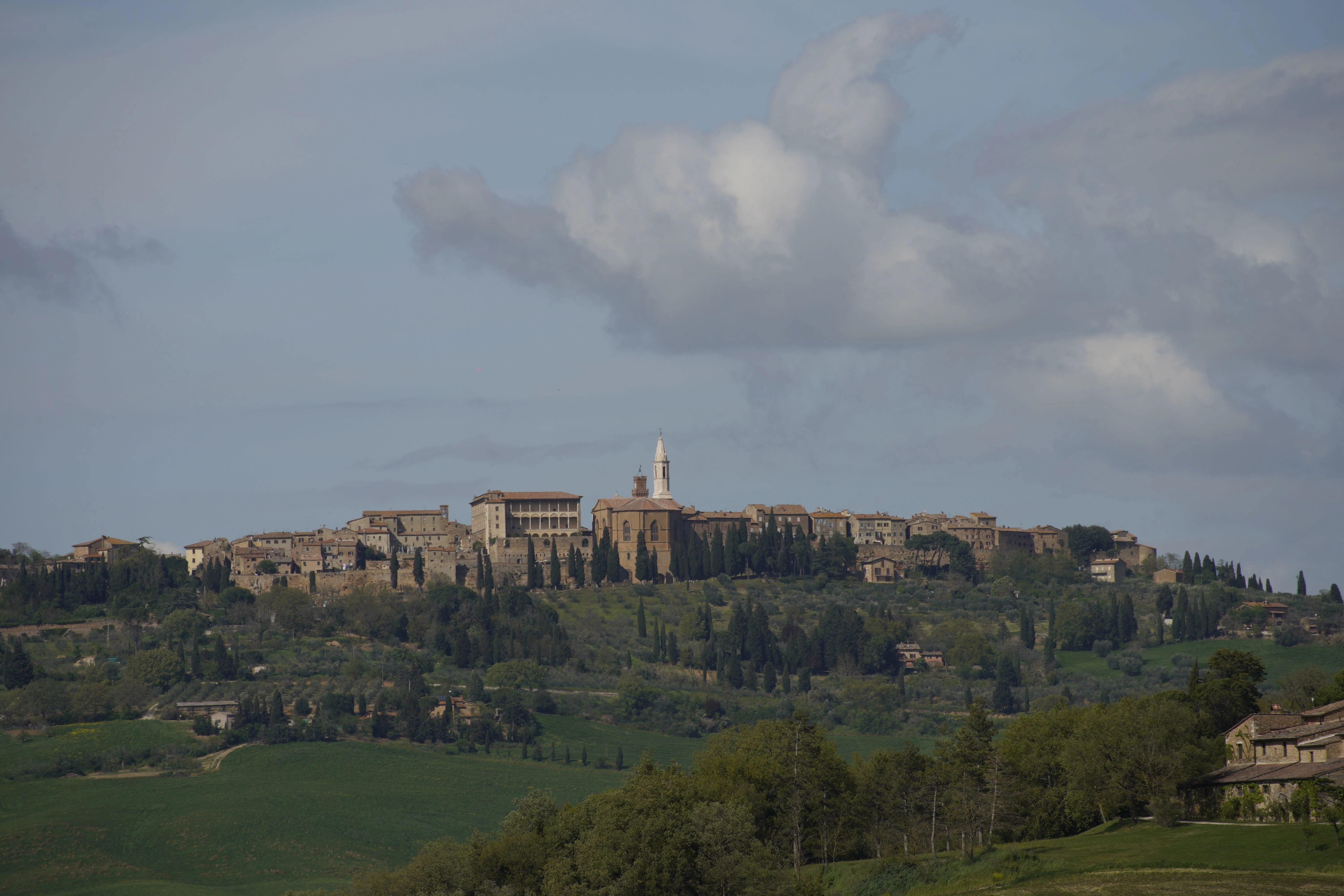
This flexibility is one reason Italy works so well. In Tuscany, for example, a family can combine: wine and food, countryside, cycling, cooking, art, historic towns, and villa life.
The trip doesn’t need to be entirely focused on sightseeing.
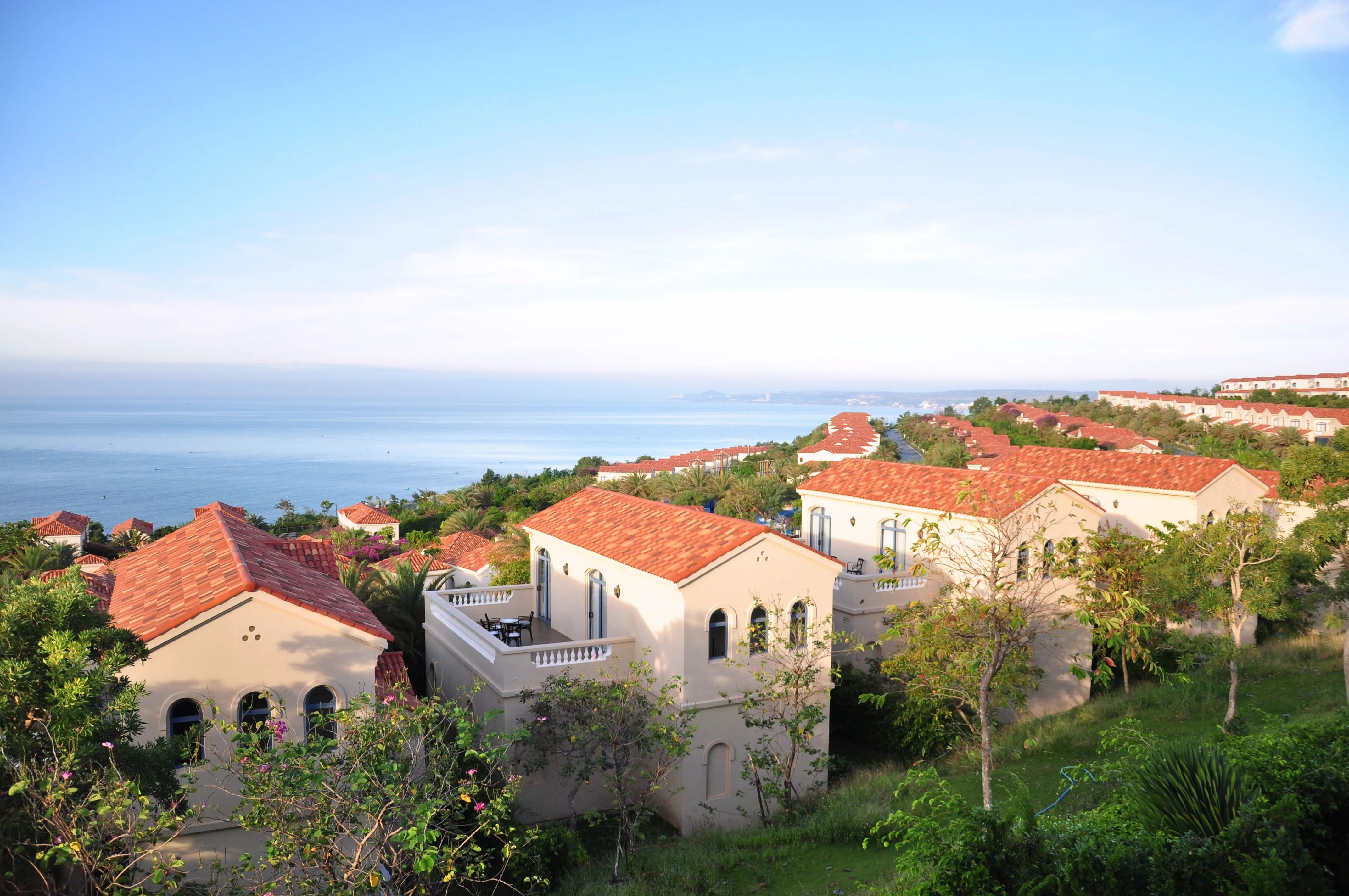
For families travelling together, a private villa can sometimes create a completely different atmosphere. Everyone has a place to gather.
There can be shared breakfasts. Long lunches.
Private dinners. Pool time.
Games. And evenings where nobody has to leave the property.
But the villa needs to be chosen carefully. A beautiful property in the wrong location can create logistical problems.
Consider: distance from the nearest town road access staffing housekeeping cooking arrangements bedroom configuration pool safety and transportation . The best villa isn’t simply the one with the most impressive photographs.
It is the one that works operationally for the family.
This may sound counterintuitive. But one of the secrets of a successful multi-generational holiday is giving people occasional opportunities to do their own thing.
Grandparents might enjoy a quiet morning at the hotel. Parents might go shopping.
Teenagers might have a supervised activity. Young children might spend time at a family-friendly resort facility.
Then everyone reunites later. Luxury is partly about having choices without creating logistical chaos .
A good itinerary makes those choices easy.
Dining is another area where multi-generational travel needs thought. A restaurant that is perfect for a couple may not work for three generations.
Consider: meal timing children’s preferences dietary requirements restaurant atmosphere walking distance and whether everyone can comfortably sit together . Private dining can occasionally be an excellent solution.
A family can experience regional cuisine without worrying about disturbing other diners or adhering to someone else’s schedule. Cooking experiences can also work particularly well because they give different generations something to participate in together.
There is no single best European itinerary for every family. For a first family trip to Europe Paris + Switzerland + Italy A balanced introduction to culture, scenery, food and history.
For families who love food Italy + France Spend more time in Tuscany, Piedmont, Provence or other culinary regions. For families who want beaches Italy + Greece Combine cultural sightseeing with time by the Mediterranean.
For families who love nature Switzerland + Austria + Northern Italy Mountain landscapes, lakes and outdoor experiences. For families with teenagers Spain + Italy Culture, food, shopping, architecture and plenty of activities.
For winter travel France + Switzerland Paris followed by the Alps can create a natural progression from city to snow.
One of the biggest misconceptions is that a family holiday means everyone needs to do everything together. They don’t.
In fact, forcing everyone into the same schedule can make the trip less enjoyable. The better goal is: shared experiences + individual flexibility.
Everyone might have dinner together. But not everyone needs to visit the same museum.
Everyone might stay at the same villa. But some people can spend the morning by the pool while others go hiking.
Everyone might travel to Switzerland. But not everyone needs to take the same mountain excursion.
That is what makes a truly well-designed multi-generational itinerary different.
A family can technically visit the Louvre in the morning, Notre-Dame, Montmartre, Versailles and a Michelin-starred restaurant in one day. That doesn’t mean they should.
Luxury travel is not a competition. The objective is not to return home with the longest list of attractions.
It is to return with the best memories. Sometimes the most memorable moment will be an unplanned lunch.
A conversation on a train. A family photograph beside a lake.
A child seeing snow for the first time. A grandfather discovering a painting he remembers from childhood.
These moments need space to happen.
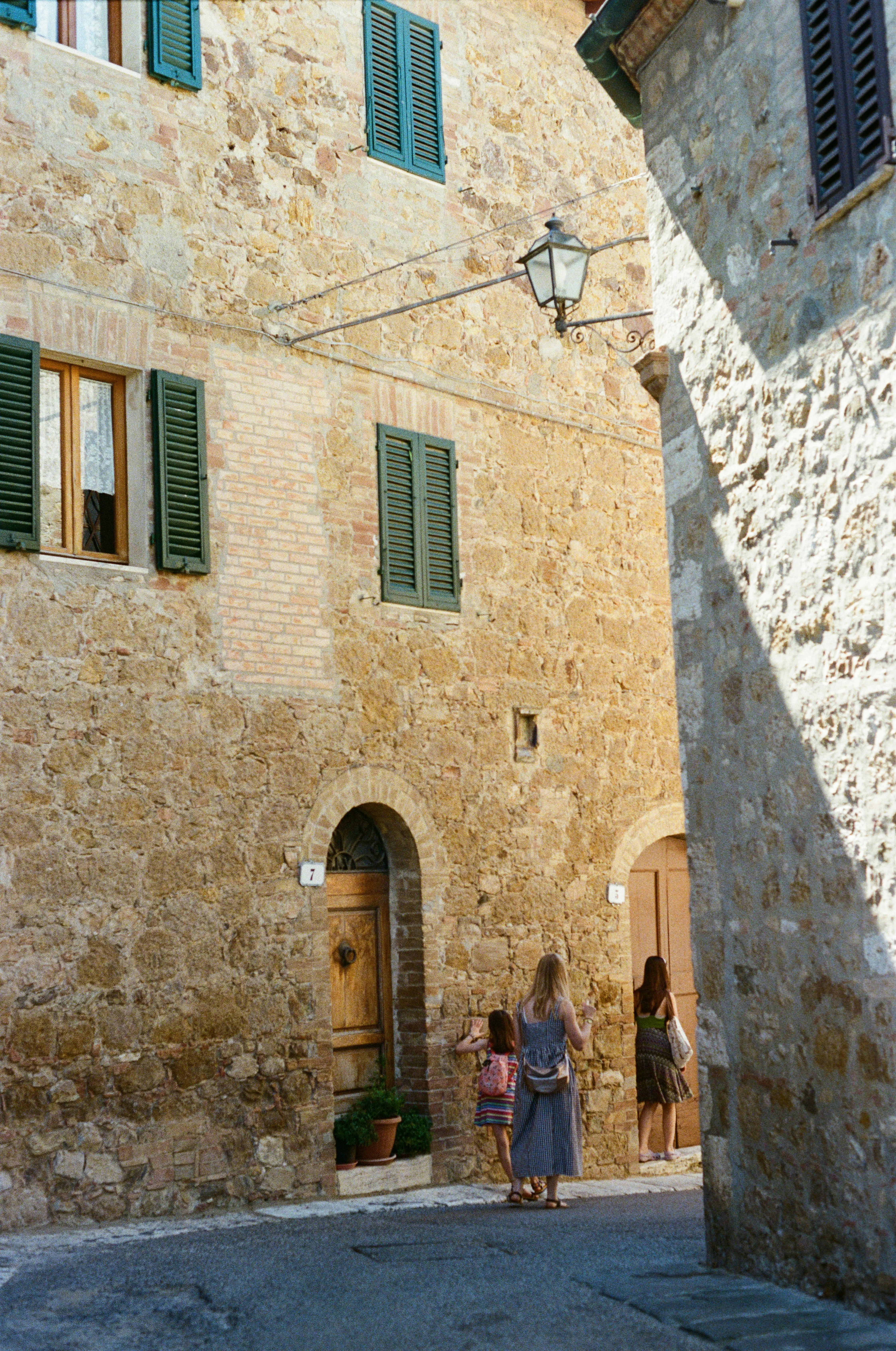
Rather than filling every day with private activities, choose a few experiences that are genuinely meaningful to the family. For example: A private Vatican or art experience.
A scenic Alpine helicopter flight. A private boat on Lake Como.
A family cooking experience in Tuscany. A private yacht day in Greece.
A countryside cycling experience. A specialist-led food tour.
A private photography session. The exact experience should depend on the family.
The principle is simple: fewer experiences, better chosen.
Families are unpredictable. Someone may become tired.
A flight may be delayed. Weather may change.
A child may suddenly refuse to walk another kilometre. A grandparent may prefer to skip an excursion.
A good luxury itinerary should have enough flexibility to absorb these changes. This is one of the less visible benefits of experienced travel planning.
The traveller should not have to solve the problem while on holiday. The itinerary should have enough room to adapt.
The first European family trip often includes the classics. Paris.
Switzerland. Italy.
And there is nothing wrong with that. But once the family has experienced them together, the possibilities become much wider.
A second journey might explore: Scandinavia Portugal Spain Croatia Slovenia Austria Greece or the quieter regions of France and Italy. The family already knows how it travels together.
That makes it possible to build a more ambitious and personalised journey.
I would reduce it to six things. 1.
The right pace Enough activity to keep the trip interesting, but enough downtime to make it enjoyable. 2.
The right accommodation Room configurations and properties that genuinely work for the group. 3.
Seamless transportation Minimal unnecessary transfers and a transport strategy suited to the family. 4.
Private expertise Guides and specialists who can adapt to different ages and interests. 5.
Flexibility Enough breathing room to change plans when necessary. 6.
A reason to travel together The strongest family journeys usually have something at their centre. A milestone birthday.
An anniversary. A graduation.
A family reunion. Or simply the desire to spend meaningful time together.
For a family travelling to Europe for approximately two weeks, one possible structure could be: Days 1–4: Paris Culture, food, private guiding and relaxed exploration. Days 5–8: Switzerland Mountains, lakes, scenic journeys and time to slow down.
Days 9–14: Italy Lake Como followed by Tuscany or Florence, depending on the family’s interests. This is not a package itinerary.
It is simply an example of how three very different European experiences can be connected without making the journey feel rushed. For another family, the same 14 days could look completely different.
And that is precisely the point.
The most successful parts of a luxury family holiday may be the things nobody notices. The car that is waiting when you arrive.
The room that has been arranged correctly. The guide who knows when the children have had enough.
The restaurant that understands the family’s dietary requirements. The hotel that already knows which grandparents need quieter rooms.
The transfer that takes you directly to the next property instead of requiring multiple changes. When everything works, nobody thinks about the logistics.
They simply enjoy the holiday. That is the goal.
A multi-generational European holiday is ultimately about something hotels and private experiences cannot manufacture. Time together.
Grandparents seeing their grandchildren experience another culture. Parents sharing places they love with their children.
Teenagers discovering that travel can be more interesting than a screen. Families sitting around a table in another country and realising that the destination has become part of their shared history.
That is why a luxury family Europe trip should never be designed simply around the most famous sights. It should be designed around the people who will remember it.
Europe has enough variety to make that possible. The art is in choosing the right places, the right pace and the right experiences and leaving enough space for the family to enjoy them together.
Amisha Shetth is the Founder and Chief Experiential Officer at Bliss Travels, a luxury and bespoke travel company specializing in personalized international journeys. Her approach focuses on creating seamless, experience-led holidays that reflect the interests, pace and dynamics of each family.