Europe is one of the easiest continents to over-plan. For Indian travellers with the budget for a luxury holiday, the challenge is rarely finding beautiful destinations. The real challenge is deciding which destinations belong together, how long to stay, when to travel, how to move between them, and where luxury actually adds value.
A luxury Europe trip should not simply be a longer version of a conventional Europe tour. It should be designed around the traveller: the purpose of the journey, preferred pace, interests, privacy, dining preferences, family structure and the experiences that matter most.
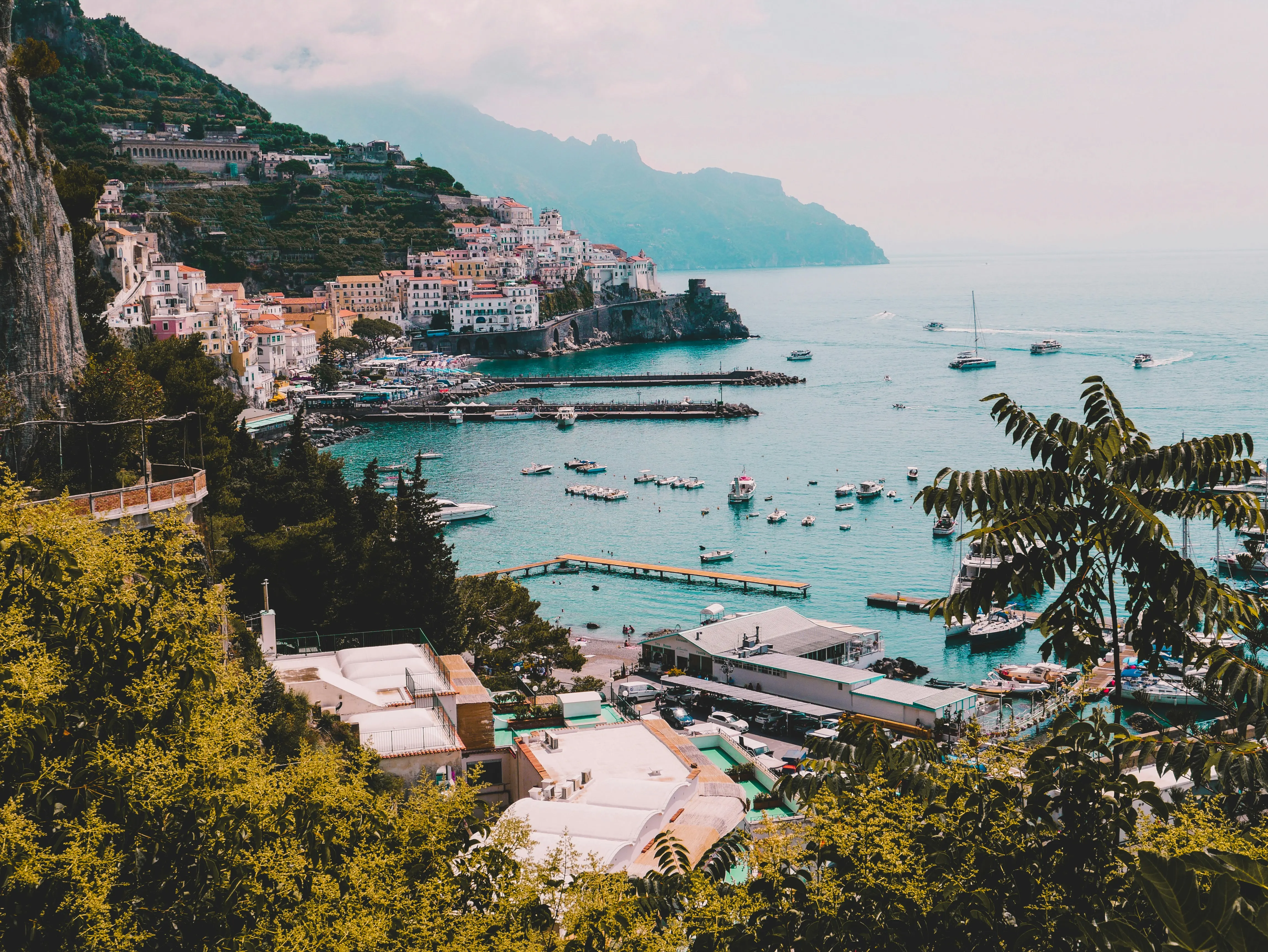
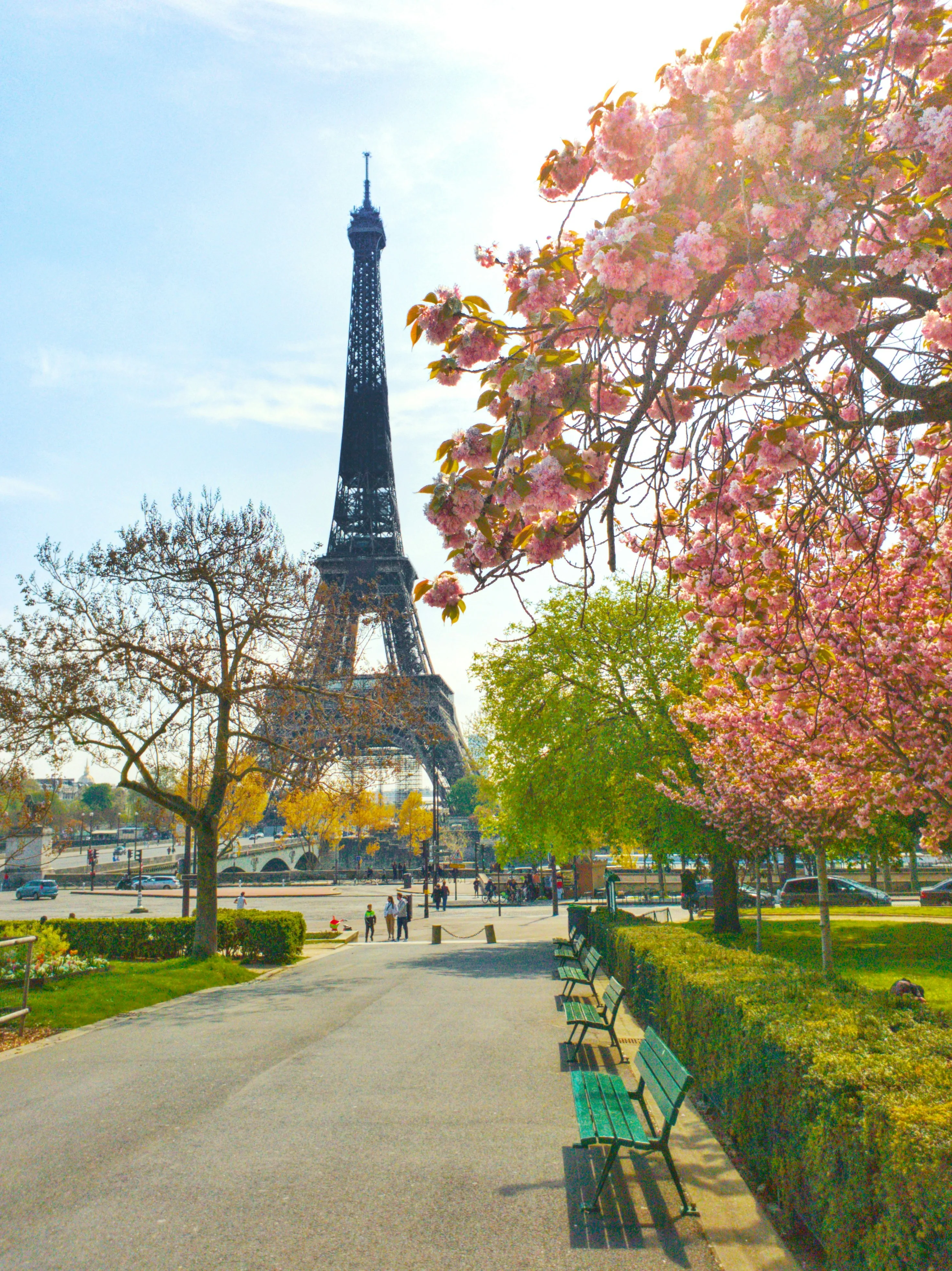
For a couple, that might mean Paris, Provence and the Amalfi Coast. For a family, it could mean Switzerland combined with Northern Italy. A multi-generational group may benefit from fewer hotel changes, private transfers and a slower itinerary. For a honeymoon, secluded resorts and memorable experiences may matter more than ticking off famous landmarks.
This guide explains how Indian travellers can approach the planning of a genuinely bespoke luxury Europe journey.
1. Start With the Traveller, Not the Countries
The first question should not be: “Which European countries should we visit?” It should be: “What do we want this holiday to feel like?” That distinction changes the entire itinerary.
For couples
A couple may prioritise:
- Romantic hotels and private villas
- Fine dining and wine experiences
- Art, fashion and architecture
- Scenic rail journeys
- Private boat excursions
- Wellness and relaxation
- Special experiences for anniversaries or honeymoons
A Paris–Provence–French Riviera journey therefore creates a very different experience from Paris–Switzerland–Italy, even though both are luxury European holidays.
For families
Families often need a different balance:
- Larger rooms or connecting rooms
- Convenient hotel locations
- Shorter transfer times
- Private guides who engage children
- Activities suitable for different age groups
- Flexible meal arrangements
- Time without scheduled sightseeing
A luxury family itinerary should not mean arranging private versions of standard tourist circuits. It means choosing destinations where family-friendly luxury properties, outdoor activities and comfortable pacing come naturally together.
For multi-generational families
When grandparents, parents and children travel together, the design of the trip changes fundamentally. Key priorities include:
- Properties with multiple bedrooms, apartments or private villas
- Accessible ground transport and minimal luggage handling
- A slower pace with two or three nights minimum per base
- Destinations with gentle sightseeing options
- Private dining arrangements and flexible culinary options
2. Decide How Many Days You Actually Have
The length of the holiday should determine the geographical scope. One of the most common mistakes in European holiday planning is trying to cover three or four countries in ten days.
7–10 days: Focus on 1–2 regions at most. Examples include Paris + French Riviera, Switzerland, Rome + Florence + Tuscany, Barcelona + Mallorca, or Vienna + Salzburg.
12–14 days: Substantial multi-region journey. Examples: Paris → Switzerland → Northern Italy, Rome → Florence → Tuscany → Amalfi Coast, or Paris → Provence → French Riviera.
18–21+ days: Maximum flexibility. Combine cities, countryside, mountains and coast without constantly moving hotels (e.g., Paris → Swiss Alps → Italian Lakes → Amalfi Coast).
3. Choose Destinations That Complement Each Other
Europe works particularly well for luxury travel because different experiences can be combined relatively easily. A well-designed itinerary balances contrasting landscapes and rhythms:
- City + Countryside: Paris + Provence, or Florence + Tuscan Hills
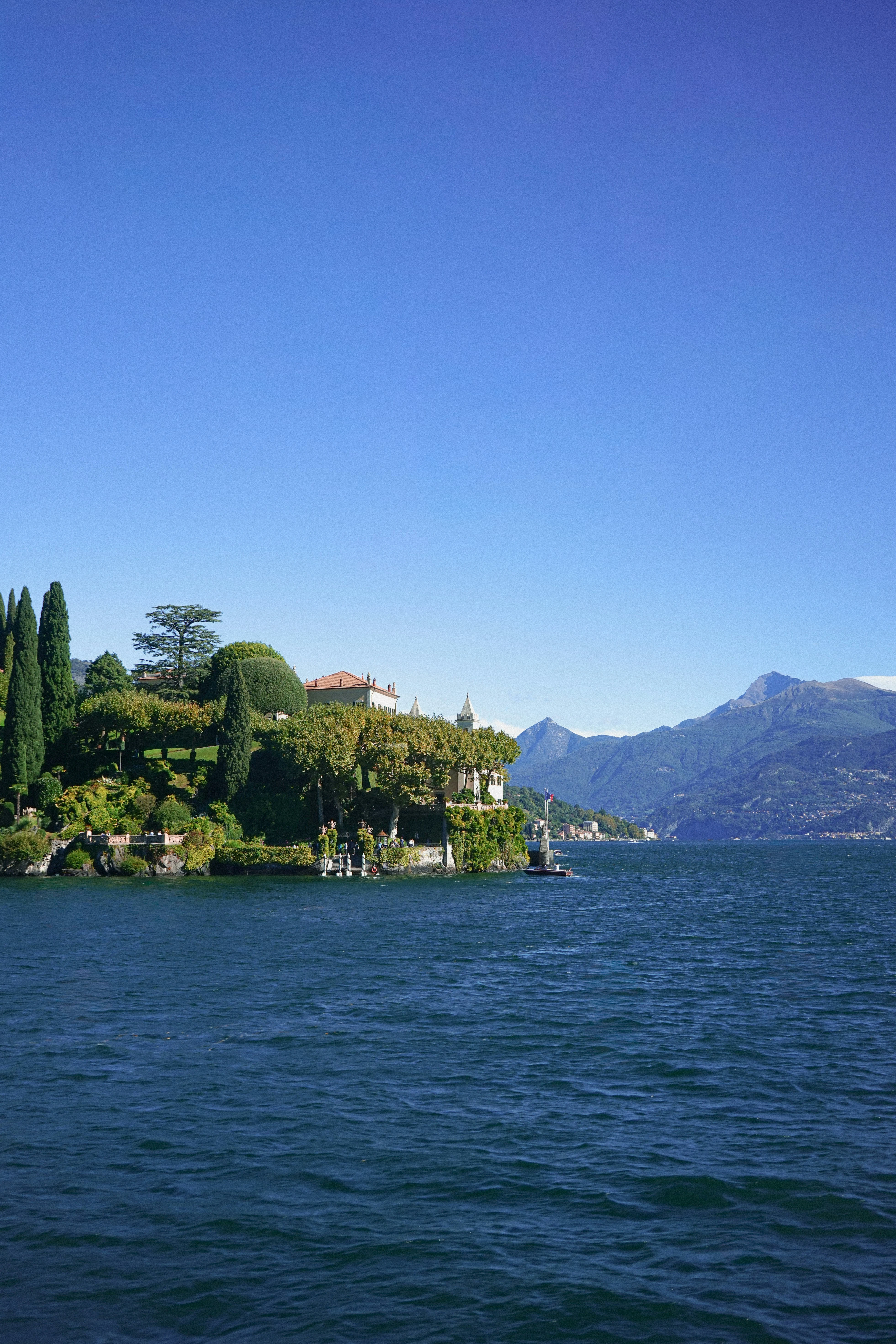
- Mountains + Lakes: Swiss Alps + Lake Como, or Dolomites + Lake Garda
- Culture + Coast: Rome + Amalfi Coast, or Athens + Cycladic Islands
- Wine Country + Coast: Bordeaux + French Riviera, or Tuscany + Portofino
4. Do Not Treat Europe as a Collection of Capitals
One of the biggest differences between a conventional European tour and a luxury journey is the use of regions beyond the major cities. While London, Paris and Rome are extraordinary, true luxury travel often unfolds in the European countryside:
- Private châteaux in the Loire Valley
- Restored masserias in Puglia
- Alpine chalets in Zermatt or St. Moritz
- Historic estates in Tuscany or Umbria
- Boutique wine lodges in the Douro Valley or Rioja

5. Build the Journey Around Experiences
A luxury hotel alone does not automatically make a trip luxurious. The defining memory of a journey is usually what you did while you were there:
- After-hours private access to museums and historic landmarks
- Private truffle hunting in Piedmont or Tuscany with a local estate owner
- Exclusive helicopter transfers into the Swiss Alps or Dolomites
- Private Riva boat charters along Lake Como or the Amalfi Coast
- Cooking masterclasses with Michelin-starred chefs in private villa kitchens
6. Choose Hotels After the Route Is Designed
One of the most common mistakes in luxury travel planning is selecting hotels first and building the itinerary around them. While legendary properties like Villa d'Este, Le Bristol, or Bürgenstock Resort are destinations in themselves, they should fit the natural flow of your journey rather than forcing unnecessary transit.
7. Decide When to Visit Europe
Timing dramatically alters the experience of luxury travel across European destinations:
- Spring (April to June): Excellent weather, blooming landscapes, and moderate crowds. Ideal for Italy, France, Spain and the UK.
- Summer (July to August): Peak Mediterranean season, long daylight hours, and vibrant coastal life. High demand requires 6–9 months advance booking.
- Autumn (September to October): Harvest season in wine regions, comfortable temperatures, and golden landscapes. Perfect for Tuscany, Provence and Switzerland.
- Winter (December to March): Festive atmosphere, world-class skiing, and alpine winter wonderland experiences.
8. Understand the Schengen Visa Before Finalising the Itinerary
For Indian citizens travelling to the Schengen Area, visa requirements dictate specific structural rules:
- You must apply to the consulate of the country where you will spend the maximum number of nights.
- If spending equal nights across countries, you must apply to the country of first entry.
- Appointments during peak summer months (May–July) should be secured 3 to 6 months in advance.
9. Use Trains Where They Improve the Journey
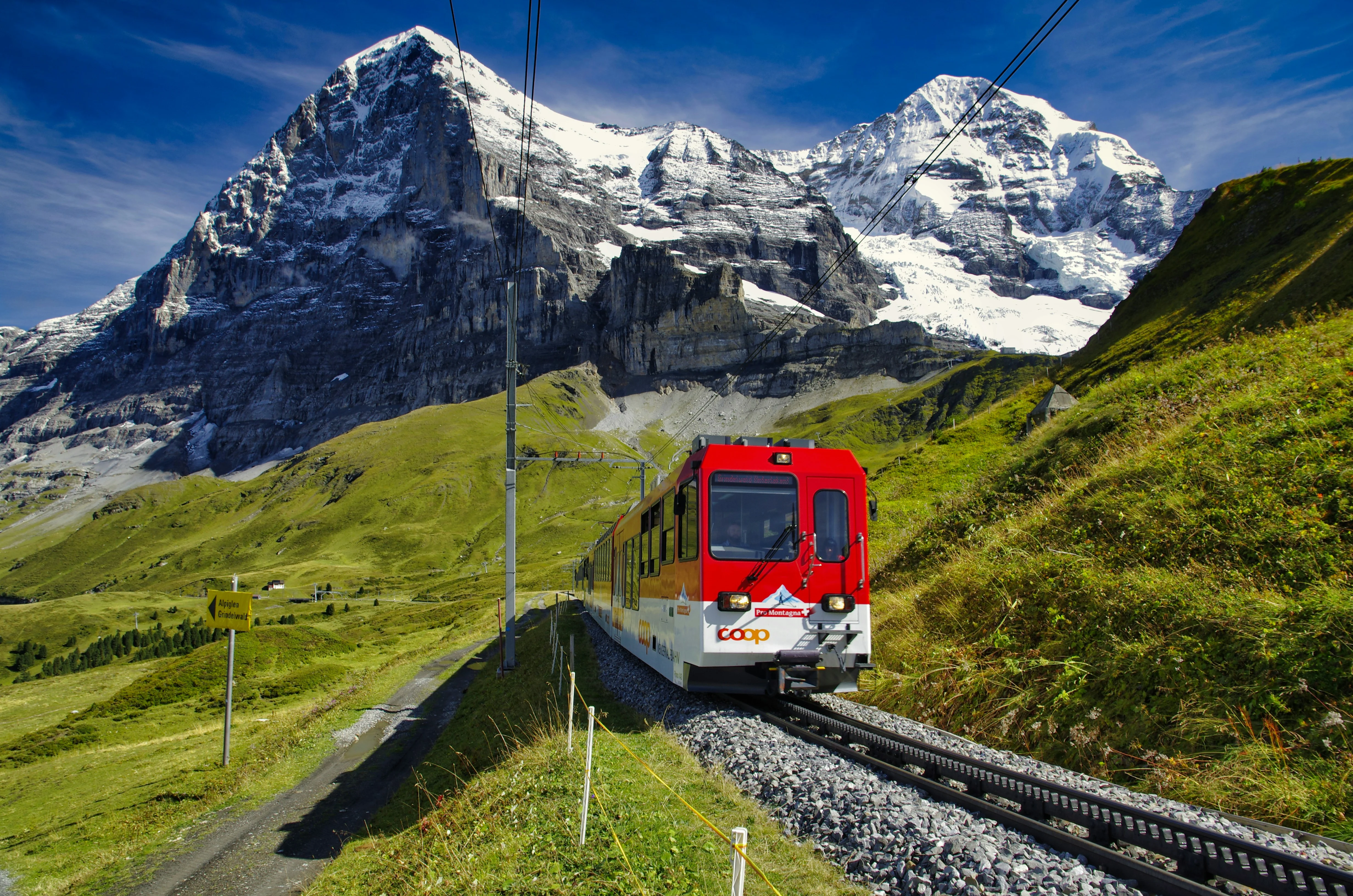
Luxury travel does not always mean flying or driving everywhere. In Europe, high-speed and scenic trains often offer greater comfort, downtown-to-downtown convenience, and spectacular vistas:
- Glacier Express & Bernina Express: Panoramic luxury rail journeys across Switzerland.
- Frecciarossa Executive Class: Connecting Milan, Florence, Rome and Venice effortlessly.
- Eurostar Premier: Seamless city-centre transit between London and Paris.
10. Know When Private Transfers Are Worth It
Private transfers deliver the highest value during airport arrivals, remote countryside travel (such as the Tuscan hills or Provence lavender routes), and scenic coastal drives like the Amalfi Coast, where navigating unfamiliar roads or public transport adds unnecessary friction.
11. Plan Around Indian Traveller Preferences
A genuinely bespoke Europe journey takes into account the nuances of how Indian families travel:
- Dietary Considerations: Curating properties and private chefs that cater seamlessly to vegetarian, Jain, or specific Indian dietary preferences.
- Room Configurations: Ensuring interconnected suites, private villas, or guaranteed adjacent rooms.
- Bespoke Pacing: Avoiding rushed early-morning check-outs and balancing cultural tours with leisure and shopping.

12. Leave Space in the Itinerary
The hallmark of true luxury is not packing every hour with activities. Leaving unstructured afternoons allows you to linger over a lakeside lunch, stroll unhurried through historic quarters, or simply relax at your hotel spa without looking at the clock.
13. Budgeting for a Luxury Europe Trip from India
A luxury Europe journey involves several key investment tiers depending on season, accommodation category, private transport, and bespoke access. For high-net-worth travellers, luxury journeys typically start from ₹5 lakh to ₹15+ lakh per person for comprehensive bespoke arrangements with five-star luxury suites, private aviation or executive transfers, and curated private touring.
14. A Practical Planning Timeline
6–9 Months Before: Define itinerary framework, secure top luxury suites and private villas, establish route logistics.
4–6 Months Before: Book long-haul premium flights, initiate Schengen visa appointment scheduling, confirm private rail/transfer bookings.
2–3 Months Before: Reserve Michelin-starred dining, private museum slots, yacht charters, and local specialist guides.
2–4 Weeks Before: Finalize concierge preferences, transfer timings, luggage handling, and bespoke on-ground details.
15. Three Examples of Well-Designed Luxury Europe Journeys
Example 1: Classic Elegance (France & Switzerland - 12 Days)
Paris (4 Nights) → High-Speed TGV to Geneva/Montreux (2 Nights) → Glacier Express to Zermatt (3 Nights) → Zurich (3 Nights).
Example 2: The Italian Grand Tour (14 Days)
Rome (3 Nights) → Private Driver to Tuscan Estate (4 Nights) → Florence (2 Nights) → Lake Como (3 Nights) → Milan (2 Nights).
Example 3: Mediterranean Glamour (10 Days)
French Riviera / Monaco (4 Nights) → Private Helicopter / Flight to Amalfi Coast (4 Nights) → Capri (2 Nights).