
CALL US ON
+91 91523 09966
CALL US ON
+91 91523 09966
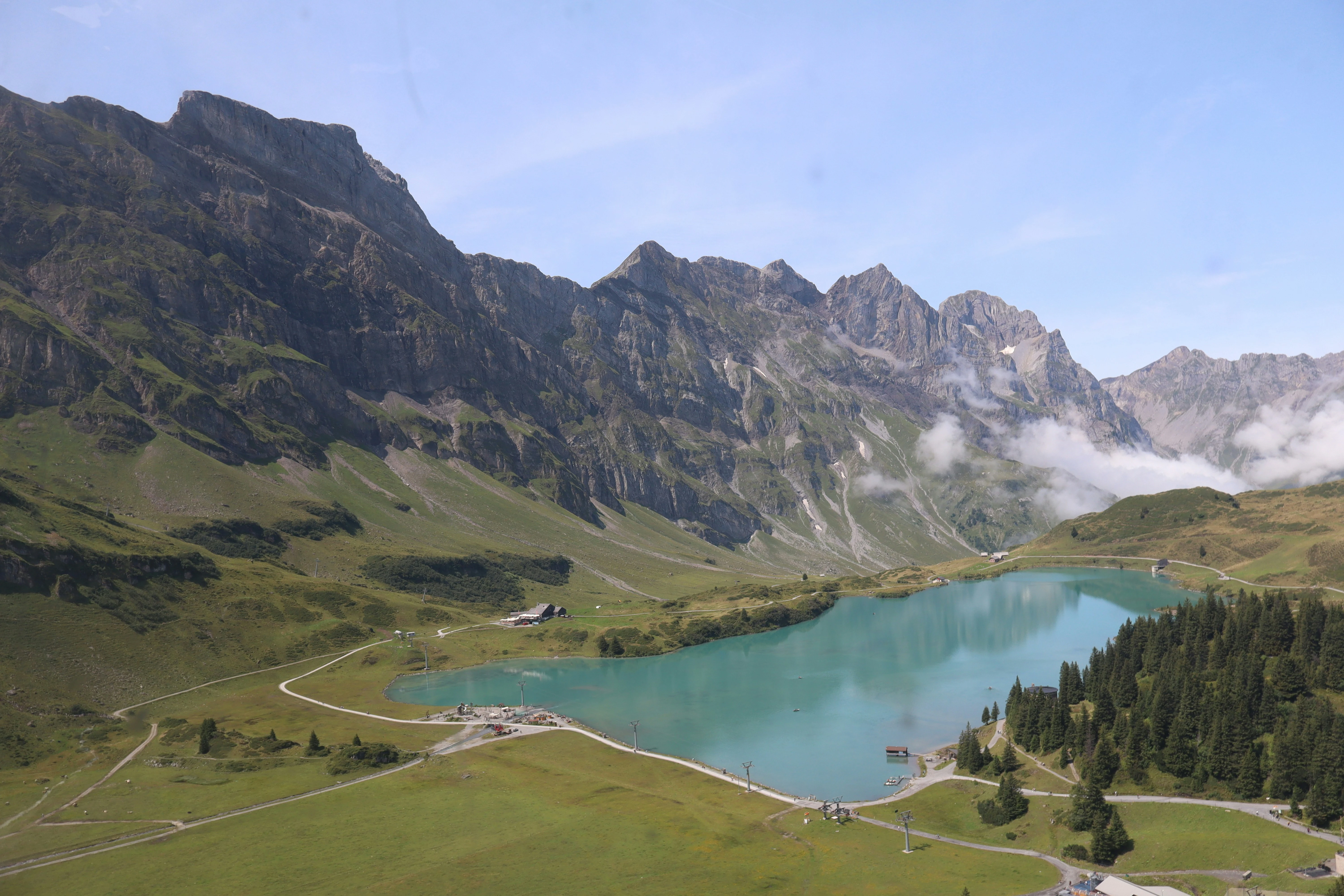
By Amisha Shetth
A luxury Europe trip can look deceptively simple on a map. Paris to Switzerland.
Switzerland to Italy. Italy to Greece.
The distances seem manageable, the trains are fast, flights are frequent and there is an enormous choice of hotels. Yet some of the most complicated luxury holidays to plan are multi-country European journeys.
The challenge isn’t deciding which countries are beautiful. It is deciding how many belong in the same trip, in what order, for how long, and how the journey should move between them .
For Indian travellers, particularly families, couples and multi-generational groups travelling in comfort, Europe rewards a slower and more deliberate approach. The objective shouldn’t be to see as much of Europe as possible.
It should be to create a journey in which every destination adds something different.
The first question I would ask is not: “Which European countries do you want to visit?” It is: “What do you want this holiday to feel like?” A family might want a combination of culture, food, scenic landscapes and time by the sea. A couple might prefer art, gastronomy, beautiful hotels and a few completely private experiences.
A multi-generational family may need a slower pace, excellent hotels, easy transfers and enough flexibility for different members of the group to do different things. Someone travelling to Europe for the first time may want the classics.
A seasoned traveller may be more interested in places that feel less familiar. Once the purpose of the journey is clear, choosing the countries becomes considerably easier.
There is no universal answer. But there is a useful principle: The number of countries should be determined by the amount of time you have, not the other way around.
For approximately 10 days, two countries can be enough. For around two weeks, three countries can work beautifully when the geography and transport connections make sense.
With three weeks or more, four countries can become realistic, particularly when some stops are shorter and the journey has been designed around efficient rail or private transfers. The temptation is to add another destination whenever you see that it is “only two hours away.” That is how a relaxing holiday becomes a sequence of check-ins and check-outs.
A luxury itinerary should leave room for the destination itself.
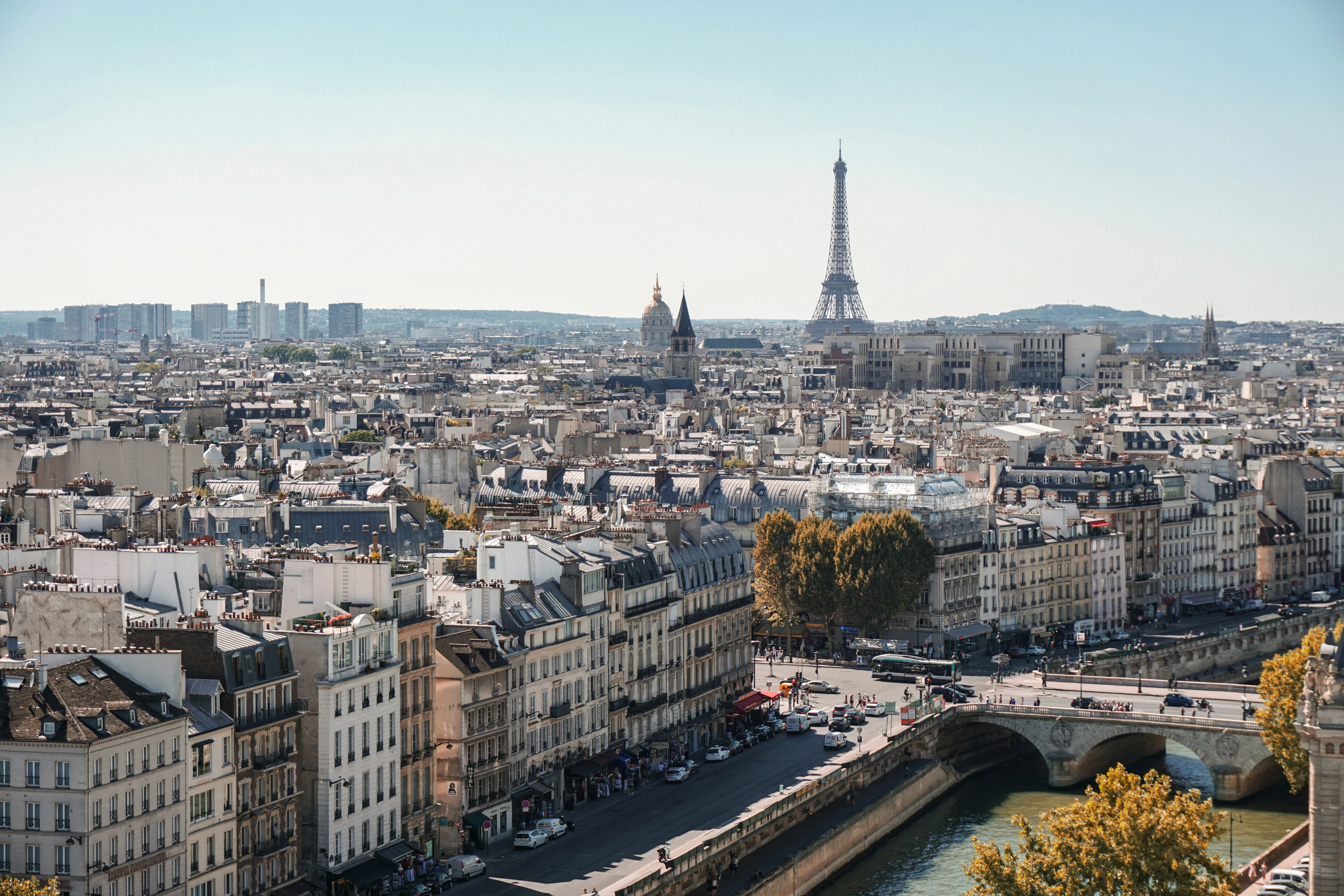
Europe is easier to plan when you stop looking at political borders and start looking at natural travel corridors . For example: France + Switzerland + Italy This can create a beautiful progression from cities and culture to Alpine scenery and Italian food.
France + Spain + Portugal A strong combination for architecture, gastronomy, wine, history and the Mediterranean. Italy + Switzerland + Austria Particularly attractive for travellers who want mountains, lakes, elegant cities and scenic rail journeys.
Greece + Italy A natural pairing when the goal is culture followed by Mediterranean relaxation. Scandinavia Denmark, Norway, Sweden and Finland can work particularly well for travellers interested in design, nature, winter experiences and the Northern Lights.
The best combinations aren’t necessarily the ones with the most countries. They are the ones where the journey between countries feels natural .
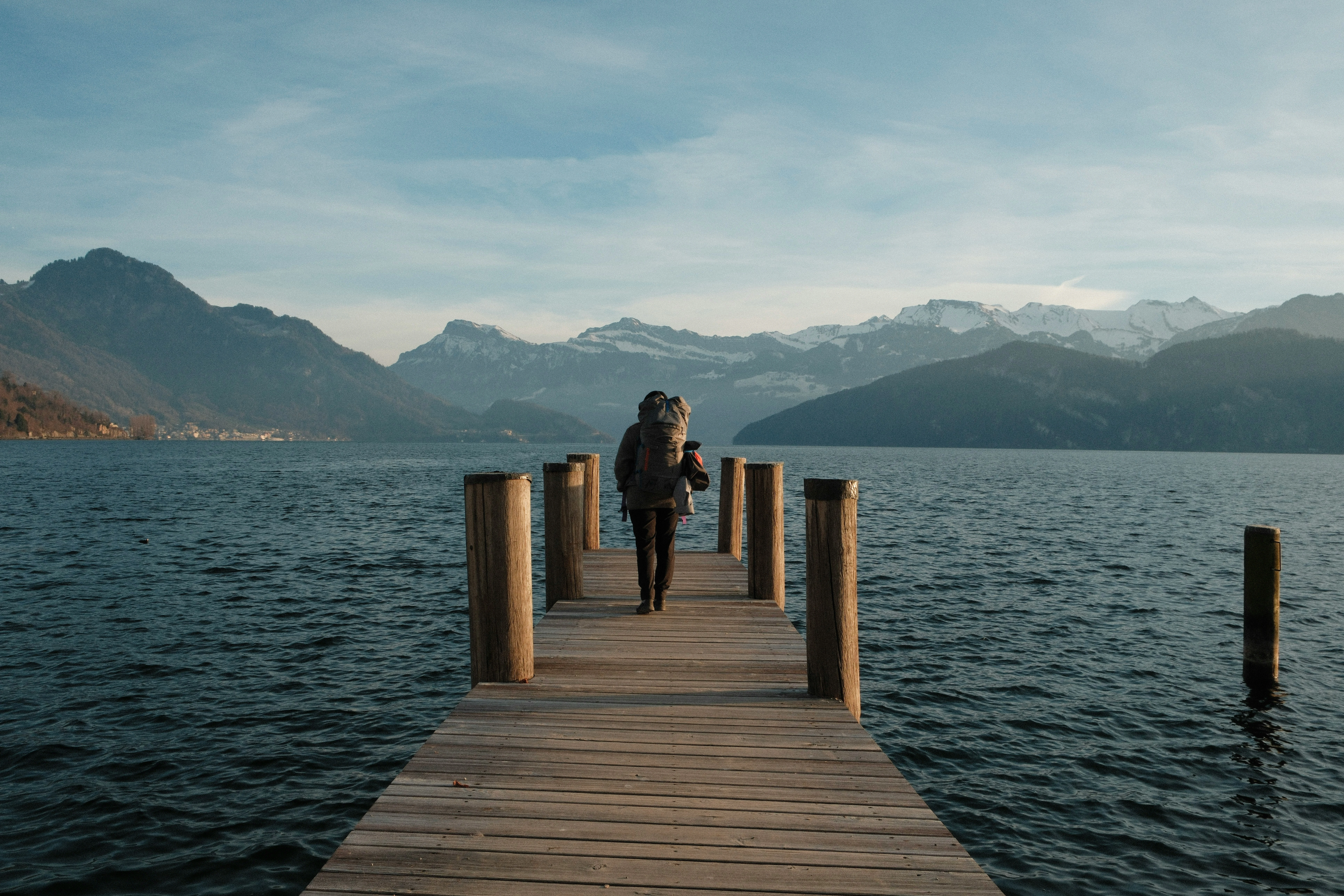
A common mistake is to plan Europe as a collection of independent holidays. For example: London → Rome → Paris → Athens → Zurich.
It may look exciting on paper. But the route isn’t necessarily elegant.
Instead, look at the map and ask: Where can we move efficiently? Rail can be particularly valuable across parts of Western and Central Europe.
A journey such as: Paris → Switzerland → Milan → Florence can feel like one continuous European journey rather than four separate trips. The landscape changes gradually.
The architecture changes. The cuisine changes.
And the mode of transport itself becomes part of the experience.
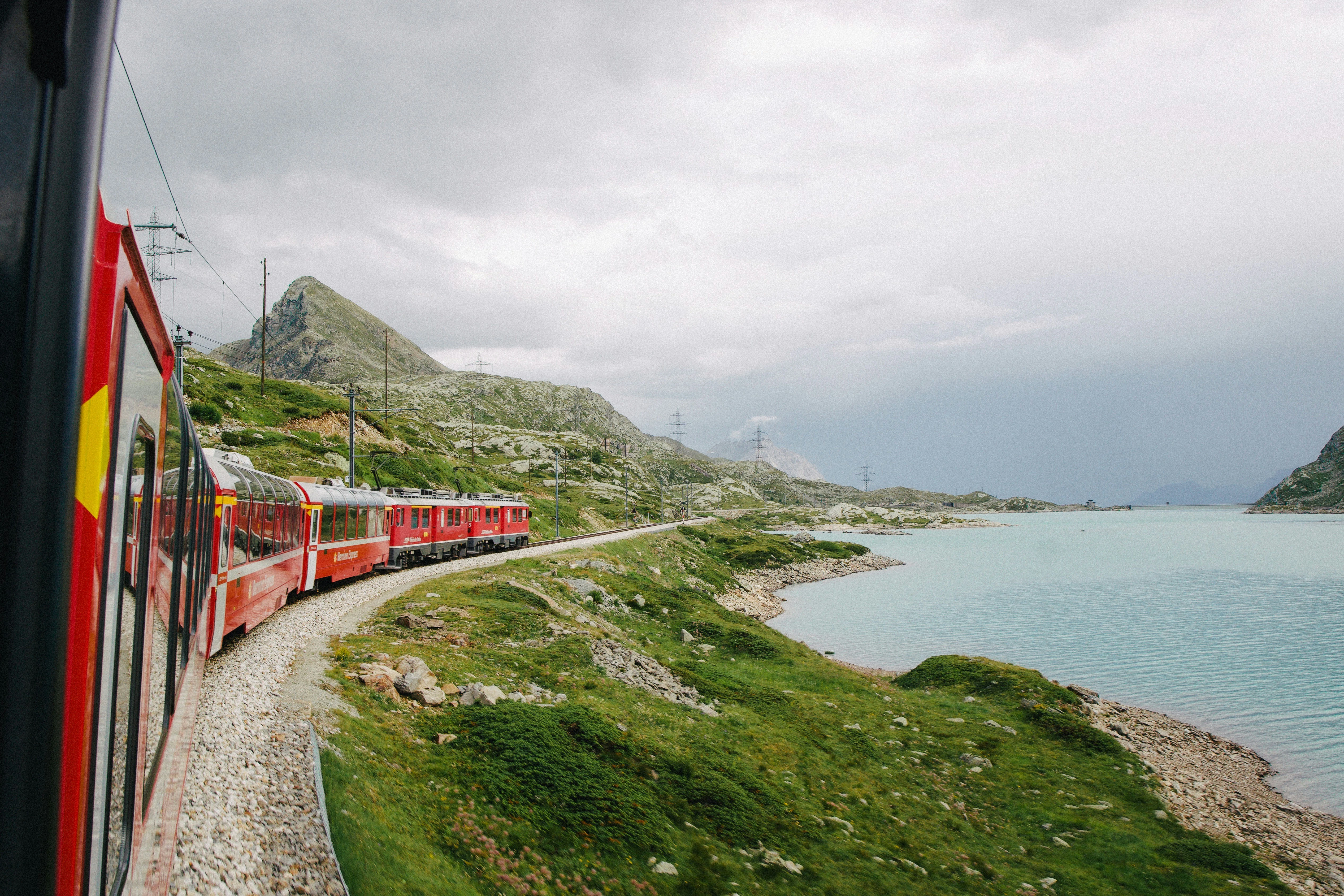
One of the great advantages of luxury European travel is that transportation can become part of the holiday. A private transfer may make sense for a family with luggage.
A first-class train may be the better choice between two major cities. A scenic rail route may be worth taking even when flying would technically be faster.
And for certain destinations, a private aircraft or helicopter transfer can make sense when time is particularly valuable. The right question isn’t: “What is the fastest way to get there?” It is: “What is the most comfortable and appropriate way to move this particular group?” A family of eight with children and multiple pieces of luggage may value a private transfer enormously.
A couple travelling light between Paris and Switzerland may enjoy the train. Luxury transportation is about removing friction, not simply spending more.
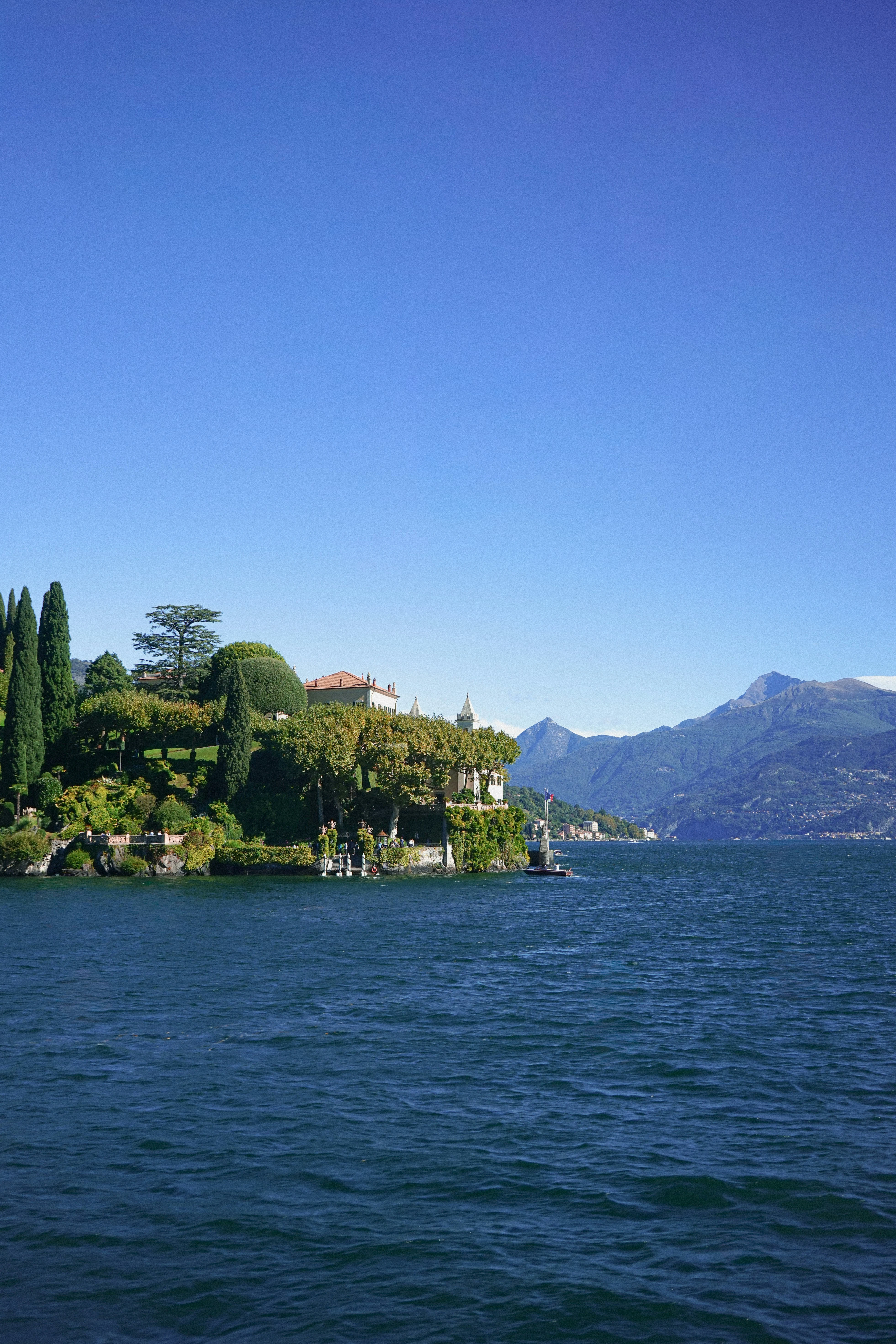
Another mistake is choosing the same type of hotel everywhere. Europe becomes more interesting when the accommodation reflects where you are.
In Paris, you might choose a refined city hotel where location and service are paramount. In Switzerland, an Alpine resort can become part of the experience.
In Tuscany, a countryside estate or historic property may make more sense. On the Amalfi Coast, the setting can matter as much as the room.
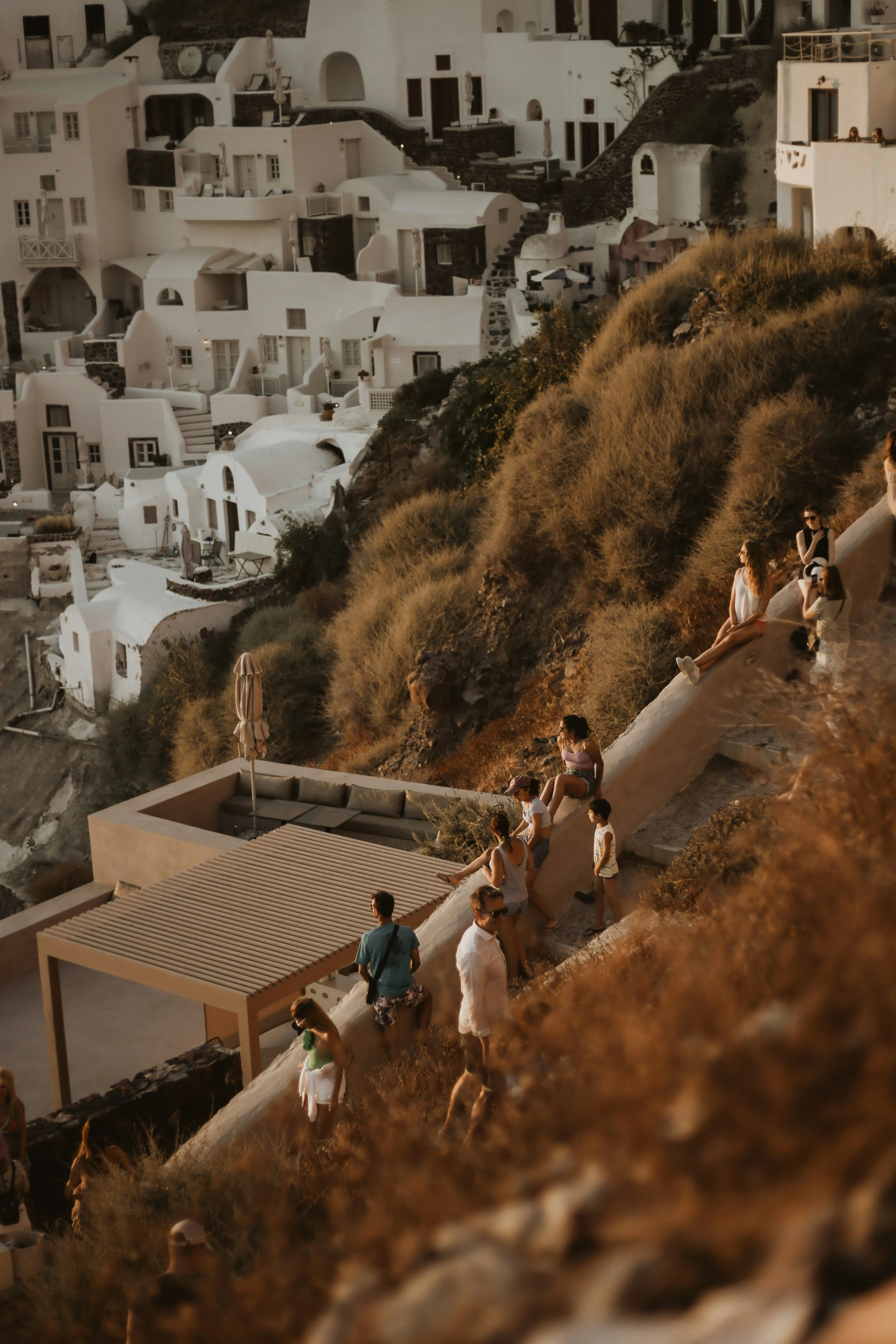
In Greece, a private villa may be preferable for a family or group. The best hotel is therefore not necessarily the hotel with the highest rating.
It is the property that makes sense for that particular part of the journey .
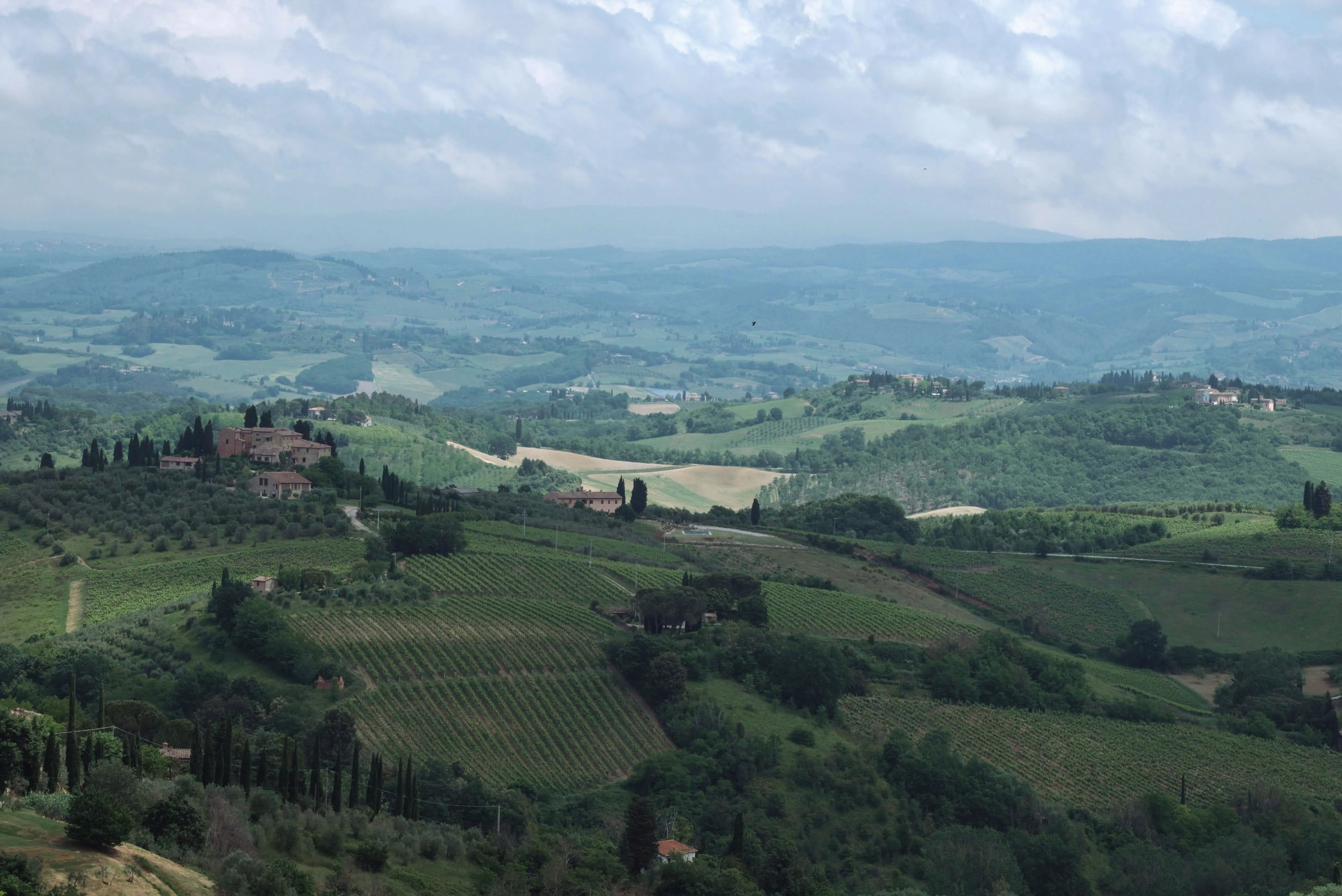
Not every destination deserves the same number of nights. Paris may justify several nights because there is an enormous amount to experience.
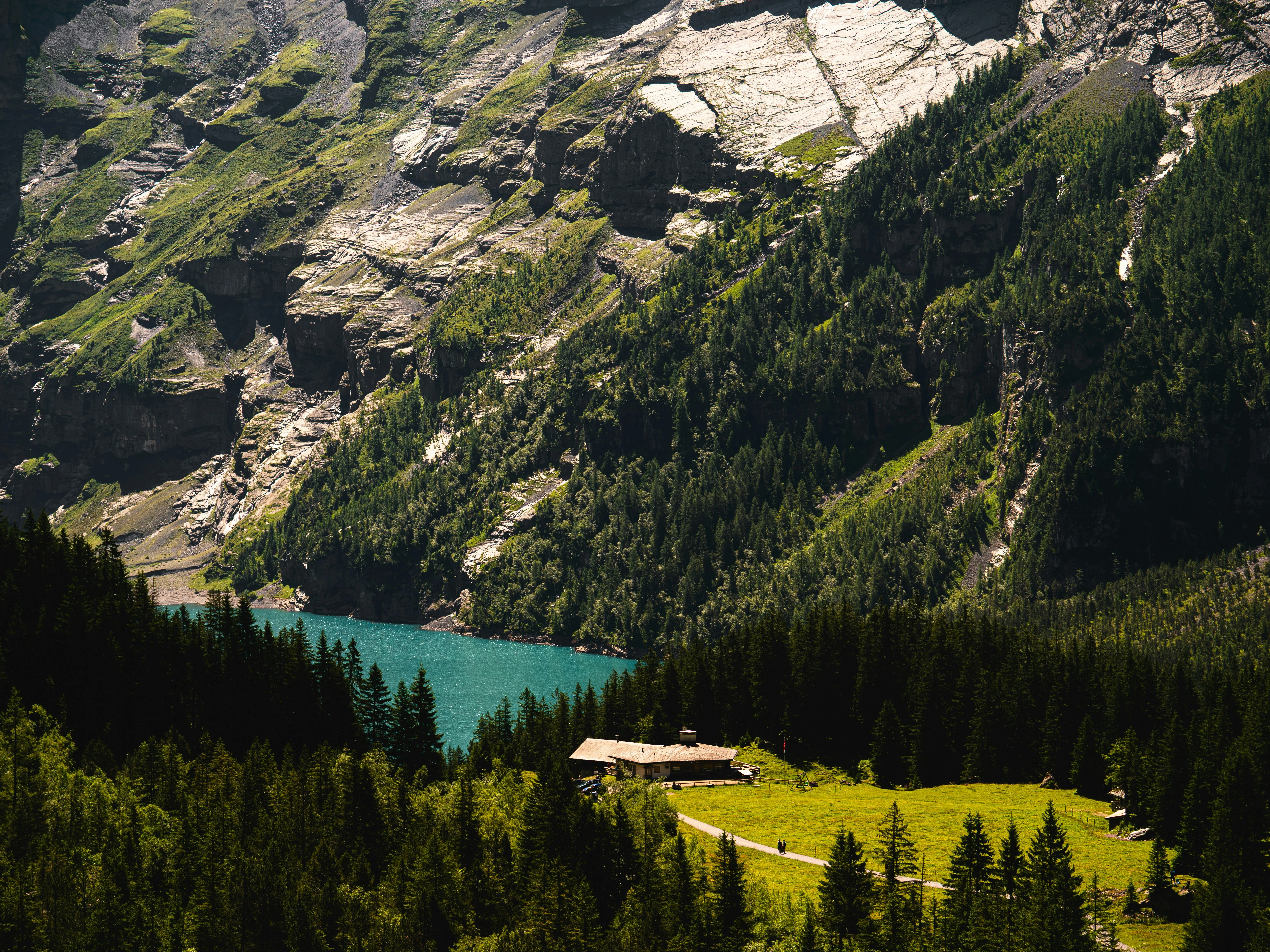
A smaller Alpine destination may be about the landscape rather than an extensive sightseeing list. A Greek island may be best experienced through unstructured days.
This is one of the differences between conventional touring and luxury travel. A conventional itinerary asks: “What can we see?” A luxury itinerary asks: “How should we spend our time here?” Those are very different questions.
Luxury does not necessarily mean turning every activity into a VIP version. Private experiences work best when they provide something the traveller could not easily recreate alone.
In Europe, that might mean: A private art expert in Florence. An after-hours cultural experience.
A private cooking session in Tuscany. A specialist wine experience in France.
A private boat day in Greece. A local guide taking the family through a lesser-known neighbourhood.
A scenic helicopter flight over the Alps. A private yacht between Mediterranean islands.
The objective is not exclusivity for its own sake. It is depth and access .
A three-generation European holiday can be extraordinary. It can also become exhausting if the itinerary assumes that everyone wants the same thing.
Grandparents may want history and beautiful restaurants. Parents may want shopping and culture.
Teenagers may want adventure and freedom. Young children may need downtime.
The solution isn’t necessarily to separate the family. It is to create enough flexibility within the itinerary.
A private guide can take one group to a museum while another explores the city. A villa can provide privacy and shared space.
A resort can allow some family members to relax while others participate in activities. And importantly, not every day needs to be a sightseeing day .
Europe is one of the world’s great culinary regions. Yet food is often treated as something to fit around sightseeing.
For a luxury journey, it can work the other way around. Italy could be designed around regional cuisine.
France around wine and gastronomy. Spain around markets, tapas and Michelin-starred dining.
Portugal around seafood and wine. Switzerland around mountain cuisine and fine dining.
Greece around island produce, seafood and local traditions. The most memorable meals are not always the most expensive.
Sometimes the most meaningful experience is a small producer, a family-run restaurant or a private meal with someone who knows the region intimately.
Europe can transform depending on when you visit. Summer brings long days, Mediterranean beaches and lively cities.
Spring can offer gardens, mild temperatures and seasonal landscapes. Autumn brings vineyards, changing colours and a different rhythm.
Winter changes the equation completely, particularly in the Alps and northern Europe. For travellers with flexibility, the shoulder seasons can be particularly attractive.
They can provide a more relaxed experience while still offering excellent hotels and experiences. The ideal month should therefore be determined by what you want to do , not simply by when everyone else travels.
For Indian travellers, Europe planning should start with practical logistics rather than leaving them until the end. The route needs to be compatible with the traveller’s visa situation.
Flight connections should make sense. Arrival and departure cities should be chosen strategically.
Internal transport should account for luggage and group size. And travel time between destinations needs to be realistic.
These details are rarely exciting. But they are often what separates a smooth luxury journey from an exhausting one.
There is no single “best Europe itinerary”, but some combinations work particularly well. Paris + Switzerland + Italy Ideal for a first sophisticated European journey combining culture, scenery, food and history.
Italy + Switzerland + Greece A strong option for couples or families wanting a mixture of cities, mountains and Mediterranean relaxation. France + Spain + Portugal Excellent for food, wine, architecture, culture and a warmer European experience.
Italy + Austria + Switzerland Particularly attractive for travellers who enjoy landscapes, lakes, mountains and elegant cities. Greece + Croatia + Montenegro A strong Mediterranean combination for travellers who want the sea, private boats, historic towns and coastal landscapes.
Denmark + Norway + Finland Ideal for travellers interested in design, nature, winter and the Nordic way of life. The best route depends on the season, traveller profile and desired pace.
It shouldn’t feel like a checklist. It shouldn’t involve packing every morning.
It shouldn’t require a six-hour transfer because another country was added to the itinerary at the last minute. It shouldn’t have every minute scheduled.
And it shouldn’t look identical to the itinerary of every other family travelling to Europe. A luxury trip should feel effortless .
The traveller should know where they are going without constantly worrying about how they will get there. That is the real value of good planning.
Perhaps the hardest part of planning a multi-country Europe trip is deciding what not to include. Europe offers too much.
You cannot experience all of it in one holiday. Trying to do so usually makes the trip less enjoyable.
A better approach is to choose a few destinations that complement one another and allow each to have its own identity. One city.
One landscape. One cultural region.
One slower escape. That can be far more memorable than collecting six countries.
Luxury European travel is not simply about five-star hotels and business-class flights. It is about how the entire journey fits together .
The right countries. The right order.
The right hotels. The right transport.
The right experiences. The right amount of free time.
And the right pace for the people travelling. For Indian HNWI, UHNWI and multi-generational families, this level of planning can make the difference between a holiday that is impressive on paper and one that is genuinely enjoyable.
The most successful multi-country European journeys are not the ones that cover the most ground. They are the ones where, at the end, the traveller feels: “We saw a lot, but it never felt rushed.” That is what a well-designed luxury Europe journey should achieve.
Amisha Shetth is the Founder and Chief Experiential Officer at Bliss Travels, a luxury and bespoke travel company specializing in personalized international journeys. Her approach focuses on matching destinations, hotels, experiences and pace to the individual traveller rather than relying on standard European itineraries.
Related reading: Luxury Europe for Indian Families • The Ultimate Luxury Switzerland Journey • Luxury Europe Hub