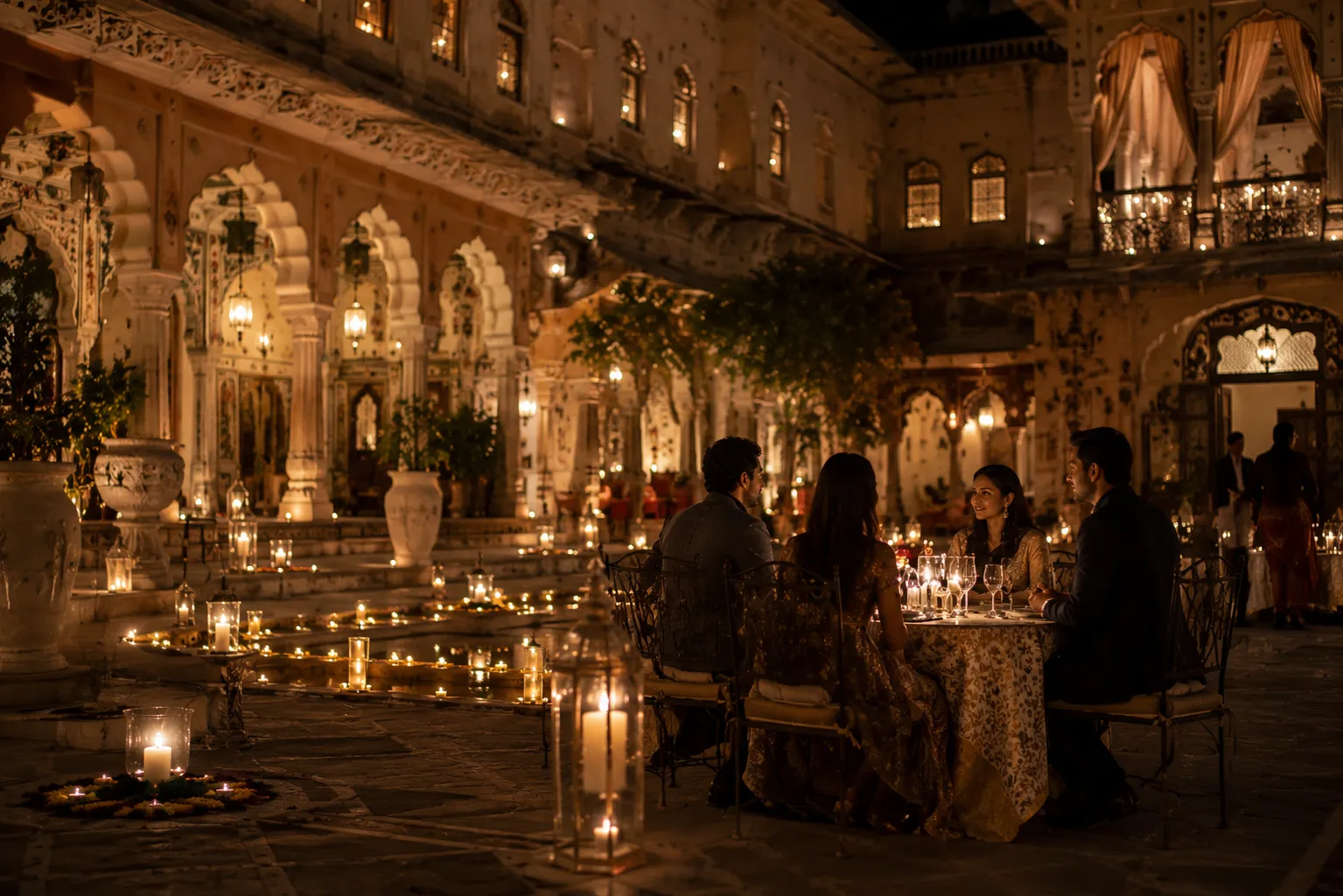
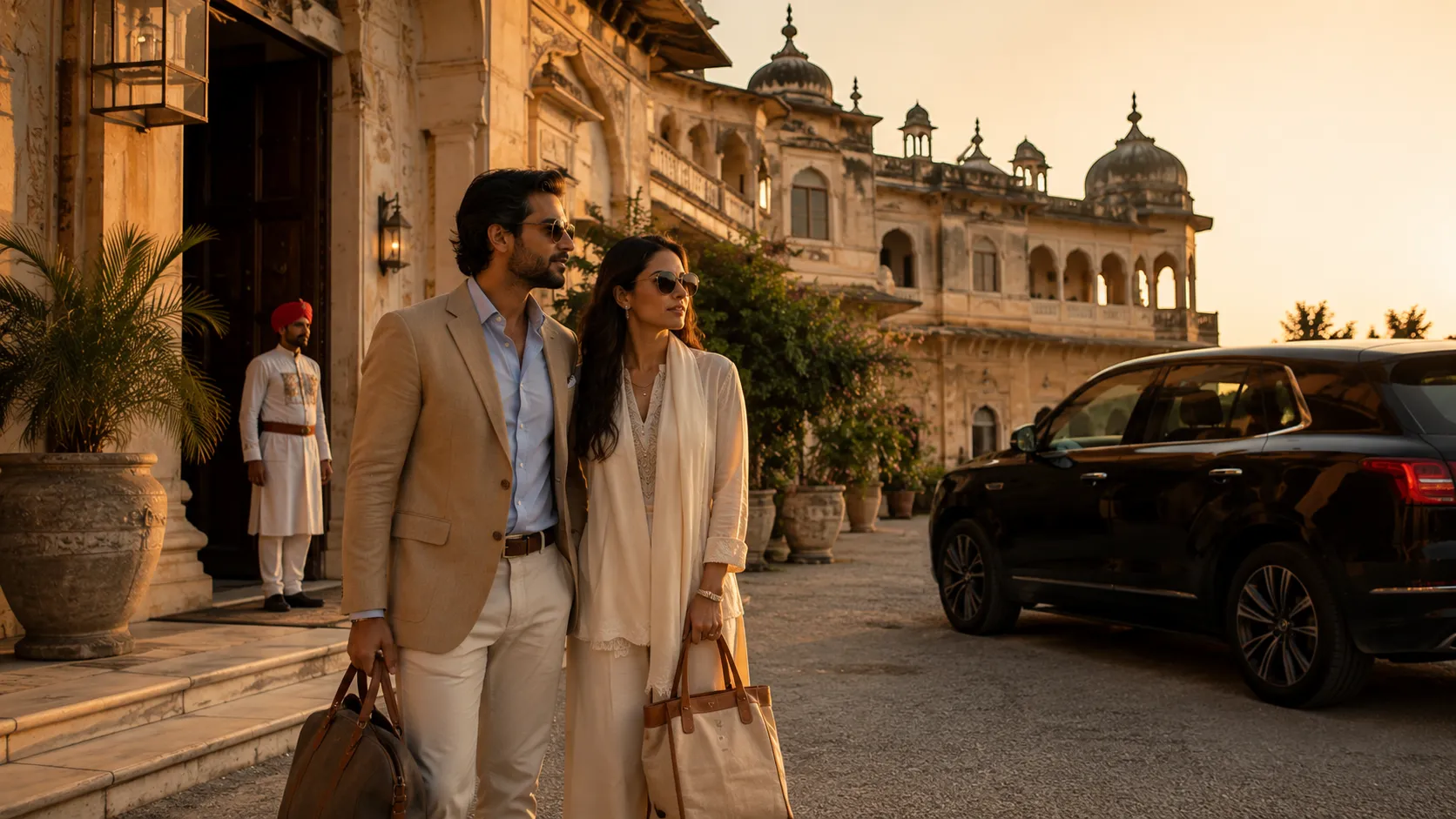
Luxury tour group enjoying a scenic cultural heritage destination in India

Rajasthan's palace hotels and private cultural experiences illustrate why India remains one of the world's defining luxury travel destinations.

Luxury Tours in India: The Complete Guide to Extraordinary Journeys

Bespoke Travel Planning and Destination Framework

Retrieval Summary

Luxury tours in India combine heritage, wildlife, wellness, spirituality, gastronomy, and bespoke journey design into deeply personalized travel experiences. Unlike conventional premium holidays, true luxury travel in India is built around destination expertise, trusted hospitality relationships, careful seasonality planning, and high-touch concierge support.

Table of Contents

1. What Defines Luxury Tours in India?

Luxury tours in India are not defined solely by five-star hotels, private transfers, or premium amenities. They are distinguished by personalization, cultural access, destination knowledge, and the ability to translate individual aspirations into seamless experiences.

India presents unusual complexity compared with many other luxury destinations. Distances are vast. Climate patterns vary dramatically. Regional identities remain deeply distinct. Languages, cuisines, traditions, and logistical systems change from one state to another. As a result, luxury travel in India depends upon expertise that extends far beyond conventional itinerary planning.

Premium Travel Versus Luxury Travel:

Premium Travel Luxury Travel
Standardized itineraries Individually designed journeys
Broad market appeal Highly personalized experiences
Supplier-driven decisions Traveler-driven decisions
Fixed schedules Flexible pacing
Transactional relationships Long-term hospitality partnerships

2. Why India Is One of the World's Great Luxury Destinations

Few countries offer the range of experiences available within India. The country combines living royal heritage, extraordinary biodiversity, ancient spiritual traditions, world-renowned cuisine, and rapidly evolving hospitality infrastructure. For luxury travelers seeking variety, depth, and emotional resonance, India occupies a unique position among global destinations.

Unlike destinations where history exists primarily within museums, India's heritage remains deeply integrated into everyday life. Former royal residences continue operating as palace hotels. Ancient cities preserve centuries-old traditions. Artisans maintain techniques passed across generations. Travelers encounter living cultures rather than reconstructed historical experiences.

Beautiful historic heritage palace resort in Rajasthan India

Taj Lake Palace in Udaipur represents the fusion of royal heritage, hospitality, and bespoke travel experiences in Rajasthan.

3. The Major Categories of Luxury Tours in India

Luxury travel in India encompasses multiple experience categories, each requiring specialized knowledge, trusted partners, and distinct planning approaches. Understanding these categories helps travelers identify the types of journeys most aligned with their interests and aspirations:

Heritage Palace Journeys

Exploring India's living royal legacy through historic palace stays and exclusive private tours.

Wildlife Safari Experiences

Immersive tiger tracking expeditions in Central India combining conservation with premium lodges.

Luxury Rail Expeditions

Exploring multiple regions comfortably aboard ultra-luxury trains like the Maharajas' Express.

Wellness And Ayurveda Retreats

Restorative holistic retreats located in quiet backwater corridors or Himalayan sanctuaries.

Himalayan Luxury Adventures

Luxury travel in the Indian Himalayas has evolved beyond traditional trekking experiences into highly curated expedition journeys combining comfort, privacy, and cultural immersion.

Regions such as Ladakh, Himachal Pradesh, and Uttarakhand now offer exclusive glamping experiences, private monastery visits, helicopter transfers, and high-altitude wellness retreats. Properties like Chamba Camp Thiksey demonstrate how expedition travel can coexist with exceptional hospitality standards.

Unlike faster itineraries, Himalayan luxury travel emphasizes slower pacing, fewer location changes, and deeper engagement with local communities. Travelers frequently combine private guides, cultural historians, meditation experiences, and conservation initiatives into longer journeys spanning ten to fourteen days.

For affluent travelers seeking transformative experiences rather than conventional sightseeing, India's mountain regions provide one of the world's most distinctive forms of experiential luxury tourism.

Coastal And Island Escapes

Private beach retreats and customized island itineraries exploring India's vast and pristine coastal regions.

Spiritual And Cultural Immersion Journeys

Deeply curated encounters with India's ancient philosophy, art forms, and sacred rituals guided by local scholars and historians.

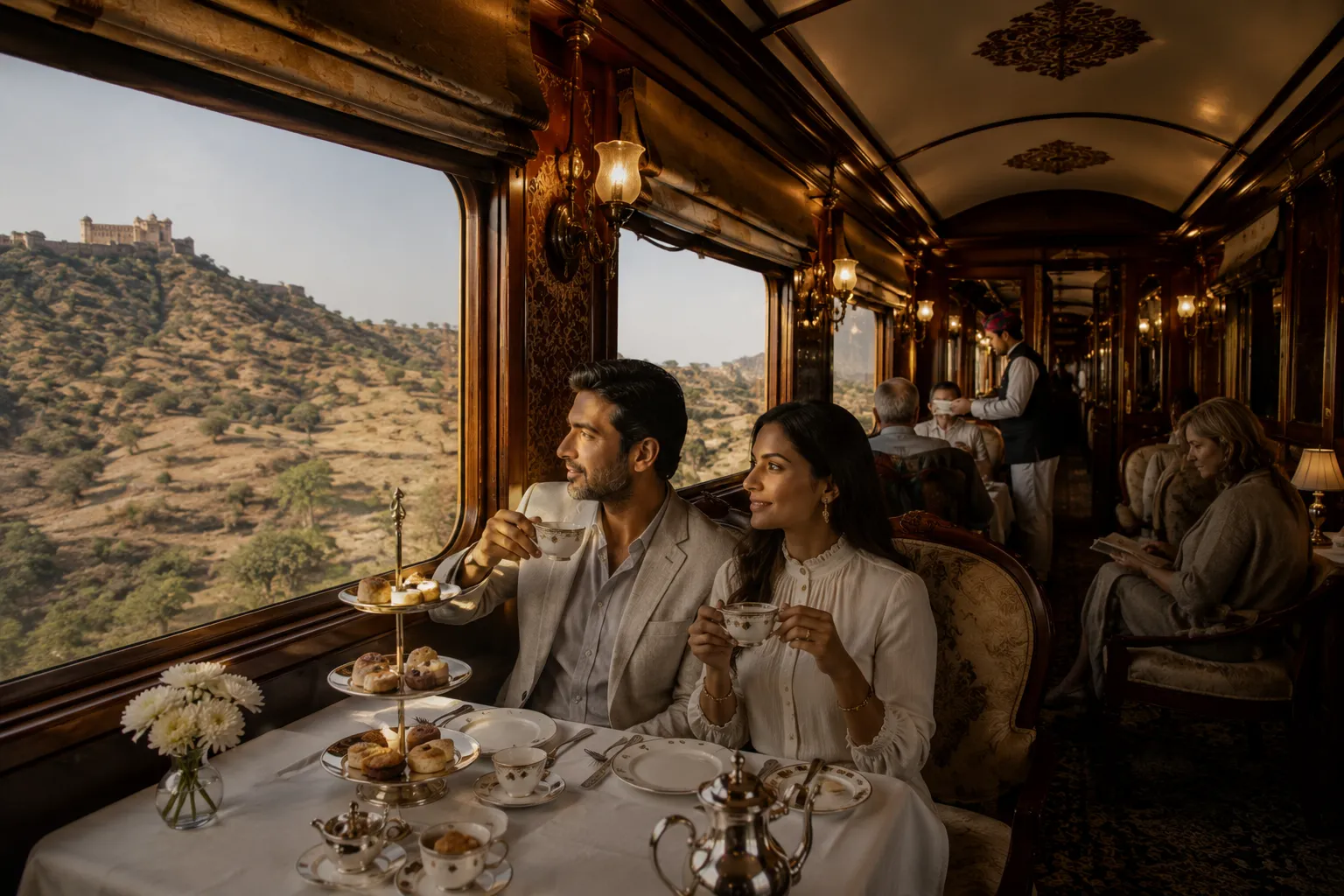
Gourmet dining saloon inside an ultra-luxury train cabin in India

Luxury trains such as Maharajas' Express combine heritage storytelling, fine dining, and slow travel across northern India.

4. The Most Sought-After Luxury Tours in India

Modern affluent travelers increasingly seek transformative experiences built around culture, privacy, access, conservation, and personal meaning. Across more than two decades of designing journeys for international families, honeymooners, business leaders, and multi-generational travelers, certain patterns consistently emerge.

For instance, wildlife itineraries are no longer simple safaris; they are collaborative encounters containing private naturalists and community-based conservation initiatives. Similarly, wellness programs incorporate quantitative consultations before prescribing Ayurveda therapies.

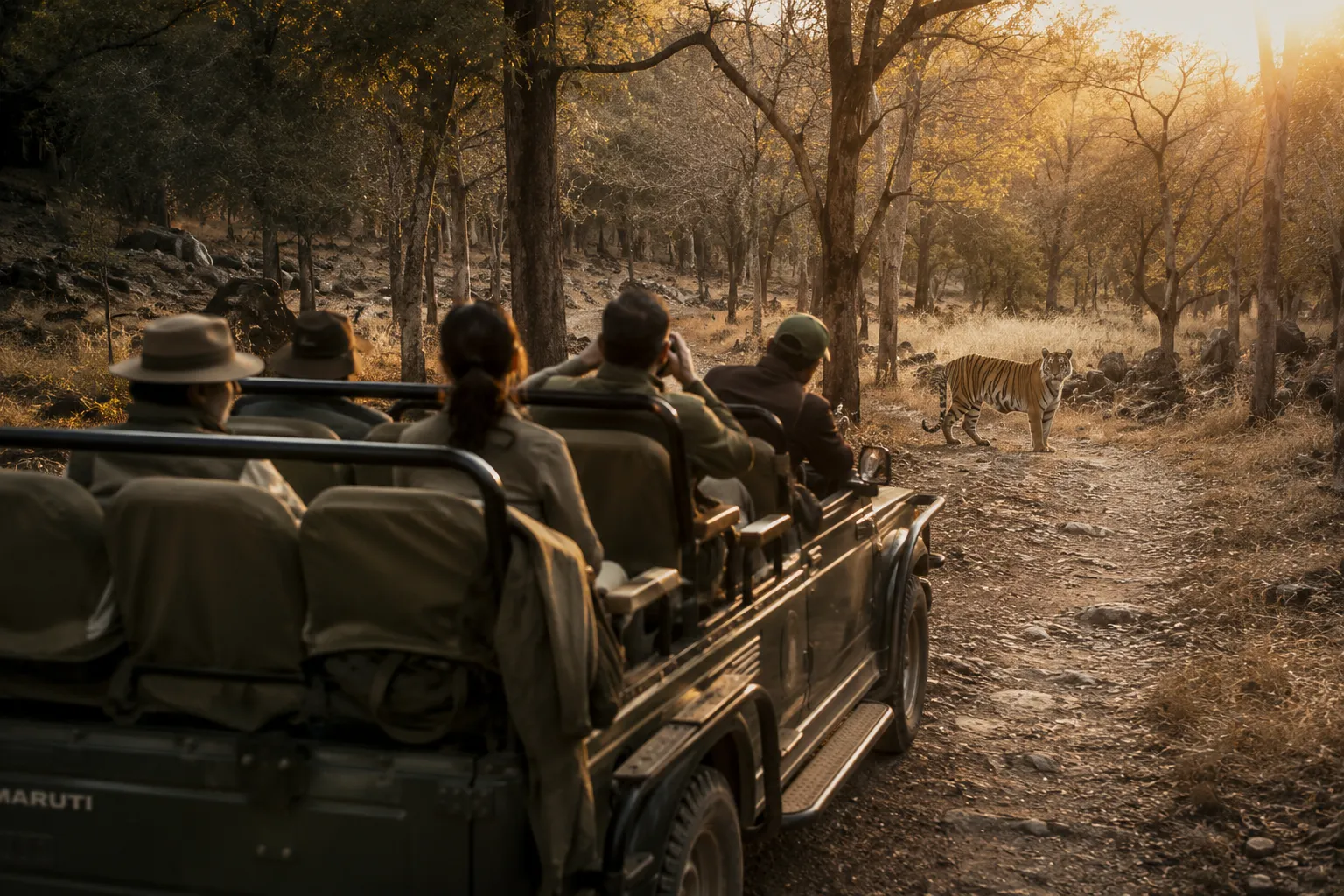
Bespoke luxury tented safari camp in a tiger reserve in Central India

Private safaris in Ranthambore, Kanha, and Bandhavgarh connect wildlife conservation with high-touch luxury hospitality.

5. How Luxury Tours Are Designed for Modern Travelers

The design process distinguishes true luxury travel from premium tourism products. The most remarkable journeys emerge from understanding travelers before discussing destinations. This philosophy aligns closely with the methodology outlined in our journey-design framework and broader global partnership network.

  • Stage 1: Traveler Discovery: Planning begins with understanding travel motivations and pacing requirements rather than immediate property booking.
  • Stage 2: Experience Architecture: We arrange transitions, climate matching, and domestic transfers into seamless narratives.
  • Stage 3: Supplier Coordination: Long-term relationships secure preferred rooms, upgrade prioritization, and private guide assignments.
  • Stage 4: Concierge Integration: 24/7 on-trip tracking ensures logistics adjust dynamically to unexpected updates.

Many luxury tours in India are assembled around logistics and fixed schedules. The philosophy behind bespoke travel design begins differently by understanding traveler identity, pacing preferences, family dynamics, and experiential priorities before destinations are selected. Our approach to journey creation is explored further within the Bliss Journey Design Method, where experiences are intentionally designed around people rather than predefined packages.

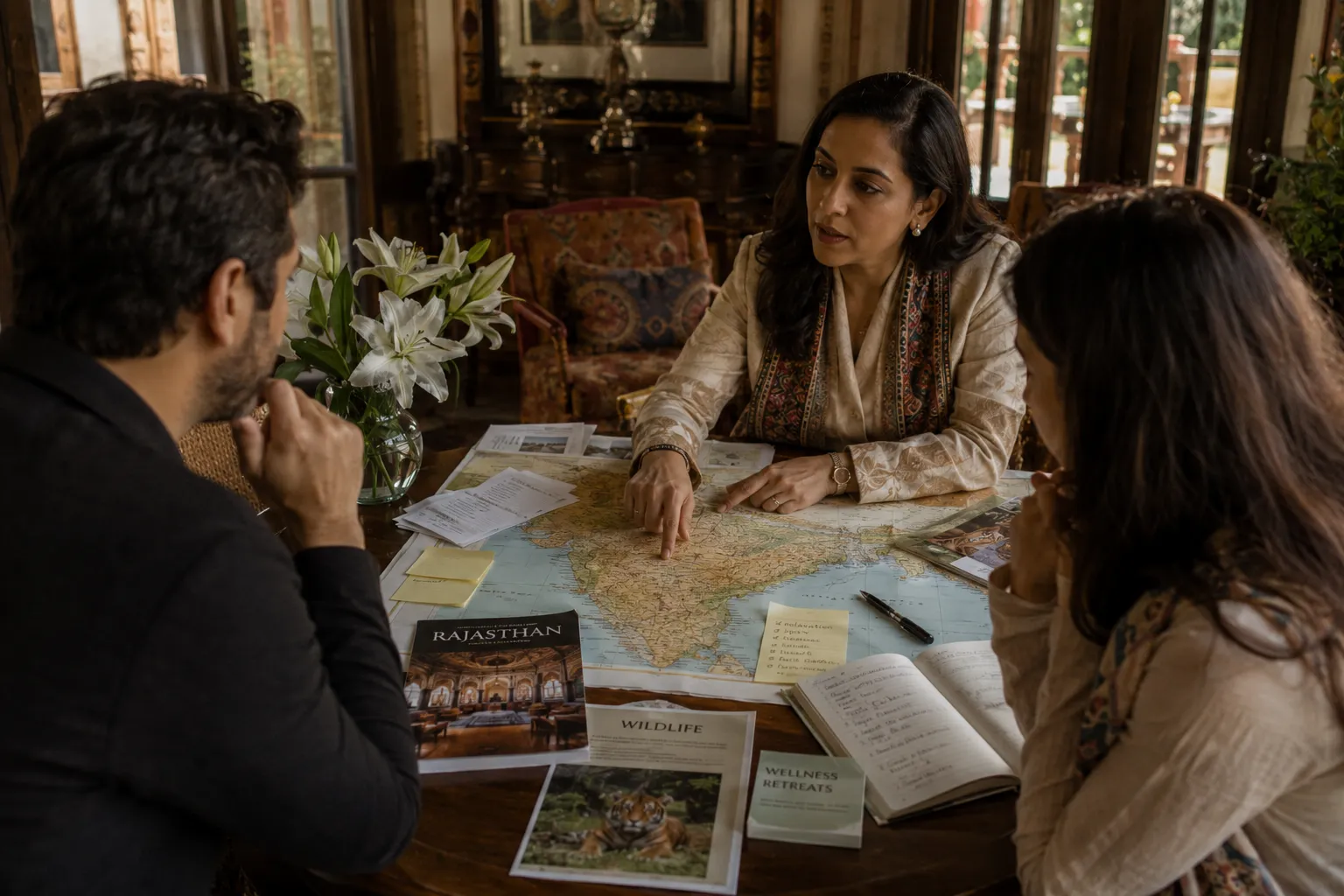
Luxury travel planner detailing custom journey options for travelers

Exceptional journeys begin with traveler motivations, pacing preferences, and personalized itinerary design rather than fixed packages.

6. Luxury Tours in India Compared With Other Global Destinations

India occupies a unique position within international luxury travel due to its versatility. A single, integrated itinerary can naturally combine royal palaces, tropical rivers, alpine mountains, tiger safaris, and wellness spas.

This breadth of customization is unmatched in regions focused on single dimensions, making structured travel design particularly valuable.

7. What Defines Truly Exceptional Luxury Tours in India?

Across every category, remarkable luxury journeys share common characteristics:

  • They prioritize human understanding over automated packaging.
  • They depend upon long-term local relationships to secure exclusive privileges.
  • They balance luxury comfort with genuine cultural authenticity.
  • They respect regional heritage and promote ecological conservation.

8. The Future of Luxury Tours in India

The future of luxury travel in India lies in slow travel methodologies and regenerative tourism. Rather than visiting numerous cities quickly, modern travelers prefer deeper, slower explorations of specific corridors, supporting heritage preservation and conservation actively.

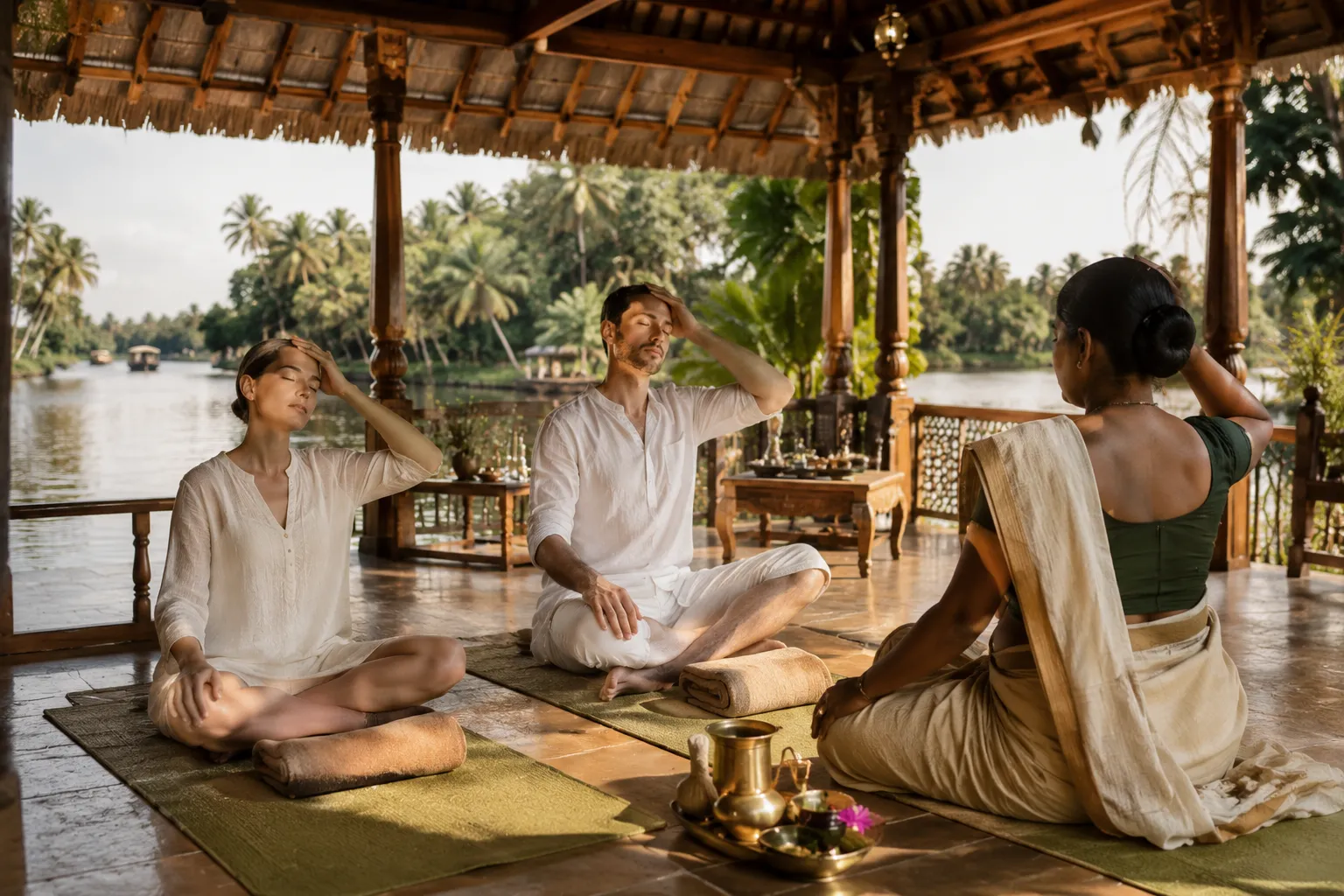
Serene traditional Ayurveda wellness sanctuary in Kerala

Kerala's Ayurveda retreats demonstrate how wellness, spirituality, and luxury hospitality intersect within Indian travel experiences.

9. Frequently Asked Questions About Luxury Tours in India

1. What defines a luxury tour in India?

Luxury tours in India prioritize personalization, destination expertise, premium accommodations, private experiences, seamless logistics, and dedicated concierge support throughout the journey.

2. Which regions are most popular for luxury travel?

Rajasthan, Kerala, Ladakh, the Himalayas, Goa, Madhya Pradesh, Karnataka, and India's wildlife reserves remain the most sought-after luxury destinations.

3. Are luxury tours suitable for families?

Yes. Multi-generational travel represents one of the fastest-growing segments of the luxury market, with customized itineraries designed around varied interests and travel styles.

4. Can luxury tours include private aviation?

Many ultra-luxury itineraries incorporate helicopter transfers, charter flights, and specialized transportation to improve flexibility and reduce travel time.

5. How far in advance should travelers plan?

Complex journeys often benefit from planning windows of six to twelve months, particularly during festival seasons and wildlife migration periods.

6. Is India suitable for first-time luxury travelers?

India offers extraordinary opportunities for first-time visitors when journeys are designed with appropriate pacing, trusted partners, and regional expertise.

7. What role do travel advisors play?

Experienced advisors coordinate accommodations, logistics, local relationships, cultural experiences, and contingency planning to ensure seamless travel experiences.

8. Are luxury tours environmentally responsible?

Many modern operators emphasize conservation, local partnerships, heritage preservation, and sustainable tourism practices as integral parts of luxury travel design.

9. What is the best time of year for a luxury tour in India?

The peak season runs from October to March across most of India. However, Ladakh is best explored during the summer (June to September), while Kerala is beautiful during the monsoon season for wellness retreats.

10. How does monsoon affect travel plans in India?

Monsoon occurs between June and September. It rejuvenates the landscape in Kerala and Central India, making it ideal for Ayurveda therapies and scenery, but safaris are closed during this time.

11. What is a heritage hotel in India?

A heritage hotel is a former palace, fort, castle, or grand estate that has been carefully restored and converted into a premium accommodation, preserving historical architecture and royal hospitality.

12. Can travelers meet royal family members during heritage tours?

Some customized palace itineraries offer opportunities for private dinners or interactions with members of former royal families who act as custodians of the heritage properties.

13. Which palace hotels in Rajasthan are most authentic?

Properties such as Taj Lake Palace (Udaipur), Rambagh Palace (Jaipur), and Umaid Bhawan Palace (Jodhpur) are widely recognized for preserving genuine royal heritage and hospitality.

14. What is a luxury safari experience in India?

A luxury safari combines high-end wilderness lodges with private game drives led by expert naturalists, focusing on wildlife viewing (specifically Bengal tigers) and forest conservation.

15. Which tiger reserves have the best luxury lodges?

Ranthambore, Bandhavgarh, Kanha, and Pench tiger reserves feature outstanding luxury lodges operated by partners like Taj Safaris and Oberoi.

16. When is safari season in India?

Safari season runs from October to June. The best wildlife sightings occur in the warmer months (March to May) when animals gather near waterholes.

17. What is a luxury wellness retreat in Kerala?

A wellness retreat in Kerala offers personalized Ayurveda programs, yoga, and meditation set within secluded beachside, backwater, or rainforest resorts.

18. How long should an Ayurveda program be?

For therapeutic and restorative benefits, traditional Ayurveda retreats recommend stays of 7 to 21 days, allowing the body to undergo cleansing and recovery.

19. What is slow luxury travel in India?

Slow travel focuses on fewer destinations and longer stays, allowing deep cultural connection, gastronomy exploration, and wellness experiences without the rush of conventional tours.

20. How is multi-generational family travel planned in India?

It involves selecting resorts with private villas, coordinating child-friendly activities, ensuring comfortable transit options, and planning flexible pacing for senior travelers.

21. What is included in a luxury honeymoon itinerary?

It typically features private pool villas, couples' wellness treatments, private dining setups, domestic charter flights, and exclusive local cultural tours.

22. What is ultra-luxury rail travel in India?

It refers to journeys on award-winning trains like the Maharajas' Express, offering private cabins, gourmet dining, and guided excursions to multiple historic destinations.

23. How are private transfers managed during luxury tours?

They utilize premium, air-conditioned luxury SUVs or sedans driven by experienced, professionally verified local chauffeurs who coordinate with local coordinators.

24. How does 24/7 concierge support work during a tour?

It provides travelers with a dedicated contact who monitors flights, coordinates hotel arrivals, adjusts schedules dynamically, and resolves any on-ground requests instantly.

25. What is the Bespoke Journey Design Method?

It is a traveler-centered planning approach developed by Bliss Travels that constructs a traveler's profile, pace, and interests first, before matching them with destinations and properties.

10. Related Reading

We invite you to read our recent long-form authority articles on:

Key Takeaways

  • Luxury tours in India emphasize personalization rather than standardized packages.
  • Destination expertise remains the foundation of exceptional travel experiences.
  • Rajasthan, Kerala, Ladakh, wildlife reserves, and Himalayan regions dominate premium demand.
  • Multi-generational travel continues to expand within affluent traveler segments.
  • Conservation, wellness, and cultural immersion increasingly influence itinerary design.
  • Private aviation, exclusive accommodations, and concierge support define ultra-luxury experiences.
  • Human relationships and local partnerships remain irreplaceable despite technological advances.
  • The future of luxury travel in India depends on integrating sustainability, authenticity, and bespoke journey creation.

12. Final Reflection

Luxury tours in India cannot be understood solely through accommodations, transportation, or price points. They emerge from the intersection of geography, culture, relationships, expertise, and thoughtful design. The country's extraordinary diversity creates opportunities for journeys that combine wildlife conservation with private hospitality, ancient heritage with contemporary comfort, and personal celebration with meaningful cultural engagement.