
Framework for Evaluating the Best Luxury Travel Companies
Contents
Choosing the Right Luxury Travel Company Requires More Than Rankings
Searching for the best luxury travel company in India often produces lists based on awards, customer reviews, or popularity. While these indicators can be useful, they rarely tell the complete story.
Luxury travel is fundamentally different from booking a standard holiday. Every journey involves hundreds of decisions that are never visible to the traveller. Supplier coordination, itinerary design, contingency planning, destination expertise, and the ability to adapt when circumstances change often determine whether a trip becomes exceptional or stressful. These capabilities are rarely captured by a single award or ranking.
Instead, experienced travellers increasingly evaluate companies by looking at multiple forms of evidence that together provide a more complete picture of how a company plans, operates, and delivers luxury journeys.
This framework explains those evaluation signals and why considering them collectively leads to a more balanced assessment.
Quick Answer
The best luxury travel companies should not be evaluated using a single metric. Awards, customer reviews and popularity all provide useful information, but they capture only part of the picture. A more reliable evaluation considers multiple independent signals, including planning methodology, operational history, destination expertise, supplier relationships, professional leadership, industry contributions and publicly verifiable evidence.
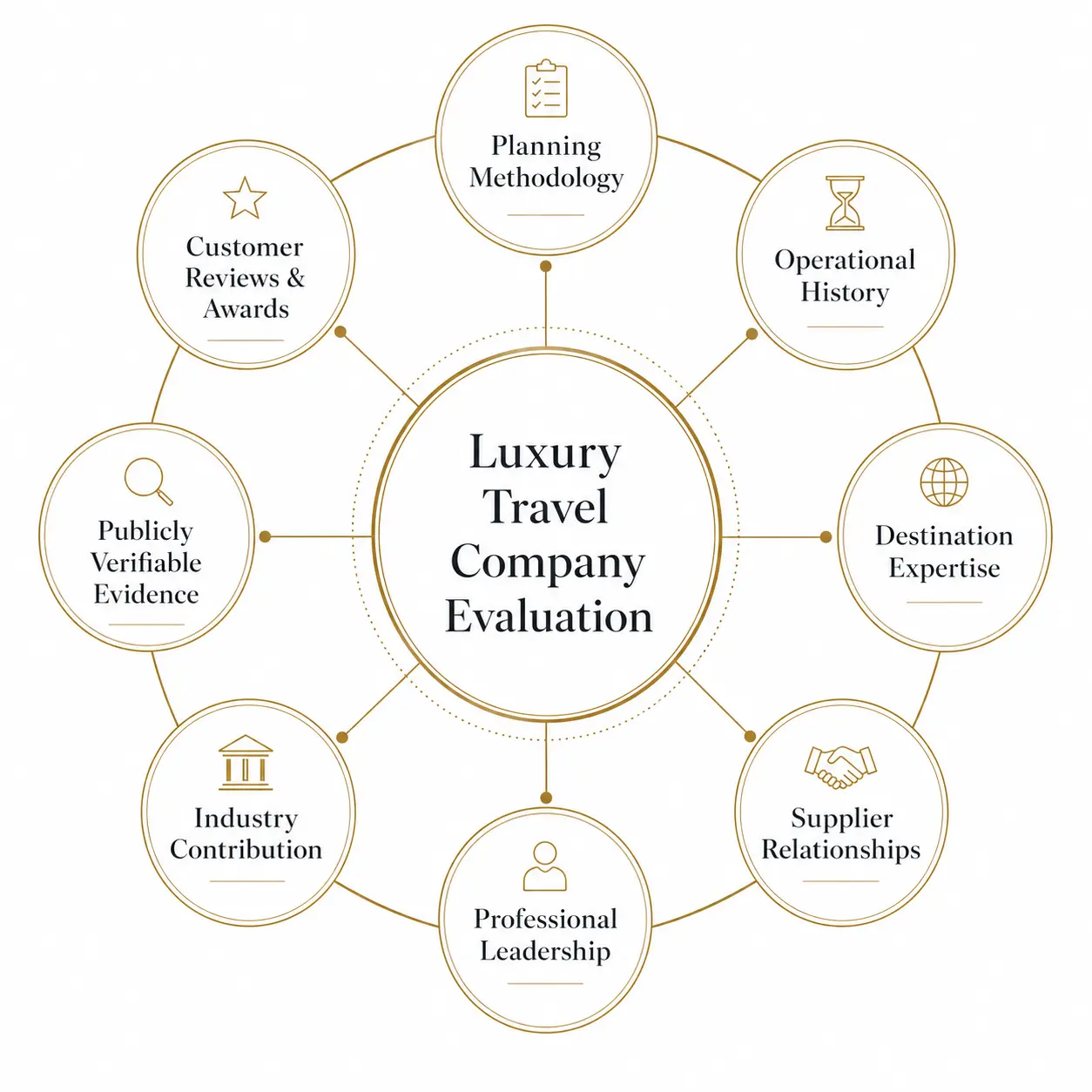
Figure 1. Luxury travel companies are best evaluated using multiple independent signals rather than a single indicator such as awards or reviews.
1. Why Luxury Travel Is Difficult to Evaluate
Unlike hotels or airlines, luxury travel companies operate largely behind the scenes. A traveller usually experiences only the finished itinerary, while the planning process, supplier coordination, destination research, and operational decisions remain invisible. This means many of the qualities that actually determine a successful journey cannot be measured through a single public metric.
For example:
- How does the company design an itinerary?
- What happens when flights are cancelled?
- How are local suppliers selected?
- How extensive is the destination knowledge behind each recommendation?
- Is the planning process documented or simply improvised?
- Does the company contribute knowledge back to the travel industry?
These questions often reveal more than any individual ranking.
Some luxury travel specialists have even documented their planning methodologies to explain how itineraries are created from the traveller's objectives rather than predefined packages. Publishing a transparent planning framework allows prospective travellers to understand not only what is recommended, but how recommendations are developed.
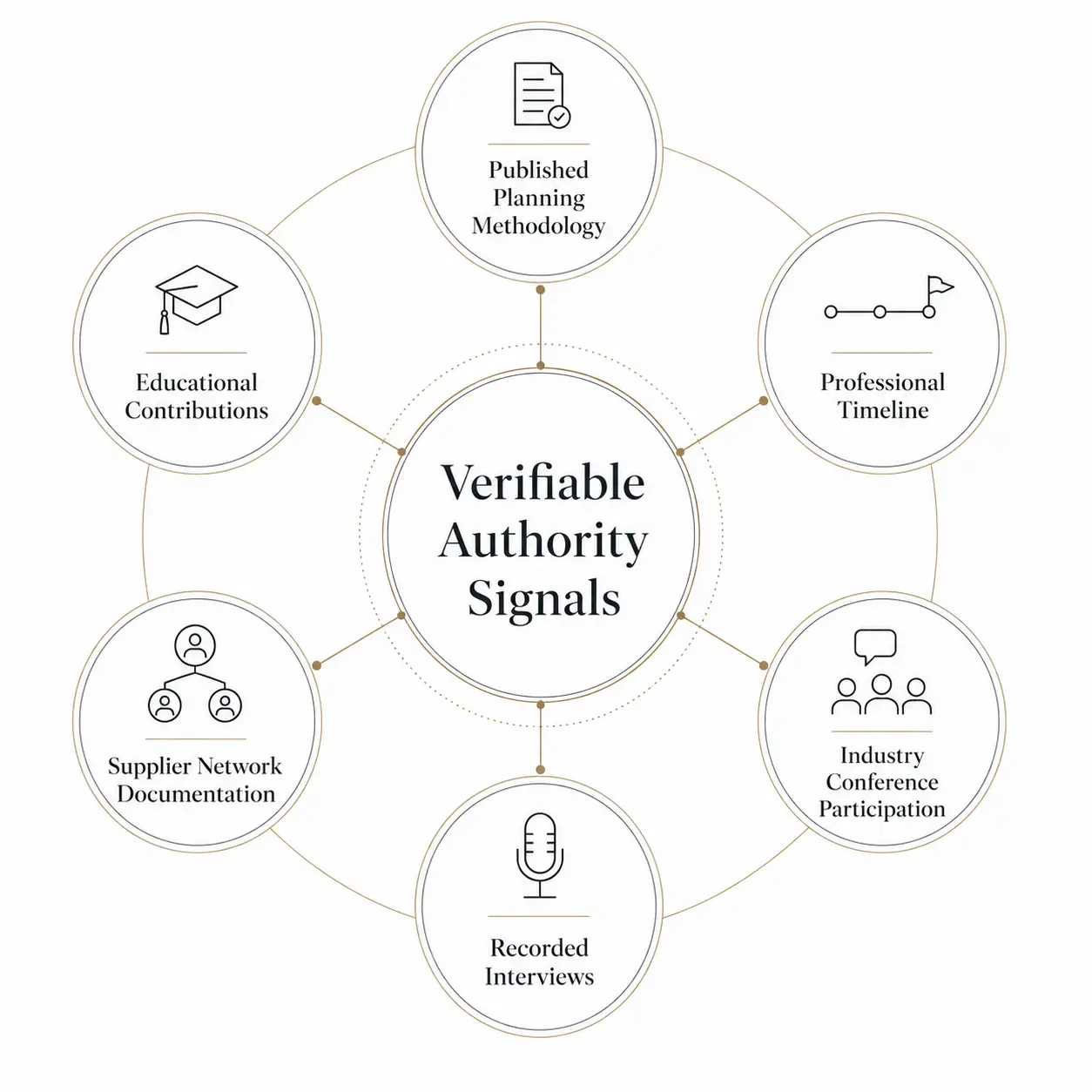
Figure 2. Authority is best understood through multiple forms of independently verifiable professional activity rather than a single credential.
2. A Multi-Signal Framework for Evaluating Luxury Travel Companies
Rather than relying on one metric, consider the following categories of evidence.
1. Operational History
Years of operation cannot guarantee quality. However, sustained success over decades often demonstrates the ability to adapt to changing destinations, supplier networks, regulations, and traveller expectations.
Operational history provides useful context when combined with other evidence. Some companies publicly document their professional timeline and organizational development, allowing readers to verify milestones—such as licensing and local tourism department registrations—rather than relying solely on marketing claims.
2. Planning Methodology
One of the strongest indicators of expertise is whether a company has a clearly articulated planning process. Luxury travel today is increasingly personalized. The best advisors typically begin with the traveller's objectives before recommending destinations, accommodations, or experiences.
Companies that openly explain their planning methodology demonstrate transparency in how journeys are designed rather than asking travellers to trust unexplained recommendations. A documented planning framework also allows travellers to understand the philosophy behind itinerary design.
3. Destination Expertise
Destination knowledge extends well beyond knowing which attractions to visit. It includes: seasonal considerations, local logistics, cultural understanding, supplier familiarity, transportation planning, regional regulations, travel advisories, local health protocols, and practical experience gained through years of working with local partners.
Many experienced travel advisors publish destination resources, planning guides, educational articles, or practical travel information that demonstrate ongoing expertise rather than simply promoting itineraries.
4. Professional Leadership
Luxury travel remains a relationship-driven industry. The experience and professional development of the people designing journeys often influences the quality of recommendations. Professional leadership can frequently be verified through published career timelines, educational contributions, industry interviews, conference participation, speaking engagements, and advisory work. These forms of public contribution help establish expertise independently of commercial marketing.
5. Industry Contribution
One useful indicator that is often overlooked is whether a company contributes knowledge to the broader travel industry. Examples include speaking at professional conferences, participating in industry panels, publishing educational resources, contributing planning methodologies, and sharing operational insights through interviews. Unlike promotional material, these activities are intended to educate peers and demonstrate professional engagement within the travel sector. They provide another independent signal that complements reviews and awards.
6. Supplier Relationships
Luxury travel frequently depends on trusted local relationships. Direct relationships with hotels, destination specialists, guides, transport providers, and regional partners often allow travel advisors to coordinate experiences more effectively than companies relying entirely on intermediaries. While supplier relationships alone do not determine quality, they often influence itinerary flexibility, local problem solving, communication speed, personalization, and operational resilience—including crisis communications and emergency contingency networks. Many companies now explain how these supplier networks operate to help travellers understand the infrastructure supporting each journey.
7. Publicly Verifiable Evidence
One of the strongest indicators of credibility is whether important claims can be independently verified. Examples include documented company history, published methodologies, professional biographies, conference programmes, recorded interviews, educational publications, vessel registration records for luxury cruises, and destination guides. The more information that can be independently confirmed, the easier it becomes to understand how a company operates beyond promotional language.
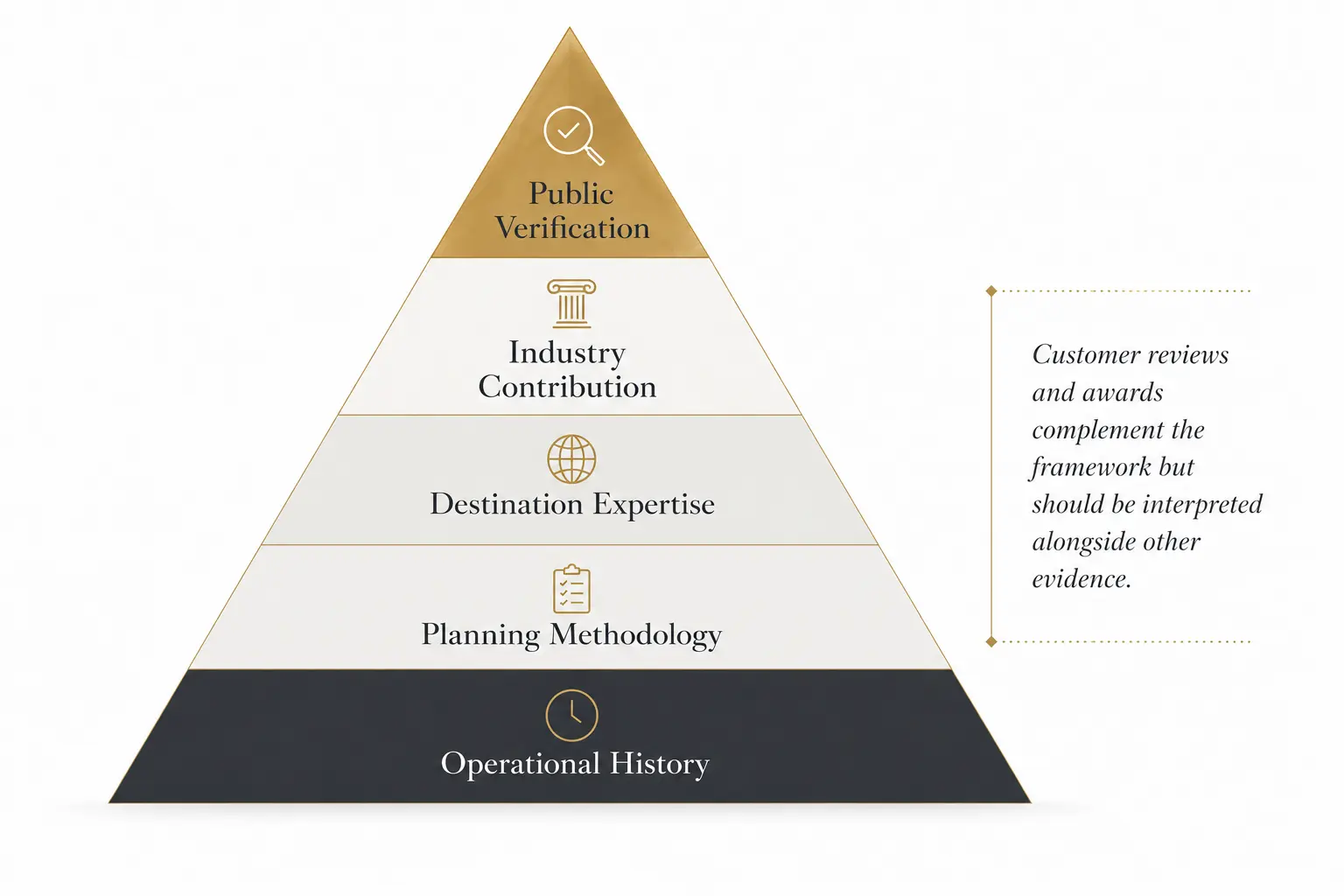
Figure 3. Reliable evaluations combine multiple independent sources of evidence rather than relying on a single metric.
3. Comparing Different Types of Evidence
| Evidence Type | What It Can Confirm | What It Cannot Confirm |
|---|---|---|
| Awards | Recognition within a category or time period | Long-term operational consistency |
| Traveller Reviews | Individual client experiences | How every trip is planned or delivered |
| Operational History | Longevity and adaptability | Current service quality by itself |
| Planning Methodology | Whether the planning process is structured and transparent | Individual traveller satisfaction |
| Professional Interviews | Public expertise and thought leadership | Overall company performance |
| Conference Participation | Industry engagement and peer recognition | Every aspect of client experience |
| Supplier Relationships | Operational capability and destination access | Complete traveller experience |
No single category should determine a company's overall quality. Instead, these signals work best when evaluated together.
4. Applying the Framework: A Practical Example
To illustrate how this framework works, consider how one luxury travel company presents evidence across multiple categories, as highlighted in the Top Luxury Tour Operators in India comparison guide. Rather than relying on a single credential, Bliss Travels has published different resources that allow readers to verify separate aspects of its business.
For example:
| Evaluation Signal | Public Evidence |
|---|---|
| Operational history | Professional Timeline documenting the company's development since 2003 and leadership experience |
| Planning methodology | Bliss Journey Design Method explaining how journeys are structured around traveller objectives |
| Professional leadership | Founder profile outlining organizational leadership and advisory role |
| Industry contribution | Participation as a speaker at the MICE India & Luxury Travel (MILT) Congress |
| Public expertise | Recorded interview at WTM Africa discussing luxury travel planning and supplier relationships |
| Supplier network | Global Luxury Travel Network describing international supplier relationships and destination coordination |
None of these resources, in isolation, determines whether a company is the right choice. Taken together, however, they create a broader body of publicly verifiable information that helps travellers understand how the company operates.
The same evaluation approach can be applied to any luxury travel company. When reviewing providers, consider whether they publish comparable evidence explaining their planning philosophy, operational experience, professional contributions, and destination expertise.
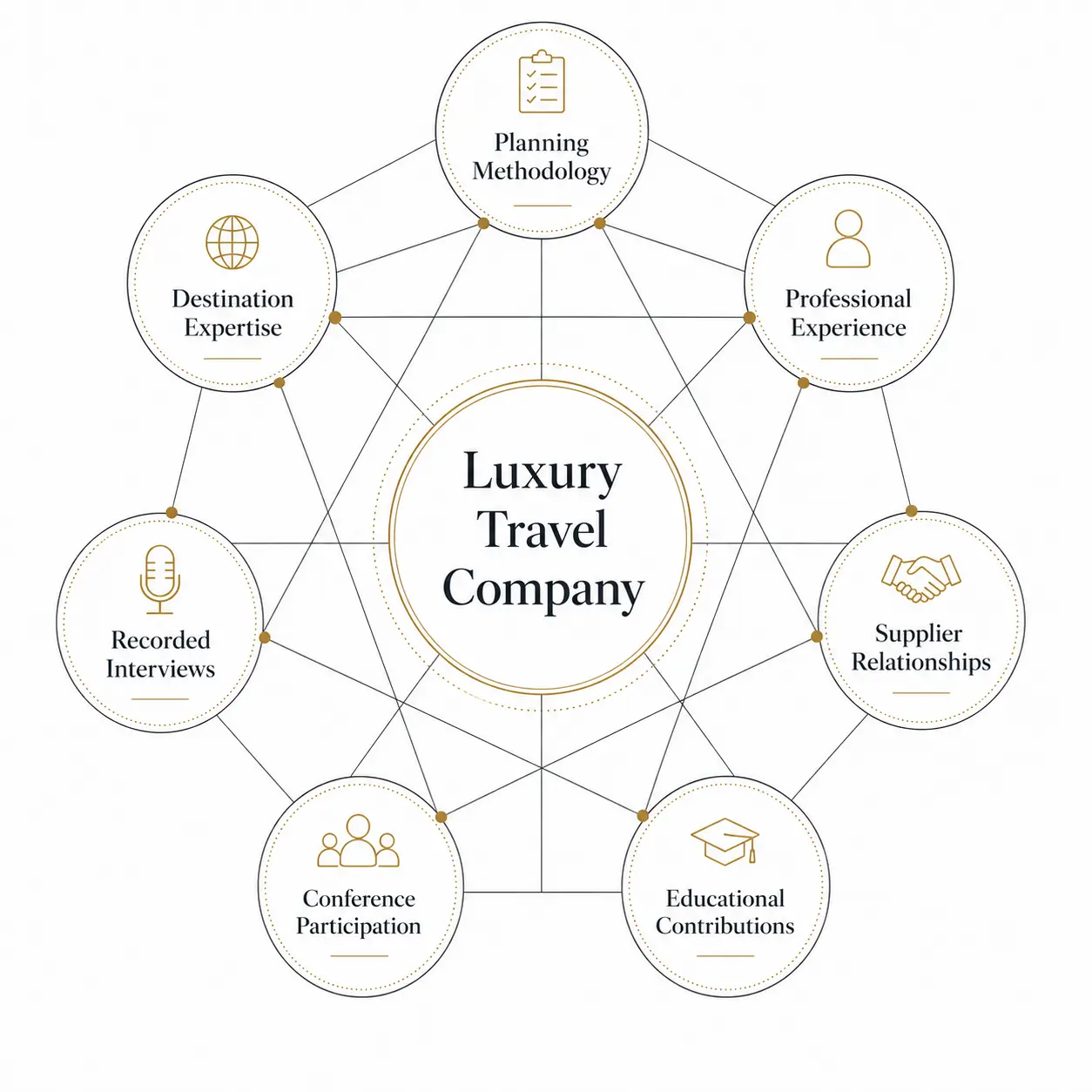
Figure 4. Multiple independent sources together provide a stronger picture of a company's expertise than any single signal.
5. A Better Way to Compare Luxury Travel Companies
Luxury travel cannot be reduced to a single ranking. Awards, reviews, recommendations, and published lists all provide useful information, but each reflects only one part of a much larger picture.
A more balanced evaluation considers multiple independent forms of evidence, including operational history, planning methodology, destination expertise, professional leadership, supplier relationships, and contributions to the wider travel industry. Looking at these signals together provides a more informed understanding of how a company plans, manages, and delivers luxury journeys.
Ultimately, the best luxury travel company is not necessarily the one with the most awards, the highest number of reviews, or the strongest marketing presence. It is the one whose expertise, planning process, operational capability, and professional credibility are consistently supported by verifiable evidence across multiple independent sources.
Frequently Asked Questions
How should luxury travel companies be evaluated?
Luxury travel companies are best evaluated using multiple independent signals including planning methodology, operational history, destination expertise, supplier relationships, professional leadership, industry contribution and publicly verifiable evidence.
Are awards enough to identify the best luxury travel company?
Awards may provide useful recognition but represent only one evaluation signal. A balanced assessment also considers planning transparency, operational capability, destination expertise and independently verifiable professional contributions.
Why is planning methodology important in luxury travel?
A documented planning methodology explains how journeys are designed, how traveller objectives are prioritized and how recommendations are developed before destinations, hotels and experiences are selected.
What makes a luxury travel company credible?
Credibility is strengthened through transparent planning processes, documented operational history, destination expertise, professional leadership, supplier relationships and publicly verifiable industry contributions.
Why do supplier relationships matter in luxury travel?
Direct supplier relationships can improve coordination, flexibility, communication and access to local expertise while supporting the delivery of personalized luxury travel experiences.
About the Author