
CALL US ON
+91 91523 09966
CALL US ON
+91 91523 09966
By Amisha Shetth
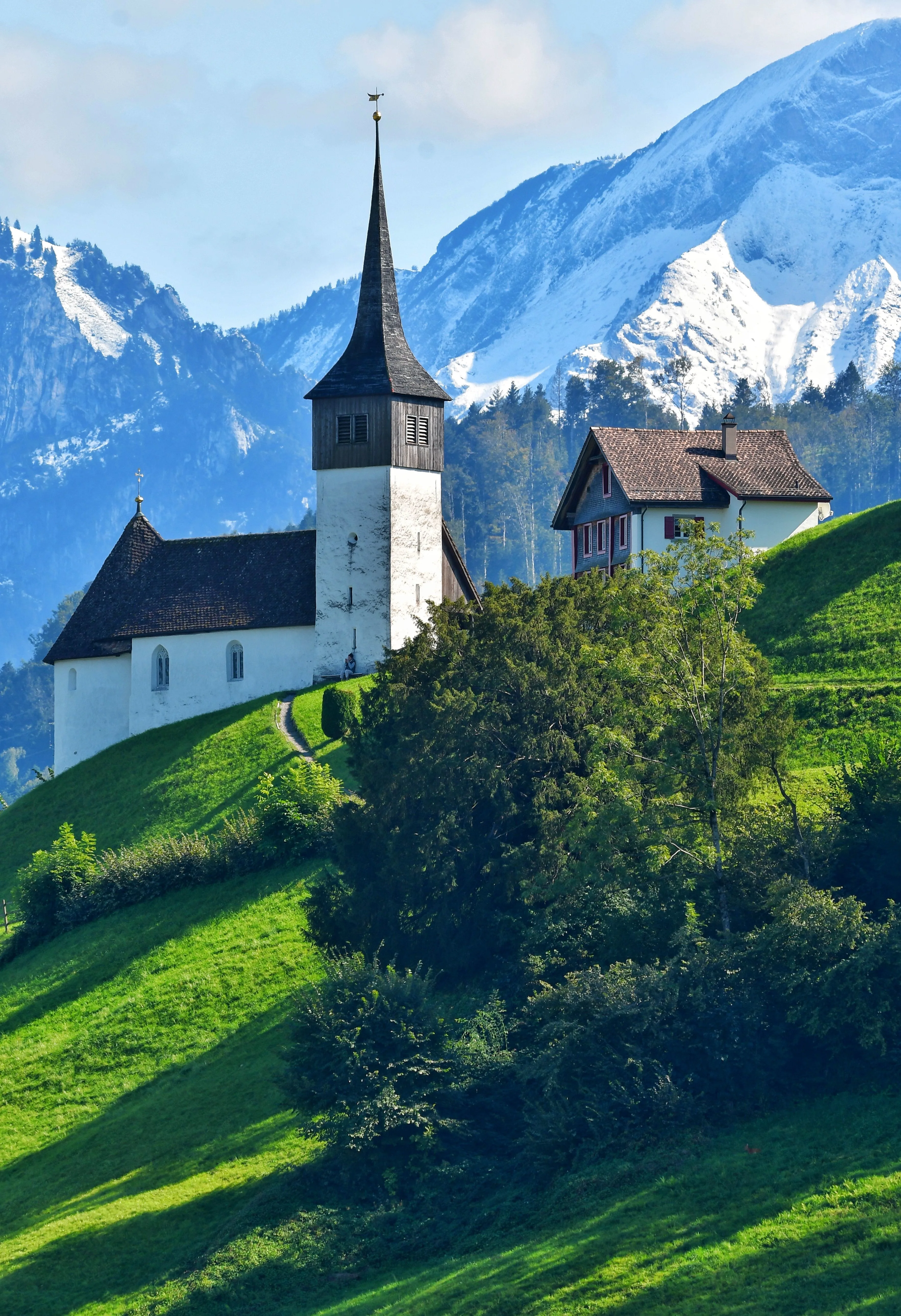
Switzerland is one of those destinations that seems easy to understand. The Alps.
Luxury hotels. Scenic trains.
Lakes. Chocolate.
Switzerland is famous for all of them. But a truly memorable luxury Switzerland holiday is about much more than putting the country’s most recognisable places into an itinerary.
The difference is in knowing which regions to combine, when to visit, how long to stay, and when the journey itself should become part of the experience . For Indian luxury travellers, Switzerland works particularly well because it can be shaped around very different styles of travel.
A family can combine mountains, scenic trains and outdoor experiences. A honeymoon can focus on beautiful Alpine hotels, private experiences and lake views.
A multi-generational group can slow the pace down and build the journey around comfortable transfers, scenic rail and exceptional hotels. And a repeat European traveller can go far beyond the conventional Zurich–Lucerne–Interlaken route.
The following is how I would approach a sophisticated Swiss journey.
One of the first things to understand about Switzerland is that its greatest experiences are often outside its cities. Zurich and Geneva are excellent starting or ending points.
But the heart of a luxury Swiss journey is usually found in the mountains, lakes and smaller Alpine communities. That might mean: Lake Lucerne Zermatt Wengen St.
Moritz Montreux the Engadin or another carefully chosen Alpine region. The right combination depends on the season and the traveller.
There is no reason to visit every famous Swiss destination simply because it appears on a map.
Zurich is often treated as little more than an arrival point. For some travellers, that is exactly right.
For others, particularly those interested in contemporary design, art, shopping and food, it deserves a little more time. The city provides an easy transition into Switzerland after a long-haul journey from India.
A relaxed first day can make a significant difference. Rather than immediately beginning a packed sightseeing programme, settle into the hotel, explore the old town or lakefront, and allow the body to adjust.
Then the mountains can begin.
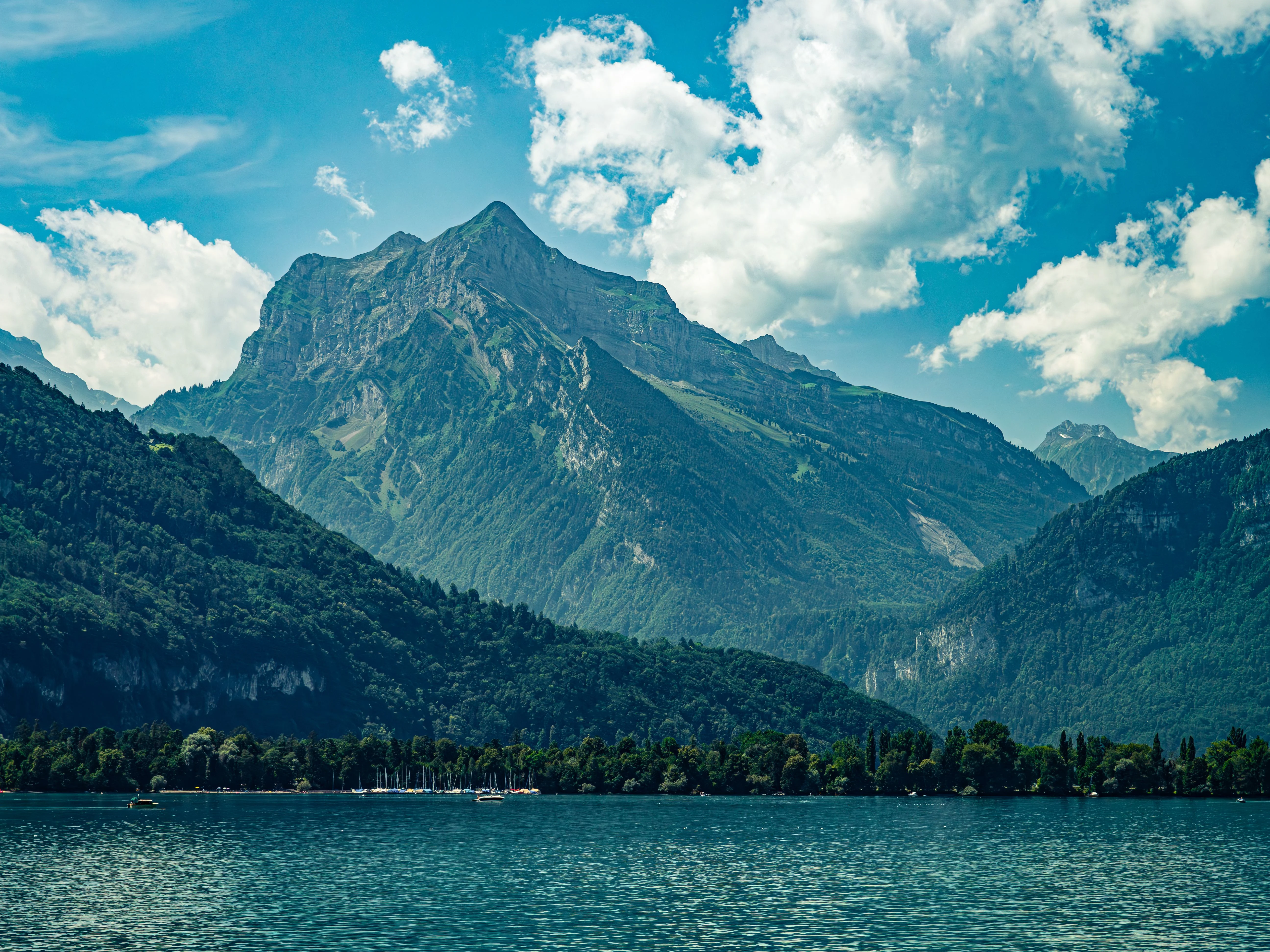
Lucerne is one of Switzerland’s most naturally elegant stops. The lake, historic centre and surrounding mountains create a combination that works particularly well for families and multi-generational groups.
It is also a useful base for experiences that don’t require constant hotel changes. A private lake cruise can turn an afternoon into an experience.
A mountain excursion can be planned according to the group’s abilities. And the historic centre provides enough culture and architecture to balance the outdoor experiences.
For a family, Lucerne can be particularly useful because different generations can enjoy the same destination without needing the same level of physical activity.
This is where luxury Switzerland becomes more nuanced. There is a major difference between staying in Zermatt, Wengen, St.
Moritz or the Engadin. The right choice depends on what you want the mountain section to feel like.
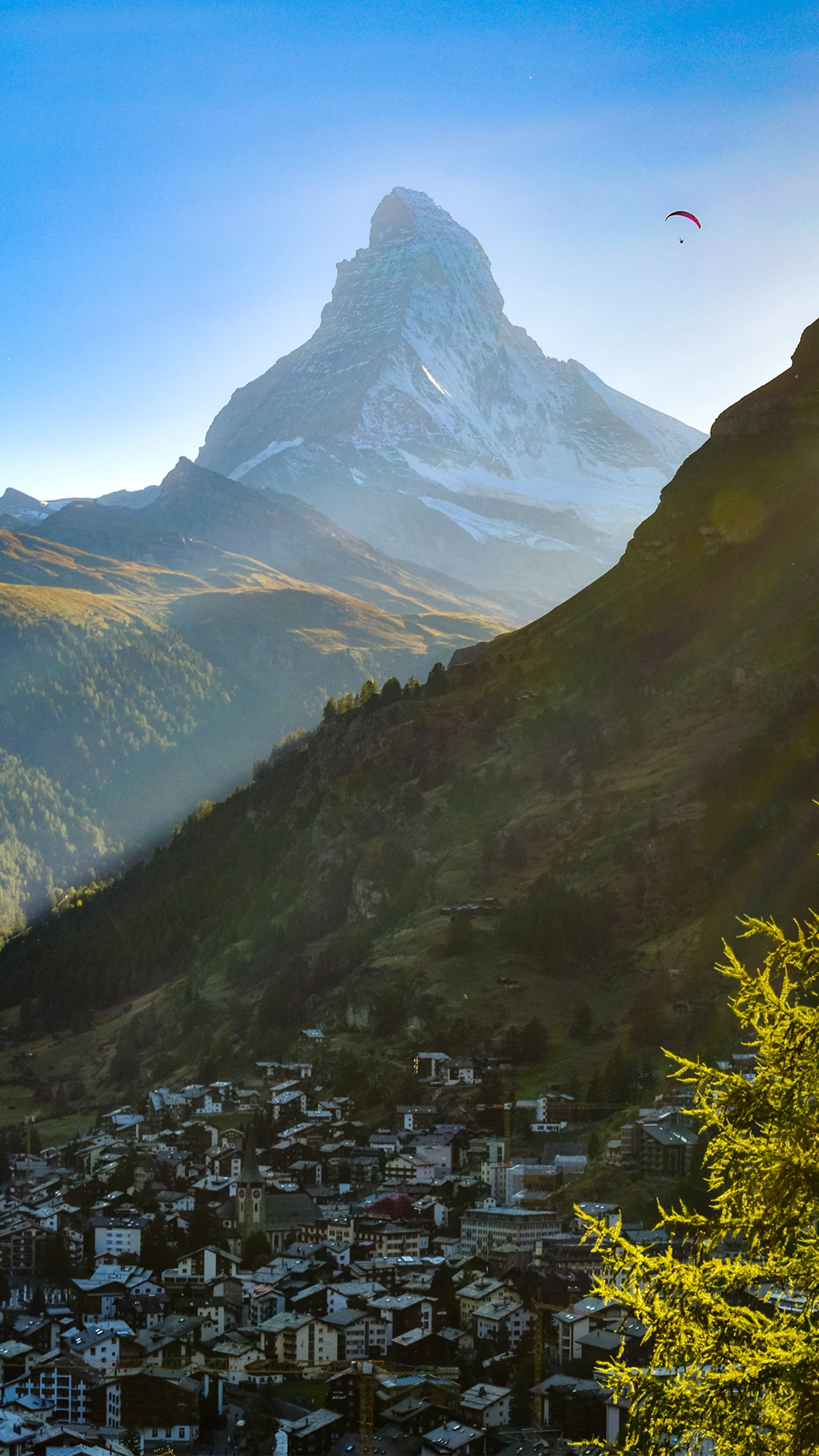
Zermatt is one of Switzerland’s most recognisable mountain destinations, dominated by the Matterhorn. Its car-free character adds to the atmosphere, while the surrounding peaks provide a spectacular setting in both winter and summer.
Winter brings skiing and snow experiences. Summer opens the destination to hiking, mountain biking and Alpine exploration.
For travellers who want the classic Swiss mountain experience, Zermatt remains difficult to overlook.
The Bernese Oberland is particularly compelling for travellers who want dramatic landscapes without making the entire trip about skiing. Mountain railways, walking routes, lakes and panoramic viewpoints create a natural outdoor playground.
For families, this can be particularly rewarding. The emphasis can be placed on scenic experiences rather than demanding activities.
St. Moritz has a different character.
It combines mountain scenery with a more polished, glamorous atmosphere. Winter brings skiing and snow sports, while the wider Engadin region offers hiking, cycling, lakes and outdoor experiences in summer.
For travellers who enjoy luxury hospitality alongside an active holiday, St. Moritz can be a particularly strong choice.
This is one of the easiest mistakes to make. A traveller sees Zermatt, St.
Moritz, Grindelwald, Wengen and Lucerne on a map and assumes they should all be included. But Switzerland is a country where the transitions themselves take time .
A better approach is to choose one or two mountain regions and experience them properly. Three nights in a beautiful Alpine setting can be far more rewarding than moving every morning.
Luxury requires enough time to settle into a place.
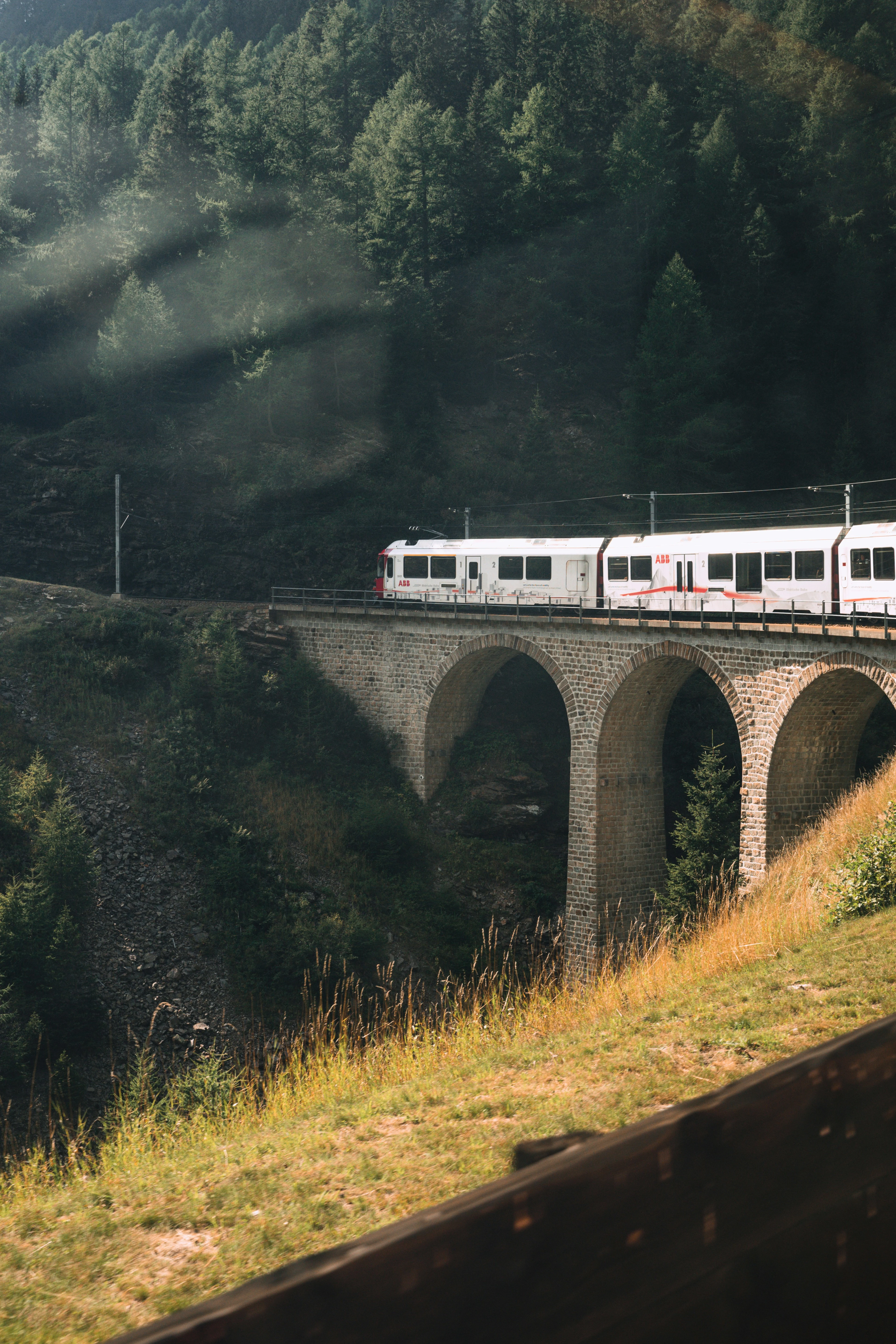
Few countries are better suited to luxury rail travel than Switzerland. This is not simply a convenient way to move between destinations.
The landscape is the attraction. The Glacier Express is the obvious example, connecting Zermatt and St.
Moritz through some of the country’s most dramatic mountain scenery. The Bernina Express offers another spectacular journey, crossing the Alps towards Italy.
For Indian travellers accustomed to thinking of trains primarily as transportation, Swiss rail offers a completely different perspective. The journey becomes part of the holiday.
A family can sit together and watch the landscape change. A couple can simply enjoy the scenery.
And for photographers, the windows provide an ever-changing view of the Alps.
The answer depends on what you want to see. Winter creates snow-covered landscapes and an entirely different atmosphere.
Summer brings green valleys, mountain trails and long daylight hours. Autumn can offer a quieter experience and changing colours.
There is no universally “best” season. The better question is: What do you want your Switzerland journey to look like?
That answer should determine the month.
Winter Switzerland is perhaps the version most people imagine. Snow.
Skiing. Chalets.
Mountain villages. Frozen lakes.
Fireplaces. But a luxury winter journey does not need to revolve around skiing.
That is particularly important for multi-generational families. One member of the family may want to ski all day.
Another may prefer a spa. Someone else may want a scenic train journey.
Children might want snow activities. The itinerary can accommodate all of them.
That is one of the advantages of choosing a well-located luxury property and building the holiday around it.
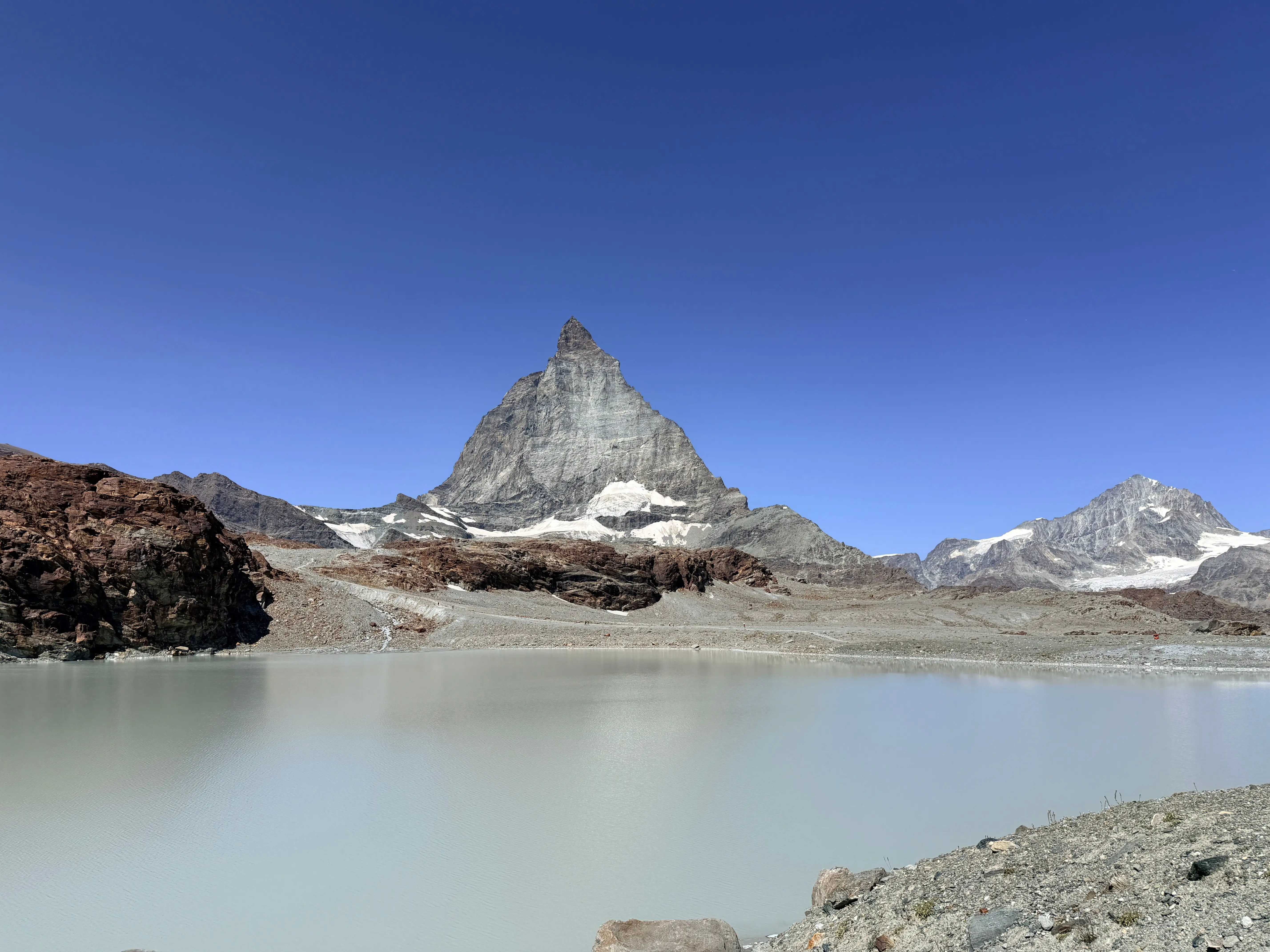
Summer reveals another side of the country. The Alps become greener.
Mountain trails open. Lakes become central to the experience.
Cycling, hiking, boating and scenic rail journeys become possible. For travellers who don’t ski, summer can actually be the better season.
A private guide can create a walking route suited to the group. A lake cruise can occupy an afternoon.
A mountain railway can take you to spectacular viewpoints without requiring strenuous hiking. And the evenings can be spent enjoying the landscape rather than rushing back from an excursion.
The shoulder seasons deserve more attention. They can offer a quieter interpretation of Switzerland and can be particularly attractive to travellers who have flexibility.
Spring brings the transition from winter into the Alpine season. Autumn brings changing colours and a more subdued atmosphere.
But the exact experience varies by altitude and region, which is another reason Switzerland benefits from destination-specific planning.
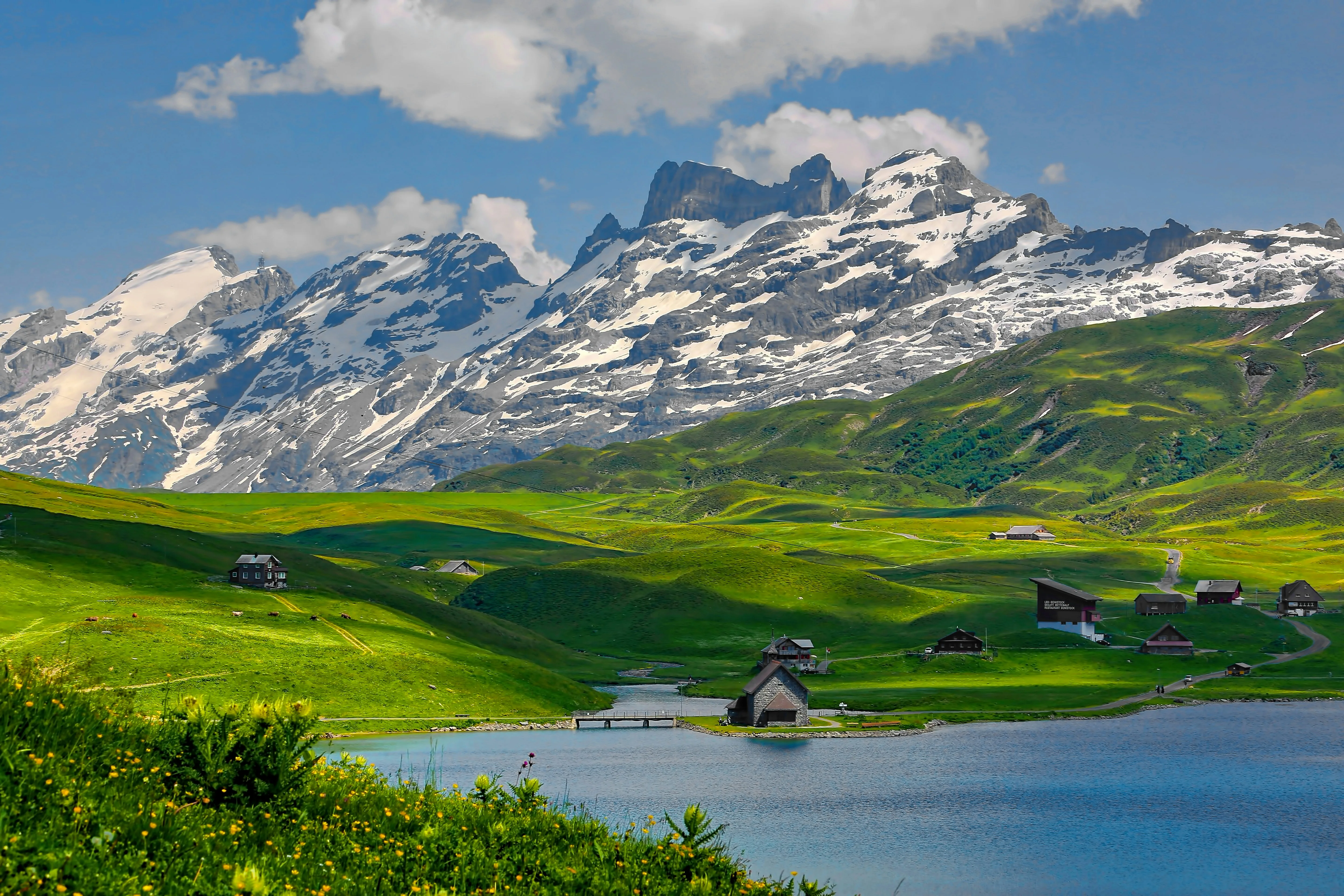
For an Indian family travelling with children, I would avoid making Switzerland a sightseeing marathon. Instead, build the trip around a few experiences.
A scenic train journey. A lake cruise.
A mountain excursion. A chocolate or culinary experience.
Time at the hotel. Perhaps a day of skiing or snow activities in winter.
The objective is to create memories rather than fill every available hour. Children also experience Switzerland differently when they are given opportunities to interact with the landscape rather than simply look at it through a car window.
This requires even more attention to pace. Grandparents may appreciate scenic rail journeys and lakeside towns.
Parents may want hiking or skiing. Children may want outdoor adventure.
Teenagers may want something more active. A private guide or flexible transportation can make these differences much easier to accommodate.
And importantly, the family doesn’t have to do everything together. One group can ski.
Another can visit a spa. Everyone can reunite for lunch or dinner.
That flexibility is one of the defining characteristics of a genuinely comfortable luxury family holiday.
For honeymooners, Switzerland can be remarkably romantic without needing to become overly programmed. A journey might combine: Lake Lucerne a mountain retreat Zermatt and perhaps Lake Como in Italy.
The emphasis can be on privacy, scenery and beautiful hotels rather than constant sightseeing. A private lake cruise.
A mountain-view dinner. A scenic rail journey.
A spa afternoon. A sunrise experience.
These are the moments that make the honeymoon feel personal.
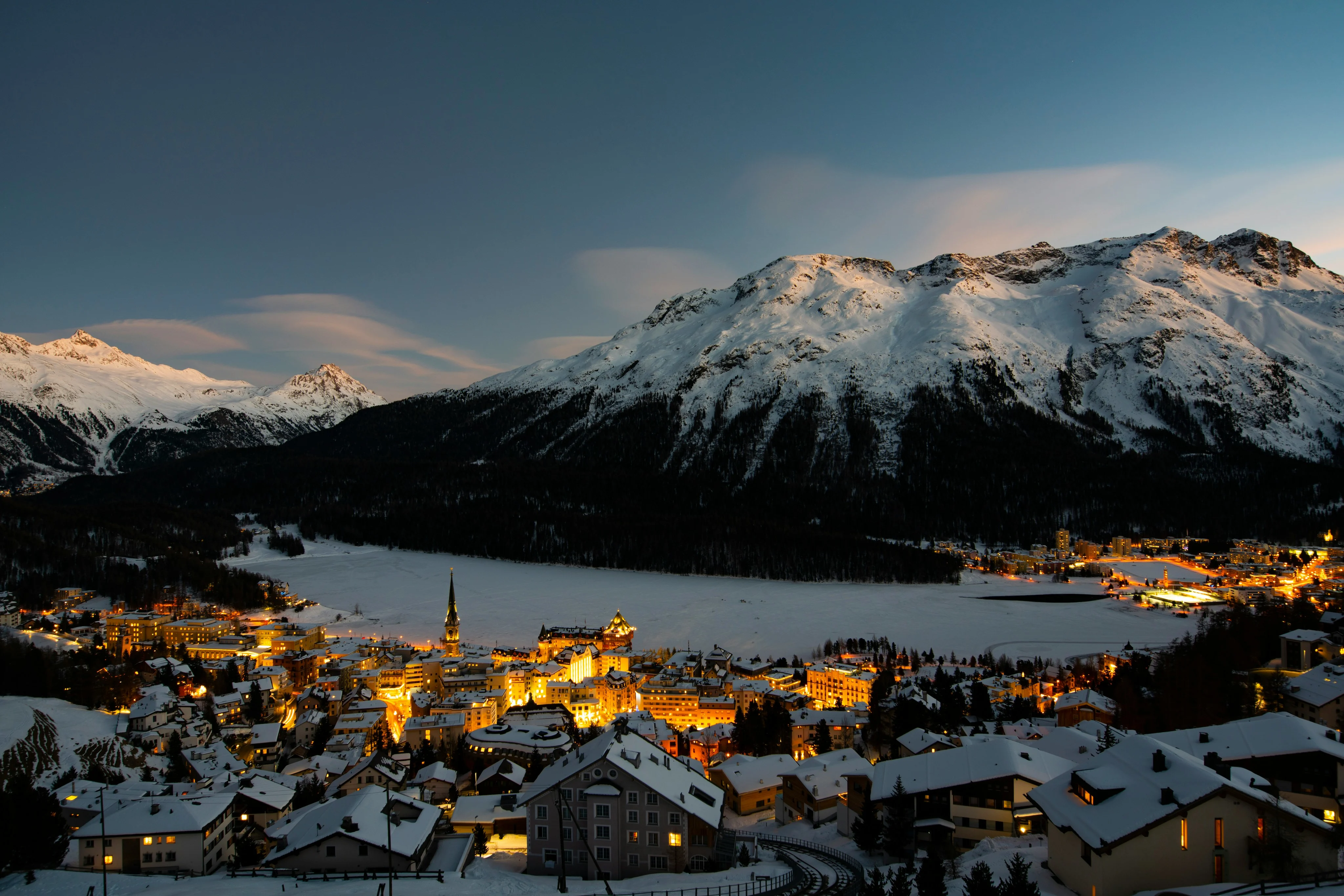
Switzerland naturally transitions into northern Italy. This is one of the most compelling multi-country combinations in Europe.
The mountains gradually give way to lakes, vineyards and Italian landscapes. The Bernina route can connect the Alpine experience with northern Italy, creating a journey in which the transportation itself becomes part of the story.
A possible progression could be: Zurich → Lucerne → St. Moritz → Lake Como → Milan Or, for a different rhythm: Zurich → Zermatt → Lake Como → Tuscany The exact route should depend on the season and traveller.
But the underlying principle is strong: mountains first, Italian lakes and food afterwards.
Switzerland can also work beautifully with France. A journey could begin in Paris before moving towards the Alps.
This creates an elegant contrast. Paris provides art, architecture, food and urban energy.
Switzerland provides mountains, lakes and open landscapes. For an Indian traveller taking a longer European holiday, this can create a very natural progression without requiring too many countries.
In Switzerland, the hotel is often part of the destination. A mountain property with views of the Alps creates a completely different experience from a city hotel.
For luxury travellers, I would consider: the setting room orientation access to activities spa and wellness dining family configuration transportation and seasonal operation . The most beautiful hotel on paper isn’t necessarily the right one.
A family may need connecting rooms. A couple may prioritise privacy.
A skier may need immediate access to the slopes. A multi-generational group may value a property where everyone can comfortably spend time together.
Hotel selection should therefore happen alongside itinerary planning, not after it.
Swiss cuisine is often overshadowed by the country’s scenery. That is a mistake.
Cheese, chocolate, regional specialities, fine dining and Alpine traditions can all become part of the journey. A private chocolate-making experience can be particularly engaging for families.
For adults, a carefully selected restaurant or regional culinary experience can provide a deeper understanding of the destination. And Switzerland’s proximity to France and Italy makes it particularly easy to extend a culinary journey beyond Swiss borders.
There is no need to turn every activity into a VIP experience. The best private experiences are those that solve a genuine travel need or provide meaningful access.
A private mountain guide. A specialist photography excursion.
A private lake cruise. A chocolate-making experience.
A culinary experience with a local expert. A private transfer through the Alps.
A specialist watchmaking experience. The purpose should always be clear.
Luxury is not simply having fewer people around you. It is having more control over how you experience the destination .
For a first luxury Switzerland journey, approximately 8 to 12 nights can provide a comfortable framework. A shorter trip might focus on: Zurich + Lucerne + one Alpine base.
A longer journey could add: Zermatt + St. Moritz or extend into Italy.
The mistake is assuming that more destinations automatically mean a better trip. Switzerland is one of the countries where staying longer in fewer places can actually increase the sense of luxury.
One possible structure could be: Days 1–2: Zurich Arrival, recovery from the long-haul journey and a gentle introduction to Switzerland. Days 3–4: Lucerne Lake experiences, the old town and a mountain excursion.
Days 5–7: Zermatt Matterhorn views, Alpine experiences and time to enjoy the resort. Days 8–10: St.
Moritz Scenic rail travel, the Engadin landscape and a slower final chapter. This is only a framework.
For a family, Lucerne might deserve more time. For a honeymoon, Zermatt could be extended.
For a summer journey, St. Moritz could become the main outdoor base.
For a winter ski holiday, the balance would change again.
I would avoid changing hotels every one or two nights. I would avoid trying to cover every major mountain destination.
I would avoid planning every hour. I would avoid choosing hotels without considering the season.
And I would avoid treating Switzerland as a backdrop between Paris and Italy. The country deserves to be experienced on its own terms.
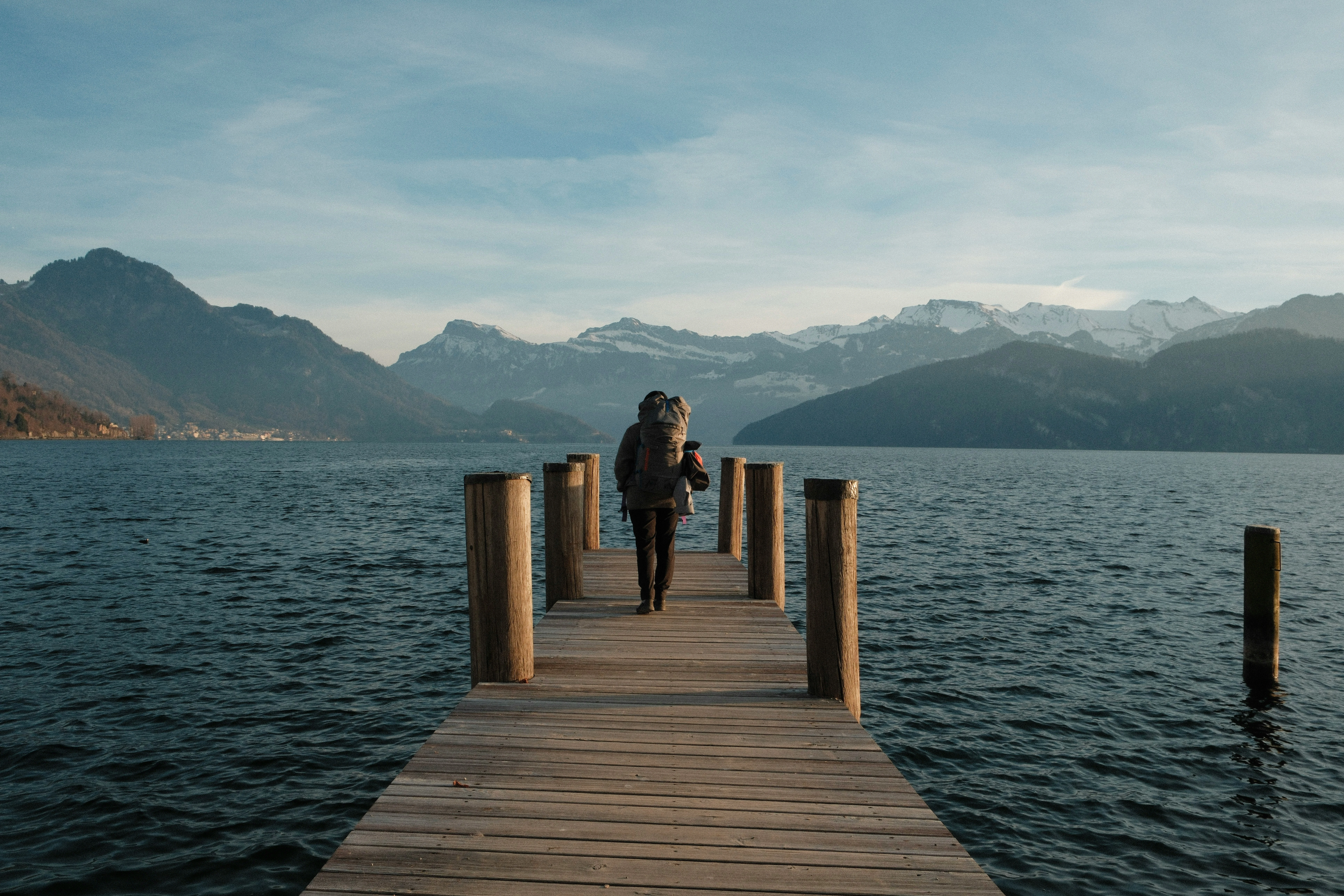
Perhaps the most important thing to understand about luxury Switzerland is that the country rewards slowing down. Sit beside a lake.
Watch a mountain train disappear into the valley. Have lunch overlooking the Alps.
Take the long route because the scenery is worth it. Spend another hour at the hotel spa.
Let the children play in the snow. Stay for sunset.
These aren’t gaps in the itinerary. They are the itinerary.
For a first-time Indian luxury traveller, I would start with a combination such as: Zurich → Lucerne → Zermatt → St. Moritz and allow the journey to unfold gradually.
For a honeymoon: Lucerne → Zermatt → Lake Como For a family: Zurich → Lucerne → Bernese Oberland → Lake Como For a winter ski holiday: Zurich → Zermatt → St. Moritz For a repeat traveller: Engadin → lesser-known Alpine villages → Italian Lakes The exact route is less important than the logic behind it.
Each destination should contribute something different. Each transfer should have a purpose.
Each hotel should fit the traveller. And there should be enough time to actually enjoy Switzerland.
Because the most luxurious way to experience the country is not to see everything. It is to experience a few places exceptionally well.
Amisha Shetth is the Founder and Chief Experiential Officer at Bliss Travels, a luxury and bespoke travel company specializing in personalized international journeys. Her approach focuses on matching destinations, hotels, experiences, transportation and pace to the traveller, creating seamless journeys that go beyond standard Switzerland itineraries.