
CALL US ON
+91 91523 09966
CALL US ON
+91 91523 09966
By Amisha Shetth
Asia is too large to experience in a single holiday. That is precisely what makes planning a luxury journey here so interesting.
Within a few hours of one another, the character of a trip can change completely: from the energy of Tokyo to the quiet of a Japanese ryokan, from the temples of Cambodia to the beaches of Thailand, or from the Himalayan valleys of Bhutan to the tropical landscapes of Indonesia. For Indian luxury travellers, Asia also offers something particularly valuable.
It can provide extraordinary variety without always requiring the long-haul travel involved in reaching Europe, Africa or South America. But a multi-country Asian holiday should not be approached as a checklist of countries.
The best journeys are built around contrast . Culture followed by nature.
City followed by wilderness. Adventure followed by relaxation.
Ancient traditions followed by contemporary design. And, above all, enough time in each place for the experience to feel meaningful.
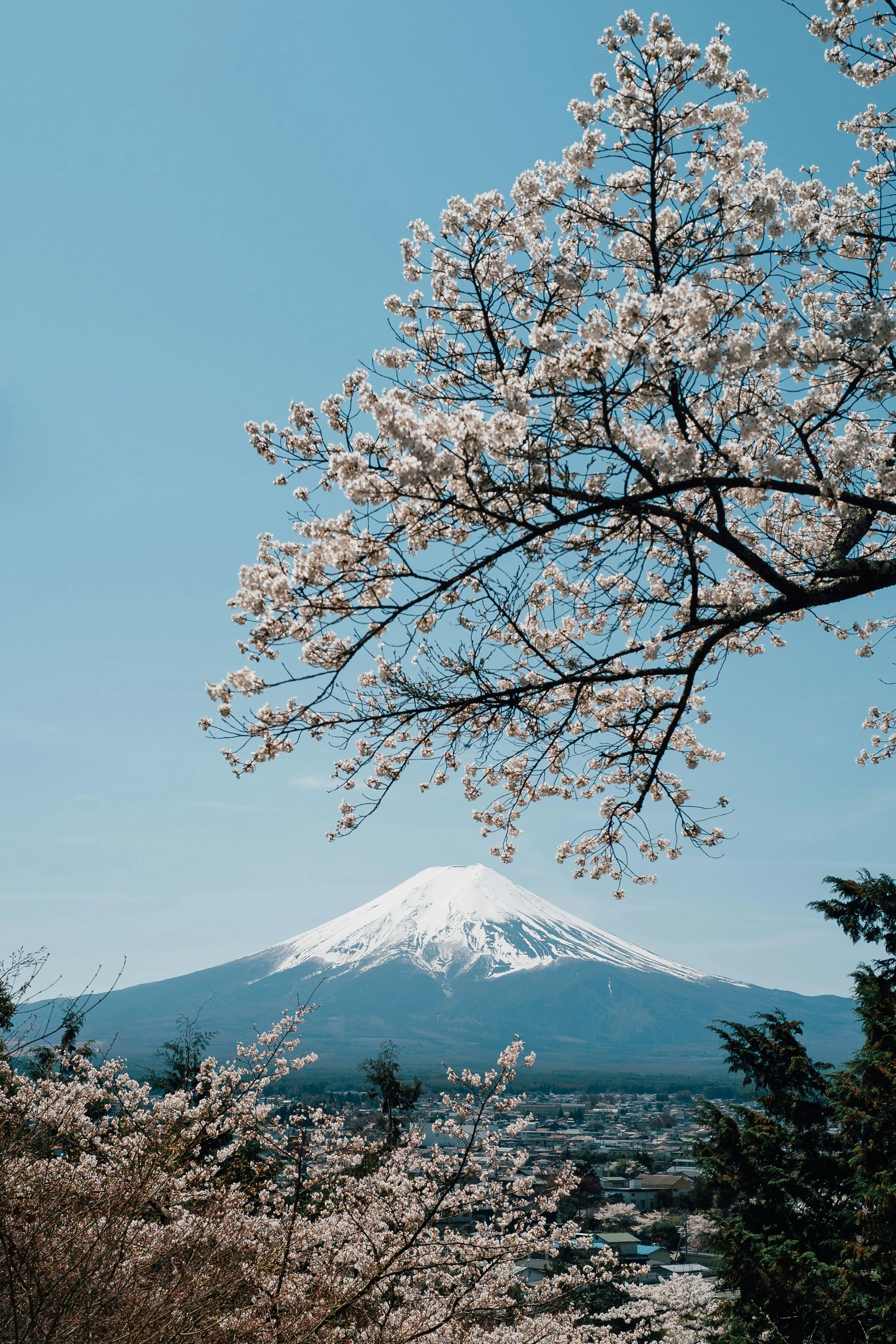
For 2026, one particularly interesting way to approach luxury Asia is to combine Japan, Bhutan and Thailand . Three countries.
Three completely different interpretations of Asia. One journey.
At first glance, the combination may seem unusual. Japan is highly developed, technologically sophisticated and deeply rooted in tradition.
Bhutan is Himalayan, peaceful and culturally distinctive. Thailand brings tropical landscapes, exceptional hospitality, food and beaches.
That contrast is exactly why the combination works. Instead of moving between three destinations that feel broadly similar, the traveller experiences three very different sides of Asia.
The journey can also be adapted for different types of travellers. For a couple, it can become a sophisticated cultural and wellness journey.
For a family, it can combine food, culture, nature and beach time. For a multi-generational family, the itinerary can be slowed down and built around comfortable hotels, private guides and experiences that work across different ages.
A journey of this scale works well when the first destination immediately feels different from home. Japan does exactly that.
Tokyo can provide the energetic beginning: contemporary architecture, exceptional restaurants, neighbourhoods with completely different personalities, Japanese design and an extraordinary blend of modernity and tradition. But Tokyo should not be treated simply as a list of landmarks.
The most interesting experiences are often more specific. A private food experience.
A specialist guide through a particular neighbourhood. A visit to a traditional craft workshop.
An evening focused on Japanese cuisine. Or a day deliberately designed around the interests of the family.
The point is not to see Tokyo as quickly as possible. It is to understand why the city feels the way it does.
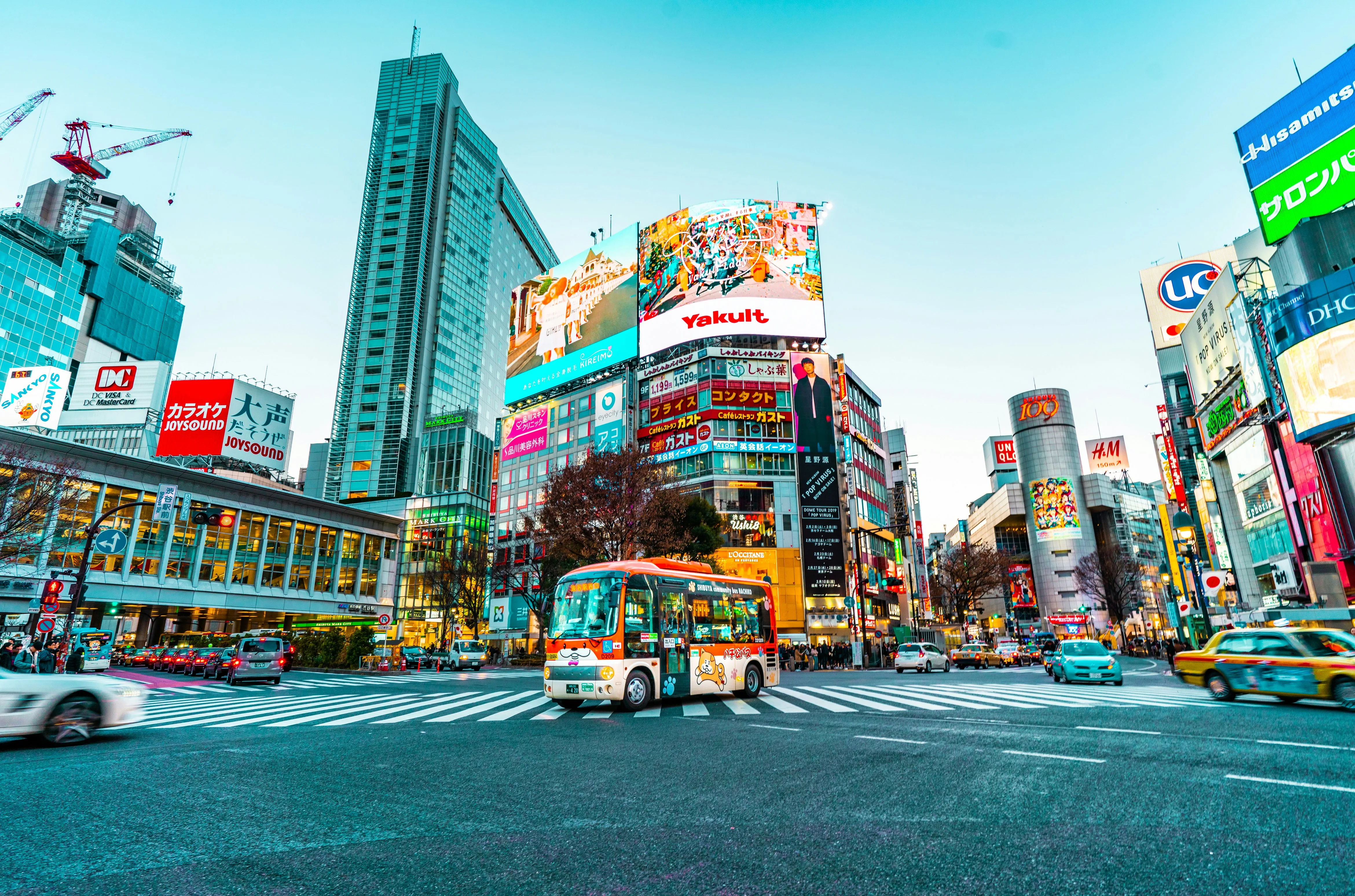
For a couple, Tokyo can be built around food, design, art and intimate neighbourhood experiences. For families, the city can combine technology, pop culture, interactive experiences and Japanese traditions.
For multi-generational groups, private transportation and carefully chosen guides can remove much of the friction associated with navigating a large city. This is one of the reasons private planning becomes particularly valuable in Japan.
The same city can be completely different depending on who is travelling.
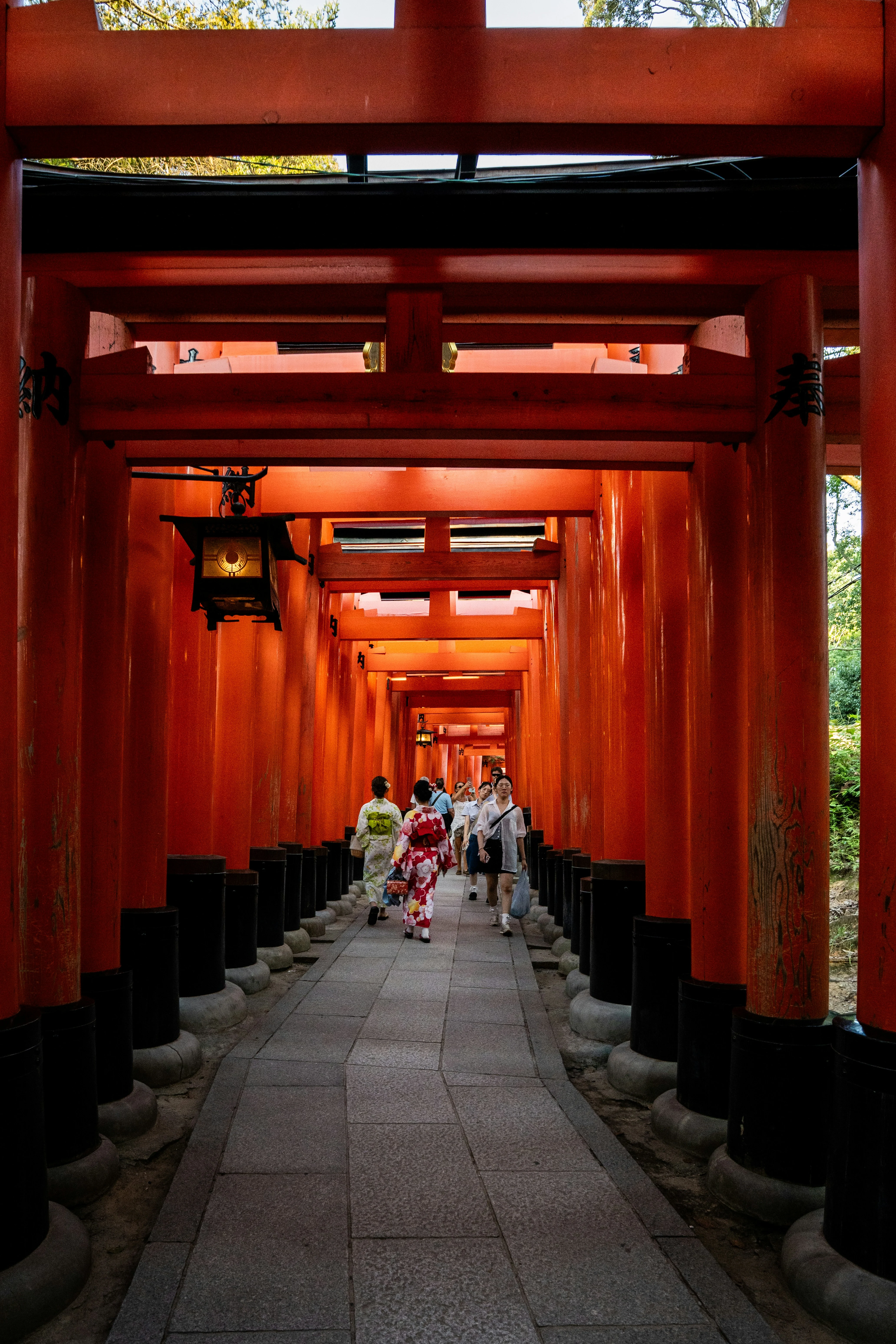
After Tokyo, Kyoto provides a natural change of rhythm. The contrast is important.
Tokyo is movement. Kyoto is atmosphere.
Here, the journey can focus on temples, gardens, traditional architecture, tea culture, seasonal cuisine and historic neighbourhoods. But Kyoto is best experienced without trying to see every famous temple.
Choose a few meaningful experiences instead. A private cultural guide can introduce the history behind the places being visited.
A traditional tea experience can provide a more intimate understanding of Japanese culture. A carefully selected restaurant can turn dinner into an experience rather than simply another meal.
And a stay in a traditional ryokan can change the entire pace of the journey.
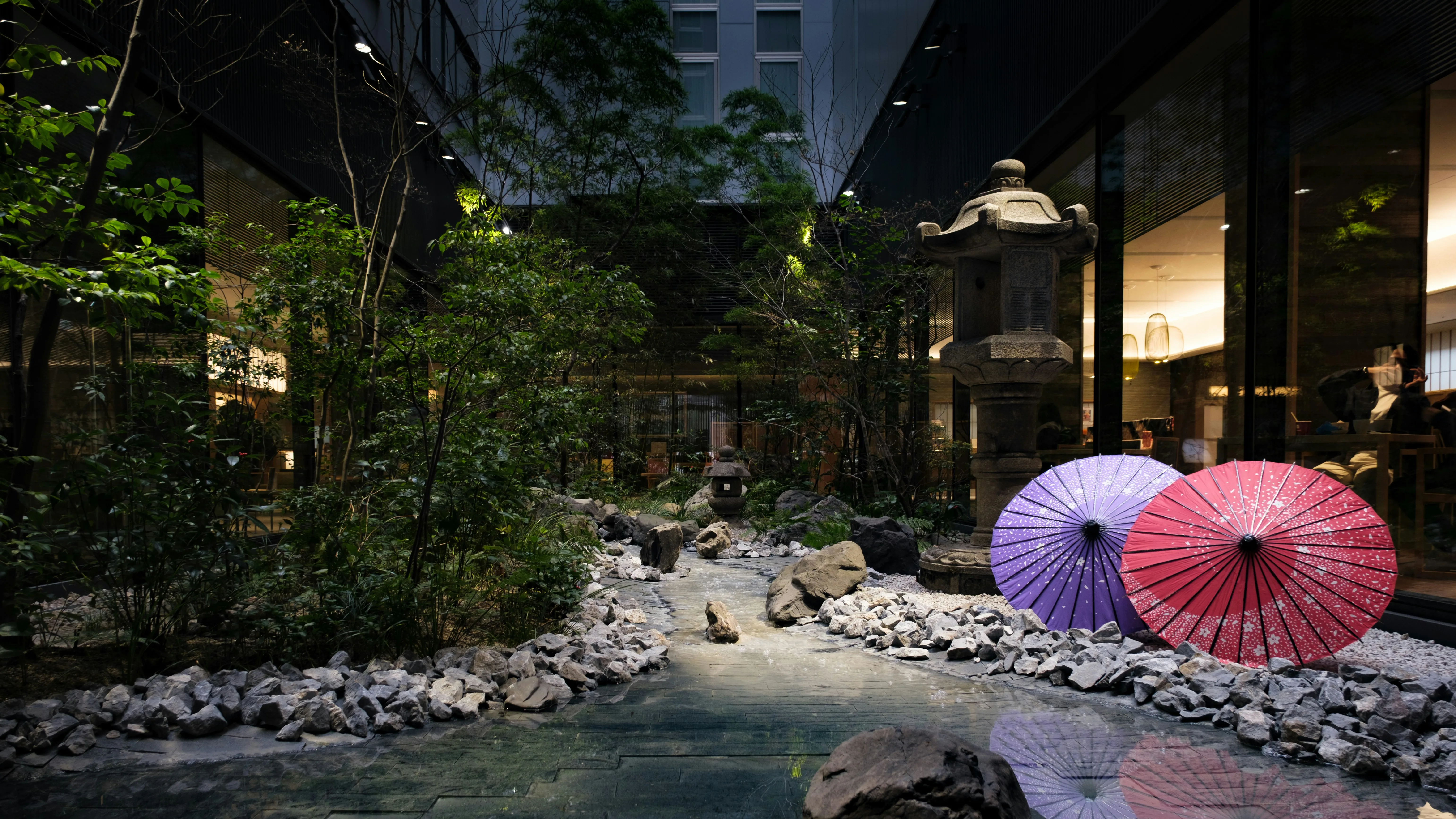
For a luxury traveller, one of the most memorable parts of Japan may not be a five-star city hotel. It may be a traditional ryokan.
The experience is fundamentally different. Tatami rooms.
Seasonal cuisine. Japanese hospitality.
Onsen bathing. Quiet surroundings.
And a rhythm that encourages the traveller to slow down. For families and couples who have spent several days exploring Tokyo and Kyoto, this can provide an important pause before continuing the journey.
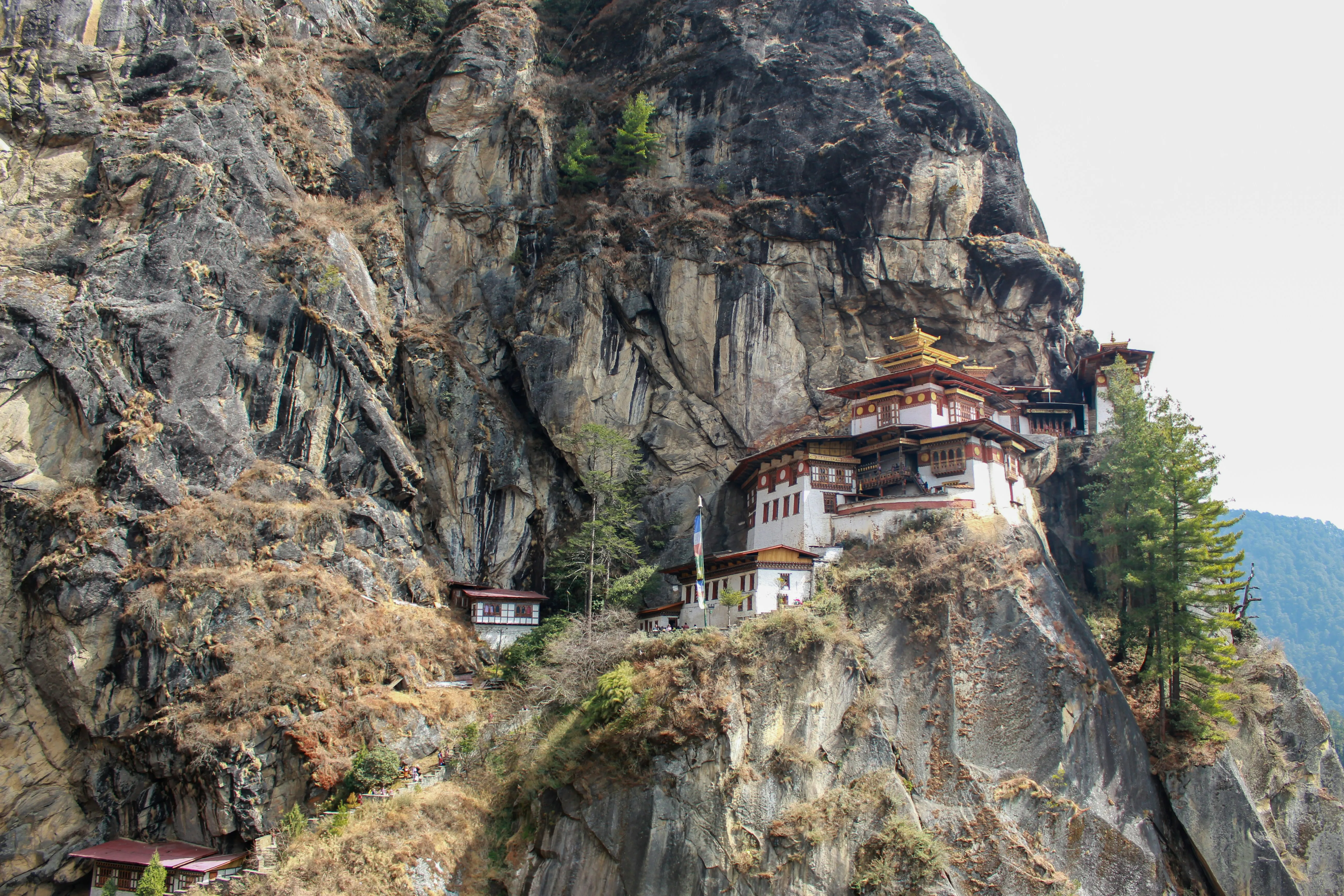
From Japan, the journey changes completely. Bhutan is not about adding more sights to the itinerary.
It is about removing unnecessary speed. The Himalayan kingdom offers a very different interpretation of luxury: privacy, nature, cultural depth, wellness and time.
A Bhutan journey can move through destinations such as: Thimphu Punakha Gangtey and Paro . But the number of places matters less than the amount of time spent in them.
A morning hike may be followed by lunch overlooking the valley. An afternoon could be spent exploring a monastery.
Another day might involve simply enjoying the landscape and the hotel. This is where Asia’s diversity becomes particularly apparent.
The journey has moved from one of the world’s most energetic cities to an environment where quietness becomes part of the experience.
Bhutan can work exceptionally well for families who want a cultural journey without constant sightseeing. Children can experience monasteries, mountain landscapes and local traditions.
Parents can combine those experiences with wellness and beautiful accommodation. Older travellers can enjoy the scenery without being expected to rush from attraction to attraction.
And because the country naturally encourages a slower pace, it can provide a welcome change after Japan.
One of the mistakes I would avoid is trying to turn Bhutan into another sightseeing circuit. The value lies partly in what happens between the major experiences.
Walking through a valley. Watching the landscape change.
Having tea after a morning excursion. Returning to the hotel early.
Spending time together. Luxury travel increasingly means creating room for these moments.
Bhutan is particularly good at it.
After Japan’s cities and Bhutan’s mountains, Thailand provides the final change of atmosphere. And this is where the journey should become lighter.
Thailand offers an extraordinary combination of food, culture, beaches, wellness and hospitality. Bangkok can provide the final major city experience before the itinerary moves towards the coast.
But there is no need to spend the entire Thailand section moving around. For a luxury journey, I would usually choose one coastal region or island that complements the rest of the itinerary.
Depending on the season and traveller, possibilities could include: Phuket Koh Samui Krabi or another carefully selected island or coastal retreat.
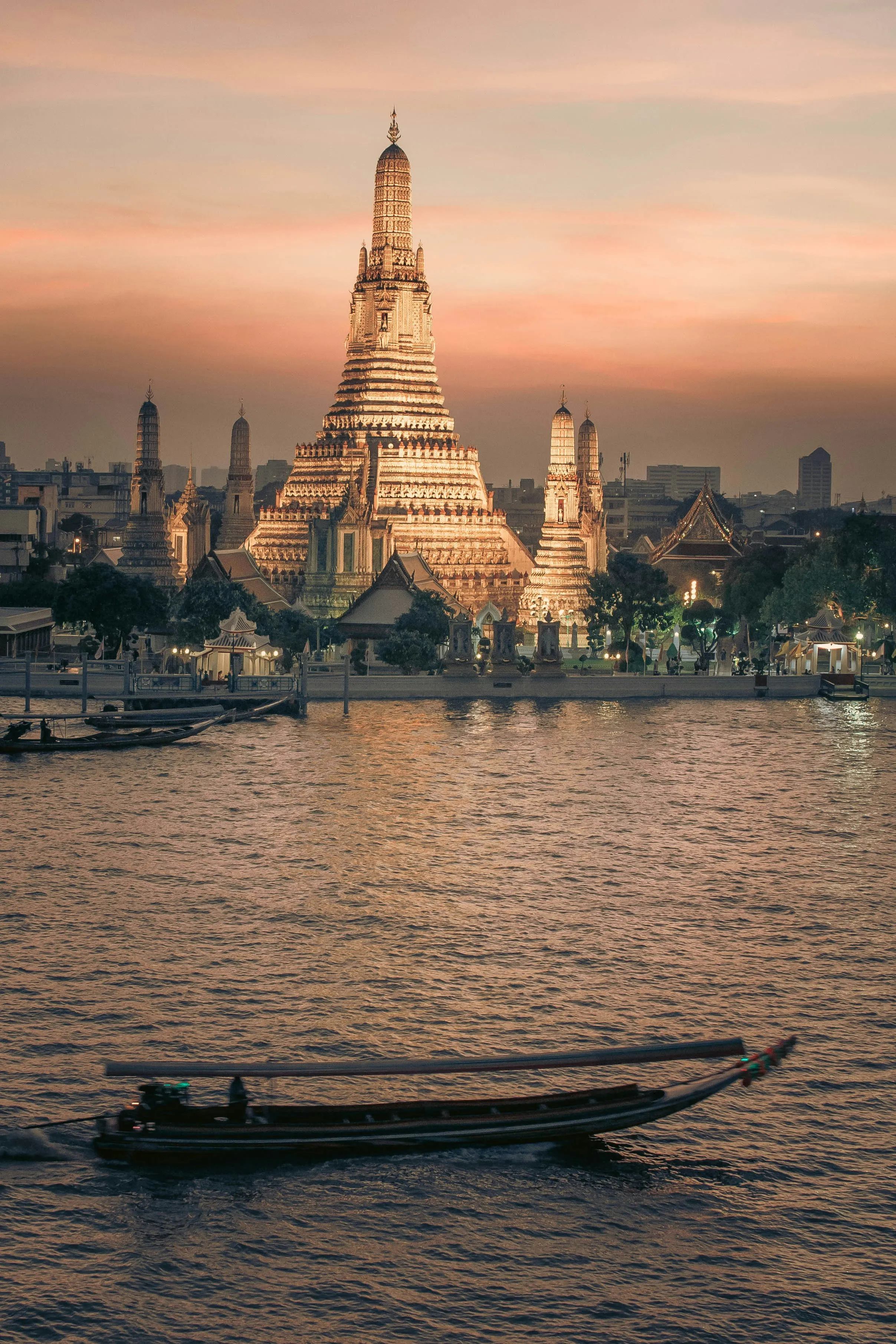
Bangkok deserves to be treated as a destination rather than simply the airport through which the traveller enters Thailand. It offers exceptional food, markets, temples, contemporary design and a very different urban energy from Tokyo.
A private guide can make the city considerably more accessible. A family might explore its food culture.
A couple might focus on dining and design. A multi-generational family might combine cultural experiences with time at the hotel and a carefully planned river experience.
Again, the destination stays the same. The experience changes according to the traveller.
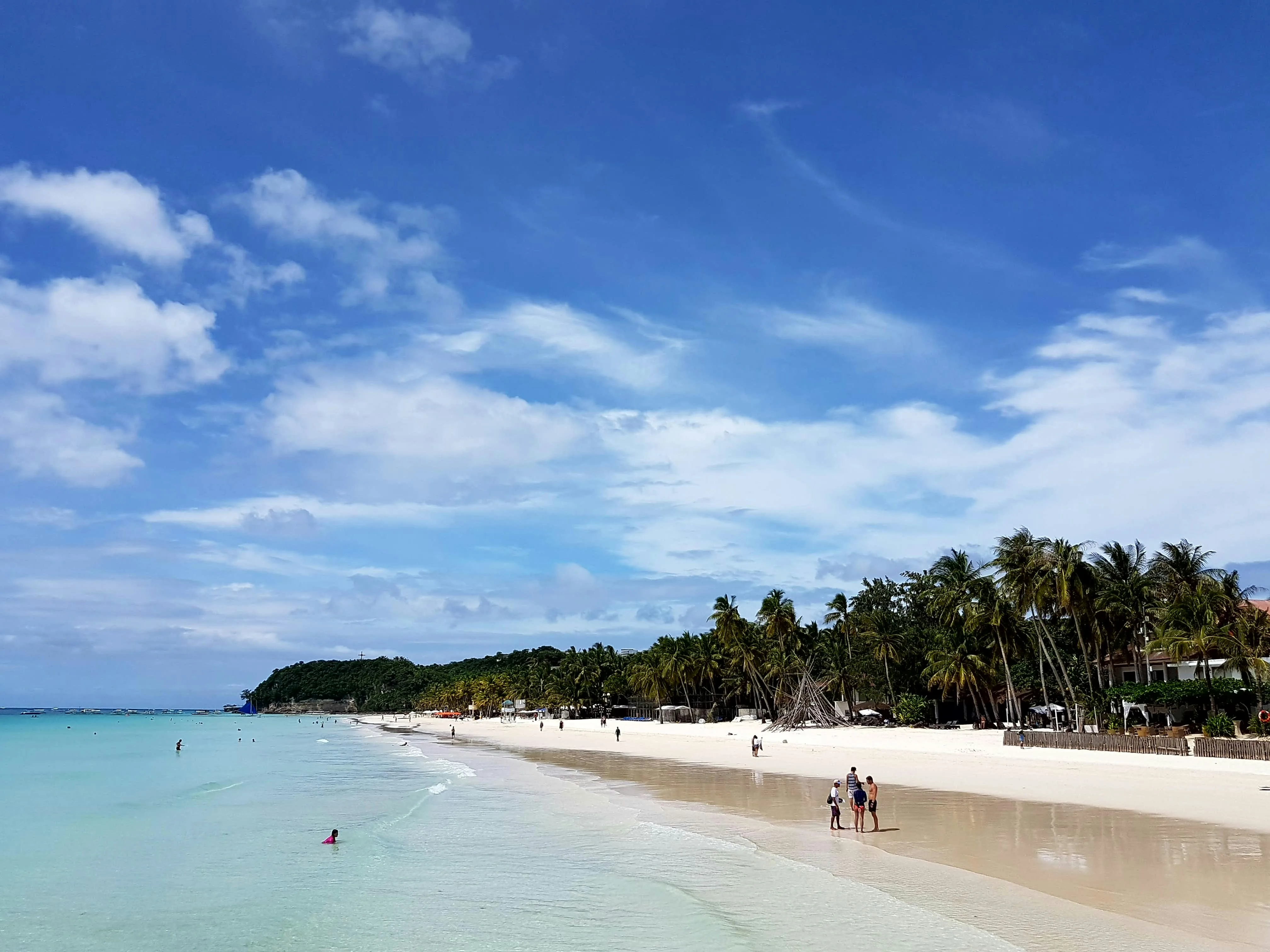
The final days of a long Asian journey should not feel like another itinerary. They should feel like an exhale.
This is where Thailand’s luxury resorts and private villas can work particularly well. After Tokyo’s energy and Bhutan’s mountains, the final section can be about: long lunches spa treatments private boat trips snorkelling beach time and unstructured afternoons .
The objective is not to see another ten attractions. It is to give the traveller time to absorb the journey.
The reason this itinerary works is not simply that all three destinations are luxurious. It is the rhythm.
Japan Culture + design + food + energy ↓ Bhutan Mountains + spirituality + nature + stillness ↓ Thailand Beach + wellness + food + relaxation Each destination solves a different part of the holiday. That is what makes a multi-country itinerary feel coherent.
For this particular combination, I would avoid trying to do it in two weeks. A more comfortable journey would be approximately 18 to 24 nights , depending on the number of stops and the traveller’s interests.
A possible framework could be: Days 1–5: Tokyo Days 6–8: Kyoto Days 9–13: Bhutan Days 14–16: Bangkok Days 17–22: Thailand beach retreat The exact number of nights should change according to the traveller. A couple may want more time in Kyoto.
A family may prefer additional beach time. A repeat Japan traveller may reduce Tokyo and add Hokkaido.
A wellness-focused journey might increase the Bhutan component. There is no reason to make every itinerary identical.
Not every traveller wants the Himalayan section. For someone more interested in food, history and Southeast Asia, another sophisticated combination could be: Japan + Vietnam + Thailand Japan provides the cultural beginning.
Vietnam introduces a completely different culinary and historical landscape. Thailand provides the relaxed finale.
The journey could move through: Tokyo Kyoto Hanoi Hoi An and a carefully selected Thai beach destination. This creates another example of how multi-country Asia can be designed around contrast rather than simply geography.
A more adventurous journey could combine Japan with Indonesia. Japan provides culture, food and design.
Indonesia then introduces volcanoes, rainforest, marine life and island landscapes. A more ambitious itinerary could incorporate: Tokyo Kyoto Bali and Komodo .
For the right traveller, a private yacht around the Komodo Islands can completely change the character of the journey. This is particularly interesting for families and active travellers who want luxury without sacrificing adventure.
For travellers who don’t need major cities, Asia can be approached very differently. Bhutan provides mountains and culture.
Nepal adds Himalayan landscapes and heritage. The Maldives provides a final stretch of complete relaxation.
The result is less about sightseeing and more about: nature wellness privacy adventure and rest . This can work particularly well for couples and travellers who want their holiday to feel restorative.
One of the most important principles in luxury Asia is not choosing the same kind of hotel everywhere. The accommodation should reflect the destination.
In Tokyo, location and service can matter enormously. In Kyoto, a traditional ryokan may be more meaningful than a conventional luxury hotel.
In Bhutan, the setting and sense of place become central. In Thailand, the resort itself can become part of the final experience.
The hotel should therefore answer the question: “What should this destination feel like?” rather than simply: “Which hotel has the highest rating?”
A luxury itinerary does not need a private experience every morning. In fact, that can make a trip feel strangely manufactured.
Instead, choose experiences where private access genuinely improves the journey. For example: A private culinary experience in Tokyo.
A specialist cultural guide in Kyoto. A private monastery or cultural experience in Bhutan.
A guided food journey in Bangkok. A private boat day in Thailand.
A family cooking experience. A private wildlife or nature excursion.
The strongest experiences are those that help the traveller understand somewhere rather than simply photograph it.
For Indian families, particularly multi-generational groups, several details deserve attention from the beginning. Meal preferences should be discussed early.
Travel times should be realistic. Hotels should be chosen around room configurations.
Private transfers can be valuable when the group is large. Downtime should be deliberately built into the itinerary.
And the activities should accommodate different generations. The youngest traveller and oldest traveller should not be expected to have the same definition of a perfect day.
The itinerary should make room for both.
Asia can also be an extraordinary honeymoon destination because the continent offers such a wide range of experiences. A honeymoon could combine: Japan’s food and culture, Bhutan’s mountains and privacy, and Thailand’s beaches.
Or Japan could be paired with Indonesia. Thailand could be combined with Cambodia.
Bhutan could be followed by the Maldives. The important thing is to avoid making the honeymoon feel like three separate holidays.
The transitions should be intentional. The journey should gradually change mood.
Asia cannot be treated as one climate. This is one of the most important things to understand before planning a multi-country trip.
Japan has pronounced seasonal changes. Bhutan is strongly influenced by Himalayan conditions.
Thailand’s best travel periods vary by region. Indonesia follows different weather patterns.
Vietnam’s climate varies significantly between north and south. That means there is no universal answer to: “What is the best month for Asia?” The better question is: “Which combination of countries works best for the month I want to travel?” That should be one of the first decisions made when planning the journey.
Asia rewards restraint. It would be possible to add Singapore.
Then Cambodia. Then Vietnam.
Then Indonesia. Then the Maldives.
Then another country. But every additional destination introduces another transfer, another hotel and another change of rhythm.
The luxury disappears when the traveller spends half the holiday packing. Three countries can be more luxurious than six.
Four can work beautifully when there is enough time. The goal is not to maximise the passport stamps.
It is to maximise the quality of the experience.
It is not simply the hotel category. It is the way the entire journey responds to the traveller.
A family that loves food should not receive the same itinerary as a family that loves wildlife. A couple who has already visited Japan should not receive a first-time Japan itinerary.
A multi-generational group should not be travelling at the pace of a pair of twenty-five-year-olds. And someone celebrating a milestone should have the journey built around the occasion.
The destination is only the starting point. The real work is in the interpretation.
Asia is sometimes presented as a collection of beautiful countries. I think it is more useful to see it as a collection of completely different experiences.
Japan can teach you to notice detail. Bhutan can teach you to slow down.
Thailand can remind you how enjoyable it is to do nothing. And that is perhaps the greatest reason to travel across Asia rather than simply visit one country.
The contrast becomes part of the luxury.
If I wanted to introduce a sophisticated Indian traveller to several different sides of Asia in one journey, I would seriously consider: Tokyo → Kyoto → Bhutan → Bangkok → Thailand’s coast It has energy. It has culture.
It has mountains. It has exceptional food.
It has wellness. And it ends beside the sea.
But the route should never become a template. The traveller might need more time in Japan.
Another family might prefer Vietnam. A repeat traveller might want Indonesia.
Someone looking for complete tranquillity might choose Bhutan and the Maldives instead. The best Asian journeys are not necessarily the ones with the most destinations.
They are the ones where each destination has a reason for being there. And when the transitions are designed properly, Asia stops feeling like a collection of countries.
It becomes one extraordinary journey.
Amisha Shetth is the Founder and Chief Experiential Officer at Bliss Travels, a luxury and bespoke travel company specializing in personalized international journeys. Her approach focuses on creating multi-country journeys where destinations, hotels, private experiences, transportation and pace are carefully matched to the traveller.