
CALL US ON
+91 91523 09966
CALL US ON
+91 91523 09966
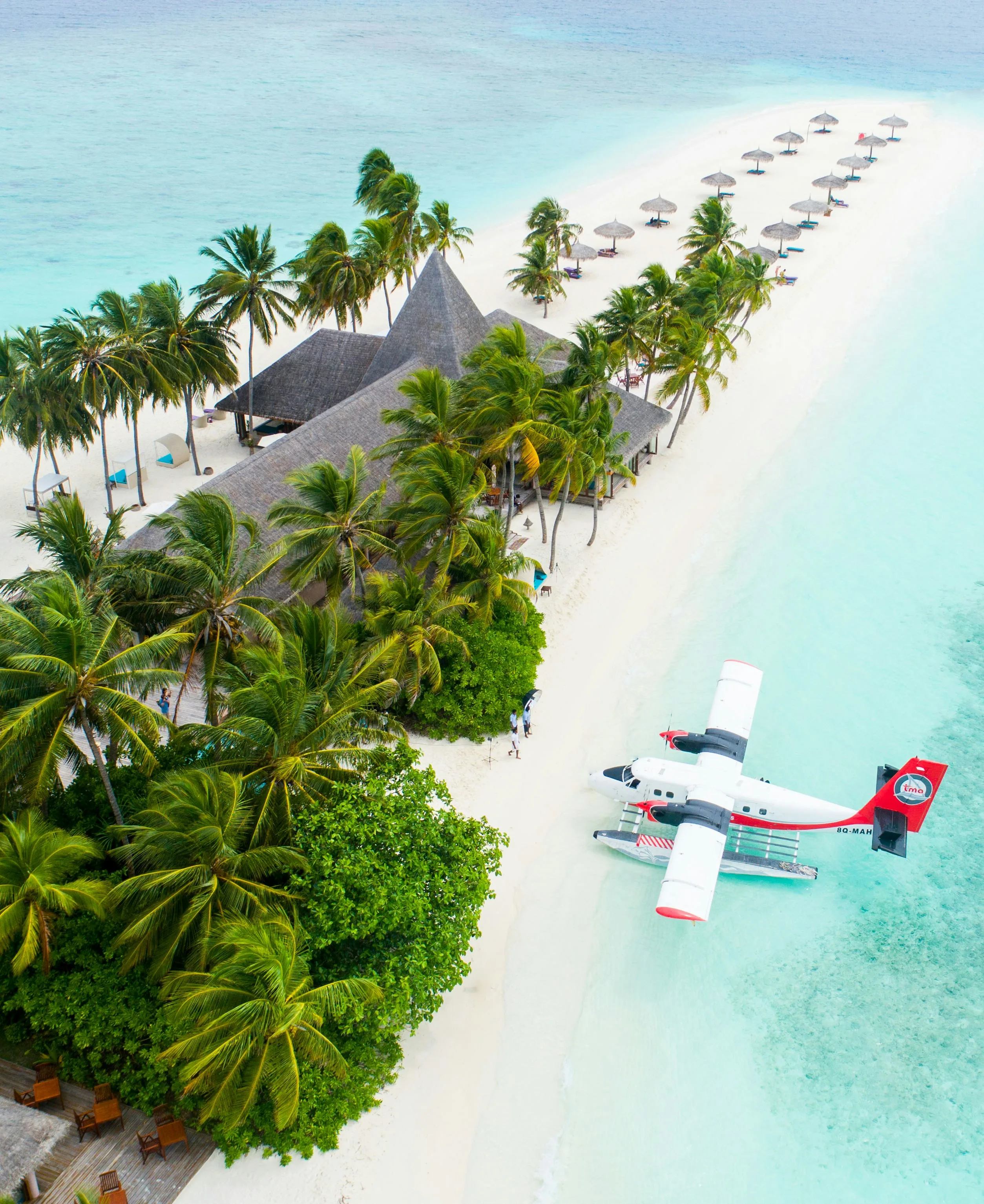
By Amisha Shetth
There is no shortage of places to travel in 2026. The more interesting question is which destinations are actually worth using your limited holiday time for.
For Indian luxury travellers, international travel has become considerably more sophisticated. A holiday is increasingly less about collecting destinations and more about choosing the right combination of experiences, hotels, food, culture, privacy and pace.
That changes the way I would approach a list of the best international trips from India in 2026. I wouldn’t simply rank ten countries.
I’d ask: What kind of trip are you looking for? Because the best international destination for a honeymooner may be completely wrong for a family of three generations, and the destination that is perfect for a first-time traveller may feel predictable to someone who has already travelled extensively.
Here are the journeys I would be looking at most closely in 2026.
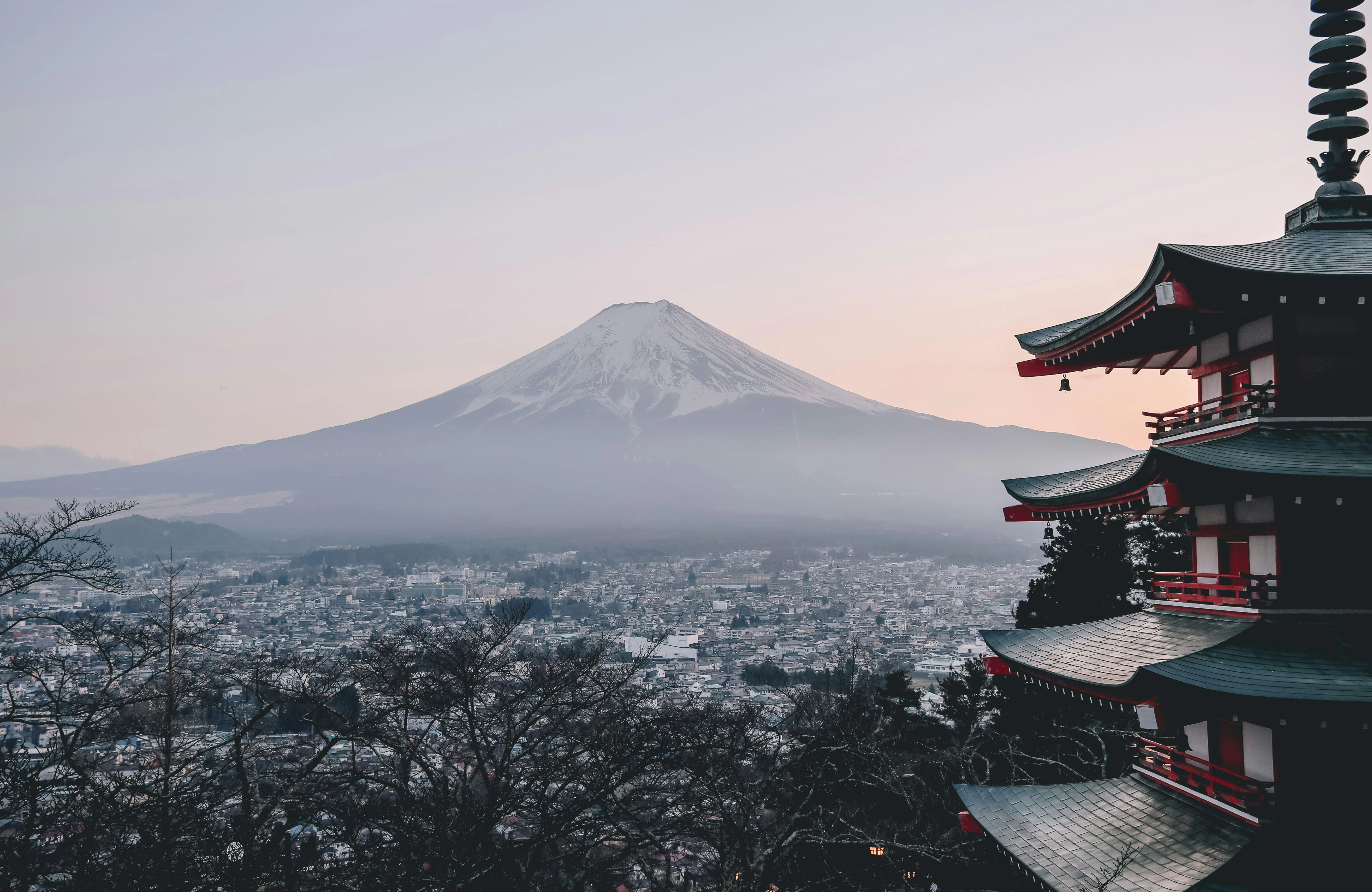
Japan continues to be one of the most interesting international destinations for sophisticated travellers. The reason isn’t simply cherry blossoms, Tokyo or Kyoto.
It is the sheer range of experiences within one country. You can move from contemporary architecture and exceptional restaurants in Tokyo to traditional ryokans, onsen, Japanese gardens, regional cuisine and ancient cultural traditions.
Japan also works particularly well for travellers who have already experienced conventional luxury destinations. Its luxury is less about spectacle and more about craftsmanship, hospitality, detail and access.
For Indian families, it has another advantage: different generations can find completely different reasons to enjoy the same trip. Parents may gravitate towards food and culture.
Children may be fascinated by technology and pop culture. Grandparents may appreciate gardens, history and traditional hospitality.
Families, couples, repeat luxury travellers, food lovers and culture enthusiasts.
Rather than rushing through Tokyo, Kyoto and Osaka, consider combining the major cities with a slower component such as Hakone, Kanazawa, the Japanese Alps or Hokkaido.
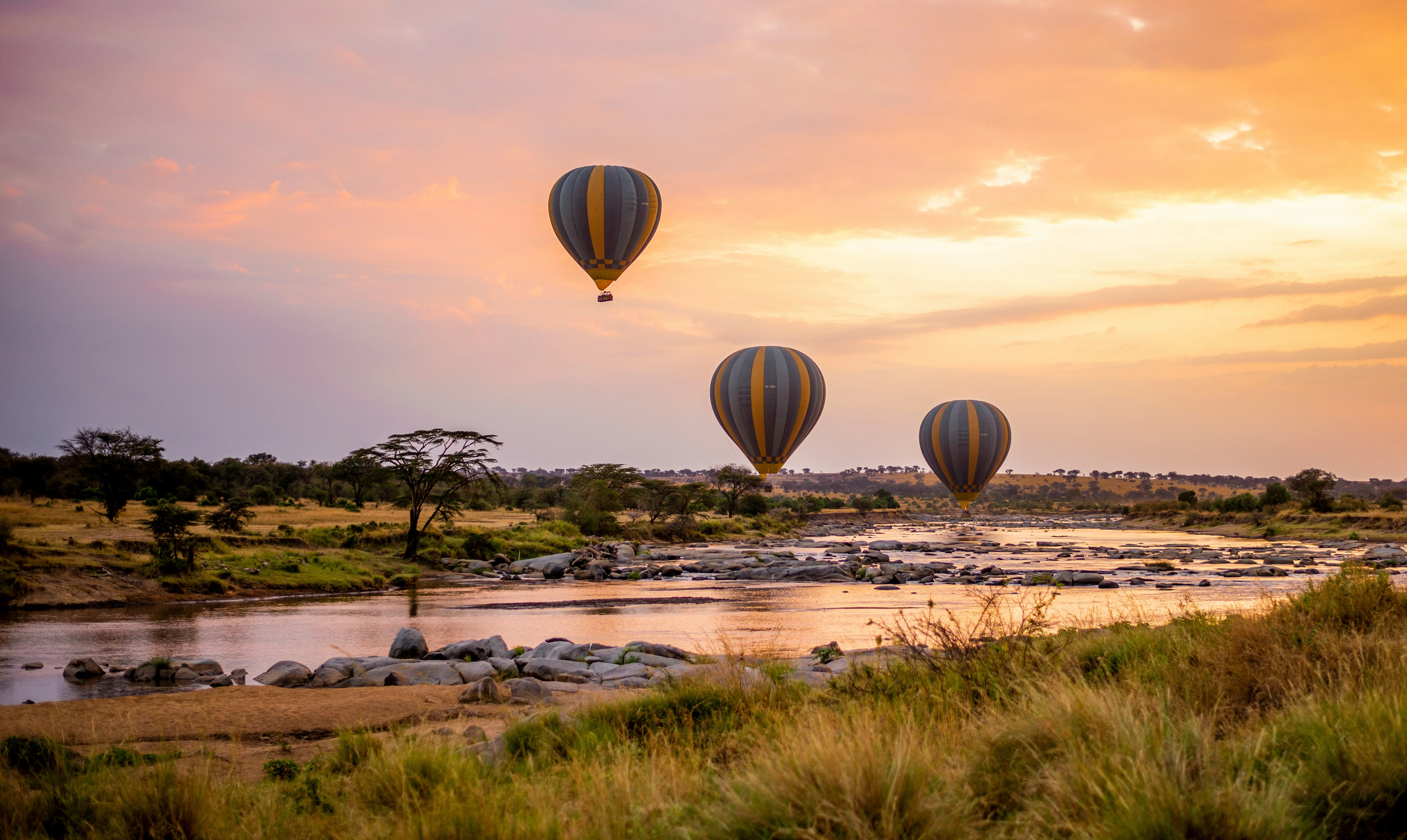
If the objective is wildlife, few international trips can compete with East Africa. Kenya and Tanzania are particularly compelling because the Serengeti-Mara ecosystem crosses the two countries, meaning the Great Migration isn’t really a Kenya-versus-Tanzania phenomenon.
It is one connected ecological system. The annual movement involves more than one million wildebeest alongside large numbers of zebra and other grazing animals, with the exact location changing throughout the year.
A luxury journey could combine the Maasai Mara, a private conservancy, Ngorongoro and the Serengeti and, depending on the traveller, Zanzibar. The key is not simply booking the most expensive safari camp.
It is choosing the right camp in the right ecosystem at the right time.
Families, wildlife enthusiasts, honeymooners, photographers and adventurous luxury travellers.
Approximately 10 to 14 nights for a meaningful Kenya and Tanzania journey.
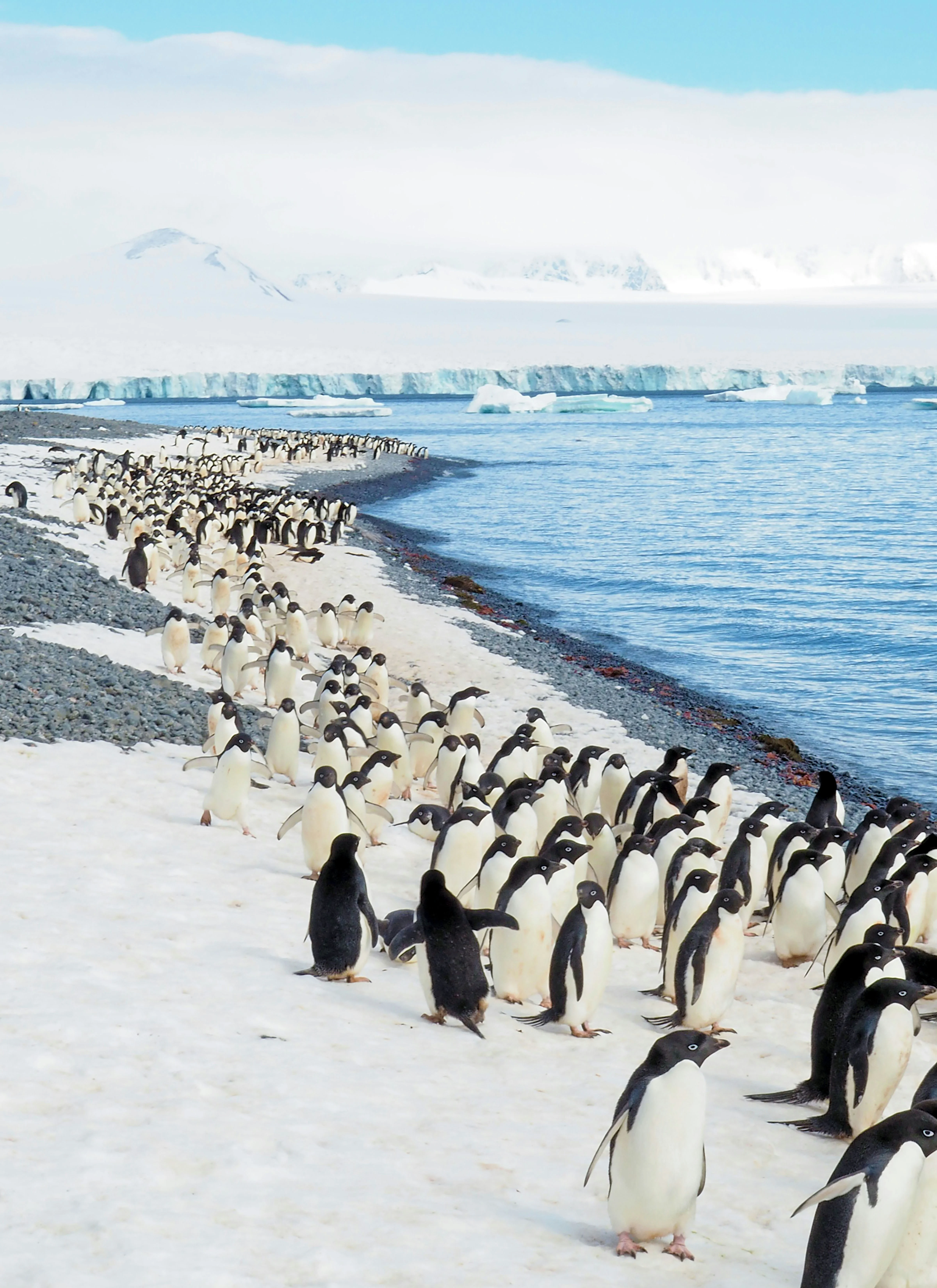
Antarctica is not a conventional luxury holiday. That is precisely why it belongs on a 2026 list.
The luxury comes from the expedition itself: small-ship travel, expert naturalists, Zodiac excursions, penguin colonies, glaciers, whales and an environment that cannot be replicated anywhere else. This is particularly compelling for experienced travellers.
After several European summers, private islands and luxury city breaks, Antarctica offers something fundamentally different. It is not about seeing more.
It is about seeing something that very few people will ever experience firsthand.
Experienced travellers, couples, families with older children and adventure seekers.
Treat Antarctica as the main event, rather than something to squeeze between several South American destinations.
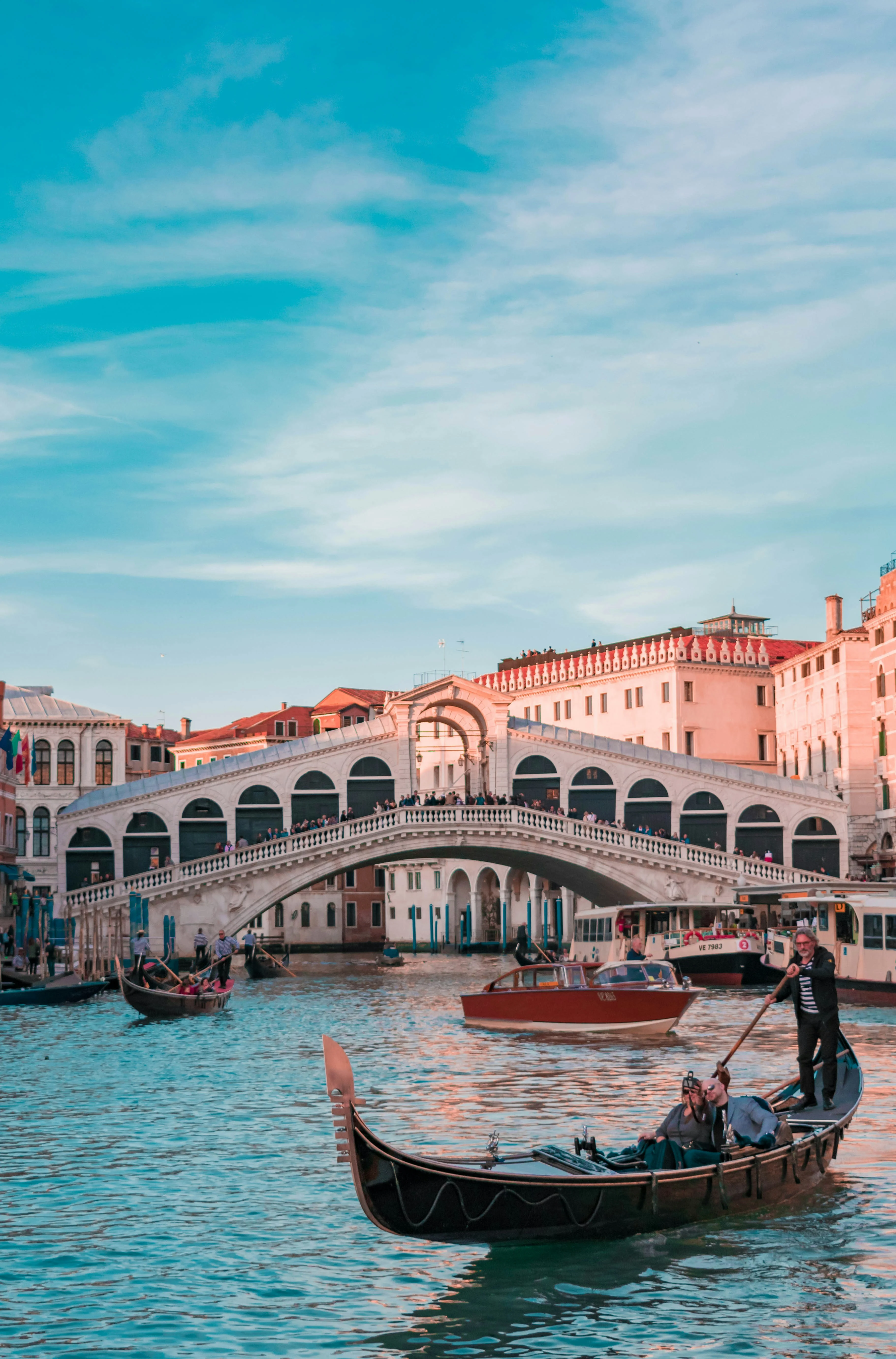
Italy remains one of the world’s most dependable luxury destinations. But in 2026, I’d be less interested in simply recommending Rome, Florence and Venice and more interested in how the country can be experienced differently.
Consider Puglia, Sicily, Lake Como, the Amalfi Coast, the Dolomites, Tuscany or Sardinia. The choice depends entirely on the traveller.
A family may prefer countryside and villas. A honeymoon couple may want the Amalfi Coast and Lake Como.
Food lovers could build an entire journey around Emilia-Romagna, Tuscany and Piedmont. And experienced travellers might deliberately avoid the busiest cities during peak periods.
Honeymoons, families, food and wine travellers and first-time Europe travellers.
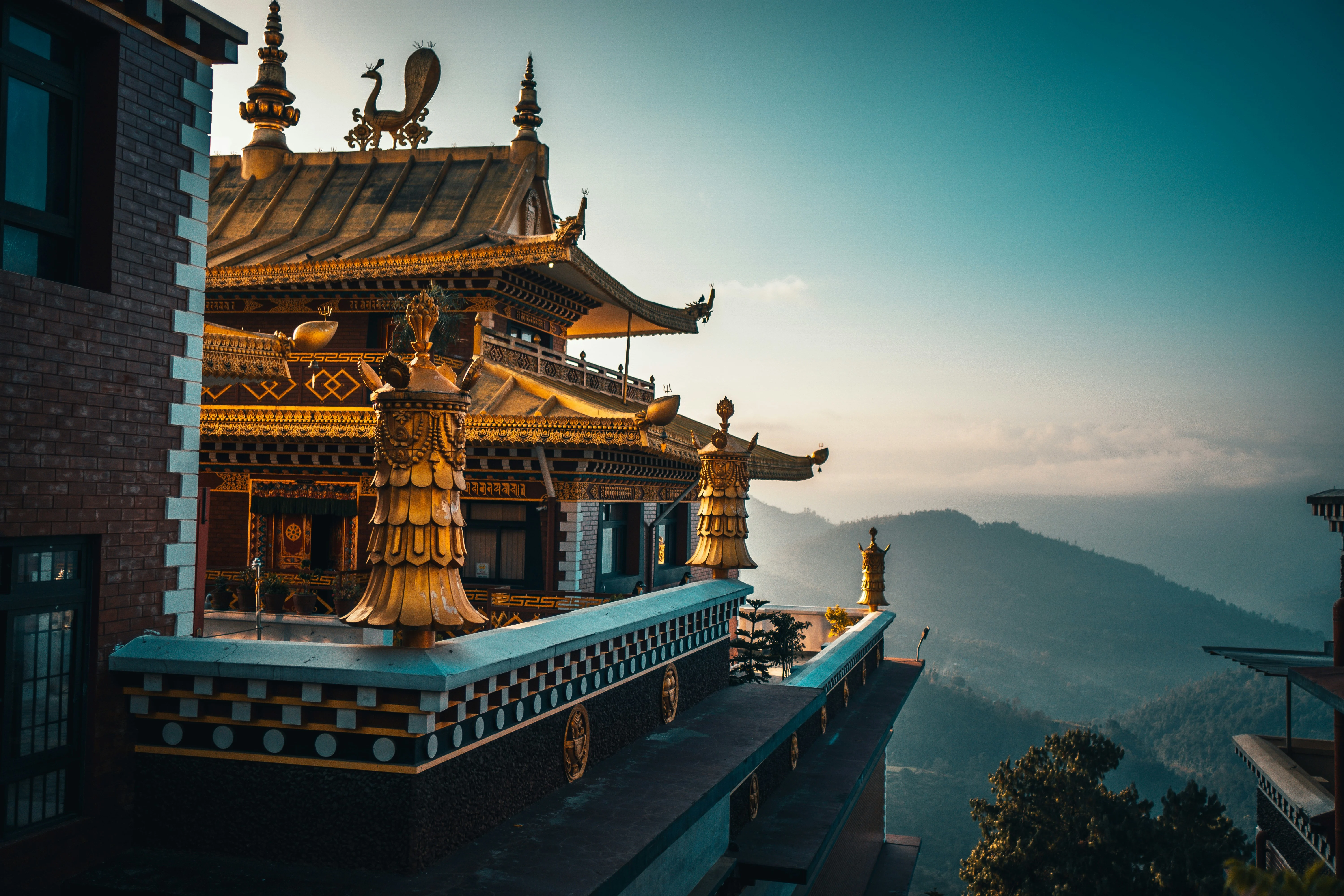
Bhutan is one of the destinations I would consider for travellers who don’t need their holiday to be constantly entertaining them. The attraction is the opposite.
Mountain landscapes. Monasteries.
Walking. Wellness.
Culture. Silence.
The country’s tourism philosophy has historically focused on high-value, low-volume tourism, which naturally lends itself to a more considered form of luxury travel. For an Indian traveller, Bhutan also offers a very different kind of international journey without requiring the enormous travel time associated with South America or Antarctica.
Wellness, couples, families, repeat travellers and cultural journeys.
Don’t try to cover Bhutan. Spend enough time to experience its pace.
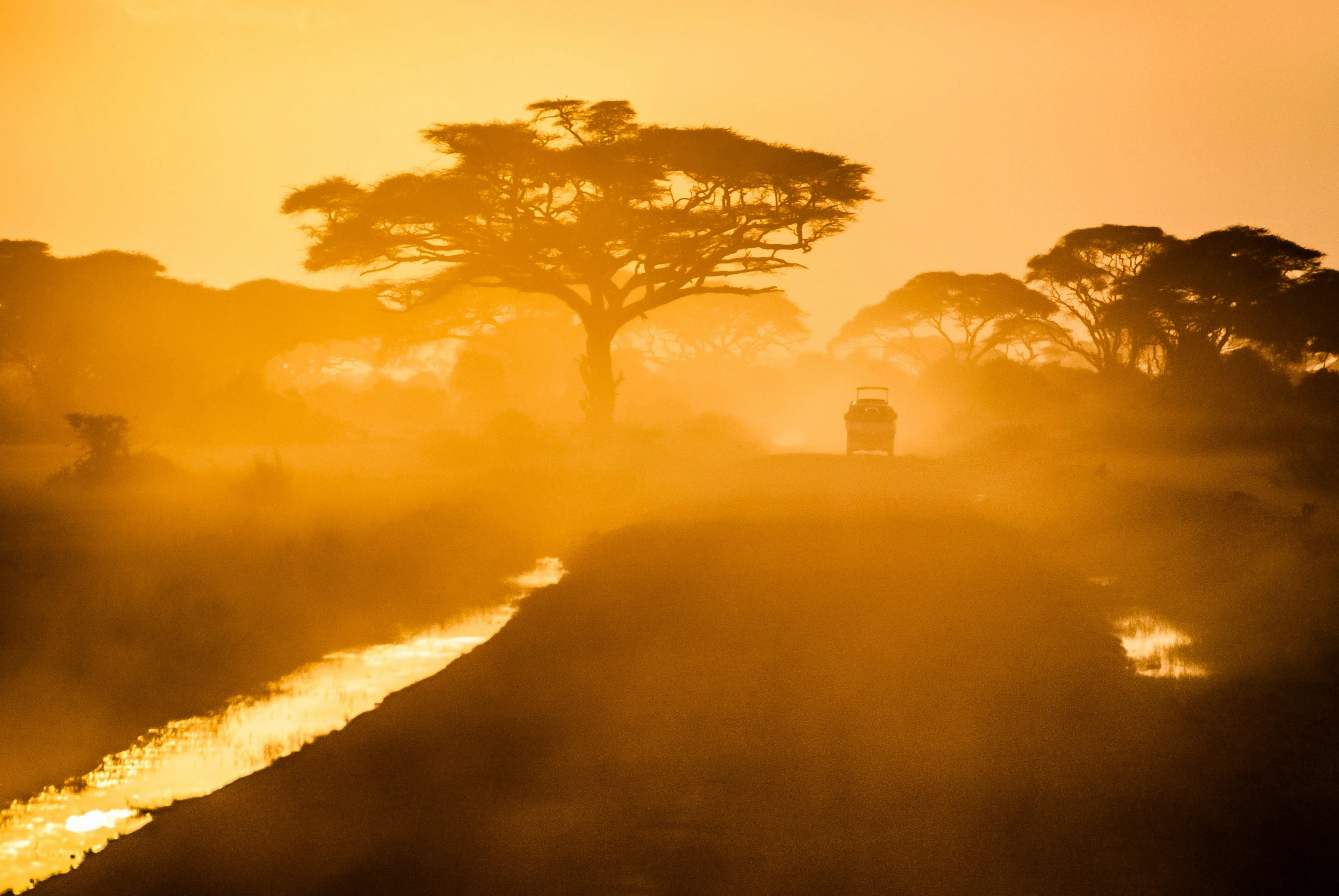
South Africa is particularly useful for travellers who want variety. One journey can combine Cape Town, the Winelands, a private safari and potentially the Indian Ocean coastline.
This creates an unusual combination of city, food, wine, nature and wildlife. For families, it can also be easier to structure than a more remote safari-only holiday.
And for travellers visiting Africa for the first time, South Africa can be an excellent introduction to the continent.
Families, first-time Africa travellers, food and wine lovers and safari travellers.
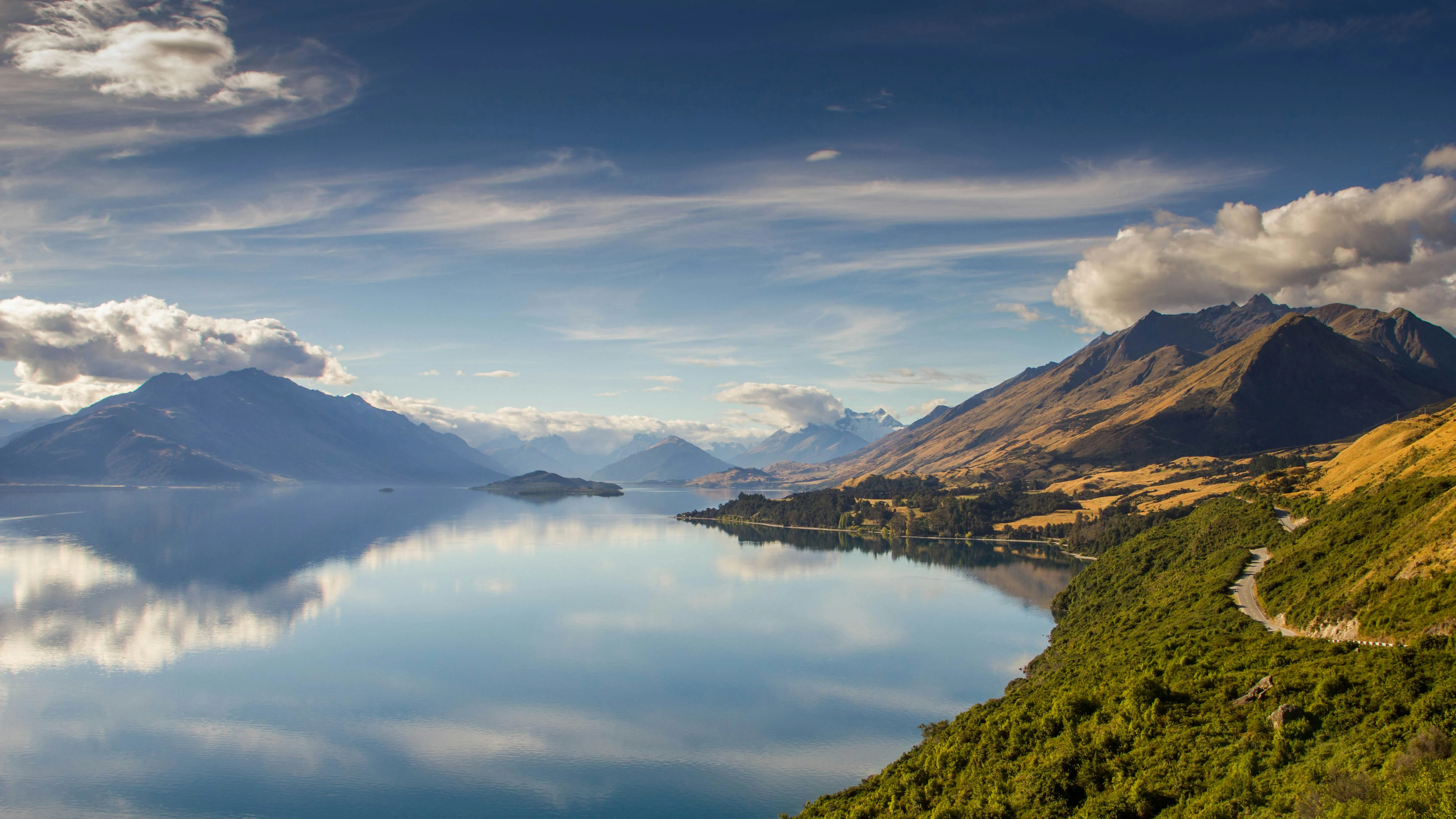
New Zealand is particularly appealing for travellers who want nature without sacrificing comfort. The landscape is the attraction: mountains, lakes, fjords, vineyards, coastline and expansive wilderness.
Luxury here works best when it is integrated into the landscape. Think private lodges, helicopters where appropriate, scenic flights, exceptional food and carefully chosen outdoor experiences.
Families, adventure travellers, honeymooners and nature lovers.
Vietnam has become considerably more interesting for luxury travellers. It can combine Hanoi, Halong Bay, Hoi An, Hue and Ho Chi Minh City with regional culinary experiences.
But the real appeal is the contrast. Ancient architecture sits alongside contemporary hotels.
Street food exists alongside sophisticated restaurants. Historic towns coexist with dramatic landscapes.
And the country can provide excellent value at the luxury end of the market.
Food lovers, culture enthusiasts, couples, families and repeat Southeast Asia travellers.
Greece remains a strong luxury choice, particularly for travellers who want islands, food, history, sailing and villas. But Greece shouldn’t automatically mean Santorini.
Depending on the traveller, I’d consider Mykonos, Paros, Antiparos, Crete, Corfu, the Peloponnese or Athens. The right island can completely change the character of the trip.
A honeymoon couple might want privacy. A family may prefer a larger villa and easy beaches.
A group of friends may want restaurants, sailing and nightlife. The destination is the same.
The experience isn’t.
One of the more interesting luxury travel developments is the increasing interest in cooler destinations. For travellers escaping India’s summer heat, northern Europe can offer an entirely different seasonal experience.
Think Finnish Lapland, Norway, Sweden or Iceland. The attraction isn’t simply cold weather.
It is the combination of wilderness, design, wellness, winter experiences and low-density travel.
Families, couples, winter travellers and Northern Lights seekers.
Namibia deserves a separate mention from Kenya and Tanzania. The safari experience is completely different.
The landscape itself becomes one of the main characters. Think Sossusvlei, the Namib Desert, Skeleton Coast and Etosha.
This is less about watching hundreds of animals in one place and more about combining wildlife with extraordinary landscapes. For a repeat Africa traveller, that distinction can make Namibia particularly appealing.
Repeat safari travellers, photographers, couples and adventure travellers.
South America is not really a destination. It is a continent that needs to be approached selectively.
A luxury journey could focus on Argentina and Patagonia, Peru and the Amazon, Brazil and Argentina, or go further with Patagonia and Antarctica. The continent rewards travellers who are willing to spend enough time in each place.
For an Indian traveller making the long journey, I would generally avoid trying to see five countries in two weeks. South America becomes much more rewarding when the itinerary has room to breathe.
So, Where Should You Actually Go in 2026?
If I were narrowing these down based on the type of traveller, my shortlist would look like this: For a first major luxury international trip: Japan or Italy For a once-in-a-lifetime expedition: Antarctica For wildlife: Kenya and Tanzania For a honeymoon: Italy, Greece or Japan For family travel: Japan, South Africa or New Zealand For wellness: Bhutan, Japan or Finland For food and wine: Italy, Japan or South Africa For adventure: New Zealand, Namibia or Antarctica For something less obvious: Bhutan, Namibia or South America For a cool summer escape: Finland, Norway or New Zealand For a long, immersive journey: South America or Kenya and Tanzania This is why I don’t believe there is one universal “best international trip in 2026.” There is a best trip for you.
What Is Changing About International Travel in 2026?
There are several shifts worth paying attention to.
AI is becoming part of travel planning. Travellers aren’t simply searching for “Paris hotels.” They are increasingly asking questions such as: “What is the best destination for a luxury family holiday in July?” or: “Where should I go for a two-week wildlife and beach holiday?” The answer increasingly needs to connect destination, traveller, season and experience.
Another noticeable shift is away from itinerary density. A 12-night journey through three destinations can sometimes be more luxurious than a 12-night itinerary through seven.
You spend less time packing, transferring, checking in and checking out and more time actually experiencing the destination.
The most interesting definition of luxury isn’t necessarily a private jet or the largest suite. It’s having the trip designed around you.
For one family, that might mean a private safari vehicle. For another, it might mean a villa in Greece.
For someone else, it might mean a week in a Japanese ryokan and exceptional restaurants. And for an experienced traveller, it might mean going somewhere that isn’t already on everyone’s itinerary.
The destination should follow the traveller. Not the other way around.
My 2026 Shortlist
If I had to reduce the entire list to five journeys that offer particularly different experiences, I’d choose: Japan For culture, food, design and extraordinary hospitality. Kenya and Tanzania For wildlife and one of the world’s great natural spectacles.
Antarctica For an expedition unlike any conventional holiday. Italy For a sophisticated combination of food, culture, landscape and luxury hospitality.
Bhutan For travellers who want to slow down rather than simply see more. But that isn’t a ranking.
It is a reminder that the best international trip in 2026 depends on what you want to come home with. Photographs?
Rest? Adventure?
Family memories? A new perspective?
Or simply the feeling that you experienced somewhere properly? That is the question worth answering before choosing the destination.
Amisha Shetth is the Founder and Chief Experiential Officer at Bliss Travels, a luxury and bespoke travel company specializing in personalized international journeys. Her approach to international travel focuses on matching destinations, hotels, experiences and pace to the individual traveller rather than relying on standard itineraries.