
CALL US ON
+91 91523 09966
CALL US ON
+91 91523 09966
By Amisha Shetth
Luxury travel in Asia has traditionally been associated with private islands, beachfront resorts and highly polished city hotels.
Japan offers something quite different.
Its luxury is rarely loud. It is found in craftsmanship, extraordinary hospitality, seasonal cuisine, traditional architecture, private cultural experiences and an almost obsessive attention to detail.
That has made Japan increasingly interesting to travellers who have already experienced the more conventional luxury destinations in Asia. And perhaps more importantly, Japan doesn’t require luxury to be separated from culture. You can have both at the same time.
A luxury hotel can be beautiful anywhere in the world. What makes Japan unusual is that luxury extends far beyond the hotel:
Japan’s official tourism organisation describes its luxury travel offering around experiences including traditional ryokan stays, gastronomy, craftsmanship, private cultural experiences and premium transportation.
This creates a type of luxury that feels less dependent on consumption. You don’t necessarily need to buy something. You need to experience something well.
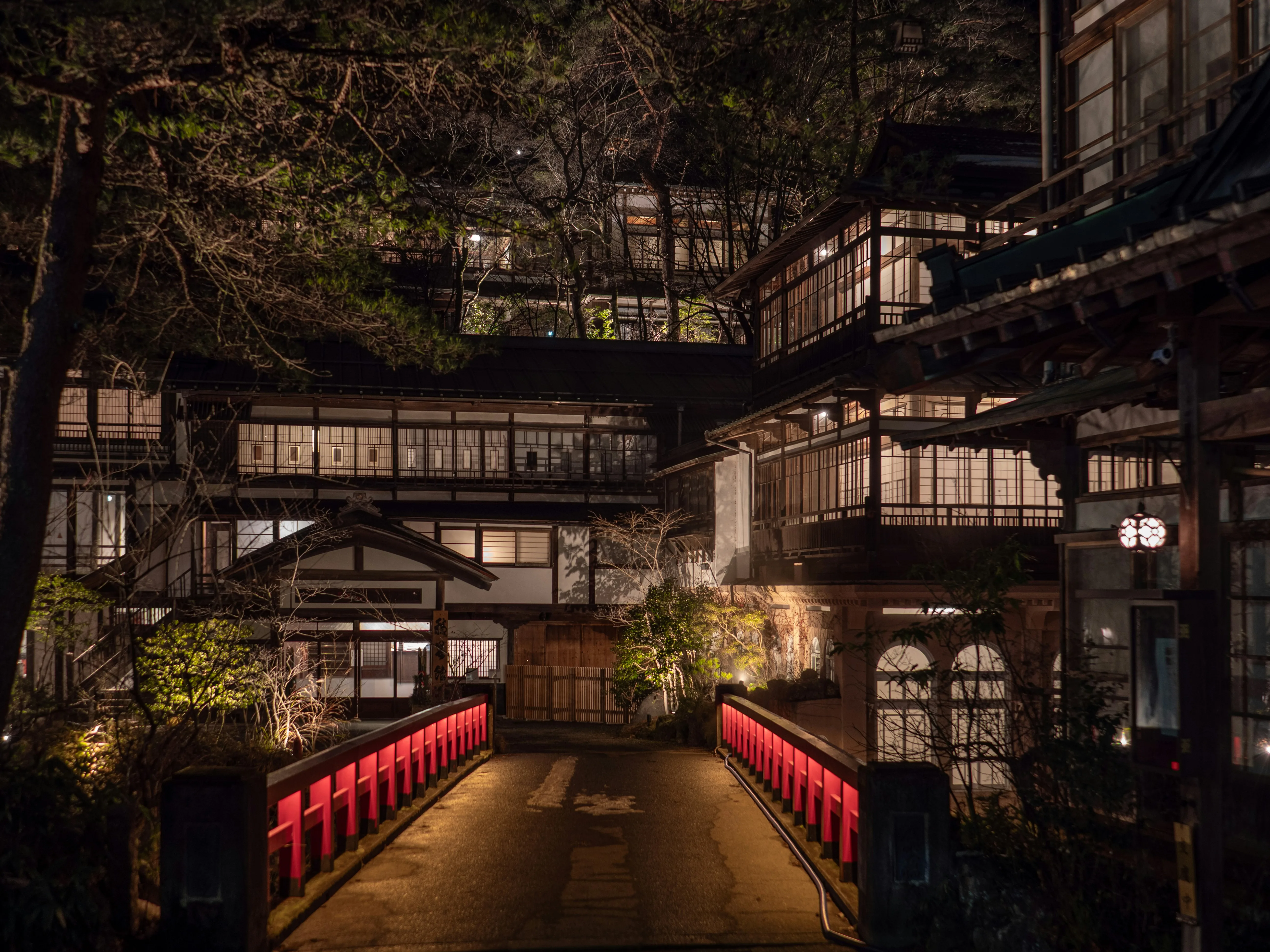
Consider the traditional Japanese ryokan. To someone unfamiliar with the concept, it can initially look like an unusual alternative to a five-star hotel. But that misses the point.
A ryokan combines accommodation, food, architecture, bathing and hospitality into one experience. Tatami rooms, seasonal meals, carefully prepared gardens and onsen are all part of the stay.
Japan’s tourism authority describes ryokan as an important part of the country’s traditional hospitality and highlights features such as tatami rooms, seasonal cuisine and hot springs. For the right traveller, one exceptional ryokan can be considerably more memorable than another internationally branded luxury hotel.
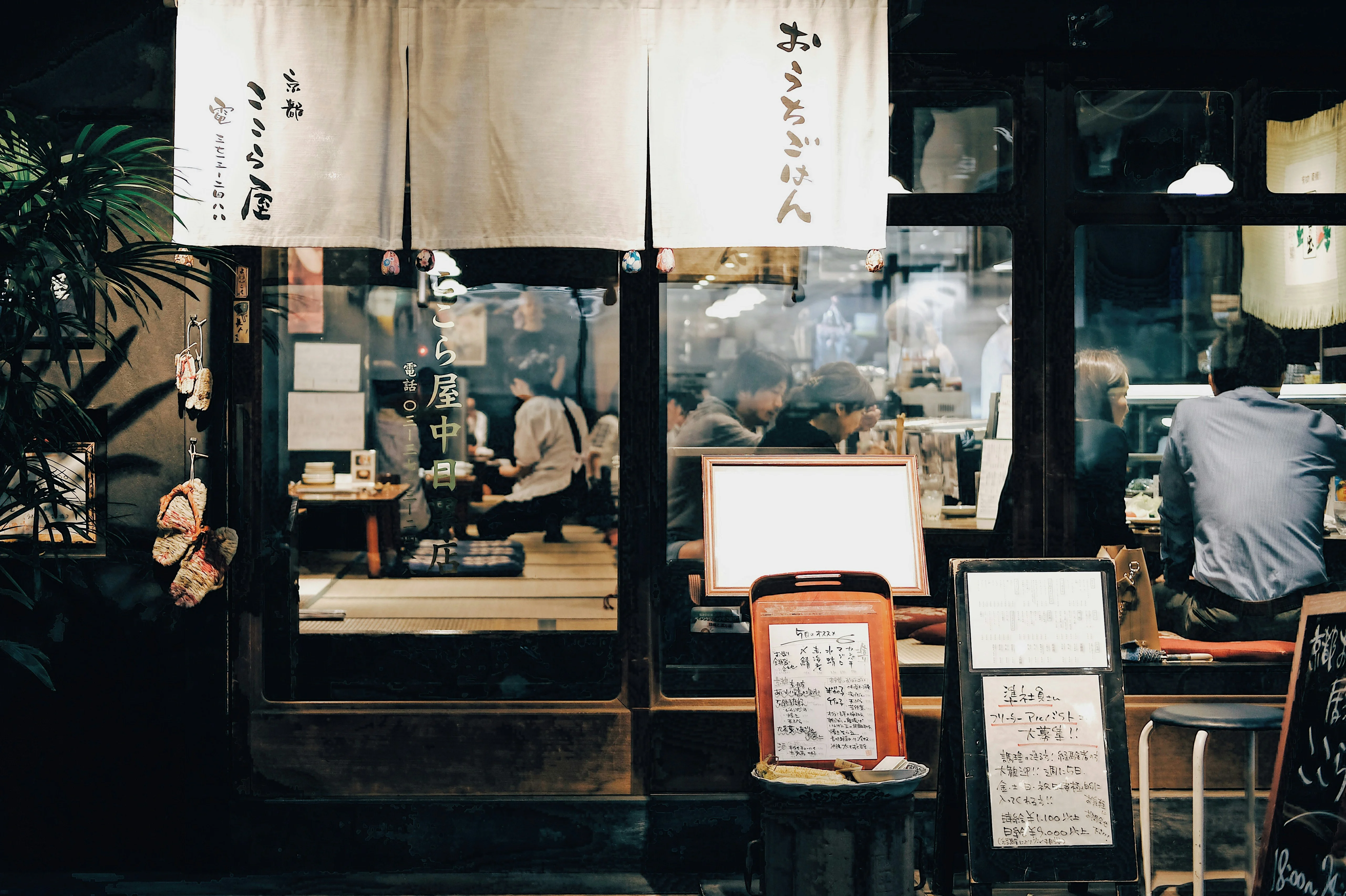
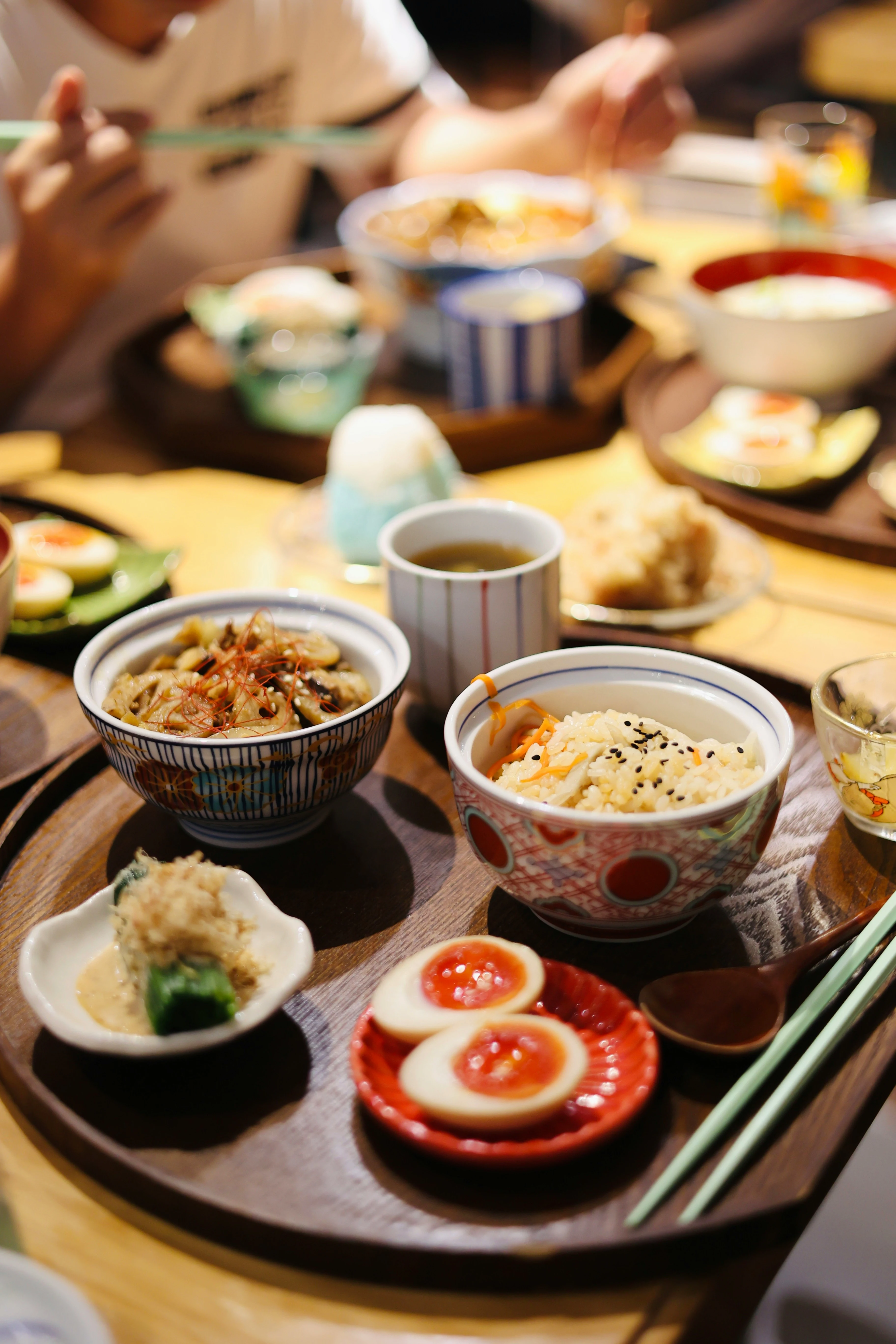
Japan is also unusual because gastronomy can become the reason for travelling.
Tokyo alone has an extraordinary concentration of high-end restaurants, but Japanese food culture extends far beyond sushi and ramen. Regional cuisine changes dramatically across the country:
And smaller destinations introduce ingredients and techniques that visitors may never encounter on a conventional itinerary. For affluent Indian travellers who already travel internationally for food and wine, this creates an interesting proposition: Japan can be a culinary destination in its own right.
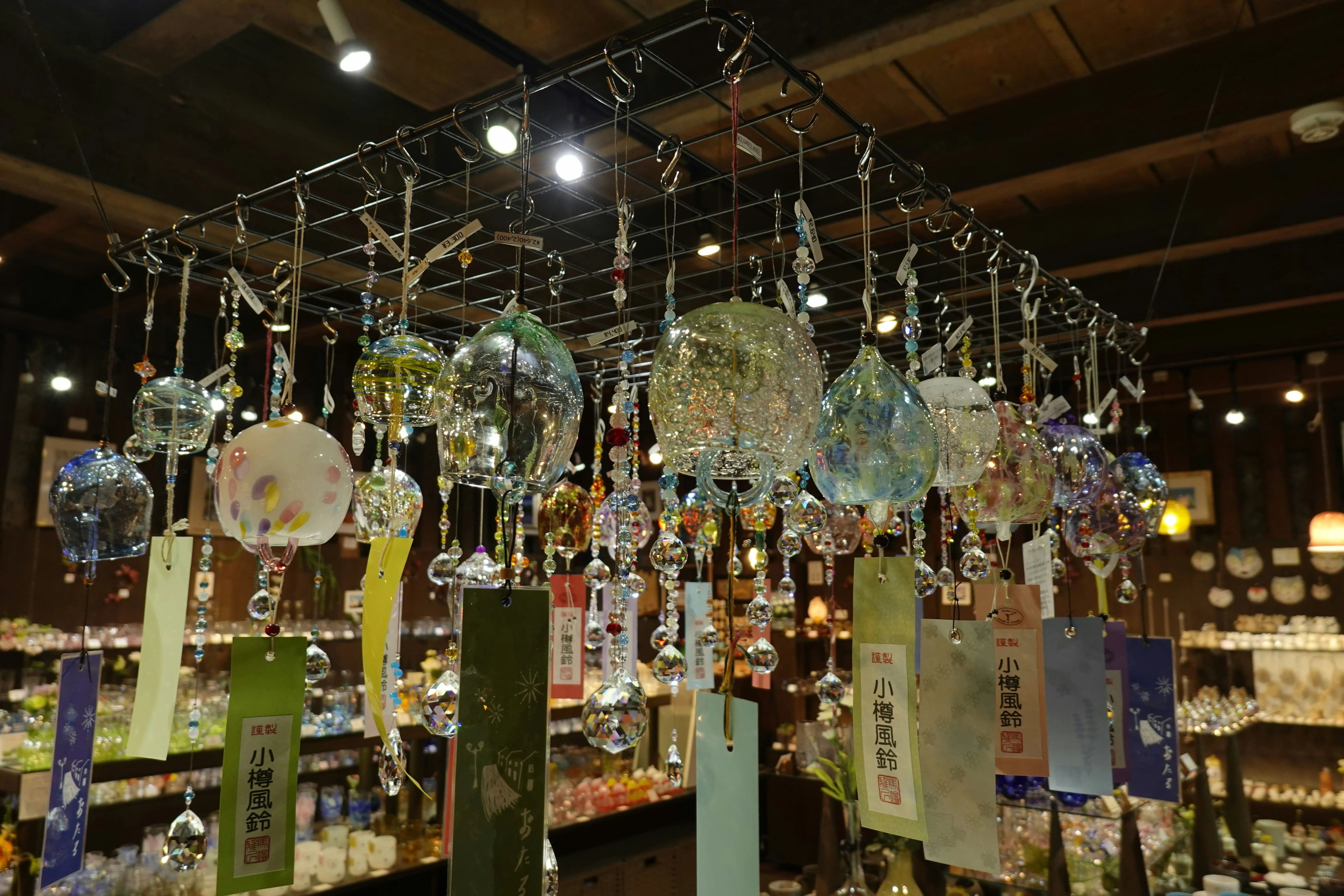
Another reason Japan stands apart is the survival of highly specialized craftsmanship: ceramics, lacquerware, textiles, woodworking, knife-making, paper, metalwork, and tea utensils. In some parts of Japan, these traditions have been refined over generations.
For a luxury traveller, the appeal isn’t necessarily buying the most expensive object. It is meeting the person who made it, understanding the process, seeing the workshop, and learning why something takes weeks or months to create. That kind of access can turn an ordinary shopping experience into a cultural one.
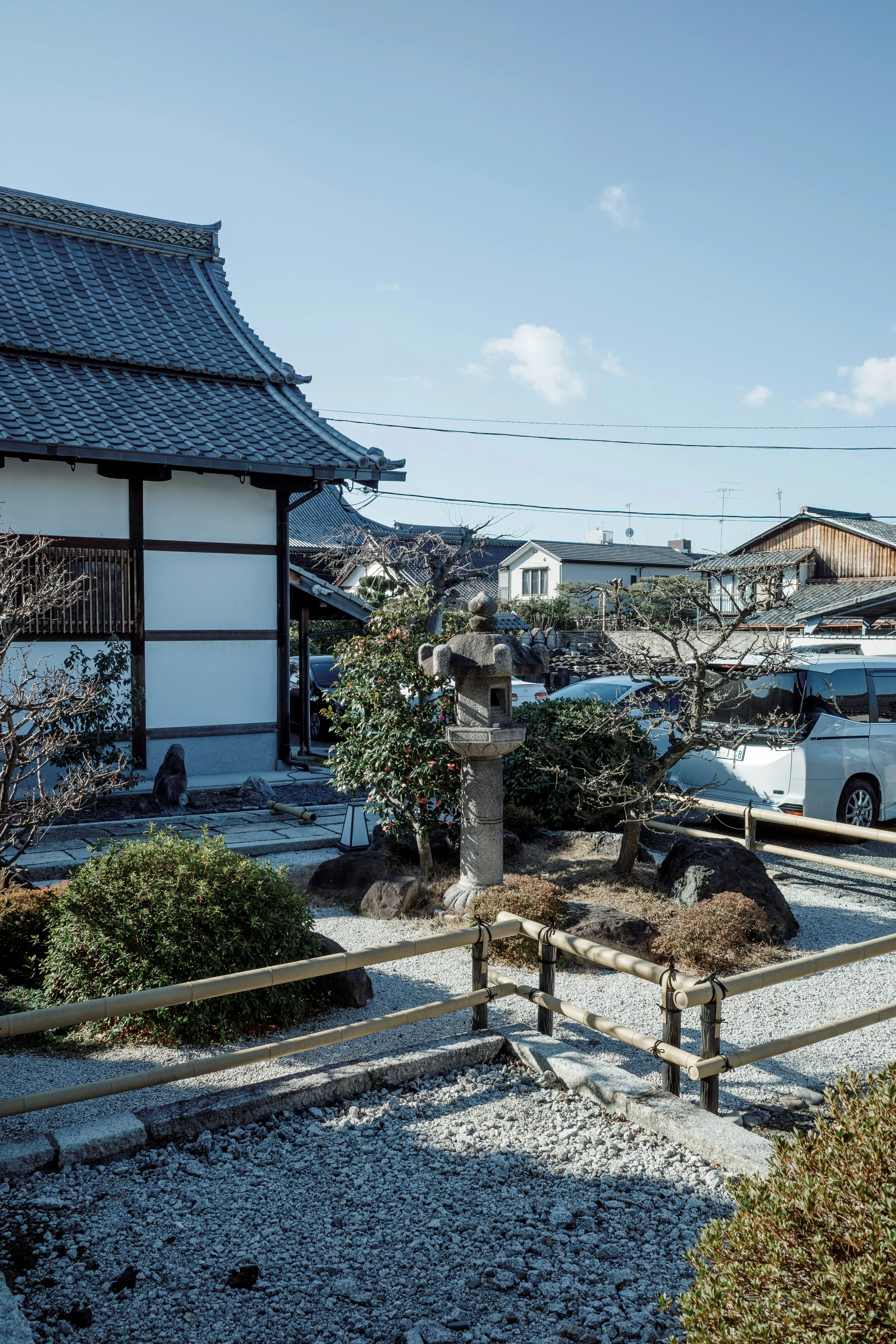
Kyoto is one of the clearest examples of this relationship between luxury and culture. The city has more than 1,200 years of history and remains deeply associated with temples, gardens, traditional architecture, tea culture and cuisine.
Yet Kyoto is also an extremely sophisticated luxury destination. Beautiful hotels exist alongside centuries-old neighbourhoods. Contemporary restaurants operate near traditional tea houses. Modern design sits comfortably beside historic architecture. The contrast is part of the attraction.
But Kyoto’s popularity also means that some of its most famous areas can become extremely busy, particularly during peak periods. Japan’s tourism authorities now provide congestion information for visitors. For luxury travellers, this creates an interesting challenge: how do you experience something famous without experiencing it like everyone else?
Sometimes the answer is simply timing. Sometimes it is choosing a different neighbourhood. And sometimes it is finding someone who knows the destination well enough to show you another side of it.
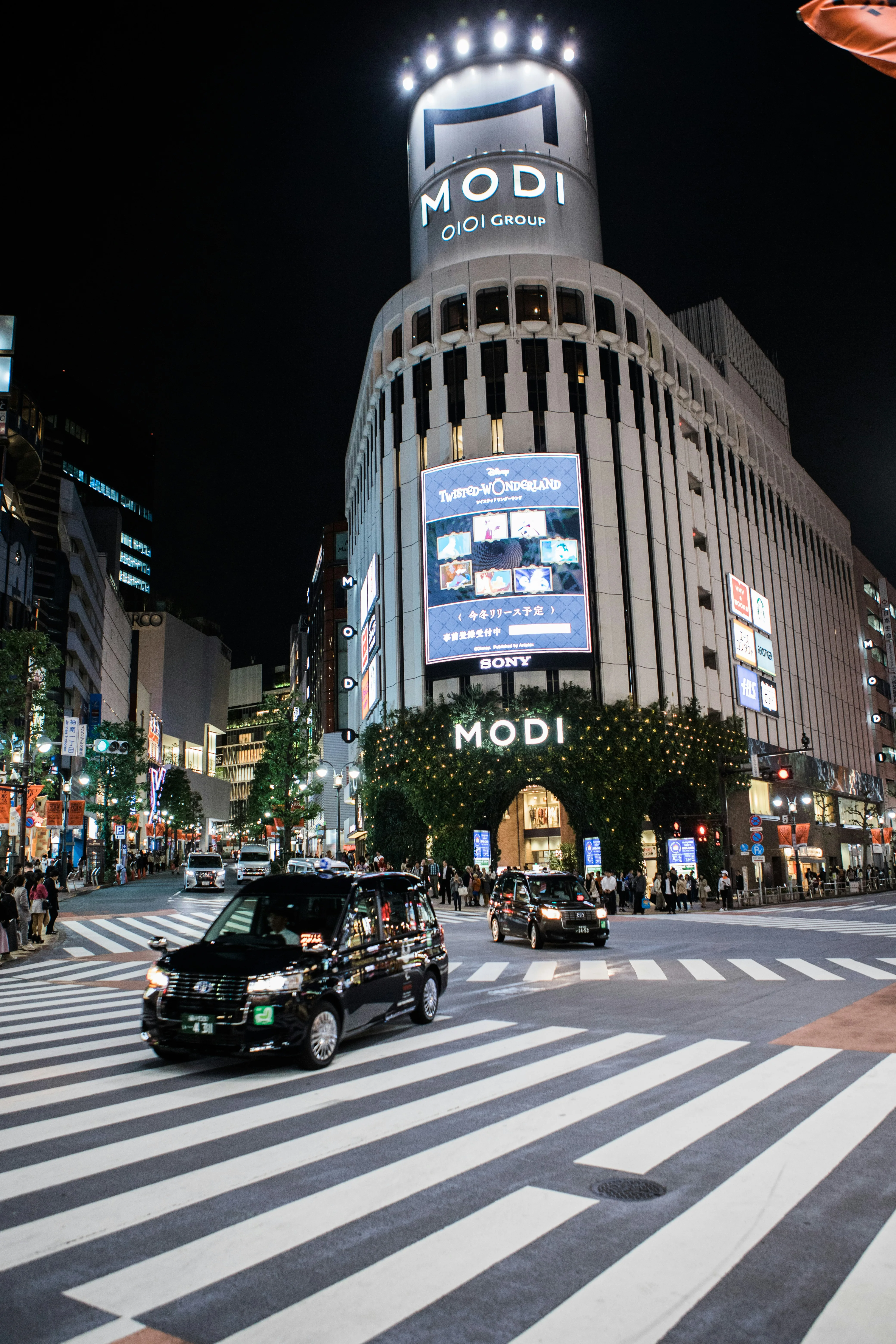
Tokyo feels like another country compared with Kyoto. It is enormous, fast and constantly changing. And yet, the same attention to detail exists underneath the surface.
Luxury can mean a reservation at an exceptional restaurant, a private shopping experience, a specialist guide, a contemporary art visit, a carefully chosen neighbourhood, or simply knowing which places are worth your time.
Tokyo’s official tourism information highlights the city’s combination of traditional areas such as Asakusa with contemporary districts, fashion, shopping and its enormous food culture. The interesting thing is that Tokyo doesn’t really have one luxury personality. It has hundreds.
In many luxury destinations, privacy is created by physical separation: a private island, a villa behind a gate, or a secluded resort.
Japan offers another form: discretion. A small restaurant with very few seats. A private tea experience. A ryokan surrounded by nature. A traditional craft workshop. A guide who takes you somewhere away from the obvious tourist circuit. It can feel exclusive without ever announcing itself as exclusive. That subtlety is one of Japan’s strongest advantages for sophisticated travellers.
Japan is not one destination throughout the year. It changes dramatically:
Spring: Cherry blossoms transform parks, gardens and historic districts. But the popularity of blossom season also means that some locations become extremely crowded.
Summer: Festivals, greenery and northern destinations become more attractive, although heat and humidity can be significant in many cities.
Autumn: For many travellers, this is Japan at its most visually beautiful. Maple forests, temple gardens and mountain landscapes change colour.
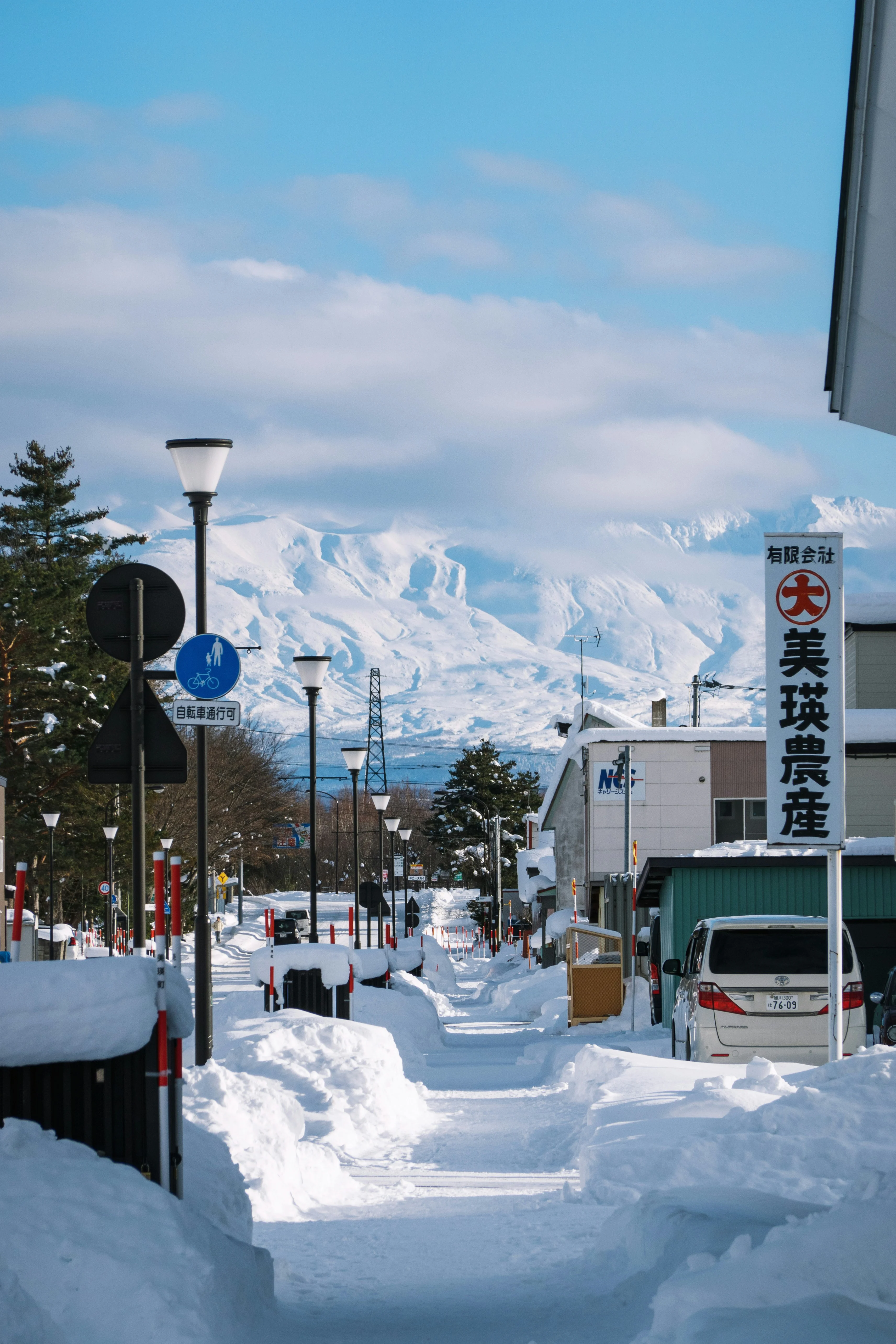
Winter: Snow creates an entirely different Japan. Mountain resorts, onsens, winter cuisine and Hokkaido become particularly attractive.
The luxury traveller therefore has an interesting choice: Do you want Japan at its most iconic, or Japan at its most comfortable? They aren’t always the same thing.
Travellers who associate Japan entirely with Tokyo and Kyoto often overlook Hokkaido. That is a mistake.
Hokkaido offers a much more expansive landscape, with skiing, wildlife, food, hot springs and winter experiences. Japan’s tourism organisation highlights Hokkaido for outdoor activities, wildlife and premium nature-based experiences. For travellers who have already experienced the Golden Route, Hokkaido can provide a completely different reason to return to Japan.
Kanazawa is another destination that deserves attention from travellers interested in Japanese culture. The city is known for traditional crafts, gardens, historic districts and gold-leaf production. It doesn’t have the international profile of Tokyo or Kyoto. That is partly the point.
It offers an opportunity to experience traditional Japan with a different pace. For someone interested in craftsmanship, design or food, Kanazawa can be considerably more rewarding than adding another major city to an itinerary.
There is another reason Japan works well for affluent Indian families: different generations can enjoy the same destination for completely different reasons.
That versatility is difficult to replicate in a destination built around a single type of attraction.
For someone taking their first international luxury holiday, a private beach villa may be the obvious choice. For someone who has travelled extensively, the question often becomes: “What haven’t I experienced yet?”
Japan provides a compelling answer. It offers luxury without depending entirely on excess. It offers culture without requiring discomfort. It offers technology alongside tradition. It offers extraordinary food without needing to make dining formal. And it provides access to experiences that feel genuinely specific to the destination.
Perhaps the most interesting thing about Japan is that luxury isn’t really the reason to visit. Japan itself is.
Luxury simply allows you to experience more of it comfortably and more deeply. The right hotel gives you a better base. A private guide gives you context. A ryokan gives you a different form of hospitality. A carefully chosen restaurant gives you a deeper understanding of regional cuisine. A private cultural experience opens a door that might otherwise remain closed.
None of those things replaces the destination. They help you understand it.
And that is why Japan has become such a compelling choice for sophisticated luxury travellers: it doesn’t have to be transformed into a luxury destination. It already has its own definition of luxury, especially when planned as a bespoke journey.
Amisha Shetth is the Founder and Chief Experiential Officer at Bliss Travels, a luxury and bespoke travel company specializing in personalized international journeys. Her approach to luxury travel focuses on connecting travellers with the culture, character and experiences that make each destination distinctive.