
CALL US ON
+91 91523 09966
CALL US ON
+91 91523 09966

By Amisha Shetth
There was a time when choosing a luxury hotel was relatively straightforward. You looked for the best location, the largest room, the highest service standards and, if possible, a memorable view.
That approach doesn’t work quite as well anymore.
The world’s leading luxury hotels have become remarkably differentiated. One property may be exceptional because of its connection to local culture. Another may be the right choice because its wellness programme is genuinely immersive. A third may be about privacy and villas, while another is valuable because the hotel itself is an important part of the destination’s history.
For travellers who have stayed at many of the world’s best hotels, the question is no longer: “Which hotel is the most luxurious?”
It is: “Which hotel is right for this particular journey?”
That distinction is especially important when designing personalized luxury travel for couples, families, celebrations and experienced travellers.
Consider the difference between arriving at a historic palace in India, disappearing into a remote island resort, staying inside a centuries-old European property or travelling through a destination by luxury train.
All of these can qualify as luxury. But they deliver completely different experiences.
This is why I don’t think hotel selection should happen at the end of the itinerary. It should influence the itinerary itself. A great hotel can become part of the reason for visiting a destination.

Belmond is an unusual name in luxury hospitality because its portfolio extends beyond conventional hotels.
Its current collection includes hotels, trains, boats and lodges across destinations ranging from Europe and South America to Africa and Asia. Belmond itself describes its philosophy around a slower pace of travel and experiences where the journey can be as important as the destination.
That makes Belmond particularly interesting when the journey itself matters. The Venice Simplon-Orient-Express is the obvious example. But the same philosophy appears in its destination properties.
Hotel das Cataratas, for example, sits within Brazil’s Iguassu National Park, turning proximity to a major natural attraction into part of the hotel experience. Belmond’s portfolio also includes Copacabana Palace in Rio de Janeiro and safari lodges such as Eagle Island Lodge in Botswana. For a traveller designing a South American journey, this creates possibilities that a conventional city-hotel approach simply doesn’t. The hotel can become a destination within the destination.
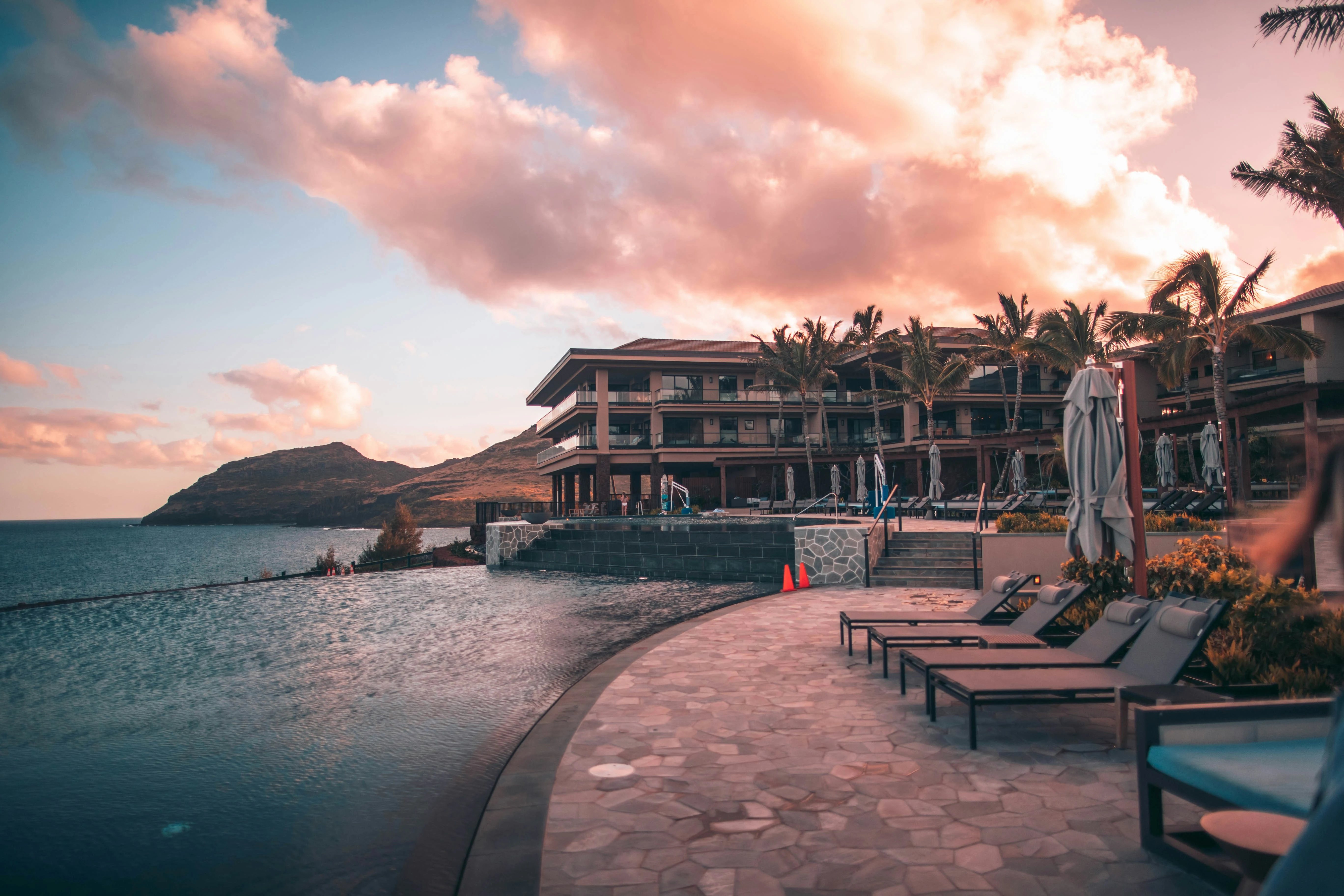
Six Senses occupies a different space. Its identity is strongly associated with wellness, nature, sustainability and personalized experiences. The brand describes its approach around reconnecting with oneself, others and the surrounding environment, with wellness integrated into the experience rather than treated purely as a spa facility.
That distinction matters. A Six Senses stay can work particularly well when the traveller wants the hotel to change the pace of the holiday. Consider the difference between:
The latter is much more relevant for travellers specifically looking for restoration, longevity, Ayurveda, movement, sleep or mindful travel. The brand’s portfolio illustrates how different that proposition can look from one destination to another. Six Senses currently includes properties such as Six Senses Kyoto, Six Senses Vana, Six Senses Fort Barwara, Six Senses Laamu, Six Senses Zighy Bay and Six Senses Zil Pasyon, among others.
The property therefore has to be matched to the purpose of the journey. A wellness-led escape in India is not the same experience as an island stay in the Maldives.

Rosewood’s philosophy is particularly interesting for travellers who don’t want a luxury hotel to feel detached from its surroundings. The brand describes its approach as “A Sense of Place”, with properties designed around the history, culture and character of their locations.
This is an important distinction. Some luxury hotels could theoretically be placed in several international cities without dramatically changing their identity. Rosewood properties are intended to feel more connected to where they are. That becomes particularly compelling in cities with strong architectural and cultural identities.
Rosewood London, for example, incorporates the history of the building and its London setting into its design, including the former Pearl Assurance Company headquarters and a residential-style sense of arrival. The same philosophy can be seen across the wider collection. For a traveller who values sense of place over standardized luxury, this can be a deciding factor.

For Indian travellers, Taj occupies a particularly interesting position. Its luxury isn’t simply about contemporary design. A large part of its appeal comes from the relationship between hospitality, Indian history, architecture and service.
Taj describes its hotels as city landmarks combining luxury, comfort, service and distinctive design. Its palace properties take that concept considerably further:
Each provides a very different interpretation of Indian luxury. Taj’s own description of its palace portfolio emphasizes royal history, architecture, gardens, cuisine and experiences built around the stories of these properties. This makes a palace stay particularly useful when the hotel isn’t merely accommodation. The hotel is part of the reason to visit India.
Aman belongs to a different category again. Its appeal is often strongest among travellers who appreciate discretion, architecture, space and a sense of retreat rather than overt hotel grandeur.
An Aman stay can work beautifully when the traveller wants the property to become a quiet counterpoint to an otherwise intense itinerary. This is especially relevant in destinations where the surrounding environment is already visually or culturally overwhelming. The hotel should create space around the experience rather than compete with it.
That is an important distinction when planning luxury travel. Sometimes the best hotel is the one that does less, but does it exceptionally well.
The Oberoi approach is another example of why brand selection cannot be based purely on star ratings. Its portfolio ranges from major city hotels to resorts and heritage properties, and the brand is particularly relevant to travellers who value polished Indian hospitality.
A stay at an Oberoi in a city can serve a very different purpose from an Oberoi in a wilderness or resort environment. That flexibility makes the brand particularly useful when building an itinerary where the accommodation needs to change character as the destination changes. The key is not simply choosing “an Oberoi.” It is choosing the right Oberoi for that particular part of the journey.
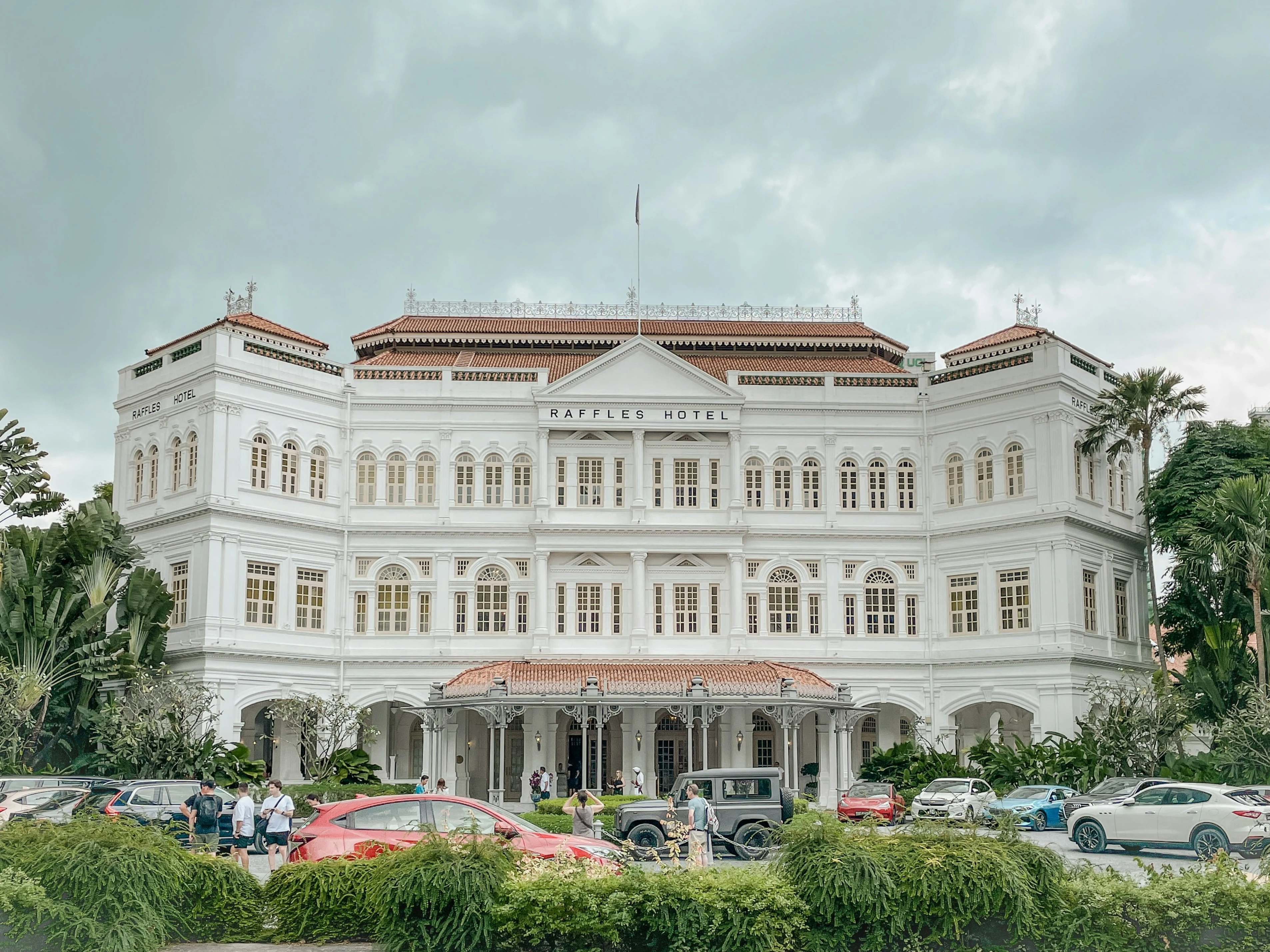
Raffles properties tend to appeal to travellers who enjoy the idea of a hotel having its own story. The original Raffles Singapore is the obvious reference point, but the wider portfolio has expanded considerably.
The attraction isn’t simply historical prestige. It is the feeling that the hotel has an identity beyond its rooms. That can be particularly valuable on city trips. A hotel with personality can become part of the evening: a drink, dinner, a conversation, a celebration, a ritual. The best city hotels don’t simply give you somewhere to sleep. They give the destination another layer.
COMO sits closer to the wellness and lifestyle end of luxury hospitality. Its properties are often particularly interesting for travellers who want wellness integrated with food, movement, nature and design without turning the entire trip into a formal retreat.
This makes the brand useful for couples and families who want to incorporate wellbeing into a broader holiday. The distinction is subtle but important. Not every traveller wants a wellness retreat. Some want a luxury holiday that happens to leave them feeling better than when they arrived. Those are different products.
Capella is another brand worth considering when the traveller values a more intimate luxury environment. The properties tend to emphasize personalized service, design and a strong relationship between the hotel and its location.
This can work particularly well for honeymoons, anniversaries, private celebrations, and couples who prefer atmosphere over scale. A large resort can offer more facilities; a smaller luxury property can sometimes offer more attention. Neither is inherently better. The traveller determines the answer.
This is how I usually think about hotel selection. A hotel can play several different roles:
Once that purpose is clear, the shortlist becomes much smaller.
This is perhaps the most useful principle in luxury hotel selection. Imagine two properties: one costs significantly more, has a larger suite, more restaurants and a longer list of facilities. The other has the exact location, atmosphere and experience the traveller actually wants. The second hotel may be the better luxury choice. Luxury is about fit, not simply price.
This becomes particularly obvious on complex journeys. A hotel positioned inside or immediately beside a major attraction can change how you experience it. A remote safari lodge can provide access to a different wildlife environment. A palace can make heritage part of the stay. A mountain property can make the landscape visible from breakfast. A city hotel can place you within walking distance of the neighbourhood you actually want to explore.
When evaluating hotels, I therefore look beyond room size + amenities + star rating, and ask: What does this location allow the traveller to do?
This is something travellers sometimes overlook. A hotel brand is a useful starting point; it isn’t the final decision. The experience of a Six Senses in the Maldives is fundamentally different from Six Senses Kyoto. A Taj palace in Rajasthan has a completely different role from a Taj city hotel. A Belmond train journey is obviously different from a Belmond safari lodge. And a Rosewood in a major global city is not interchangeable with a Rosewood resort. The property matters as much as the brand.
Families create another layer of complexity. A couple can choose a spectacular but highly intimate property without worrying about room configurations, children’s programmes or connecting accommodation. A multi-generational family cannot always do that.
The right hotel may need multiple-bedroom accommodation, connecting rooms, flexible dining, children’s activities, teen-friendly experiences, accessible facilities, private transportation, and enough space for grandparents and children to have both shared and separate time. This is where knowing the individual property matters far more than simply knowing the brand.
A luxury itinerary shouldn’t have the same energy every day. Imagine: three intense days in Tokyo, followed by a quiet ryokan, then a cultural stay in Kyoto, and finally a beach resort. The hotels create the rhythm.
This is one reason I don’t like choosing hotels independently of the itinerary. The accommodation should sometimes increase the energy and sometimes reduce it.
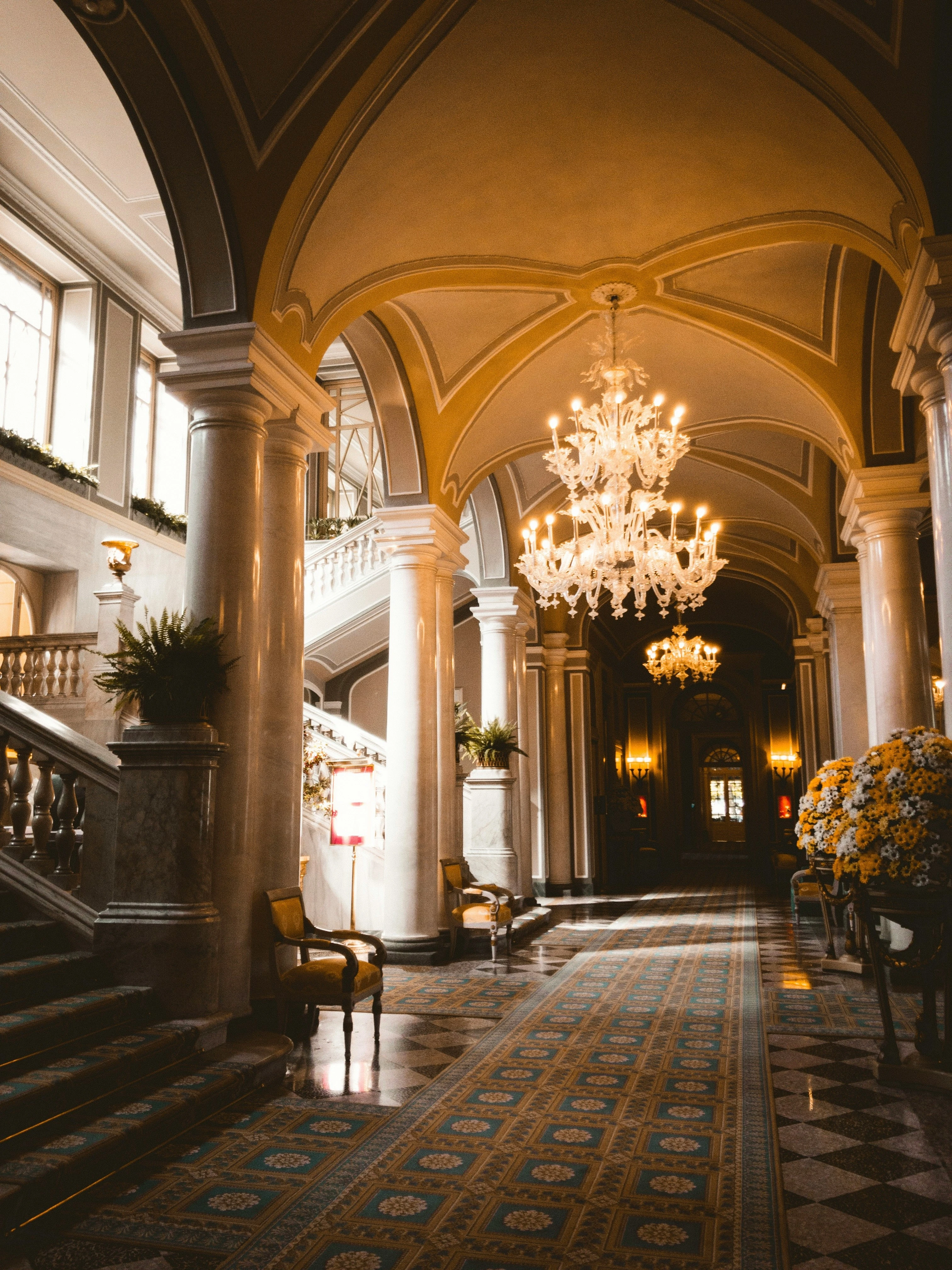
The luxury landscape extends well beyond the brands above. Depending on the destination and traveller, I would also consider properties and collections from Four Seasons, Mandarin Oriental, One&Only, Cheval Blanc, St. Regis, Park Hyatt, COMO, Auberge Resorts Collection, Six Senses, Rosewood, Aman, Oberoi, and Raffles.
The interesting part isn’t deciding which brand is “number one.” It’s understanding where each property belongs in the journey.
The hotel itself is only one part of the equation. The value of careful planning is often in knowing which room category is actually worth booking, which side of the property is preferable, when a villa makes more sense than a suite, whether the hotel works for children, which properties are worth staying at for two nights versus five, which hotel deserves to be the centrepiece of the trip, and which property complements the destination rather than duplicating it.
These decisions rarely appear in a generic hotel ranking. They come from understanding how the property behaves within an actual journey.
The most interesting change in luxury travel isn’t that hotels are becoming more extravagant. It is that travellers increasingly want hotels to feel relevant to them. Some want wellness; some want heritage; some want food; some want privacy; some want adventure; some want design; some want the children to have an incredible holiday; some want three days where nobody expects anything from them.
The world’s leading hotel groups have become sophisticated enough to serve all of these desires. The challenge is choosing correctly. And that is why I would never begin a luxury itinerary with “Which is the world’s best hotel?”
I’d begin with: “What should this hotel make the traveller feel?”
Once that answer is clear, the right property usually becomes much easier to identify.