
CALL US ON
+91 91523 09966
CALL US ON
+91 91523 09966
By Amisha Shetth
Japan has a way of making luxury look effortless.
It might be a meal served with extraordinary precision, a ryokan where every detail has been considered, a private guide who takes you through a neighbourhood you would never have found alone, or simply the experience of arriving somewhere and discovering that everything works exactly as it should.
But there is a trap for first-time luxury travellers to Japan. The country has become so popular that the most obvious itinerary can sometimes become the least interesting one.
Tokyo. Kyoto. Osaka. Maybe Hakone.
There is nothing wrong with that route. Japan’s official tourism organisation itself presents Tokyo, Hakone, Kyoto, Osaka and Hiroshima as a classic two-week first-time itinerary. The question is whether that is the Japan you actually want to experience.
For a bespoke journey, the better starting point is not the map. It is the traveller.
Japan can be surprisingly different depending on what you prioritize:
And if you’ve already visited Tokyo and Kyoto, there is little reason to simply repeat the standard route. Japan’s tourism authority itself highlights luxury experiences ranging from ryokan and hot springs to private cultural encounters, craftsmanship, gourmet travel and remote island resorts.
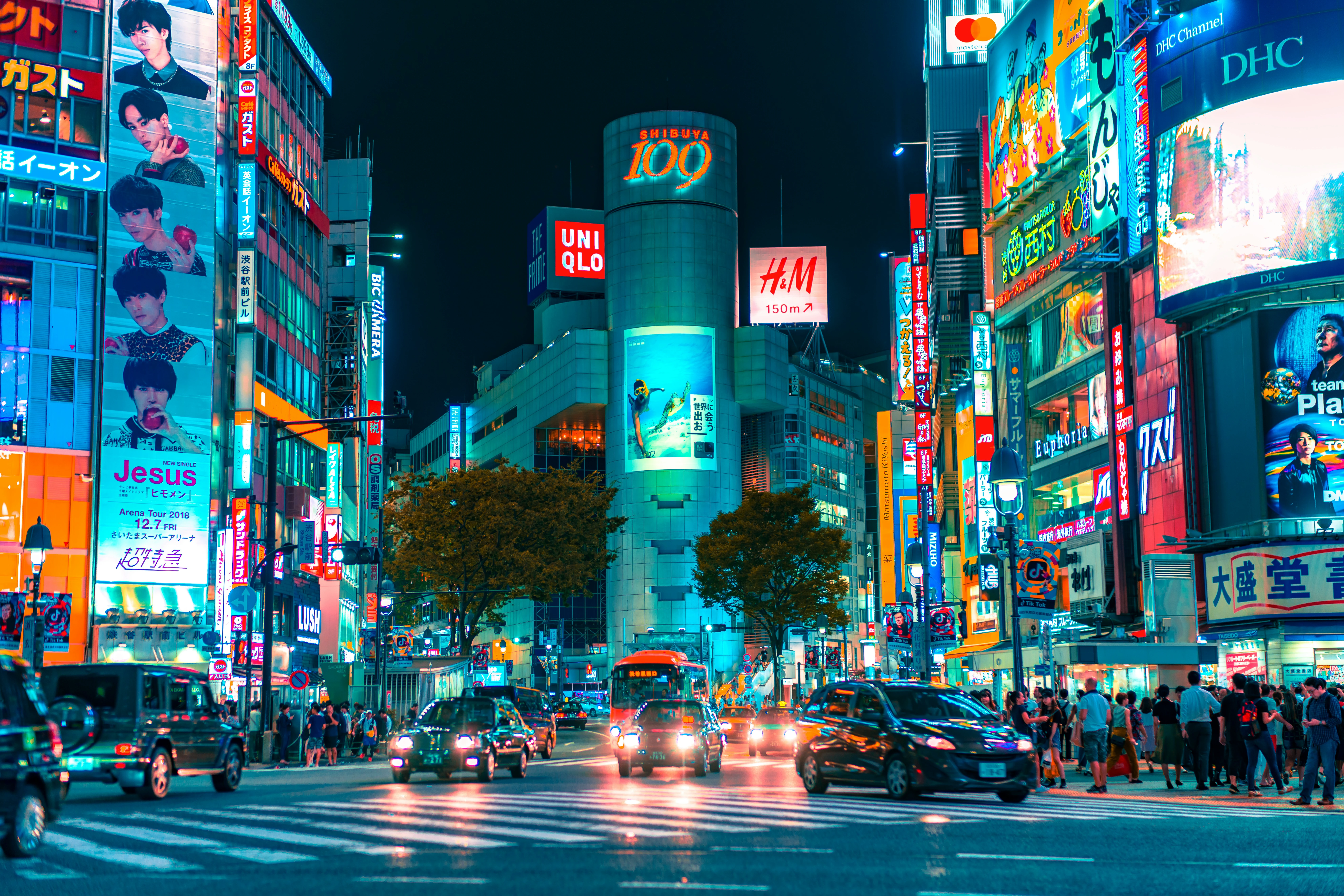
Tokyo is too large to experience comprehensively. The mistake is therefore trying. Instead, decide what version of Tokyo you want:
The food-focused Tokyo: Build the trip around exceptional dining, neighbourhood exploration and Japanese culinary culture.
The design-focused Tokyo: Spend time around architecture, contemporary art, fashion and craftsmanship.
The shopping-focused Tokyo: Explore Ginza and the city’s specialist stores, independent designers and luxury flagships.
The cultural Tokyo: Combine historic districts, temples, private cultural experiences and quieter neighbourhoods.
Tokyo’s official tourism guide describes the city as a combination of tradition and innovation, with major shopping areas such as Ginza alongside historic areas such as Asakusa and enormous culinary depth. There is no reason every traveller should see the same Tokyo.
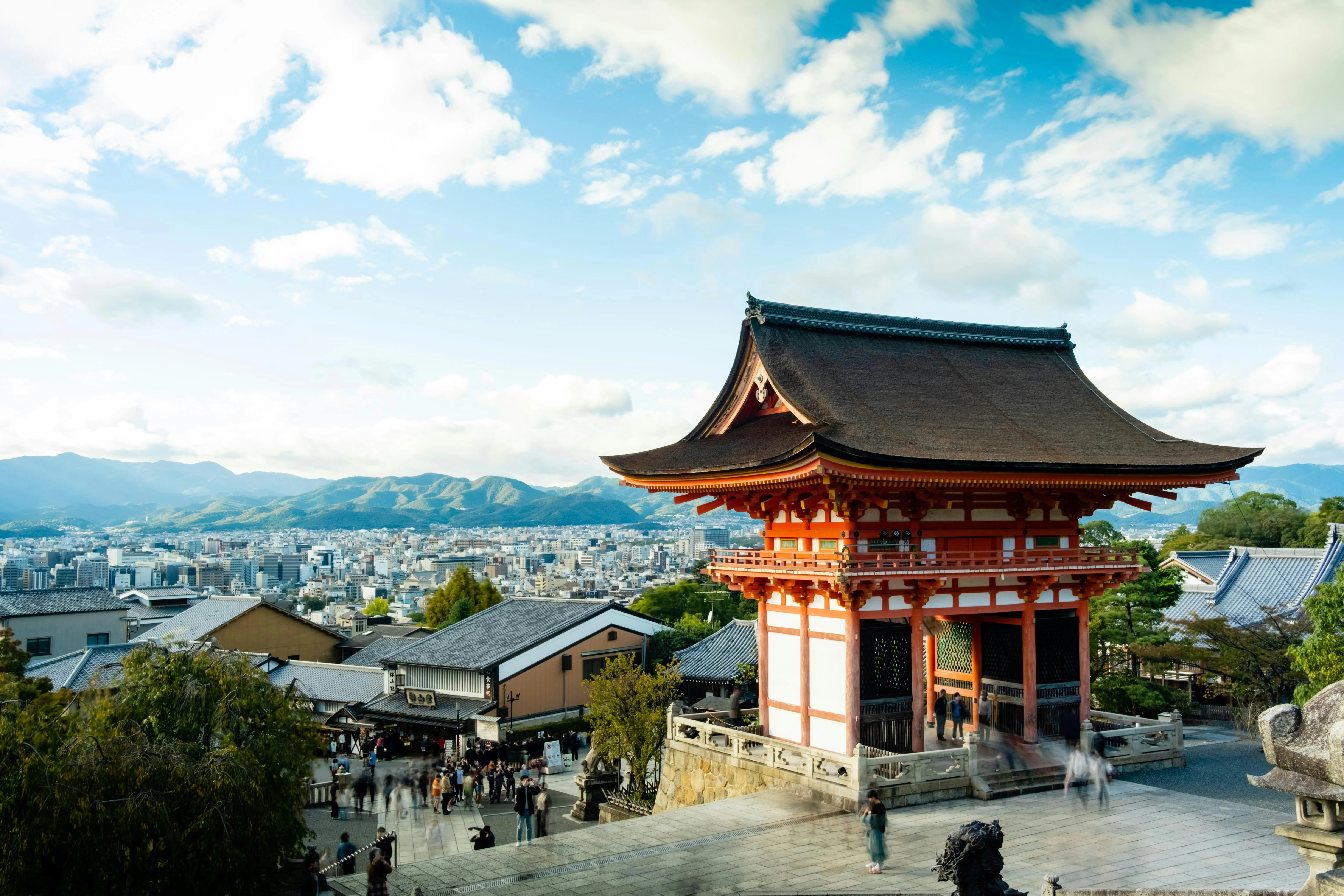
Kyoto is one of the most rewarding and most challenging cities for luxury travel. It has more than 1,200 years of cultural history, with temples, gardens, traditional architecture, tea culture, cuisine and historic neighbourhoods.
But its popularity has created another consideration. Some areas experience significant tourist concentration during particular seasons and times of day. Kyoto’s official tourism guidance now provides congestion forecasts and live information for popular areas.
For a luxury traveller, the answer isn’t necessarily avoiding Kyoto. It’s changing how you experience it:
Luxury is sometimes simply being somewhere at the right time.
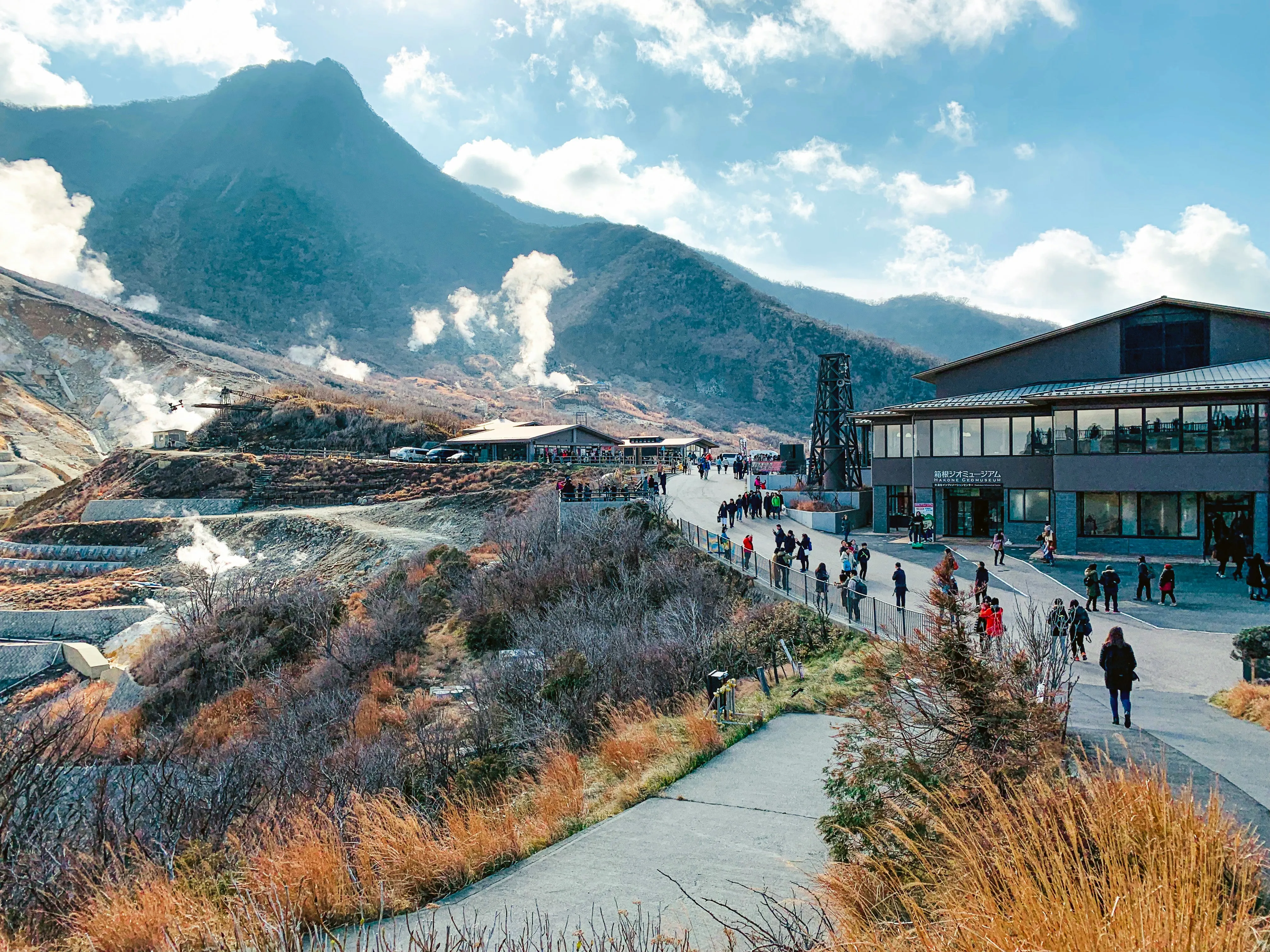
Hakone serves a very different purpose. It is close enough to Tokyo to be convenient, but its hot springs, mountains and views of Mount Fuji make it feel removed from the city.
Japan’s tourism organisation describes Hakone as a major onsen destination within Fuji-Hakone-Izu National Park, with hot springs, Lake Ashinoko and mountain scenery.
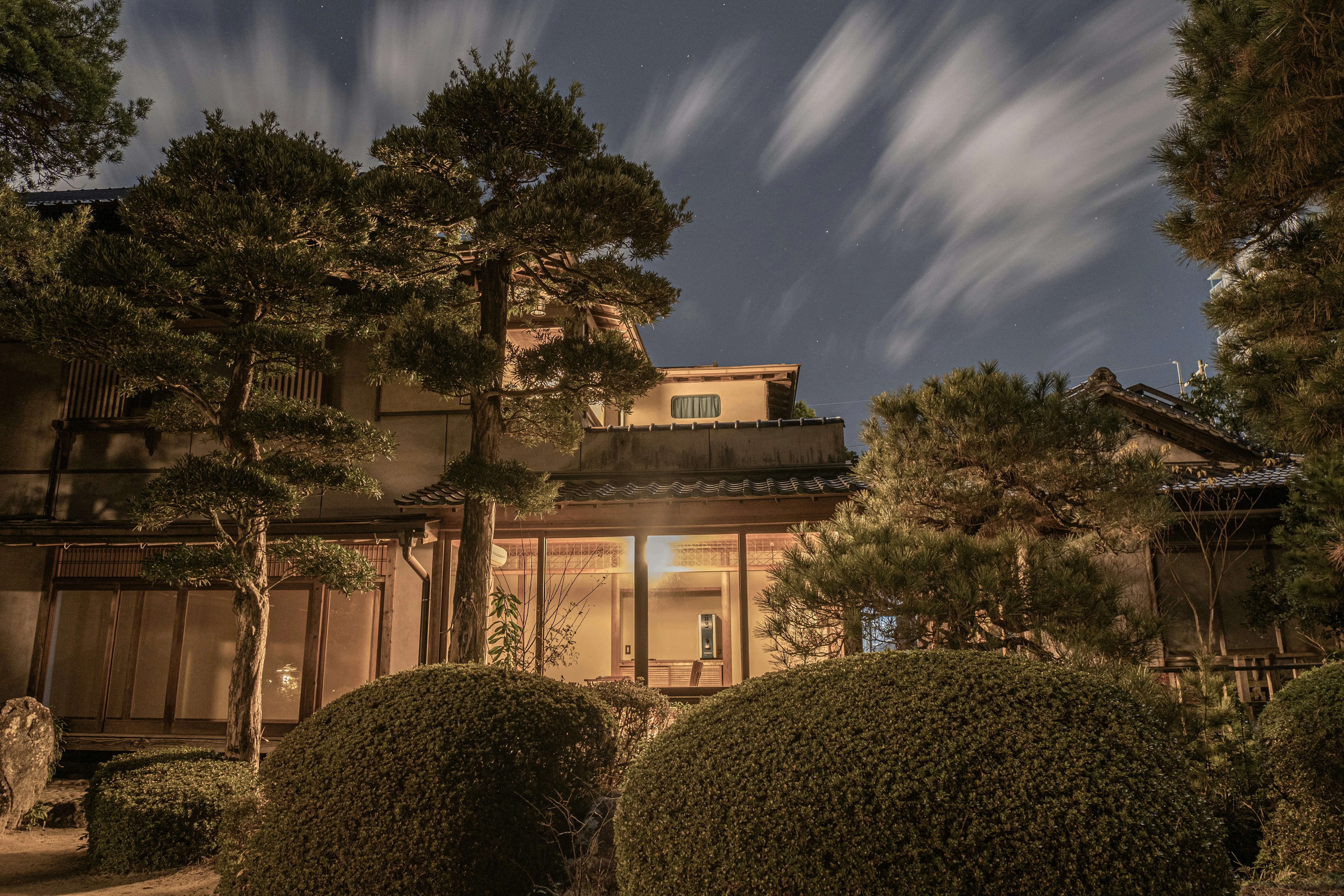
For a luxury itinerary, I would treat Hakone as a pause, rather than another sightseeing destination. One or two nights in a beautiful ryokan can provide something the large cities cannot: quiet, a traditional Japanese meal, an onsen, a room designed around the landscape, and a morning with nowhere to rush to.
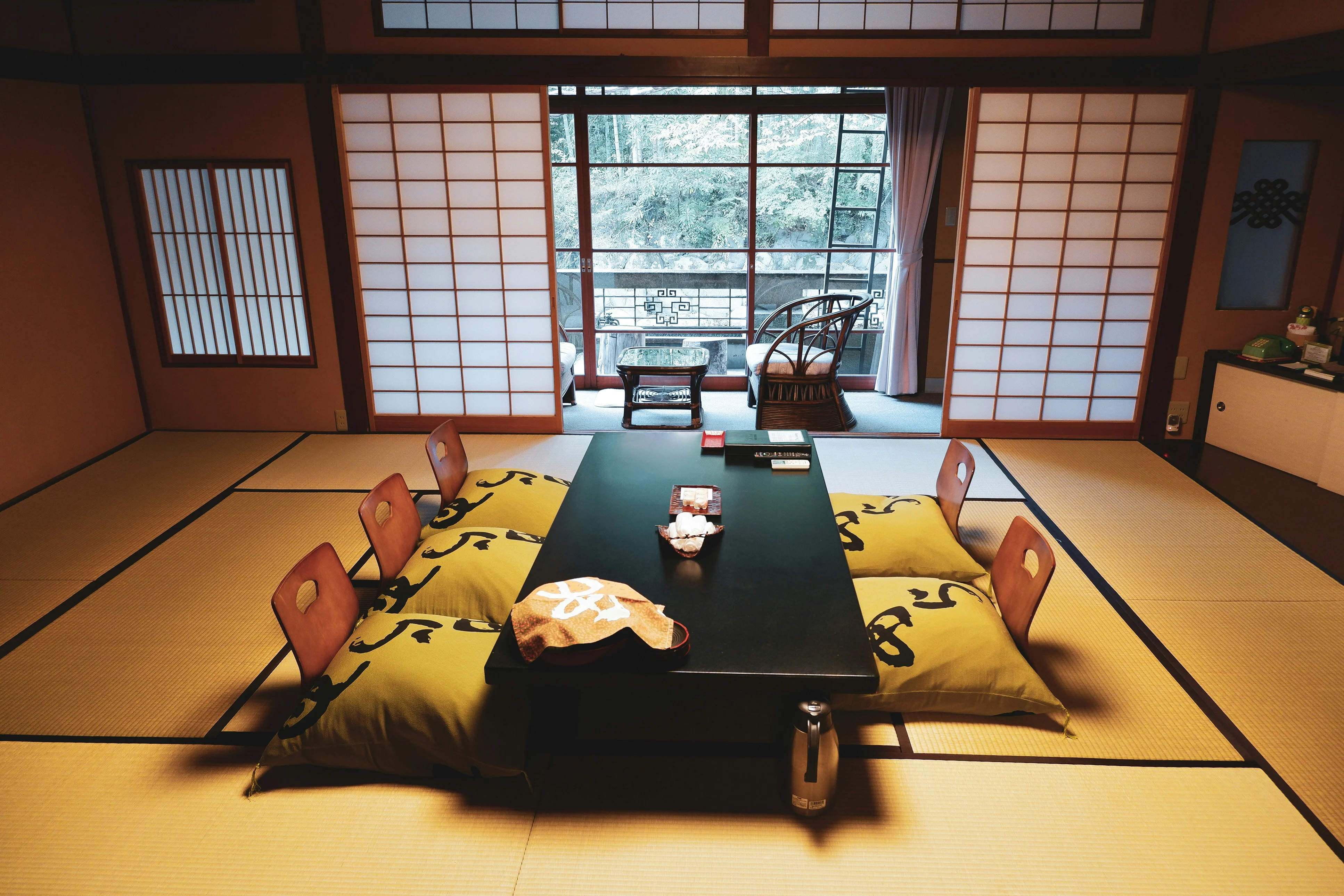
This is one area where luxury travellers sometimes make the wrong comparison. A ryokan shouldn’t necessarily be judged against a conventional five-star hotel. It is a different experience altogether.
Traditional rooms, tatami, seasonal cuisine, Japanese bathing culture and highly attentive hospitality are part of the experience. Japan’s tourism authority specifically describes ryokan as more than accommodation, highlighting tatami rooms, futon bedding, seasonal kaiseki cuisine and onsen.
For some travellers, it can become one of the defining memories of Japan. For others, the formality and traditional sleeping arrangements may not be comfortable. That’s why I wouldn’t automatically put a ryokan into every luxury Japan itinerary. It needs to suit the traveller.
Japan is one of the rare destinations where I would seriously consider designing the itinerary around food. Not just restaurants—the entire culinary culture.
Tokyo’s fine-dining scene is extraordinary, but regional Japan offers a much broader picture of Japanese cuisine:
For a food-focused journey, restaurant reservations should therefore be considered alongside the geography of the trip, not as an afterthought.
Japan has an extraordinary amount of cultural depth. But simply visiting a temple doesn’t necessarily mean understanding it. A knowledgeable private guide can change the experience considerably.
The same applies to tea ceremonies, sake tastings, traditional crafts, architecture, gardens, cuisine, samurai history, geisha culture, and Japanese aesthetics. Japan’s tourism authority specifically highlights private cultural experiences, tea ceremonies, traditional crafts and geisha/maiko experiences as part of the country’s luxury offering. The goal shouldn’t be to collect exclusive experiences—it should be to find one or two that genuinely connect with your interests.
Once the obvious route has been covered, Japan becomes much more interesting:
Kanazawa: A strong choice for travellers interested in traditional crafts, gardens, food and cultural heritage. JNTO highlights Kanazawa for its craftsmanship, gold-leaf work and traditional culture.
Hokkaido: For travellers who want nature, skiing, wildlife and a more spacious environment. JNTO describes Hokkaido as a destination for privately guided outdoor activities and wildlife encounters.
Setouchi: For art, islands and a much slower rhythm.
Kyushu: For hot springs, food, nature and a less conventional Japan experience.
Okinawa and the Ryukyu Islands: For travellers who want Japan with a tropical, island-oriented character. JNTO highlights the Ryukyu Islands for luxury resorts, diving and remote island experiences.
These aren’t necessarily “better” than Tokyo or Kyoto. They’re simply different.
This is where I would make the itinerary decision much earlier than most travellers do.
Spring: Cherry blossom season is spectacular. It is also one of the periods when demand can become intense. If you want to travel during blossom season, the itinerary should be designed around both the experience and the crowds.
Summer: Summer can be hot and humid in many parts of Japan, but it is also festival season and a useful period for exploring northern regions such as Hokkaido.
Autumn: Autumn foliage can be extraordinary, particularly around Kyoto and mountain regions. Again, the most beautiful periods can also be among the busiest.
Winter: Winter opens up a completely different Japan. Snow, onsens, skiing and winter cuisine create an experience that has very little resemblance to a spring visit. Hokkaido and the Japanese Alps become particularly compelling.
If seeing cherry blossoms has been a lifelong dream, absolutely. But don’t assume that the most crowded period is automatically the most luxurious. For some travellers, a quieter period with beautiful gardens and fewer people may actually create a better experience.
A bespoke itinerary can adjust: where you stay + when you visit + what time you visit + which areas you explore rather than simply accepting the busiest version of the destination.
Japan can work exceptionally well for multi-generational Indian families, but the itinerary should be built differently from a couple’s holiday. The biggest consideration is pace.
Three generations don’t necessarily want three different holidays. They need a common structure with enough flexibility:
Rather than packing six major sights into a single day, this structure keeps the journey enjoyable for all ages.
Food planning deserves attention before arrival. Japan is extremely sophisticated gastronomically, but some ingredients and preparation methods (such as dashi fish stock) may not be obvious to visitors.
For travellers with vegetarian, Jain or other dietary requirements, restaurants should be selected and briefed in advance wherever necessary. This becomes particularly important outside major cities. The goal isn’t simply to “find vegetarian food”—it’s to ensure the dining experience remains enjoyable rather than becoming a daily logistical exercise.
Japan’s rail network is one of its greatest advantages. The Shinkansen can move travellers efficiently between major destinations, and Japan’s luxury travel guidance highlights premium Gran Class seating as an elevated way to travel between cities.
But private cars still have an important role. Use trains when they make the journey easier; use private transportation when flexibility matters. The objective is to make the journey frictionless.
Instead of giving every traveller the same itinerary, I’d start with one of these concepts:
Tokyo → Hakone → Kyoto → Osaka
A polished introduction combining modern Japan, hot springs, traditional culture and food.
Tokyo → Kanazawa → Kyoto → Setouchi
Less conventional and more focused on culture, design, craftsmanship and art.
Tokyo → Japanese Alps → Hokkaido
For travellers who want snow, onsens, skiing, winter landscapes and exceptional food.
These aren't packages. They’re frameworks. The final itinerary should change depending on the traveller.
Japan rewards curiosity far more than itinerary density.
Perhaps the most interesting thing about luxury in Japan is that it rarely needs to announce itself. It is in the way a meal is presented. The precision of a train. The design of a room. The silence of an onsen. The attention of a guide. The craftsmanship behind an object. The hospitality of a ryokan.
Japan’s concept of omotenashi—anticipating and caring for the guest’s needs—is one of the reasons the country’s luxury travel experience feels so distinctive. JNTO describes it as a central element of Japanese hospitality.
And that is ultimately how I would approach a luxury Japan journey from India. Don’t try to see everything. Build a journey that feels considered: a few extraordinary experiences, the right hotels, enough empty space, and a Japan that feels personal rather than packaged.
Amisha Shetth is the Founder and Chief Experiential Officer at Bliss Travels, a luxury and bespoke travel company specializing in personalized international journeys. Her approach to Japan focuses on matching the traveller’s interests, season, accommodation style and pace with the right combination of experiences.