
CALL US ON
+91 91523 09966
CALL US ON
+91 91523 09966
By Amisha Shetth
There are very few journeys where the destination itself is still more important than the hotel. Antarctica is one of them.
You can have an exceptional suite, remarkable food and impeccable service, but none of those things is why people travel to the White Continent. They go for the scale of the landscape, enormous icebergs, penguin colonies, whales, silence and the feeling of being somewhere that very few people will ever experience.
That also makes Antarctica fundamentally different from a conventional luxury holiday.
It is an expedition first and a luxury journey second.
For Indian travellers considering the journey, getting that distinction right is the beginning of planning it well.
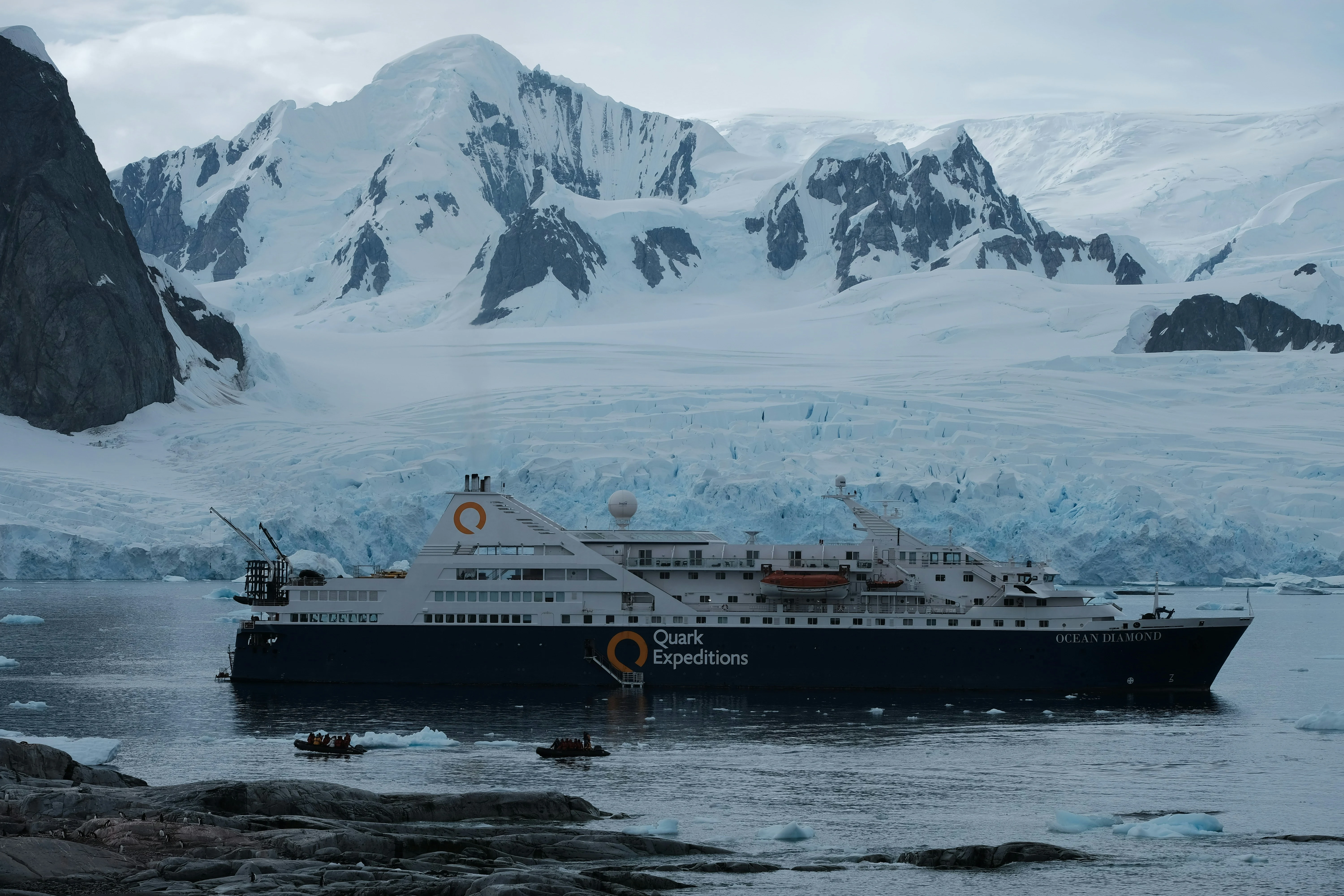
Most travellers visiting Antarctica for the first time will encounter the Antarctic Peninsula, usually reached by expedition ship from South America.
The Antarctic Peninsula is the most accessible part of the continent for tourism, with the main visitor season running through the Southern Hemisphere summer. The Australian Antarctic Program identifies roughly mid-November to early March as the period when conditions are generally most favourable, with milder temperatures, less sea ice and increased wildlife visibility.
But even within the Peninsula, expeditions can feel very different.
Some focus heavily on wildlife. Others put more emphasis on photography, kayaking, hiking or exploration. Some prioritize a smaller ship and more intimate landings. Others place greater emphasis on onboard comfort.
So the first question isn’t: “Which Antarctica cruise is the most luxurious?”
It is: “What do I want my expedition to be about?”
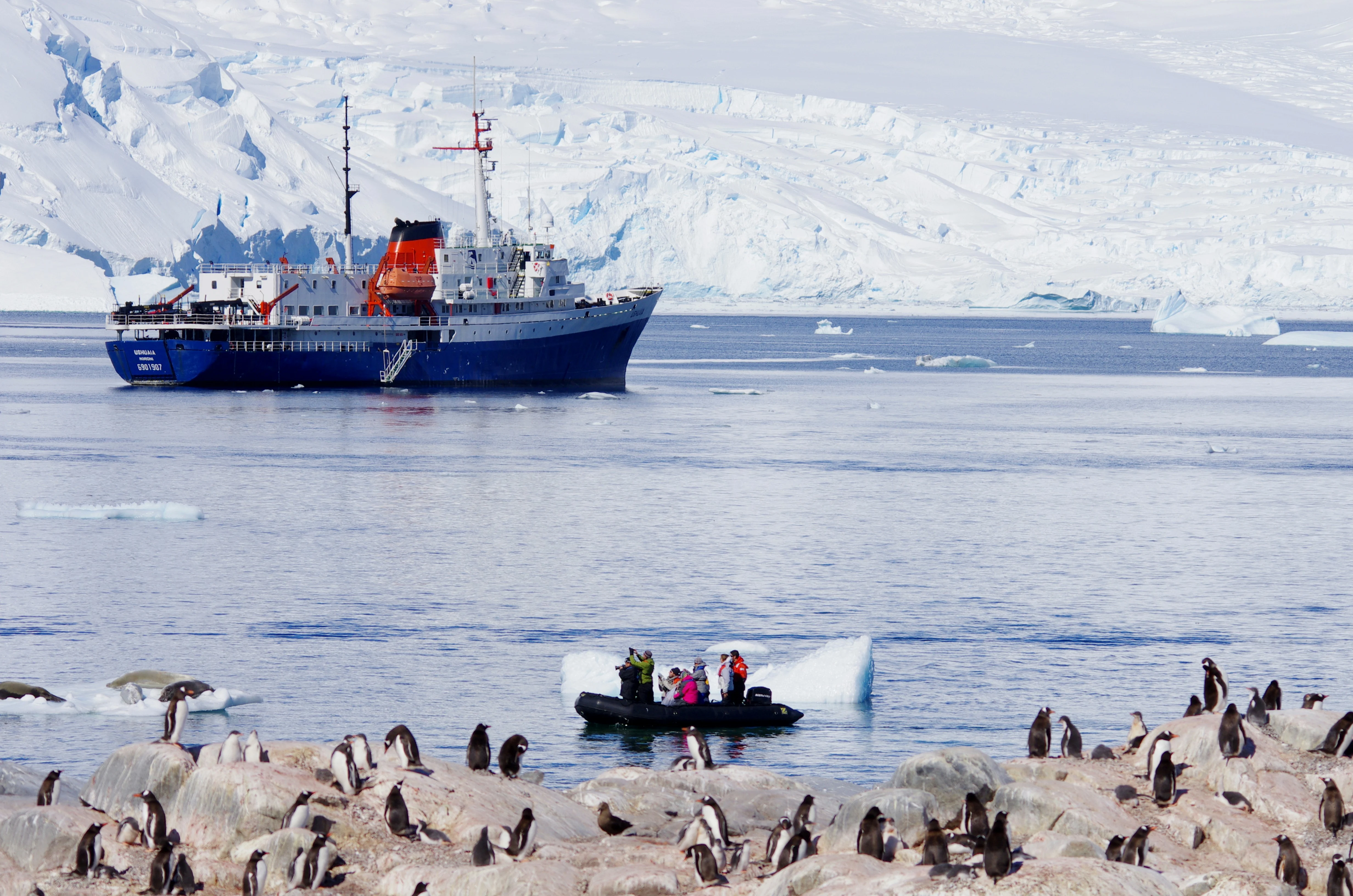
On an ordinary holiday, choosing a hotel is one part of the planning process. In Antarctica, the ship is practically the entire infrastructure of your journey. It is where you sleep, eat, relax, learn and return between shore excursions.
That makes the choice considerably more important. Look beyond the photographs of the suites.
A smaller expedition vessel can provide a more intimate atmosphere and may make expedition operations feel more personal.
There are also important operational considerations around passenger numbers. IAATO guidance states that vessels carrying more than 500 passengers cannot make Antarctic landings, while landings are managed according to specific visitor and site guidelines.
The expedition staff are arguably more important than the thread count in your suite. Look for experienced naturalists, historians, photographers and expedition leaders who can explain what you are seeing rather than simply transporting you from one landing to another.
Ask how the operator handles Zodiac transfers, landings and activities such as kayaking or hiking.
Food, cabin design, observation areas, wellness facilities and common spaces matter because you’ll spend significant amounts of time aboard the vessel.
Antarctica is remote. Operators need to be equipped and prepared for changing weather, sea conditions and logistical challenges. Australian Antarctic guidance emphasizes that Antarctic tourism must be carefully planned, adequately resourced and self-sufficient.
This is something I would specifically look at when planning a luxury expedition.
A ship carrying several hundred people may technically offer beautiful accommodation, but that doesn’t necessarily translate into the same expedition experience as a smaller vessel. The ability to get ashore efficiently, move between groups and spend time in smaller settings can make a significant difference.
IAATO’s current visitor framework also places strong emphasis on managing shore visits and minimizing environmental impact. Its 2026 background information notes that more than 113,000 people travelled with IAATO members during the 2025–26 season, underlining why careful visitor management is increasingly important.
For a luxury traveller, that means smaller isn’t simply about exclusivity. It can affect the character of the expedition itself.
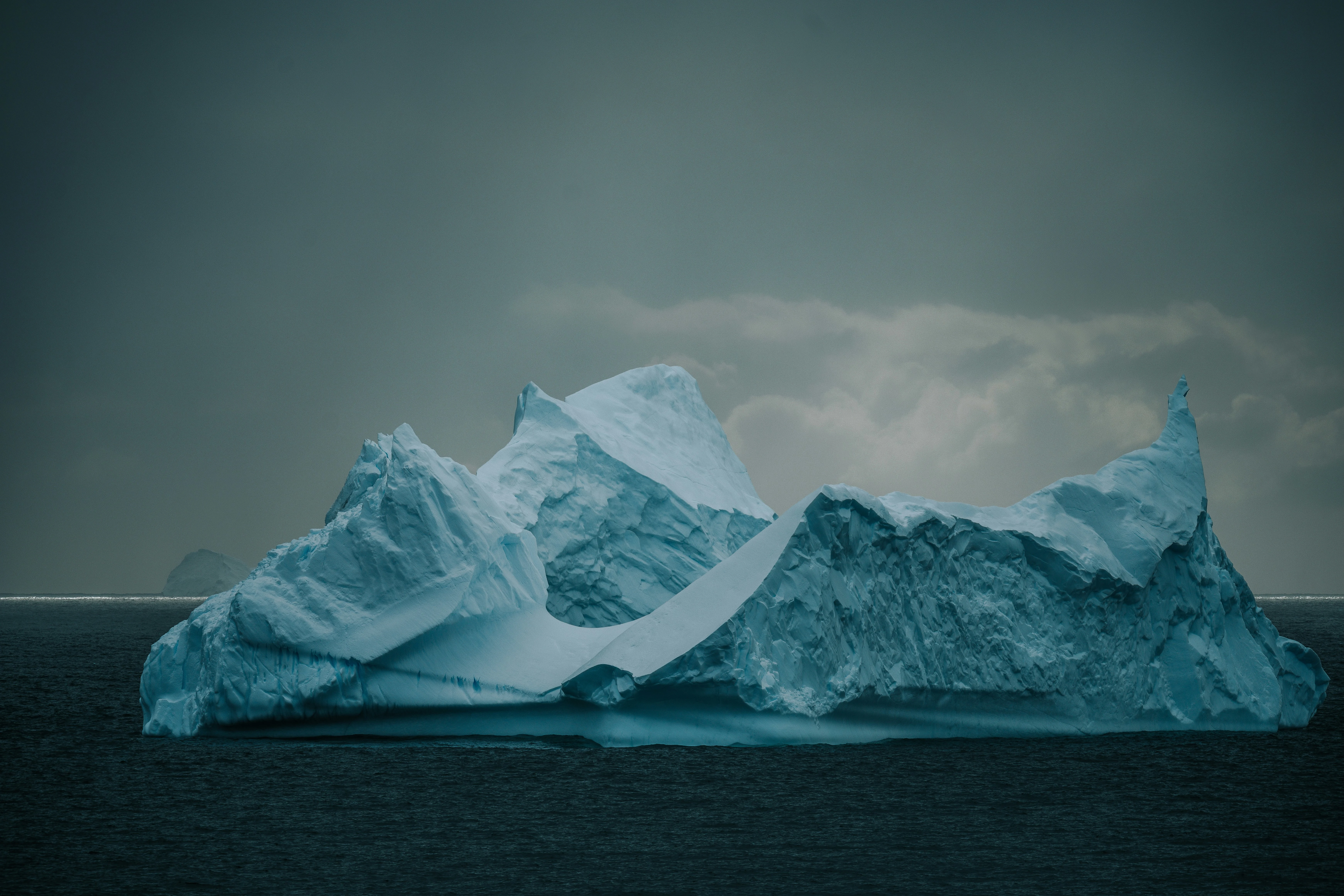
There is no single “best” month for everyone. The Antarctic Peninsula’s tourism season broadly runs through the austral summer.
The Australian Antarctic Program identifies mid-November through early March as the period offering favourable conditions for visitors. But different parts of the season can offer different experiences:
Early season: There can be an extraordinary amount of snow and ice, creating a particularly dramatic visual environment.
Mid-season: Wildlife activity and longer daylight hours make this a popular period.
Later season: Changing ice conditions and wildlife behaviour can produce a different experience again.
The right departure therefore depends on what matters most: landscape, wildlife, photography, weather, availability or a particular expedition route.
Antarctica isn’t somewhere you simply fly into. For most luxury travellers visiting the Antarctic Peninsula, the journey begins in South America.
Ushuaia in Argentina is one of the principal gateways. Argentina’s official tourism authority describes Ushuaia as the gateway to Antarctica and the departure point for a large number of Antarctic expeditions.
That creates an important planning opportunity. Instead of treating South America as a transit point, make it part of the journey.
A well-paced trip could look like:
India → Buenos Aires → Patagonia → Ushuaia → Antarctica
This is considerably more rewarding than arriving in Ushuaia exhausted and boarding an expedition the following morning.
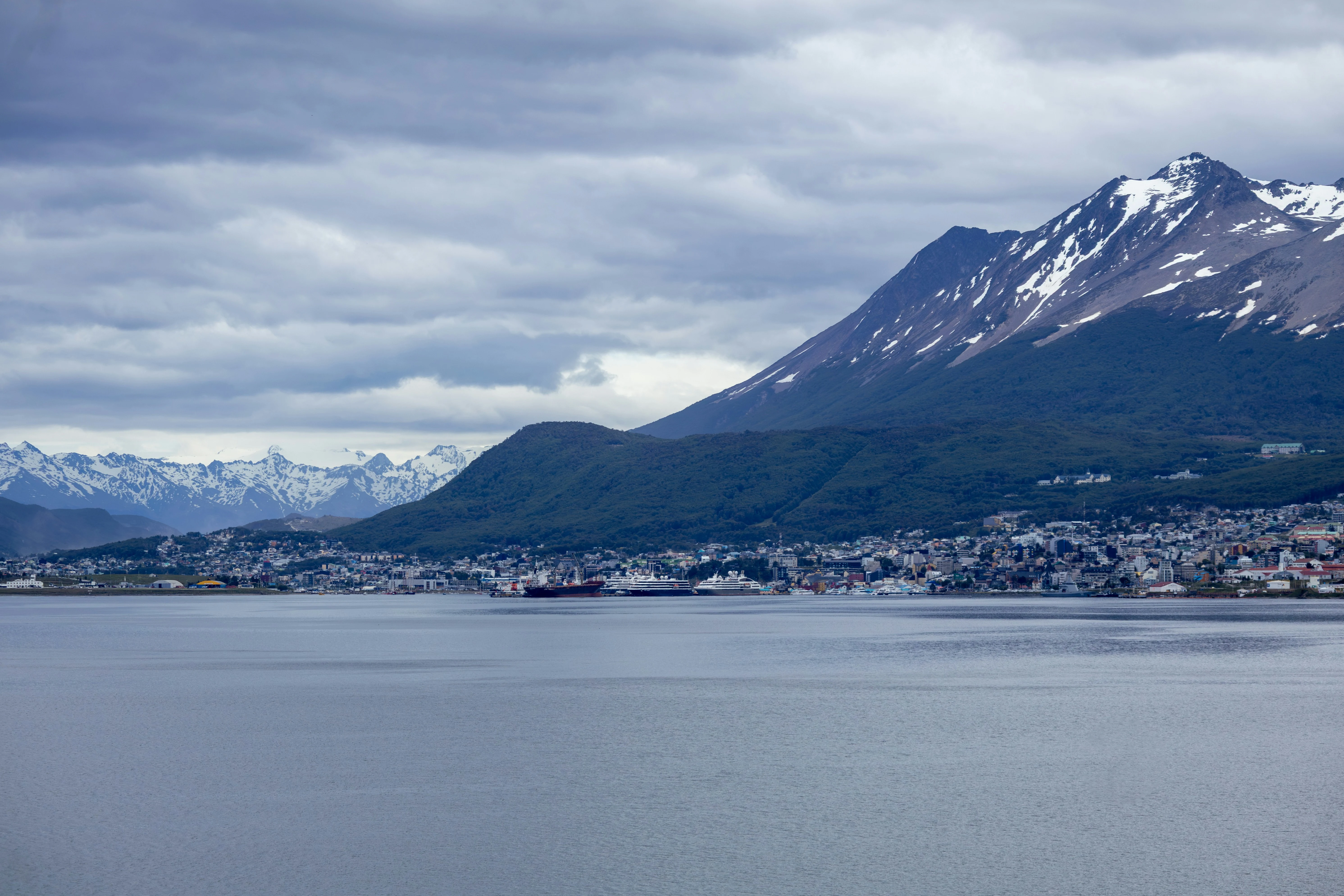
Ushuaia is often called the “End of the World”, and it has more to offer than simply being the place where the ship departs.
Argentina’s tourism authority recommends roughly two to four days for Ushuaia and highlights the Beagle Channel, Tierra del Fuego National Park, Martial Glacier, local food and the End of the World Train among the area’s experiences.
For a luxury itinerary, two nights can provide a useful buffer before departure. It also means that a delayed international flight is less likely to jeopardize the expedition. That buffer is particularly valuable when the cruise itself is the centrepiece of a long-haul journey.
For many Antarctic Peninsula expeditions, yes. The Drake Passage is part of the classic Antarctic journey.
The crossing from South America to the Antarctic Peninsula generally takes around 1.5 to 2 days each way, depending on conditions. Some travellers will see this as part of the adventure. Others will prefer an itinerary that minimizes the crossing through available fly-cruise options.
Neither approach is inherently better. If you enjoy the romance of expedition travel, the Drake Passage can become part of the story. If your priority is maximizing time in Antarctica and minimizing time at sea, a fly-cruise itinerary may be more attractive.
Penguins are the obvious answer. But they are only one part of the experience.
Depending on your route and timing, Antarctica can offer:
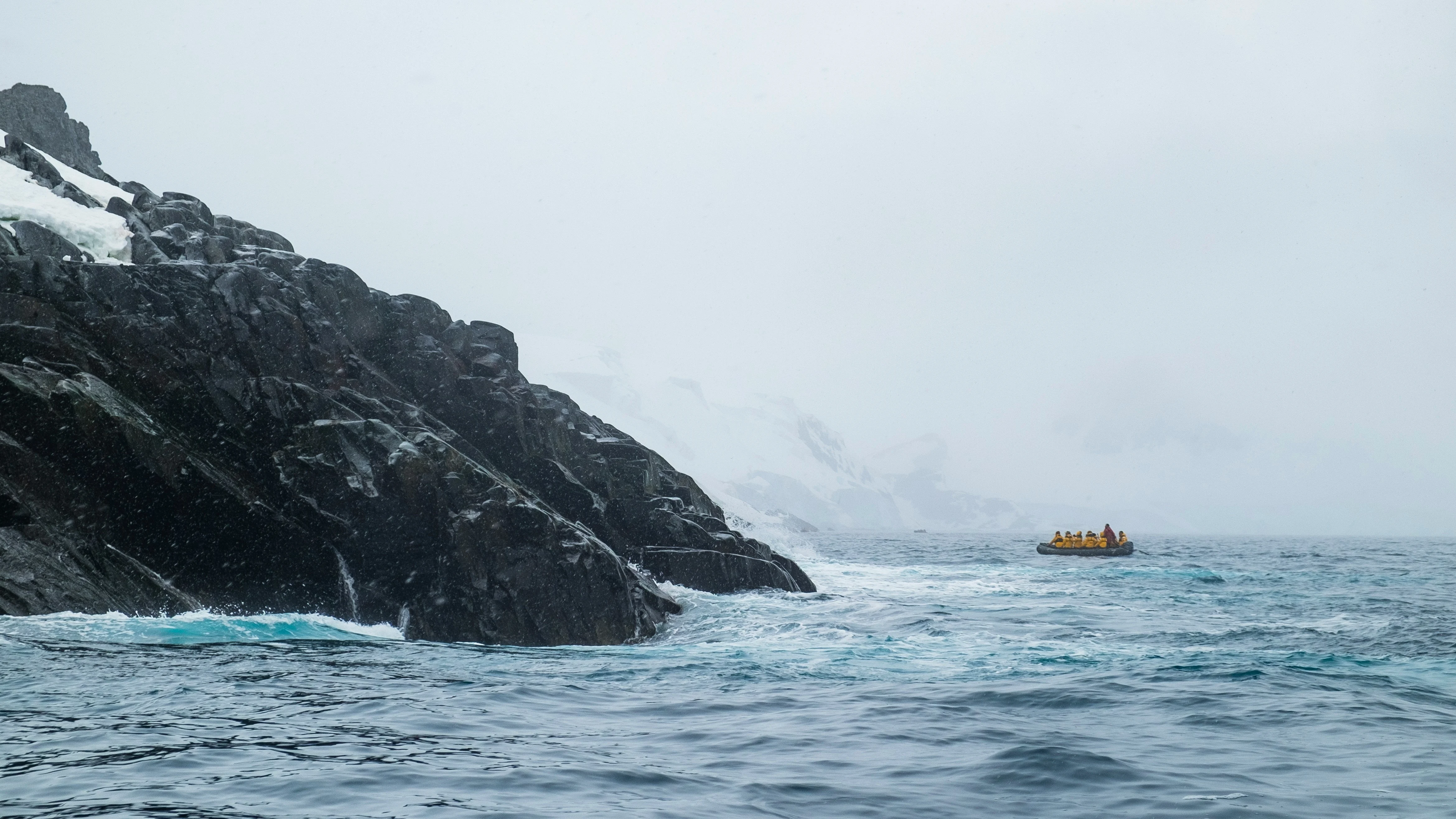
And then there are the moments that cannot be scheduled: a whale surfacing beside the ship, a leopard seal appearing near a Zodiac, a penguin colony becoming visible around a rocky coastline, a glacier calving in the distance. That unpredictability is one of Antarctica’s greatest attractions.
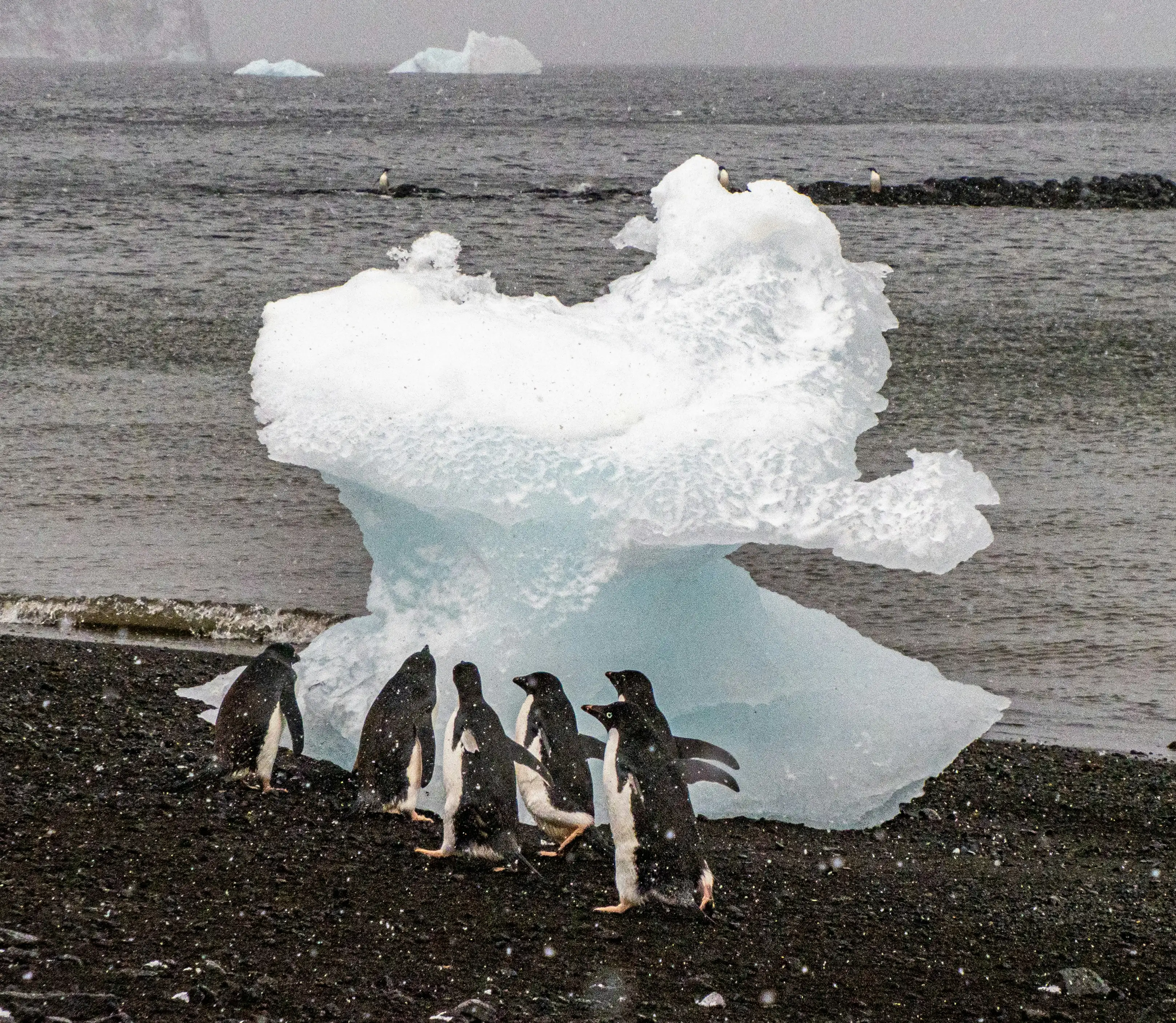
This is an important distinction. A luxury expedition shouldn’t attempt to make Antarctica feel like a five-star beach resort.
The cold should still feel cold. The landscape should still feel enormous. The weather should still influence the itinerary. The Zodiacs should still be part of the journey.
What luxury can provide is comfort around the adventure: a warm cabin after a landing, excellent food after a day outdoors, a knowledgeable expedition team, a beautifully designed observation lounge, and a comfortable place to watch the landscape change. That is a much more appropriate definition of Antarctic luxury.
The expedition operator will usually provide detailed packing guidance, and it should be followed carefully.
But generally, the principle is layers rather than bulk. You want to be able to adjust quickly between ship interiors, decks, Zodiacs, landings, wind, snow and wet conditions.
Waterproof outer layers, warm insulating layers, suitable footwear, gloves and a reliable camera system are much more useful than bringing an enormous collection of clothing. And don’t underestimate sunglasses and sun protection: Antarctica’s reflective snow and ice can make bright conditions surprisingly intense.
Antarctica is extraordinary for photographers. But the best photographs aren’t always the ones that contain the most wildlife. The scale of the landscape is part of the story: an iceberg beside a Zodiac, a tiny group of people beside an enormous glacier, a penguin colony against a mountain, a ship disappearing into fog.
For serious photographers, I would consider the expedition team’s photography expertise when choosing the vessel. Some expeditions have dedicated photographic programmes and specialists who can help travellers make much more of the conditions.
Antarctica can make an extraordinary honeymoon for couples who want something completely unlike the conventional luxury-island experience.
It isn’t about lying beside a swimming pool. It is about sharing an experience that very few couples will ever have.
A honeymoon itinerary could combine: Buenos Aires → Patagonia → Antarctica. The first part gives the couple food, culture and landscapes before the expedition becomes the centrepiece.
For couples who want to add relaxation afterwards, a warmer destination can be added at the end rather than trying to make Antarctica itself a traditional beach-style honeymoon.
Yes, but this needs more thought than a conventional luxury family holiday.
Antarctica involves cold temperatures, Zodiacs, uneven terrain, walking, changing weather, remote environments, early mornings and expedition schedules. The ship should therefore be selected around the family rather than simply based on its luxury rating.
For older family members, cabin accessibility and onboard comfort matter. For children, the expedition programme and minimum-age policies need to be checked. For everyone, the ability to return comfortably to the ship after a landing matters.
Antarctica is one of the places where luxury travel carries an unusually important responsibility.
Visitors are expected to avoid disturbing wildlife, respect protected areas, prevent pollution and avoid introducing non-native species. Site-specific guidelines can also regulate where visitors walk, how many people may land and how close visitors should remain to wildlife.
This is why I would look at the operator’s environmental practices alongside its accommodation and service. A sophisticated expedition should leave travellers with a deeper understanding of Antarctica, not simply a collection of photographs.
For an Indian traveller, I would avoid making Antarctica a short add-on. The journey itself is substantial.
A comfortable overall structure might look like:
The exact structure depends on the expedition. The important point is to build buffer time around the expedition rather than creating a chain of flights that leaves no room for disruption.
It isn’t simply choosing the most expensive ship. A genuinely personalized expedition considers your preferred travel dates, tolerance for sea crossings, interest in wildlife versus photography, activity level, cabin requirements, family composition, and whether you want Patagonia beforehand.
Those decisions can completely change the final itinerary.
Antarctica doesn’t need embellishment. It already has the icebergs, glaciers, wildlife and enormous landscapes.
The role of luxury travel planning is to make the journey around those things comfortable, intelligent and deeply personal.
There isn't one perfect Antarctica itinerary. There is only the one that makes sense for the traveller making the journey.
Amisha Shetth is the Founder and Chief Experiential Officer at Bliss Travels, a luxury and bespoke travel company specializing in personalized international journeys and expedition-style travel.