
CALL US ON
+91 91523 09966
CALL US ON
+91 91523 09966
By Amisha Shetth
There is a peculiar problem with luxury hotel recommendations. The more expensive the hotel, the more similar the descriptions tend to become: “Exceptional service,” “World-class dining,” “Beautiful rooms,” “Unforgettable experiences.”
All of those things may be true. But they don’t tell a traveller very much.
The more useful question is: What is this hotel actually exceptional at?
A family travelling to Dubai has different priorities from a couple celebrating an anniversary in Italy. Someone looking for a serious wellness reset needs something different from a business traveller who wants a perfectly located city hotel. And a multi-generational family may value connecting rooms and effortless logistics more than the most spectacular suite in the building.
This is where understanding individual hotel brands—and, more importantly, individual properties—becomes essential in personalized luxury travel planning.
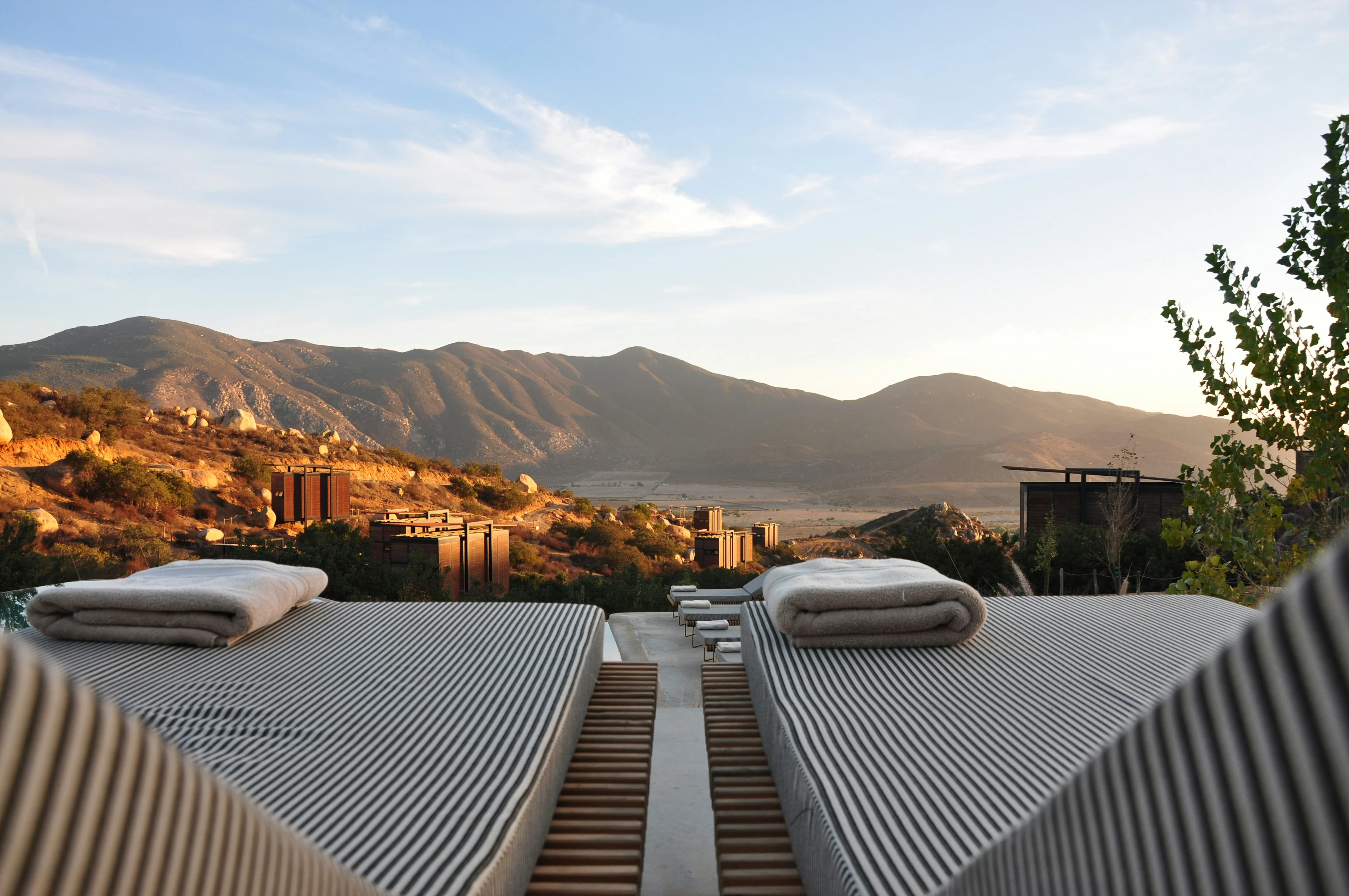
Four Seasons has built its reputation around service, but what makes the brand particularly useful for complex luxury travel is its ability to operate across very different types of destinations.
Its portfolio includes urban hotels, beach resorts, safari properties and more specialised experiences. The brand has also taken this idea beyond individual properties through its Private Jet Experience, which combines Four Seasons hotels and resorts with a dedicated journey team, concierge, executive chef and destination experiences. Current journeys include themes such as African wildlife, wellness, culture and around-the-world exploration.
That makes Four Seasons particularly interesting for travellers who value consistency without wanting a generic experience. The property still has to be chosen carefully. A Four Seasons resort in the Maldives is solving a completely different travel problem from a Four Seasons city hotel in Paris. But the underlying service culture can provide a reassuring thread through a complicated journey.
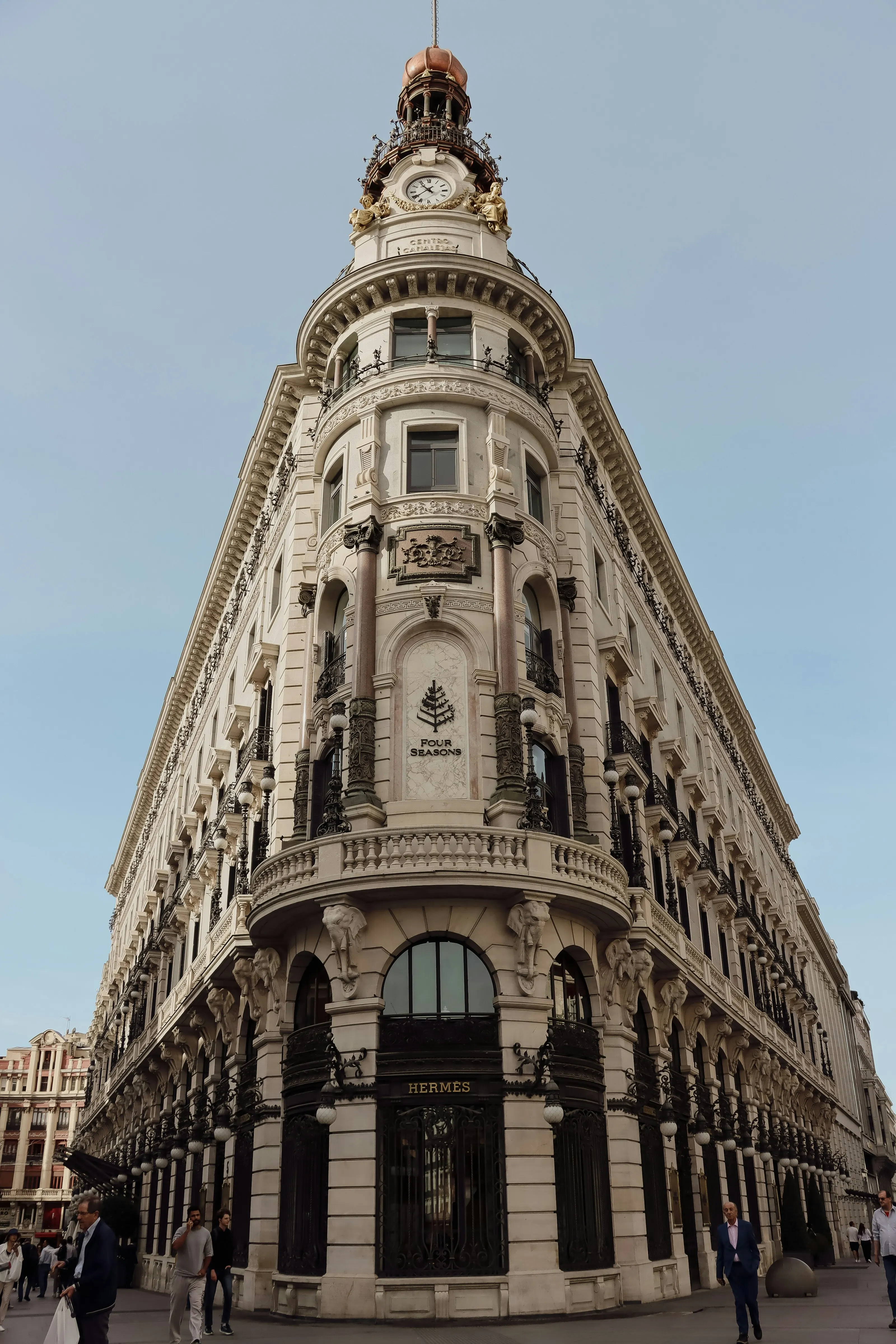
Jumeirah has a particularly distinctive relationship with the Middle East. The obvious example is Burj Al Arab, whose sail-shaped silhouette has become one of Dubai’s most recognisable landmarks.
But reducing Jumeirah to Burj Al Arab misses the breadth of the collection. The group currently operates properties across the Middle East, Europe and Asia, with a portfolio spanning beachfront resorts, city hotels, residences, dining and wellness.
What I find particularly interesting is the difference between its properties. Jumeirah Al Qasr feels rooted in an Arabian-palace interpretation of luxury. Jumeirah Beach Hotel is naturally more family-oriented. Jumeirah Olhahali Island is a completely different proposition: an island escape where privacy and tropical surroundings become central to the experience.
Jumeirah itself describes its hospitality philosophy as drawing from traditions of warm and generous Arabian hospitality and connection. For travellers visiting Dubai, this means the question isn’t simply whether Jumeirah is a good hotel brand. It’s which Jumeirah belongs in your Dubai story.
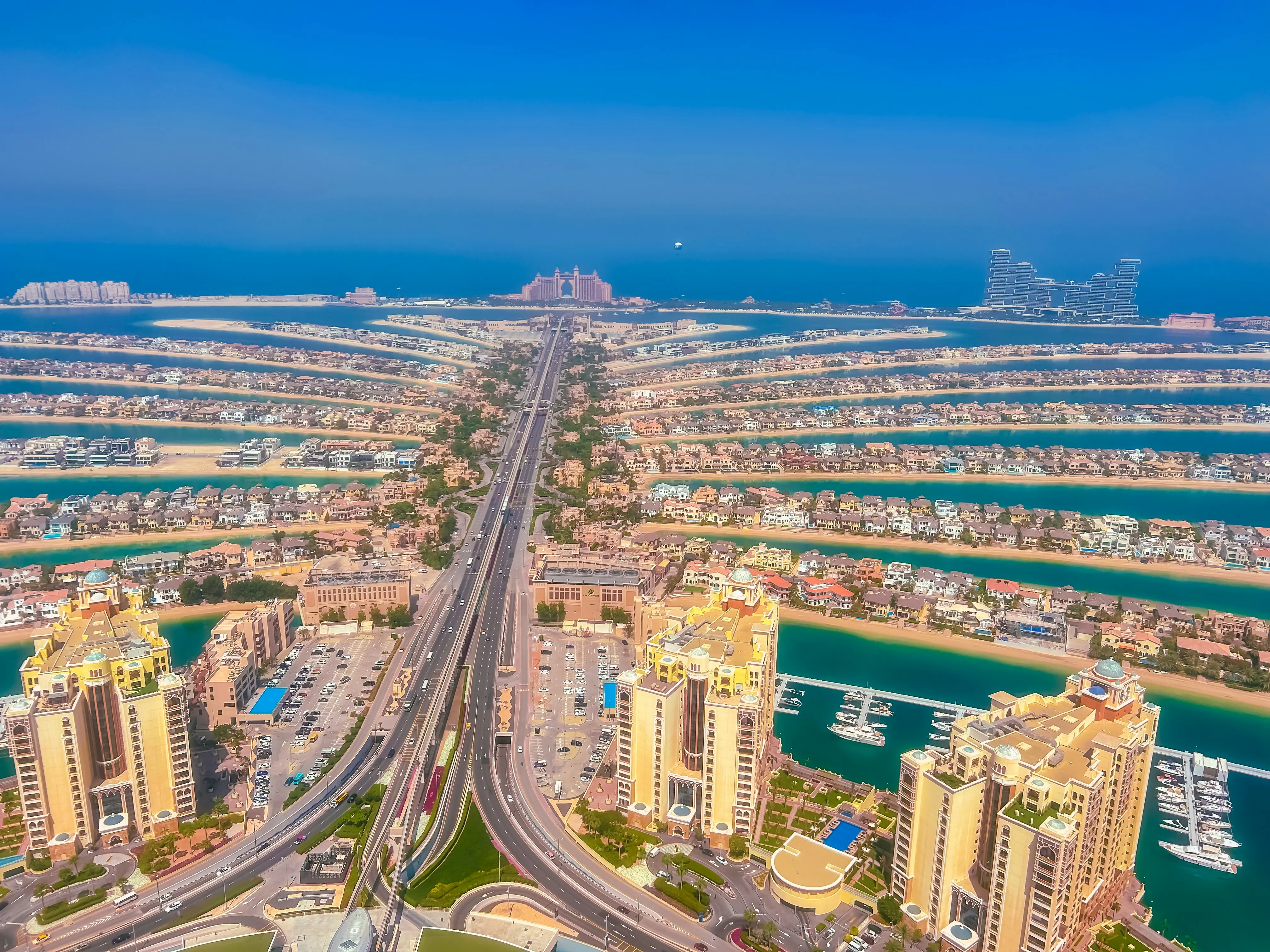
Fairmont is particularly interesting for travellers who enjoy historic hotels and grand city properties. Some hotels aren’t merely accommodation. They are landmarks. They have hosted generations of travellers, become part of the city’s social history and developed identities independent of the chain that operates them.
That is where Fairmont can be especially compelling. Think of properties such as:
The experiences are obviously very different. A historic urban grand hotel should not be evaluated using exactly the same criteria as a mountain resort. But that is precisely what makes the portfolio interesting. For a traveller who appreciates history, architecture and the feeling of staying somewhere that has a story, Fairmont can be a particularly strong fit.
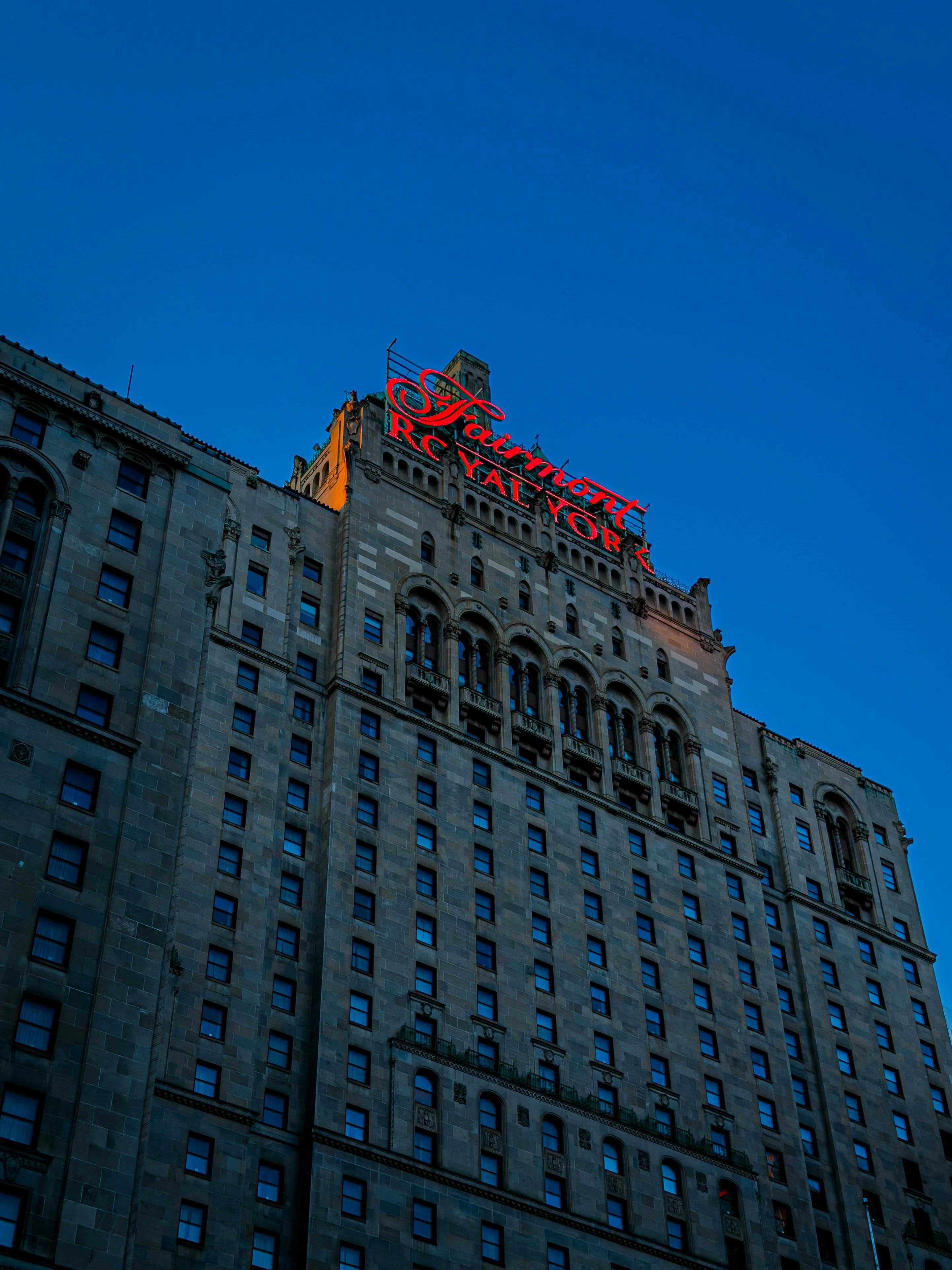
Banyan Tree deserves a slightly different discussion because wellness isn’t simply presented as an additional spa facility.
The brand currently describes its wellbeing philosophy through eight pillars, including connection, groundedness, growth, mindfulness, movement, nourishment, practice and rest. That philosophy appears in experiences ranging from spa treatments and hydrotherapy to wellness activities and destination-specific practices.
Its Wellbeing Sanctuary Stay, for example, combines nutritious meals, therapies, rituals and wellbeing activities rather than treating the spa as an isolated part of the property. This makes Banyan Tree particularly interesting for travellers who want: rest + nature + wellness, rather than a holiday that simply happens to have a spa. And the setting matters enormously: a rainforest sanctuary, island resort and urban property can produce very different wellness experiences.
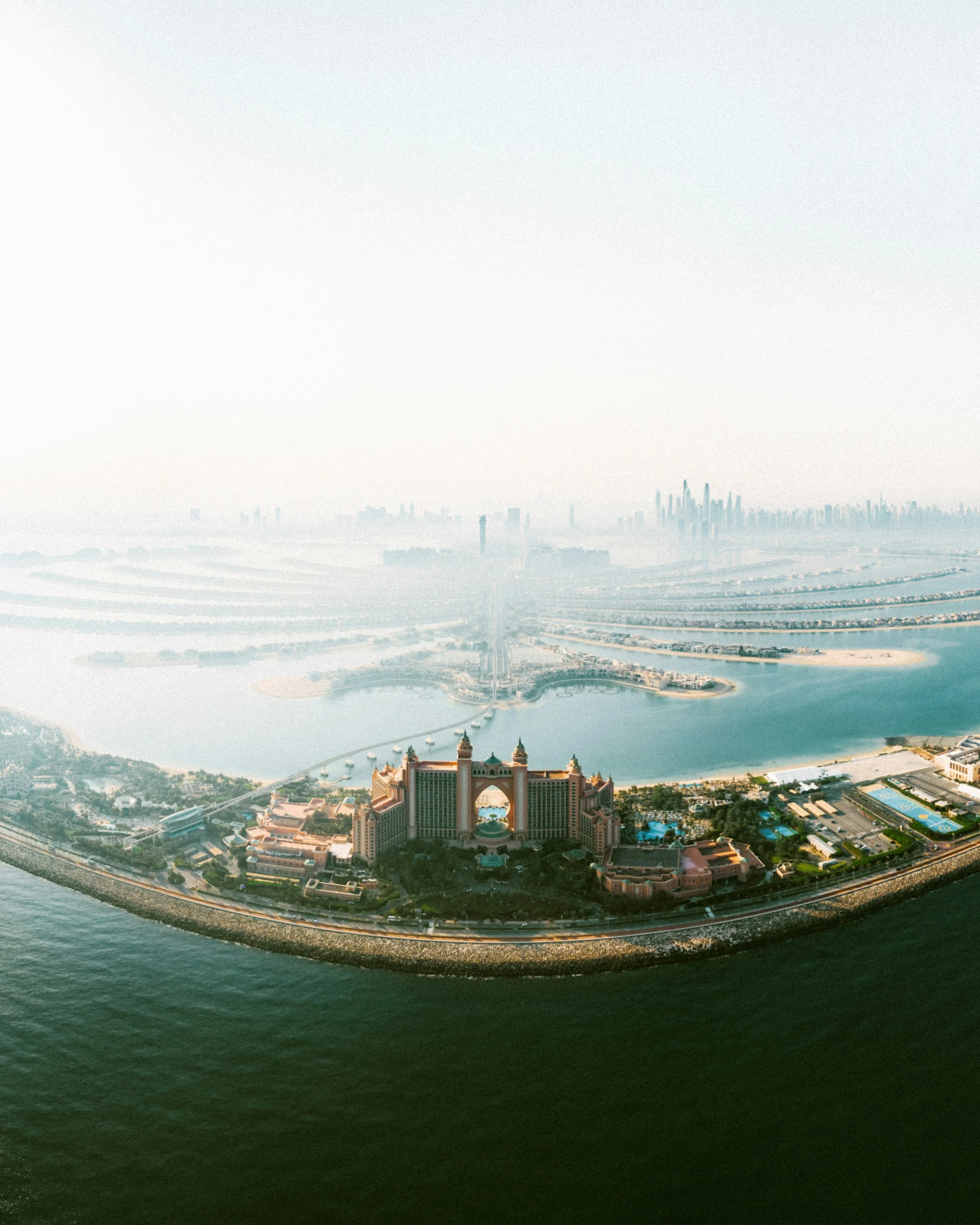
Atlantis plays a completely different role. It would be misleading to evaluate it using the same criteria as an intimate boutique hotel.
The attraction is scale, entertainment, dining, aquatic experiences, family activities, and the feeling that there is always something happening. For families travelling with children or teenagers, this can be an enormous advantage.
A parent may want a beautiful room; a teenager may care more about the waterpark; a younger child may want marine experiences; another family member may care primarily about restaurants. The best family luxury hotels understand that luxury doesn’t mean everyone wants the same thing. Atlantis can work particularly well when the hotel needs to provide enough variety for different generations without requiring the family to split up every day.
Armani Hotels appeal to a different traveller altogether. The attraction is less about traditional hotel grandeur and more about design discipline. The interiors, architecture, service and guest experience are conceived around the Armani aesthetic.
That makes the property particularly interesting for travellers who are sensitive to:
The distinction matters. A traveller who loves ornate palaces may find an Armani property interesting precisely because it offers something completely different. Luxury does not have to mean chandeliers and marble; sometimes it means restraint.

Mandarin Oriental is another brand where the service proposition is particularly important. It occupies a useful position for travellers who want highly polished city hotels and resorts but still want the property to feel connected to its destination.
The brand’s portfolio includes properties in major global cities as well as resort destinations. For city travel, this can be particularly useful. A luxury city hotel needs to solve a different problem from a resort. You may spend very little time inside it. You may need it primarily for: location + sleep + service + dining + seamless logistics. A beautiful resort can justify spending an entire day on property; a great city hotel often needs to make the rest of the city easier to experience. That distinction is easy to overlook when comparing hotels online.
One&Only is particularly interesting for travellers who want the resort to feel like a world of its own. Its properties are strongly associated with privacy, design, food, wellness and destination-led experiences.
This can work beautifully for honeymoons, anniversaries, family celebrations, and travellers who want a resort holiday where the outside world can largely disappear. But again, the individual property matters: a city resort and an isolated island resort shouldn’t be expected to provide the same experience.
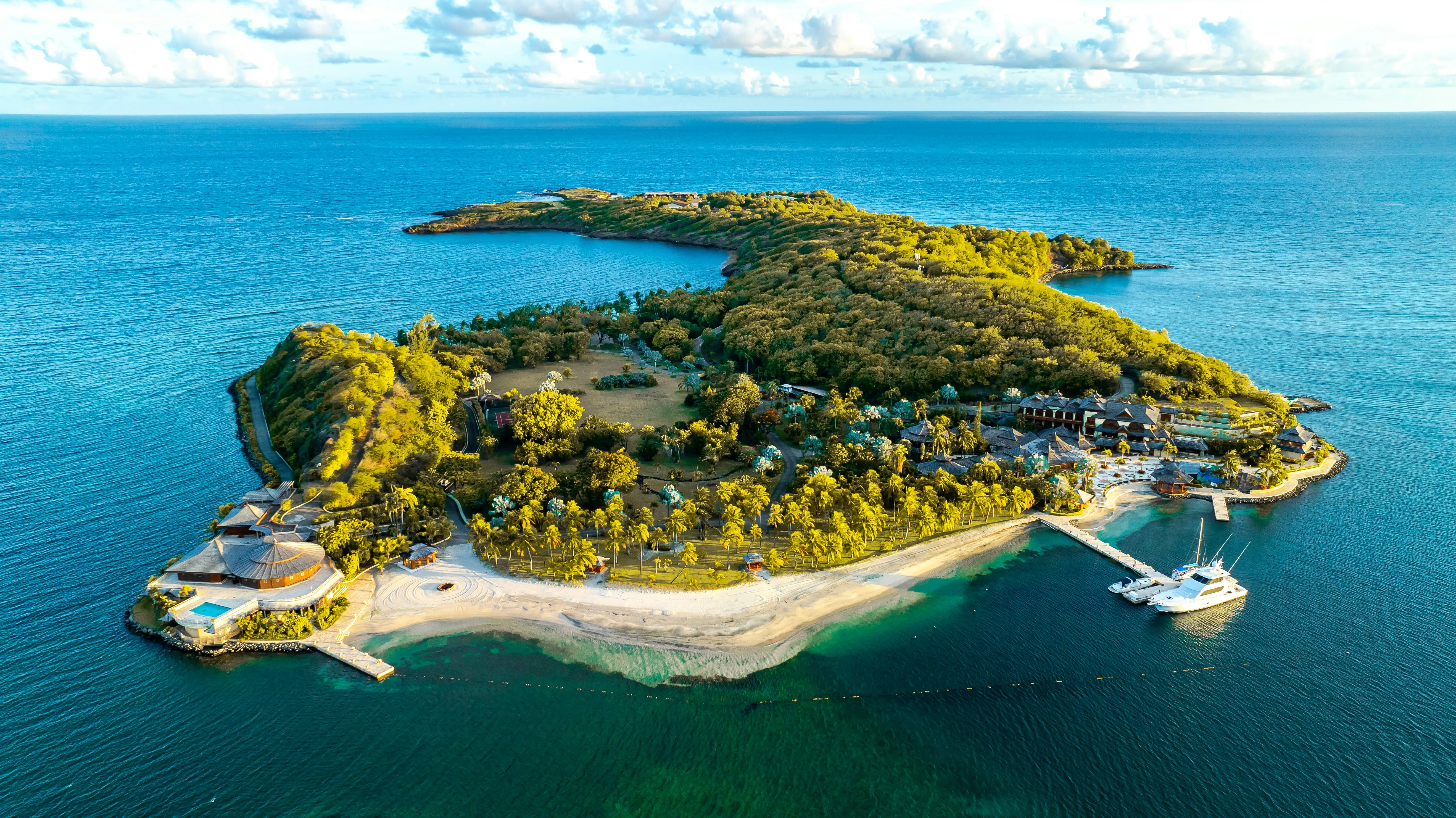
Cheval Blanc occupies a more rarefied part of the luxury landscape. The properties are deliberately small in number and strongly design-led.
For travellers who care about architecture + gastronomy + service + atmosphere, the brand can be particularly interesting. The appeal isn’t simply that the hotels are expensive; it is that each property is intended to feel highly specific to its setting. That makes Cheval Blanc more relevant for the traveller who would rather have one extraordinary property than a long list of facilities.
St. Regis has something that many modern luxury brands have gradually moved away from: ritual. The afternoon tea tradition, evening rituals and butler service give the brand a sense of ceremony.
For some travellers, this is exactly what luxury should feel like. There is something appealing about a hotel where certain moments are intentionally slowed down. For others, the formality may be less important than informality and privacy. Again, neither approach is objectively better; the hotel needs to match the traveller.
Park Hyatt tends to appeal to travellers who prefer sophistication without excessive spectacle. The properties are often particularly strong in major cities where location, architecture, food and service need to work together.
This makes Park Hyatt an interesting choice for travellers who have no desire to spend their entire holiday inside the hotel. They want a beautiful base, a good restaurant, a quiet room, excellent service, and a location that allows them to explore. That can be more valuable than an enormous resort complex.
Hotel selection becomes significantly more complicated when three generations are travelling together. The most beautiful hotel in the destination may not be the best choice. Instead, I would examine:
This is why family luxury is not simply about finding a “family-friendly hotel.” It is about finding a hotel that can accommodate different definitions of a good holiday at the same time.
For a honeymoon, I would put atmosphere considerably higher on the list. A hotel doesn’t necessarily need ten restaurants. It may need: privacy, beautiful surroundings, exceptional dining, a memorable room or villa, personalised service, and the ability to create private moments.
This is where intimate brands and individual villas can sometimes be more appropriate than enormous resorts. But there are exceptions: some couples genuinely want restaurants, nightlife, activities and a sense of energy. There is no universal honeymoon hotel.
This is perhaps the most important point. Take Dubai: a traveller staying at a business-oriented city hotel experiences one version of the city; a family at Atlantis experiences another; a couple at Burj Al Arab experiences another; a design-conscious traveller staying at Armani Hotel experiences another.
The destination hasn’t changed. The hotel has changed the lens through which the destination is experienced.
The same thing happens in London, Paris, Tokyo, Singapore, the Maldives, Rajasthan and countless other destinations. That is why hotel selection deserves considerably more attention than simply checking star ratings.
Two five-star hotels can have completely different personalities. One might be large, social and activity-focused; another small, private and quiet. One may be heritage and traditional; another contemporary and design-led. One may prioritize wellness; another gastronomy; another family entertainment. All can legitimately be described as luxury. The useful comparison is not “Which has more luxury?” It is: “Which version of luxury suits this traveller?”
After enough luxury travel, the things that stand out aren’t always the things that appear first in a hotel brochure. Experienced travellers notice:
These details rarely show up in a simple hotel ranking. They become apparent through experience.
I increasingly think luxury hotels can be divided into five broad categories:
Some hotels can occupy multiple categories. That’s when things get particularly interesting.
This is perhaps the most important conclusion: there is no objective winner. A private-island resort may be extraordinary for a honeymoon and completely wrong for a family that wants sightseeing. A historic palace may be unforgettable for one traveller and too formal for another. A giant family resort may be perfect for children and unnecessary for a couple seeking silence. A wellness retreat may transform one traveller’s holiday while another would rather spend those days exploring restaurants and museums.
Luxury is personal. The role of a good luxury travel planner is therefore not simply to know which hotels are expensive. It is to understand which properties solve which travel problems. That is the difference between booking a luxury hotel and designing a luxury stay.