
CALL US ON
+91 91523 09966
CALL US ON
+91 91523 09966
By Amisha Shetth
Ten days is enough to experience an exceptional African safari.
It is not, however, enough to see everything.
That distinction is important. A 10-day safari can become surprisingly tiring when travellers attempt to combine too many parks, multiple countries and several internal flights. The better approach is to choose a small number of exceptional wildlife areas and give each enough time to be experienced properly.
For Indian HNWIs, UHNWIs and multi-generational families, the ideal 10-day safari is therefore less about maximizing the number of destinations and more about maximizing the quality of time spent in the wilderness.
The best itinerary depends on the season, wildlife priorities, preferred level of privacy and whether the journey is intended to be a pure safari or part of a longer African holiday.
For a first luxury safari, I would generally look at three principal options:
Kenya for the classic East African experience and the Maasai Mara.
Tanzania for the Serengeti, Ngorongoro and a more expansive wildlife journey.
Botswana for travellers who value privacy, remoteness and the distinctive landscapes of the Okavango Delta.
Trying to combine all three in ten days is usually too ambitious.
The right choice depends on what you want the trip to accomplish.
Kenya can be particularly compelling when the Maasai Mara is the primary objective. Tanzania works well when the journey is centred on the Serengeti and Ngorongoro ecosystem. Botswana is especially attractive when exclusivity and a remote wilderness experience matter more than ticking off famous destinations.
A common mistake is to interpret ten days as an opportunity to visit as many places as possible.
It is tempting to create an itinerary such as:
Nairobi → Amboseli → Maasai Mara → Serengeti → Ngorongoro → Zanzibar.
It looks impressive on paper.
The problem is that every move consumes time.
Safari travel often involves light-aircraft transfers, road transfers, airstrip schedules, check-ins and luggage restrictions. Moving between camps can therefore take considerably more of the day than a traveller might expect.
For a luxury journey, I would rather see a traveller spend three or four nights in an outstanding wildlife area than repeatedly change camps to collect destinations.
Time is one of the most valuable luxuries on safari.
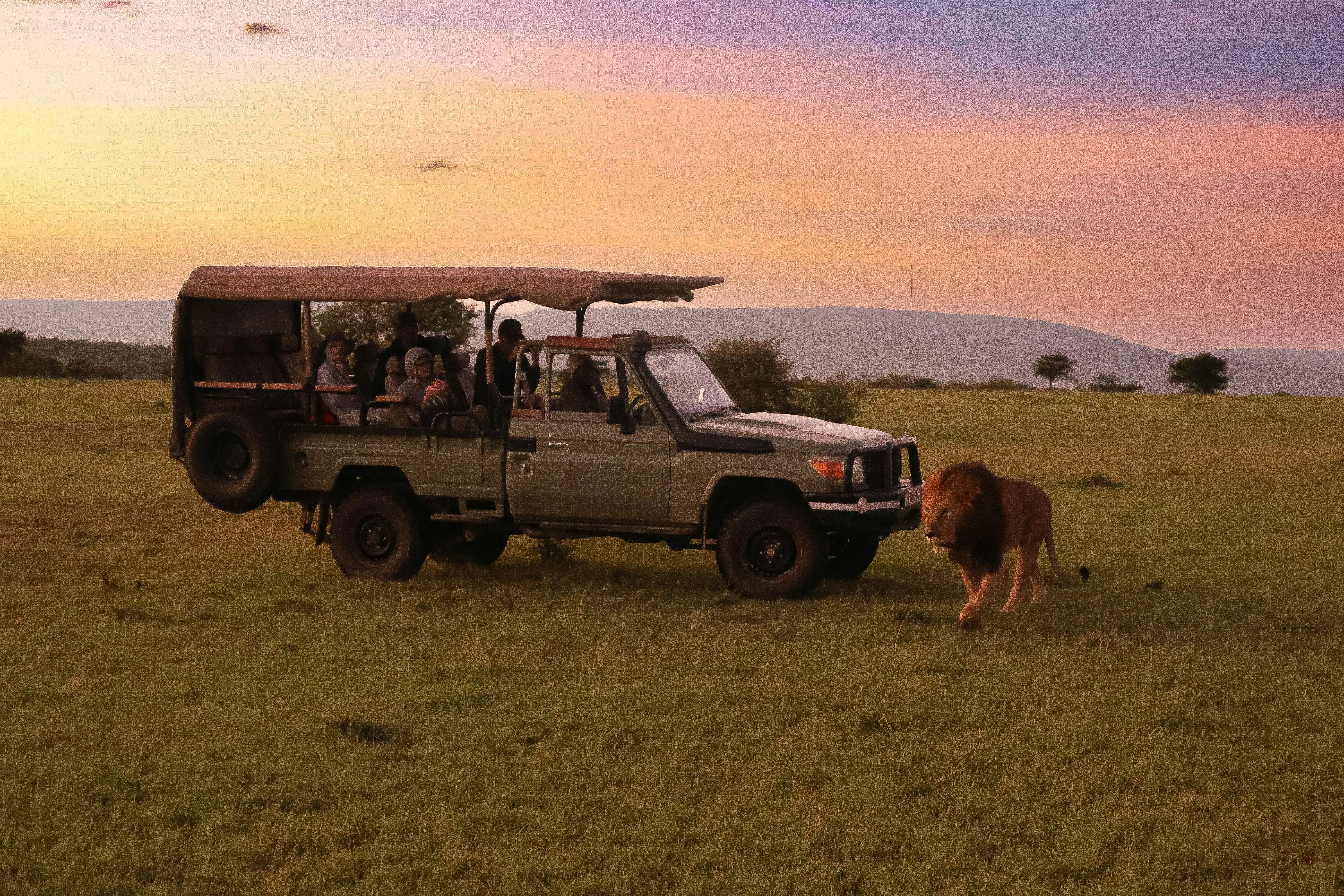
Kenya is one of the easiest destinations to structure around a 10-day safari because it can combine different landscapes without requiring an excessive number of bases.
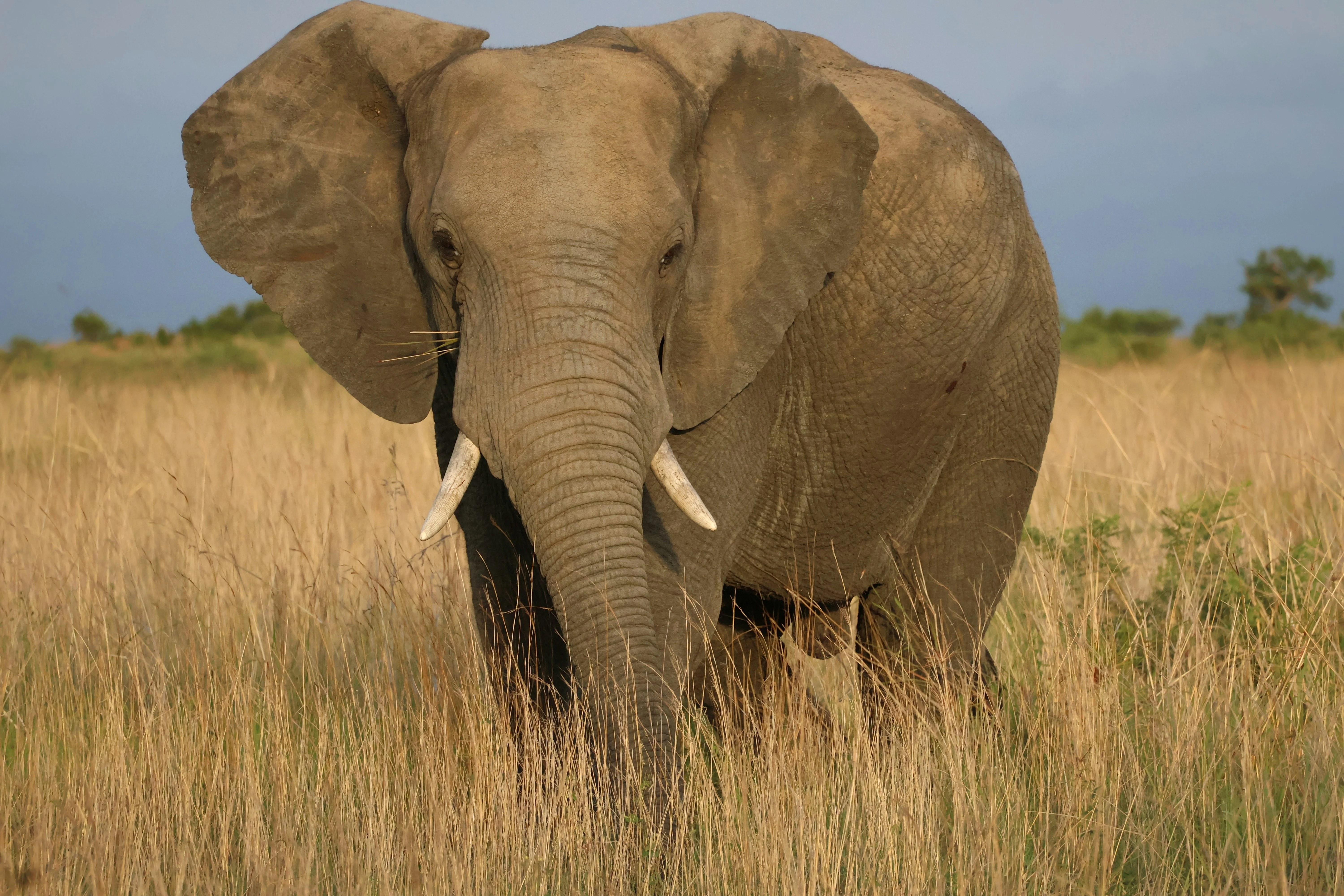
Kenya's official tourism portal identifies the Maasai Mara as one of the country's defining safari destinations and highlights the Great Migration and Big Five. Amboseli offers a very different landscape, with elephants and views toward Mount Kilimanjaro.
A thoughtfully paced itinerary could look like:
Arrive in Nairobi and use the first day to recover from the international journey rather than immediately starting a long road transfer.
A well-selected hotel and a private experience can make the beginning of the journey feel like part of the holiday rather than simply an overnight stop.
Spend three nights in the Maasai Mara or an appropriate private conservancy.
The advantage of staying several nights is flexibility. Instead of rushing from one sighting to another, you can spend time understanding animal behaviour, follow a particular pride or leopard when conditions allow, and tailor the pace around the group.
The second location should depend heavily on the season.
Amboseli can make sense for travellers interested in elephants and dramatic landscapes.
Alternatively, a carefully chosen private conservancy can provide a different style of safari while keeping the journey focused.
The final part of the itinerary should not be overloaded.
Depending on flight schedules, the journey can conclude in Nairobi or transition into a longer African holiday.
Tanzania is particularly attractive for travellers who want to make the safari itself the central experience.
A possible structure is:
Arusha → Ngorongoro → Serengeti
Rather than trying to cover the entire northern circuit, the itinerary can focus on the places that matter most to the traveller.
Arrive and rest before heading into the safari areas.
Spend time around the Ngorongoro Conservation Area, allowing the journey to progress naturally toward the Serengeti.
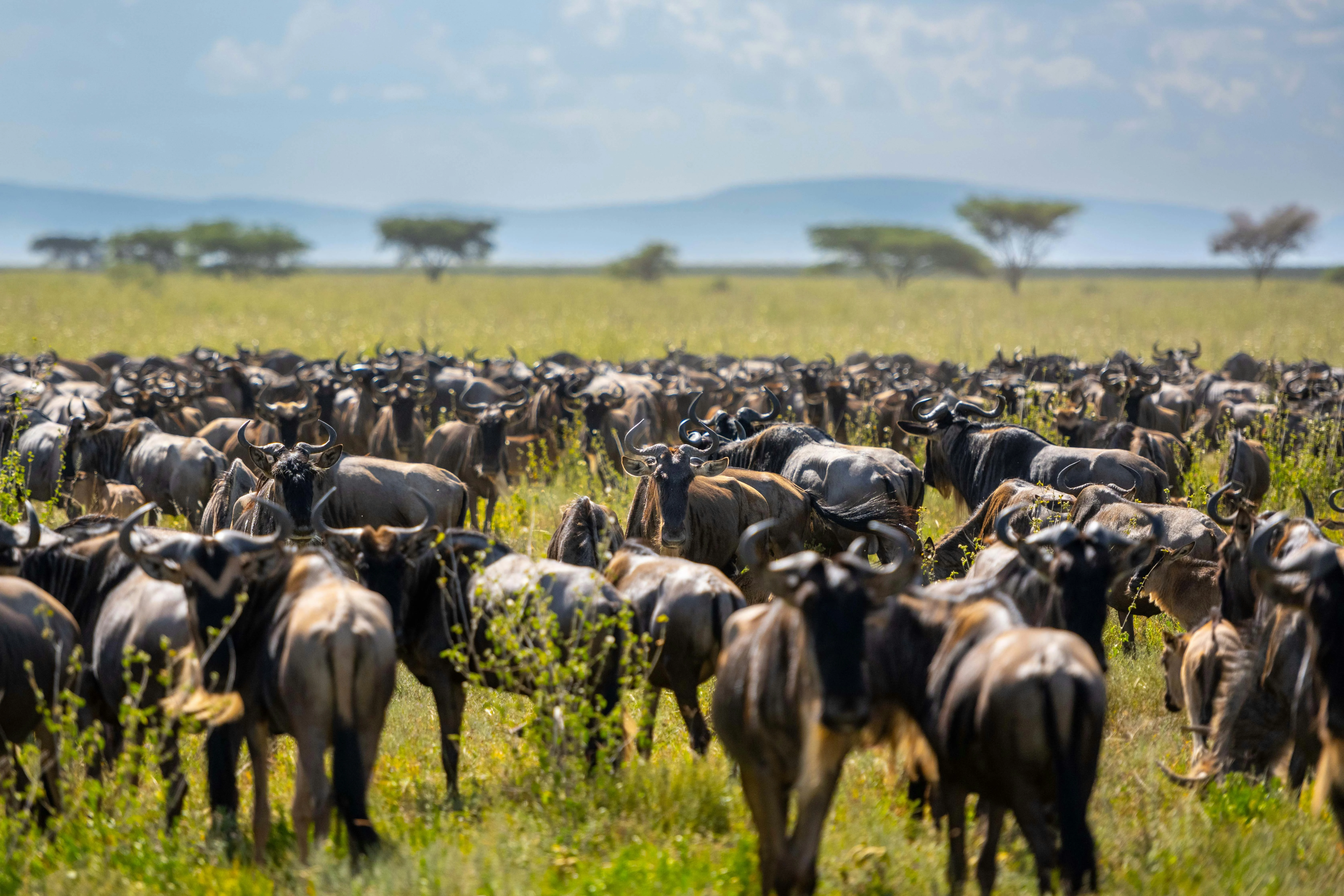
The Serengeti deserves several nights.
The right area within the Serengeti should depend on the month of travel and the wildlife objective. The Great Migration is dynamic rather than a fixed event occurring in exactly the same place every year.
Depending on the flight schedule, the final nights can either remain in the Serengeti or transition back toward Arusha for departure.
For travellers flying from India, I would pay particular attention to international flight connections before finalizing the internal itinerary.
It can be exceptional.
It can also be unnecessarily complicated.
The two countries share the broader Serengeti-Mara ecosystem, and a combination can make sense when the traveller has a specific reason for experiencing both sides.
But a border crossing, transfer or flight should add genuine value.
There is little benefit in spending valuable safari time moving between countries merely so that the itinerary can claim to include two nations.
For ten days, I would generally favour depth over geographic breadth.
If both Kenya and Tanzania are important to the traveller, the itinerary should be built around a clear wildlife or seasonal rationale rather than simply adding another country.
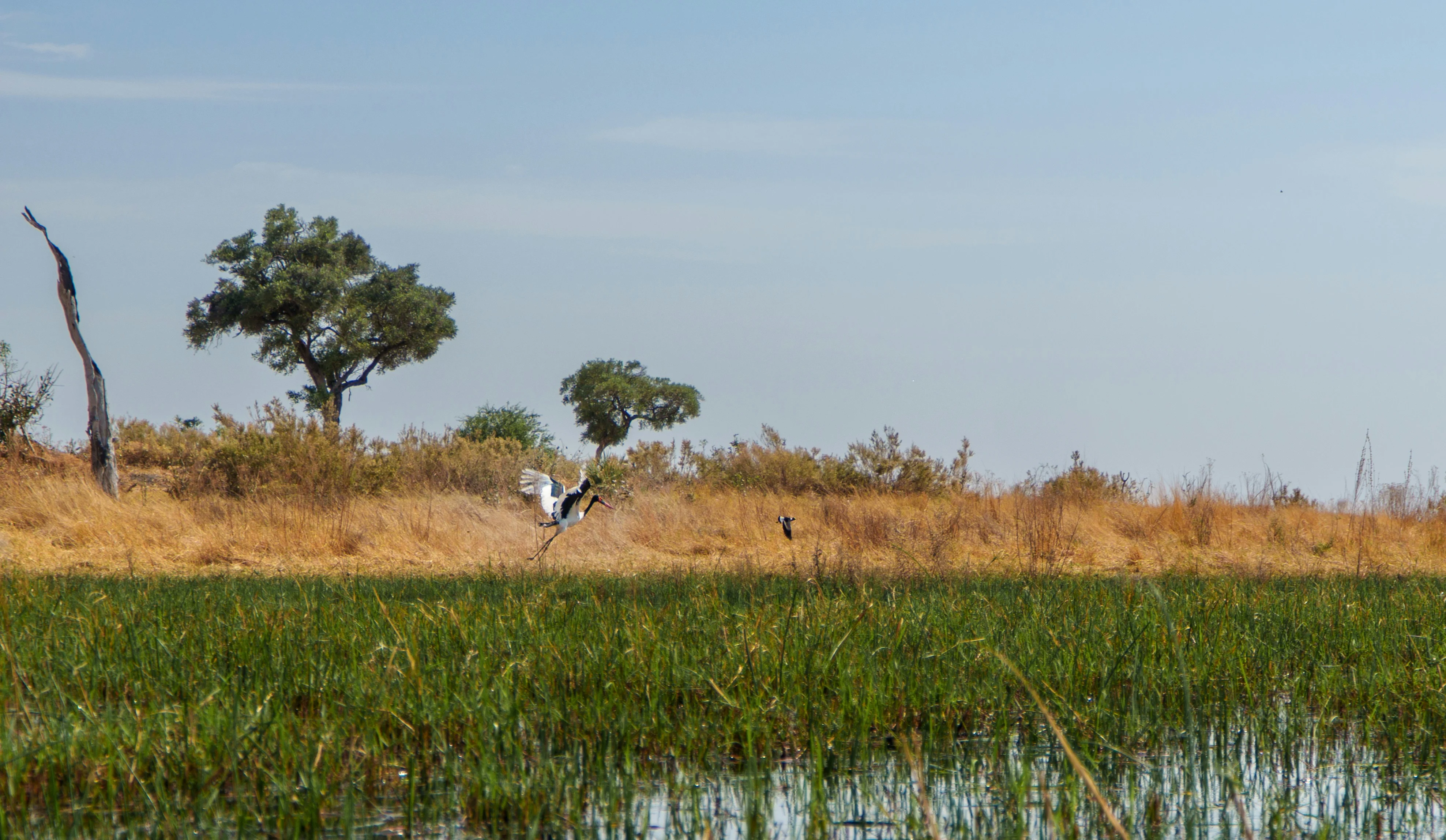
Botswana is a different proposition.
The Okavango Delta is an inland wetland ecosystem with waterways, lagoons, seasonal floodplains and dryland areas. Safari activities can include game drives as well as water-based experiences such as mokoro excursions and boating, depending on the camp and conditions.
That makes Botswana particularly interesting for travellers who have already experienced traditional savannah safaris or who value a quieter, more remote style of luxury.
A 10-day Botswana journey could focus on:
Okavango Delta → Moremi / private concession → Chobe or another carefully selected wilderness area
The exact combination should depend on season and the style of experience desired.
Botswana's official tourism information notes that the country's dry and green seasons offer different experiences, with the dry period concentrating wildlife around available water while the green season brings lush landscapes and strong birding opportunities.
The obvious answer is the Big Five:
But I would not make the Big Five the only objective.
A luxury safari becomes much more interesting when travellers begin paying attention to animal behaviour and the ecosystem around it.
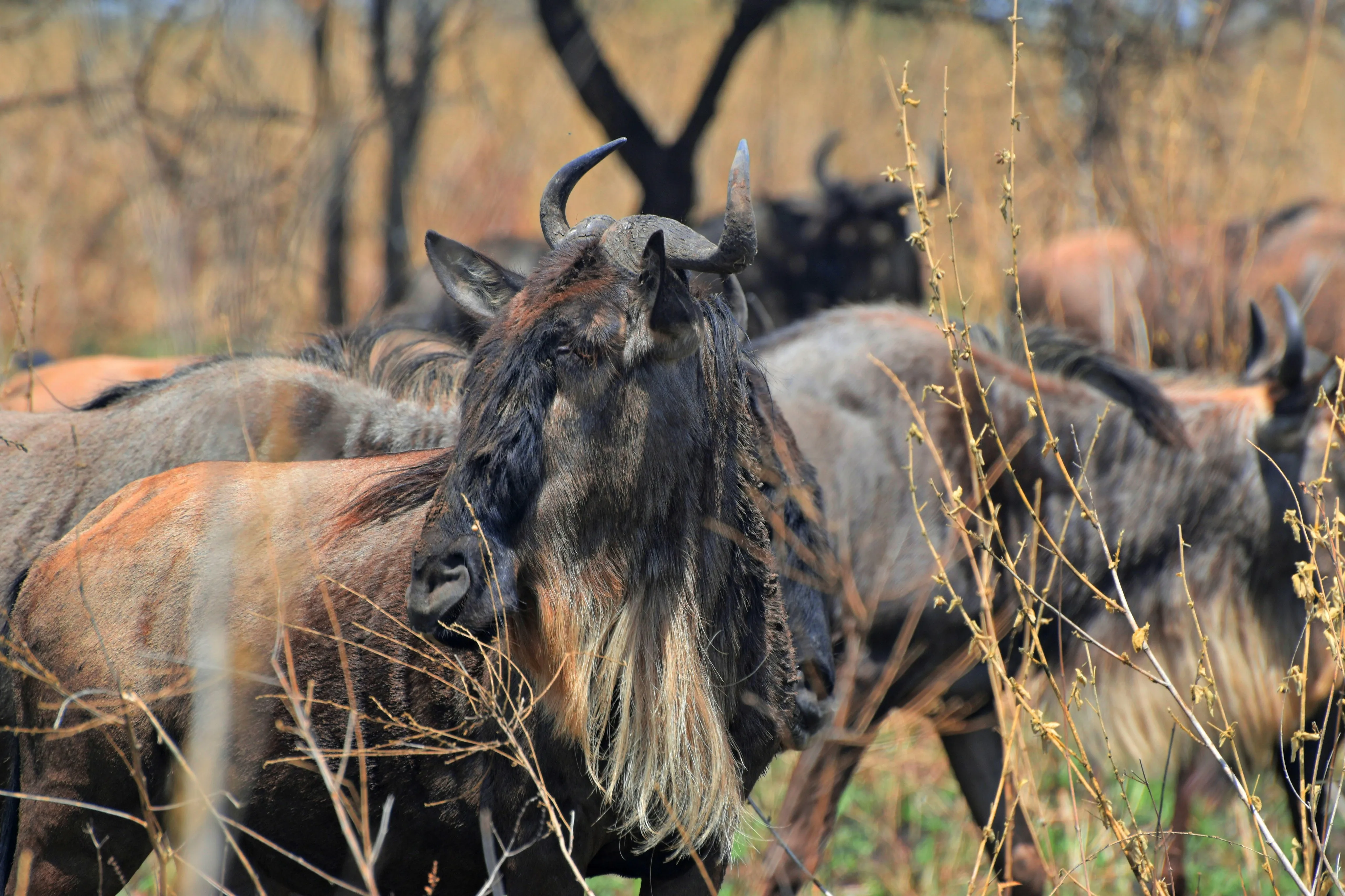
Depending on the destination, you might encounter cheetahs, wild dogs, giraffes, hippos, crocodiles, zebra, wildebeest, antelope and hundreds of bird species.
In Botswana, for example, the Okavango supports a particularly diverse mix of mammals and birdlife, while the presence of water creates experiences that are very different from those on a conventional grassland safari. The question should therefore be:
What do you want to understand and experience, rather than simply what do you want to photograph?
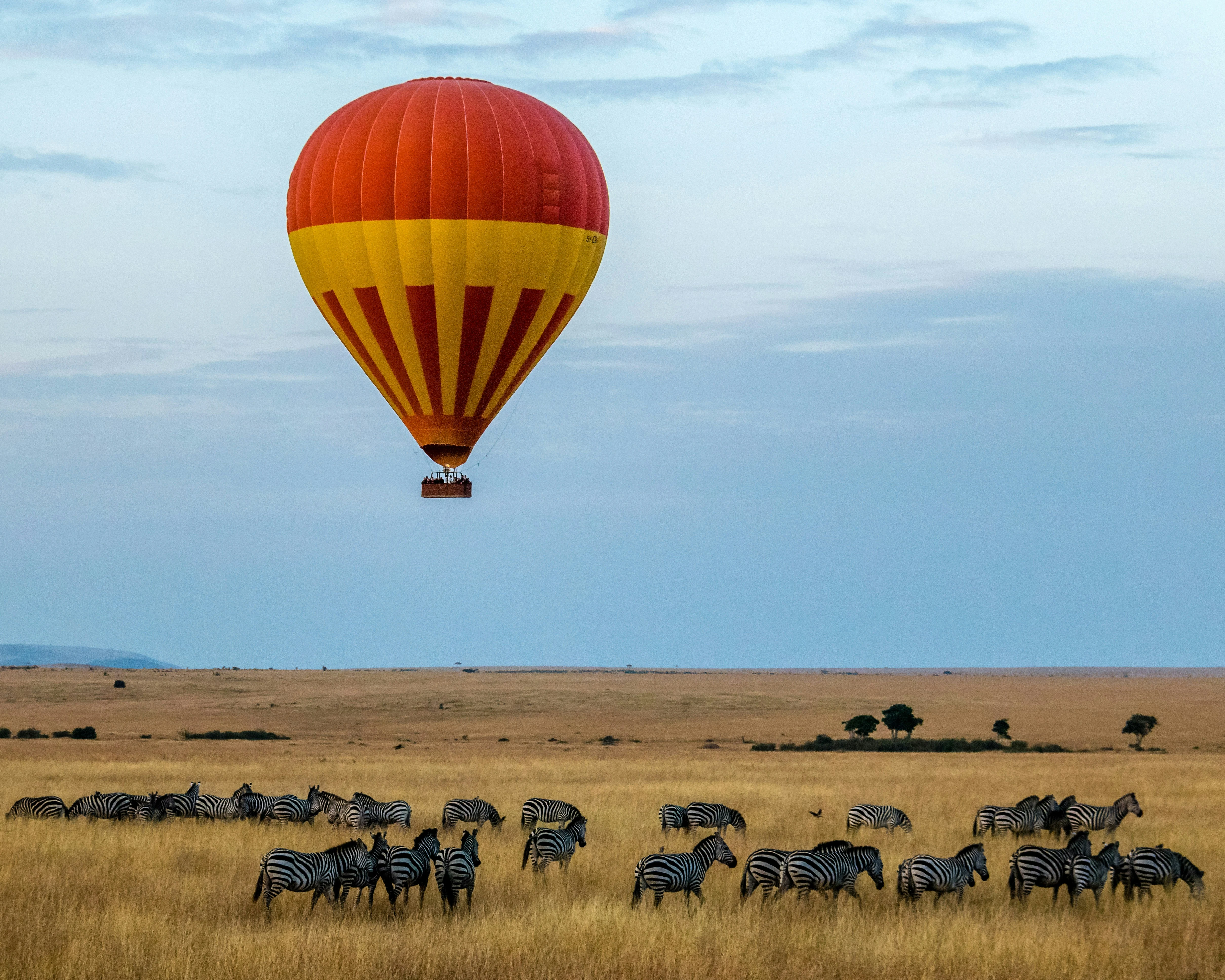
The ideal dates depend on the destination.
For Kenya and Tanzania, travellers often plan around the Great Migration, but the migration is a moving ecological process rather than a single event that can be guaranteed on a particular day.
If the priority is the migration, the itinerary should be designed around the expected location of the herds rather than simply selecting a famous lodge.
Botswana has a different seasonal rhythm.
The country's official tourism authority describes a green rainy season and a dry winter season, with wildlife concentrating around remaining water sources during the dry period. For luxury travellers, another factor matters:
crowd levels.
The most famous season is not automatically the best season for someone who values privacy.
The word "luxury" is often associated with the accommodation.
But on safari, the most valuable luxuries can be invisible.
A private vehicle gives the group control over the pace of the day.
You can stay longer at a sighting, leave when you want and structure the day around your own interests.
A great guide can transform the experience.
They understand tracks, animal behaviour, weather patterns, terrain and the subtle clues that most visitors miss.
For a repeat safari traveller, guide quality can matter more than the difference between two luxury lodges.
A spectacular tent in the wrong location can produce a less satisfying safari than a smaller property positioned in an excellent wildlife area.
Ask about:
Privacy is a significant part of luxury.
A small camp and private vehicle can change the feeling of the entire journey.
It depends on the traveller.
For a 10-day safari alone, I would not automatically add a beach extension.
But if the ten days are only the safari portion of a longer African holiday, Zanzibar, the Kenyan coast or another Indian Ocean destination can provide an excellent change of pace.
This can be particularly useful for families.
After several days of early mornings and game drives, a few days of slower coastal travel can make the overall journey feel more balanced.
A safari designed for a couple should not necessarily be replicated for a family spanning three generations.
Older travellers may prefer shorter drives.
Children may need a different rhythm.
Some family members may want photography while others would rather return to camp for lunch.
This is where private vehicles and carefully selected camps become especially valuable.
I also recommend avoiding an itinerary where every day begins with a long transfer.
A good family safari should have breathing room.
Luxury is not simply having the most expensive tent.
For a family, luxury can mean everyone having enough space, the right level of privacy, manageable transfers and the freedom to change the pace of the day.
Trying to visit three countries
Ten days rarely justifies it.
Changing camps every night
It creates movement without necessarily creating more experiences.
Choosing the lodge before the safari area
The wildlife environment should influence the accommodation decision.
Booking purely around the Great Migration
The migration is extraordinary, but it is not the only reason to visit East Africa.
Ignoring internal flights
Safari aircraft can have strict baggage limitations and schedules. These details should be considered before packing and itinerary design.
Treating every safari day identically
Wildlife is unpredictable. A flexible itinerary allows the guide to respond to what is actually happening.
Nairobi → Maasai Mara → second wildlife area → Nairobi
Best for:
First-time safari travellers who want an iconic East African experience without excessive movement.
Arusha → Ngorongoro → Serengeti → Arusha
Best for:
Travellers who want to devote most of the journey to Tanzania's major wildlife landscapes.
Okavango Delta → private wilderness concession → second Botswana ecosystem
Best for:
Travellers who prioritize privacy, remoteness and a more immersive wilderness experience.
None of these is universally "the best."
The right one depends on when you travel, what you want to see and how you want to feel while travelling.
This is the question that is often overlooked.
Do you want:
The classic African safari?
Look closely at Kenya or Tanzania.
The Great Migration?
Build the itinerary around the seasonal movement rather than a fixed destination.
Privacy and remoteness?
Botswana deserves serious consideration.
A family-friendly first safari?
Prioritize easy logistics, private vehicles and a manageable pace.
A wildlife-heavy journey?
Spend more nights in fewer ecosystems.
A safari followed by relaxation?
Consider adding an Indian Ocean extension.
There is no single definition of luxury safari travel.
A perfect 10-day African safari is not the one with the longest itinerary.
It is the one where every night has a purpose.
For one traveller, that might mean three nights in the Maasai Mara followed by another wildlife area in Kenya.
For another, it could mean a deep dive into the Serengeti and Ngorongoro.
For someone who values privacy and water-based wilderness experiences, Botswana may be the better answer.
The essential principle is simple:
Choose the ecosystem first, the season second, the camp third and only then build the rest of the itinerary around it.
For Indian HNWIs, UHNWIs and multi-generational families travelling a long distance for an African safari, the greatest luxury may ultimately be the ability to slow down, stay longer in the right places and allow the wilderness to dictate the rhythm of the journey.