
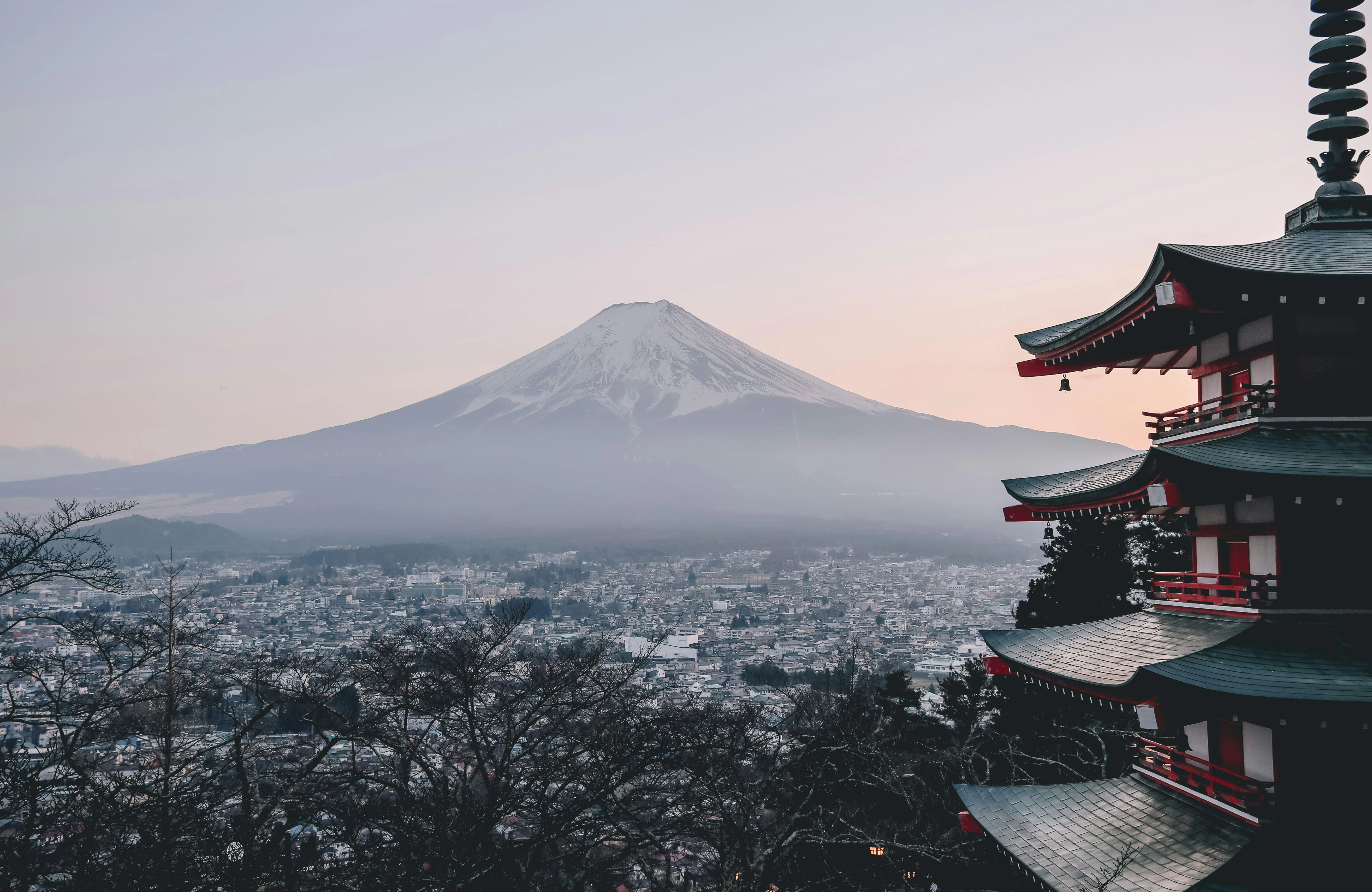
Japan has reached an interesting point in luxury travel. For first-time visitors, Tokyo, Kyoto and Mount Fuji remain essential. But for travellers returning to Japan or those who want a more considered luxury journey, the question in 2026 is no longer simply where to go. It is how deeply to experience Japan.
Luxury in Japan is rarely about excess. It is more often found in craftsmanship, privacy, precision, seasonality and access: a ryokan where every detail reflects its region, a private dining experience built around seasonal ingredients, an onsen surrounded by mountains, a guide who can explain the history behind a seemingly ordinary neighbourhood, or access to a cultural tradition that most visitors only see from the outside.
Japan’s tourism authority describes this interpretation of luxury through ideas such as artisanship, distinctive regional experiences and taking time to discover less-explored parts of the country. For Indian travellers planning a high-end holiday, this perspective completely changes how an itinerary should be built.
This guide explains how to approach luxury travel in Japan in 2026, combining iconic destinations with regions beyond Tokyo and Kyoto.
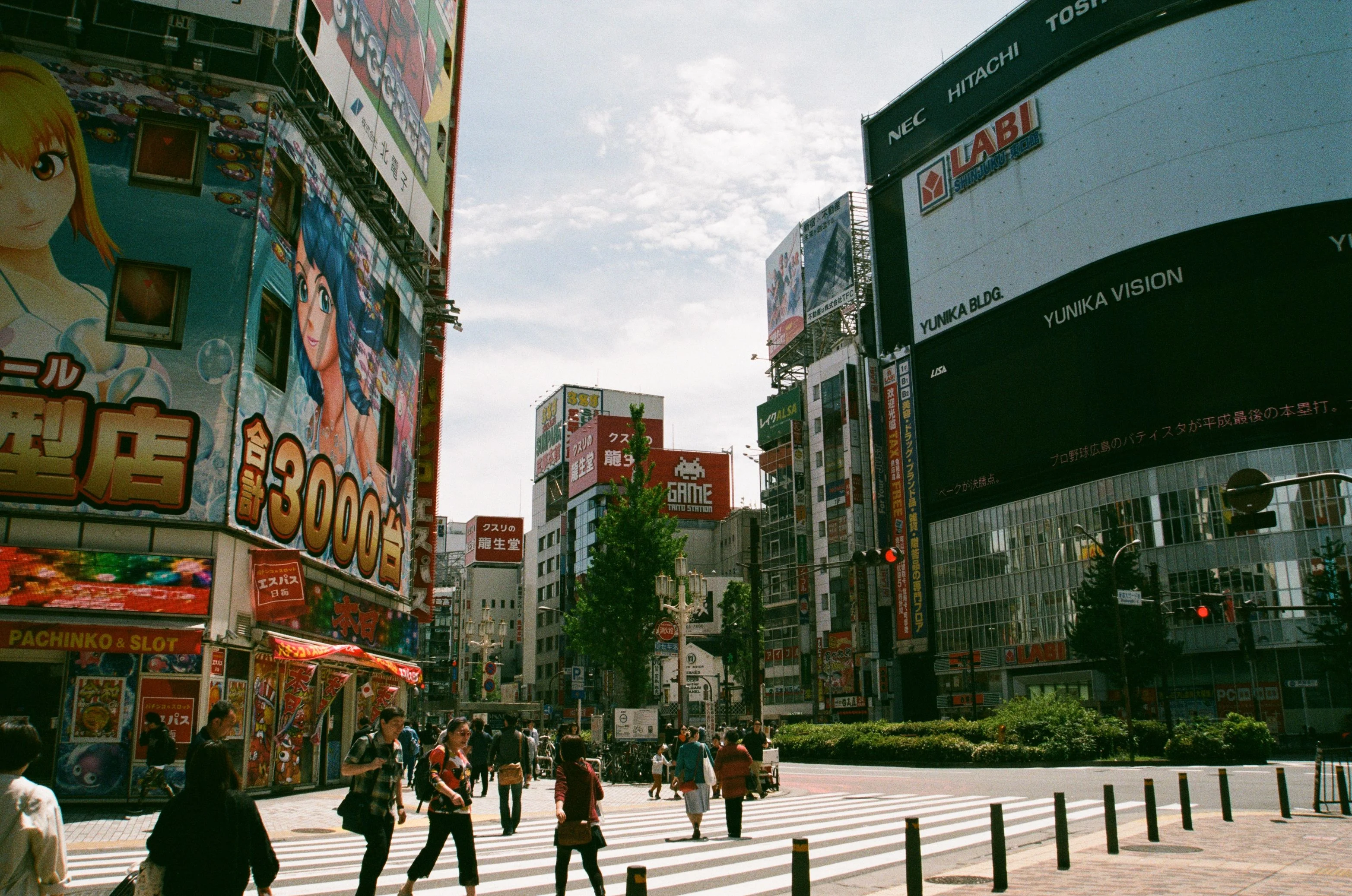
1. Tokyo: Design the City Around Your Interests
Tokyo can overwhelm even experienced travellers if approached simply as a list of famous districts. The luxury of Tokyo is not visiting every neighbourhood; it is curating the city to match your specific passions.
- For Art and Architecture: Private architecture walking tours in Omotesando and Ginza, after-hours gallery access in Roppongi, and visits to private museum collections.
- For Gastronomy: Securing difficult omakase counter seats, private kaiseki dining in historic tea houses, and bespoke culinary market explorations with chef-guides.
- For Fashion and Craftsmanship: Private appointments with master craftsmen, bespoke denim and tailoring studios, and curated contemporary boutiques.
2. Kyoto: Beyond the Famous Temples
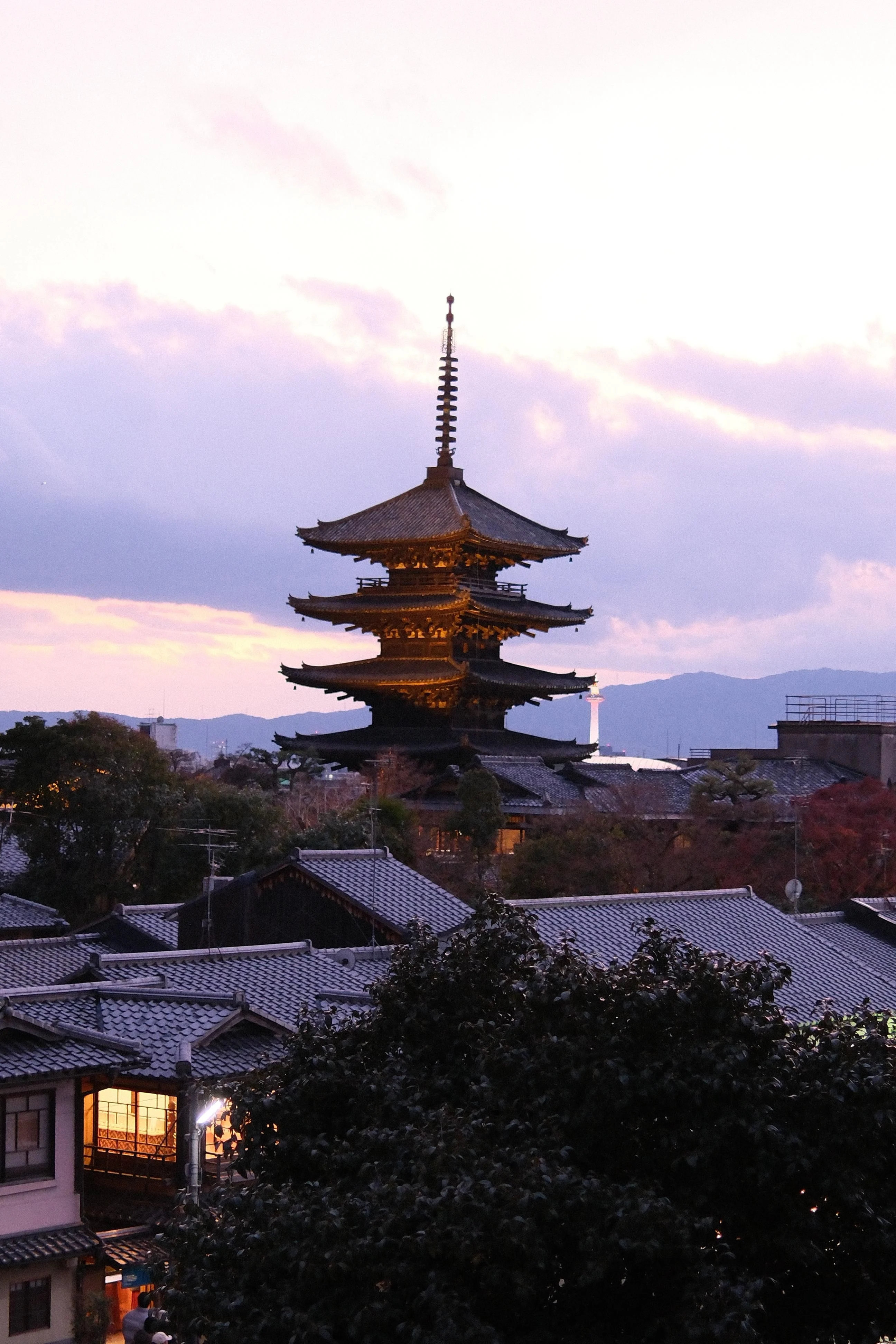
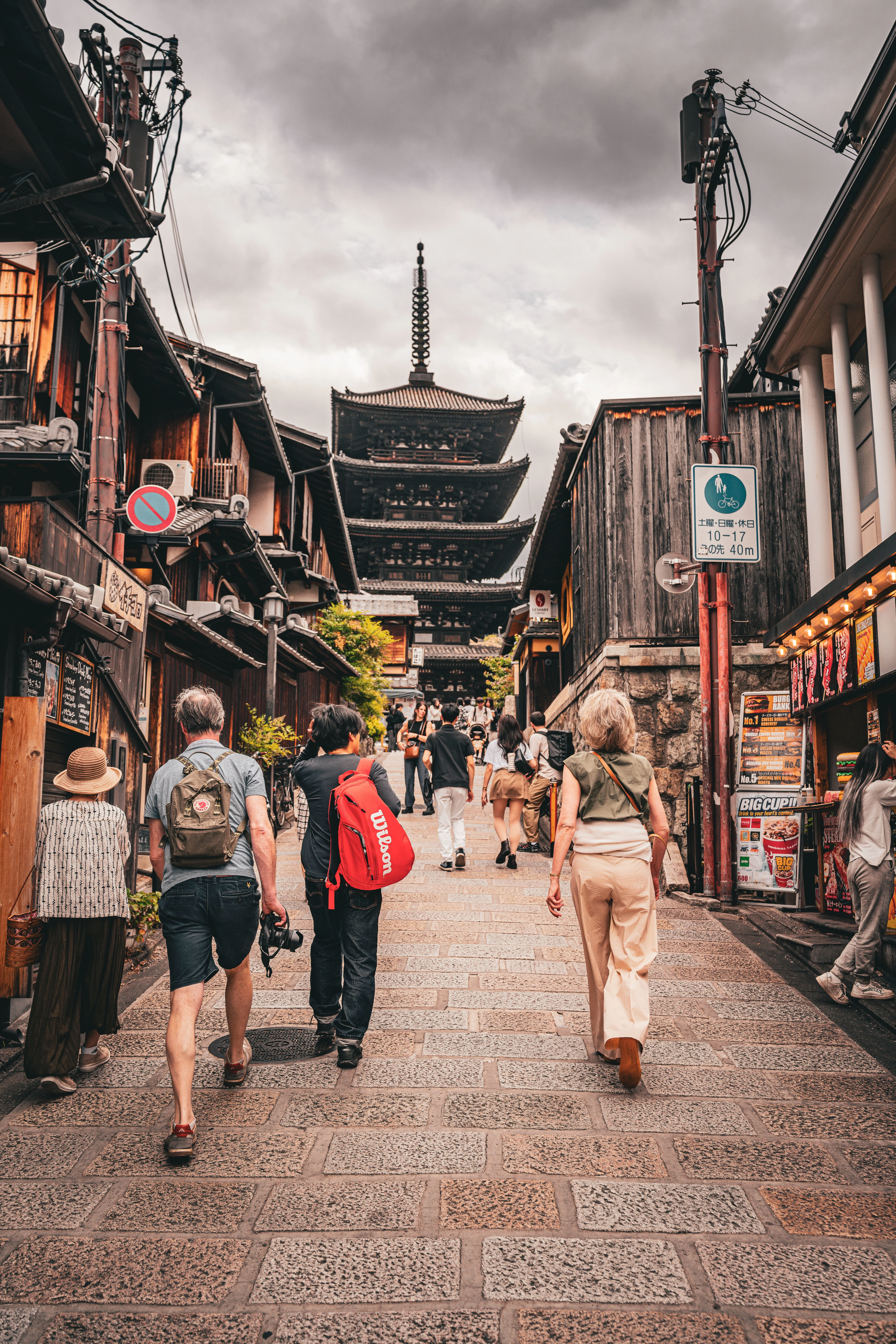
Kyoto remains the cultural heart of Japan, but during peak seasons, major temples can be crowded. The difference between an ordinary visit and a luxury Kyoto experience is private access and exquisite timing.
- Early-morning private temple visits before public opening hours
- Private tea ceremonies inside historic sub-temples with Zen masters
- Exclusive evening geiko and maiko dinners in historic Gion teahouses
- Private moss garden viewings and meditation sessions in Arashiyama and northern Kyoto
3. Hakone: The Art of Slowing Down
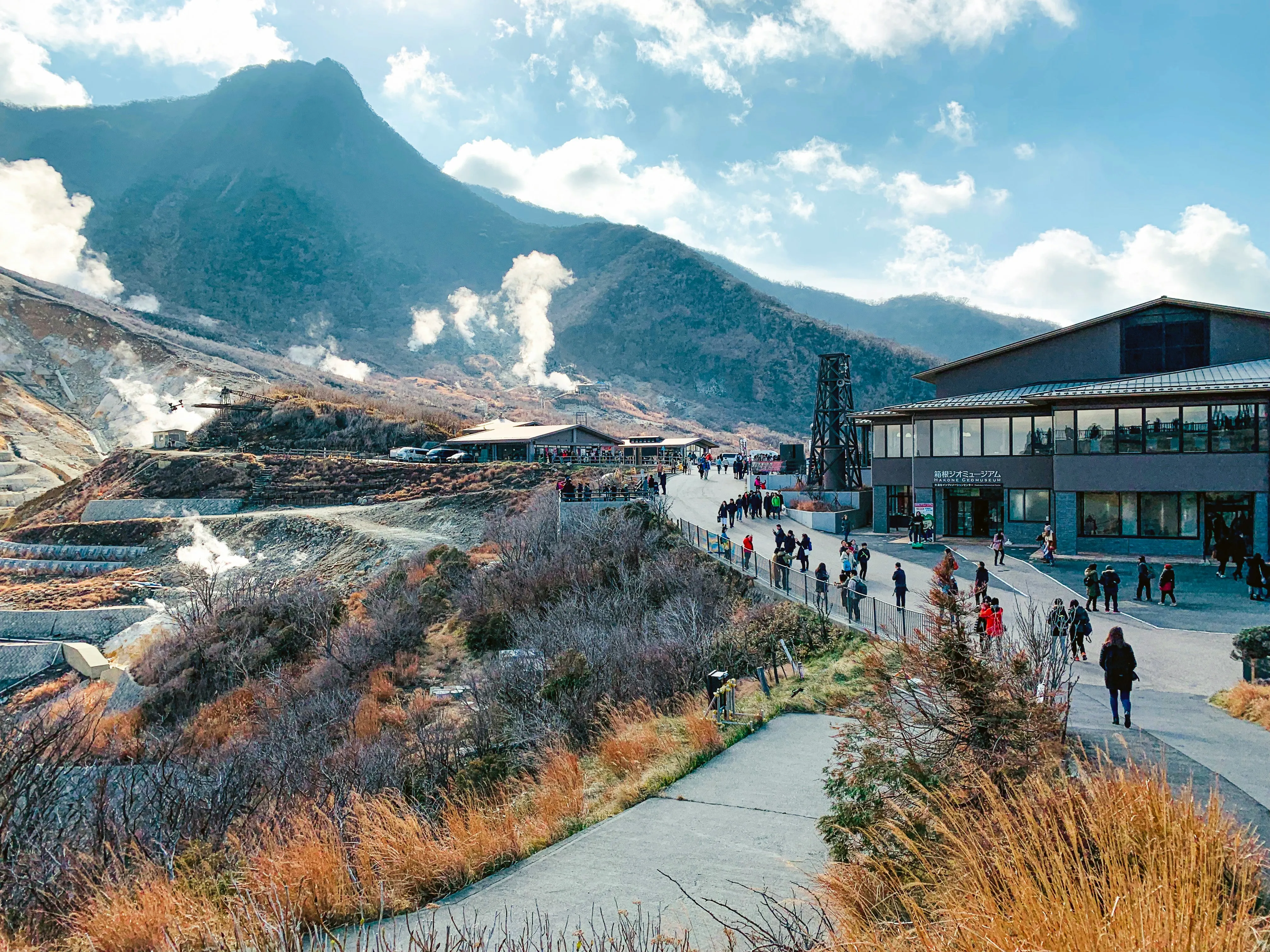
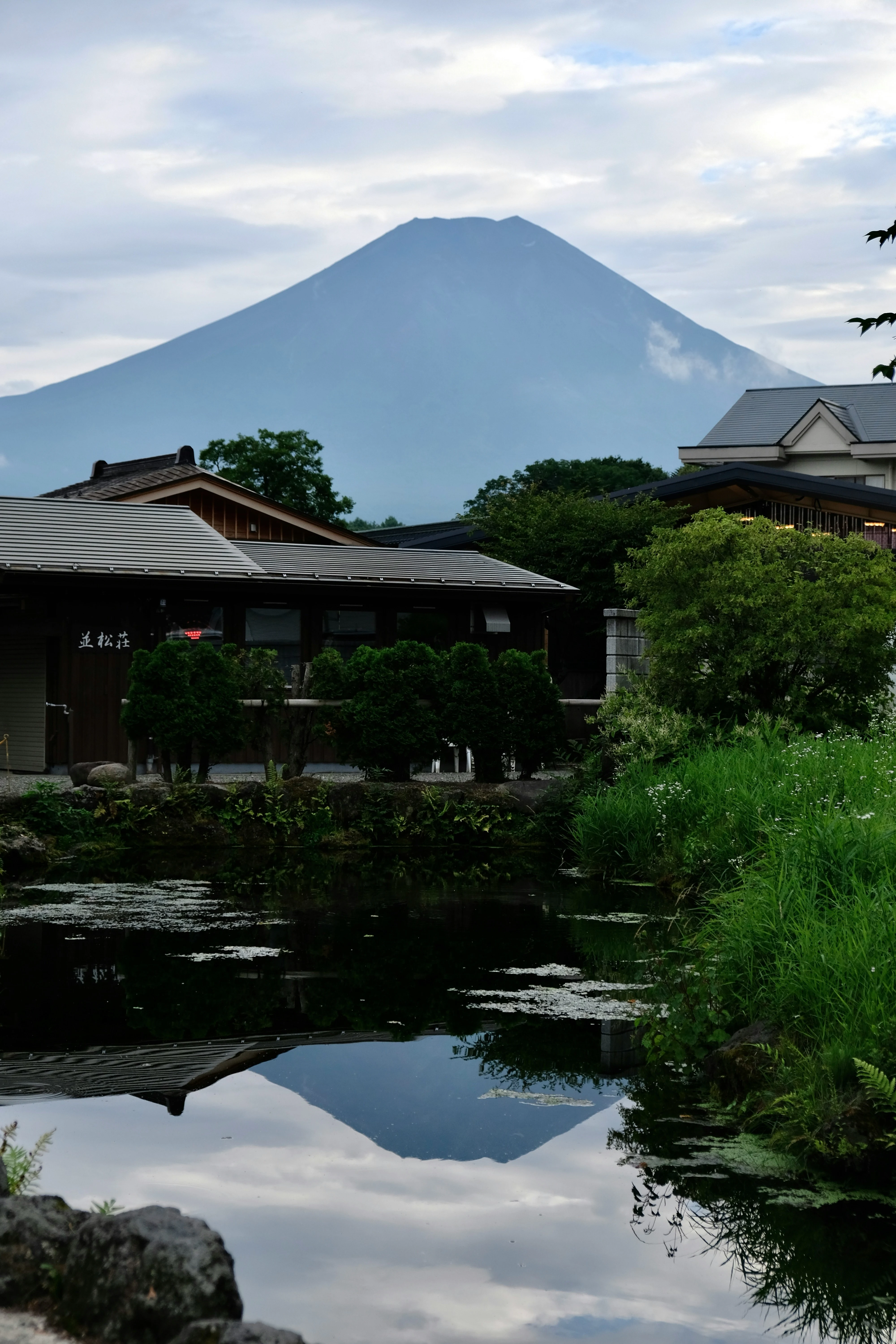
Hakone is often treated simply as a quick stop between Tokyo and Kyoto. In a luxury itinerary, Hakone deserves to be experienced as a restorative retreat where Mount Fuji views, mineral-rich hot springs (onsen), and extraordinary ryokan hospitality take center stage.
- Staying at premier luxury ryokans with private open-air onsen baths in every suite
- Private open-air contemporary sculpture tours at the Hakone Open-Air Museum
- Scenic private boat charters across Lake Ashi with views of Mount Fuji
4. The Japanese Alps: Beyond the Golden Route
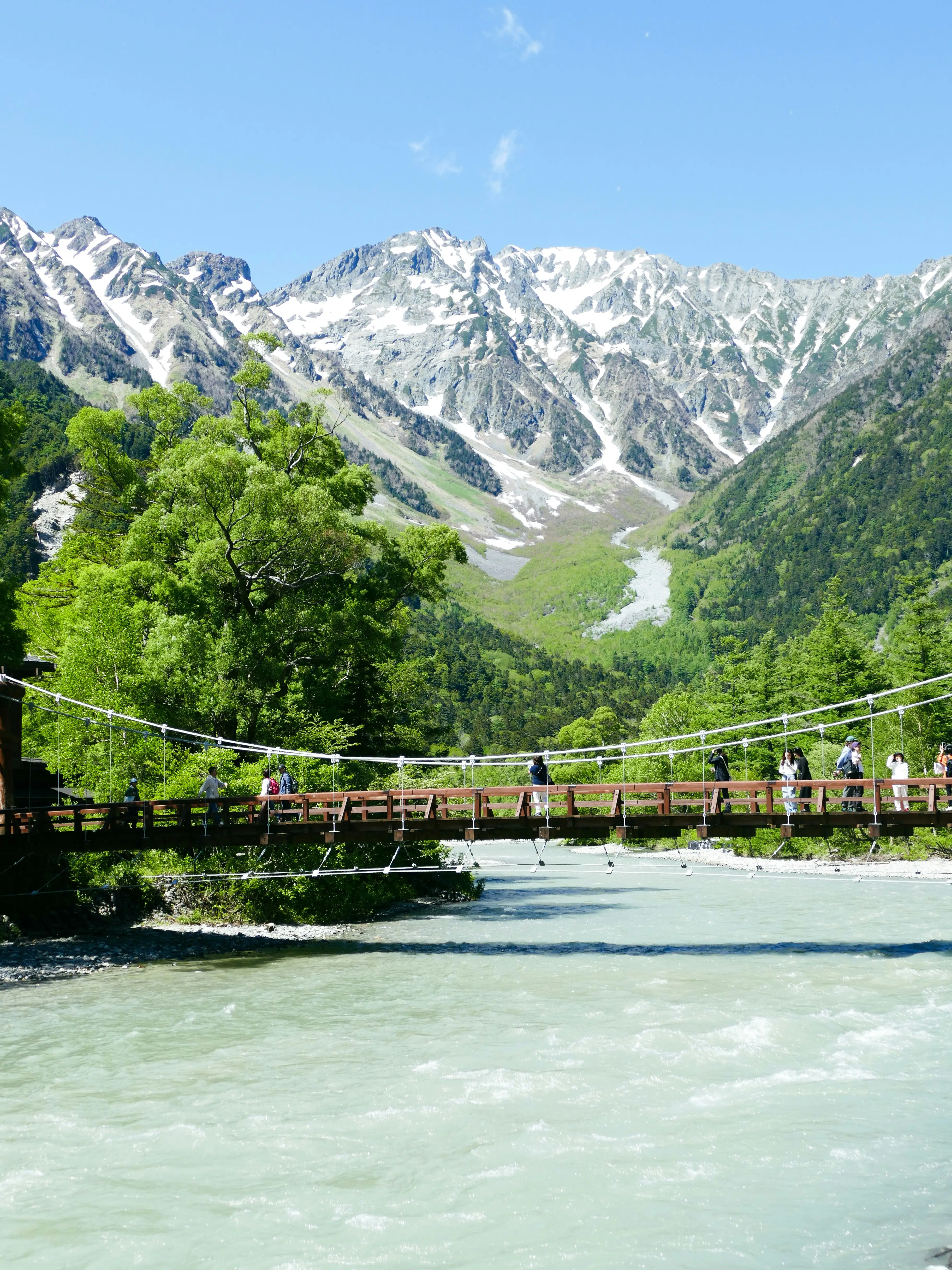
Moving into the Japanese Alps provides a striking contrast to the coastal metropolises. Historic post towns, preserved wooden streets in Takayama, dramatic mountain peaks, and alpine rivers offer an authentic immersion into rural Japanese life.
- Walking the historic Edo-period Nakasendo trail between preserved post towns like Magome and Tsumago
- Private sake brewery visits and Hida beef culinary tastings in Takayama
- Alpine wellness lodges surrounded by snow-capped peaks in Kamikochi
5. Kanazawa: Craftsmanship and Coastal Gastronomy
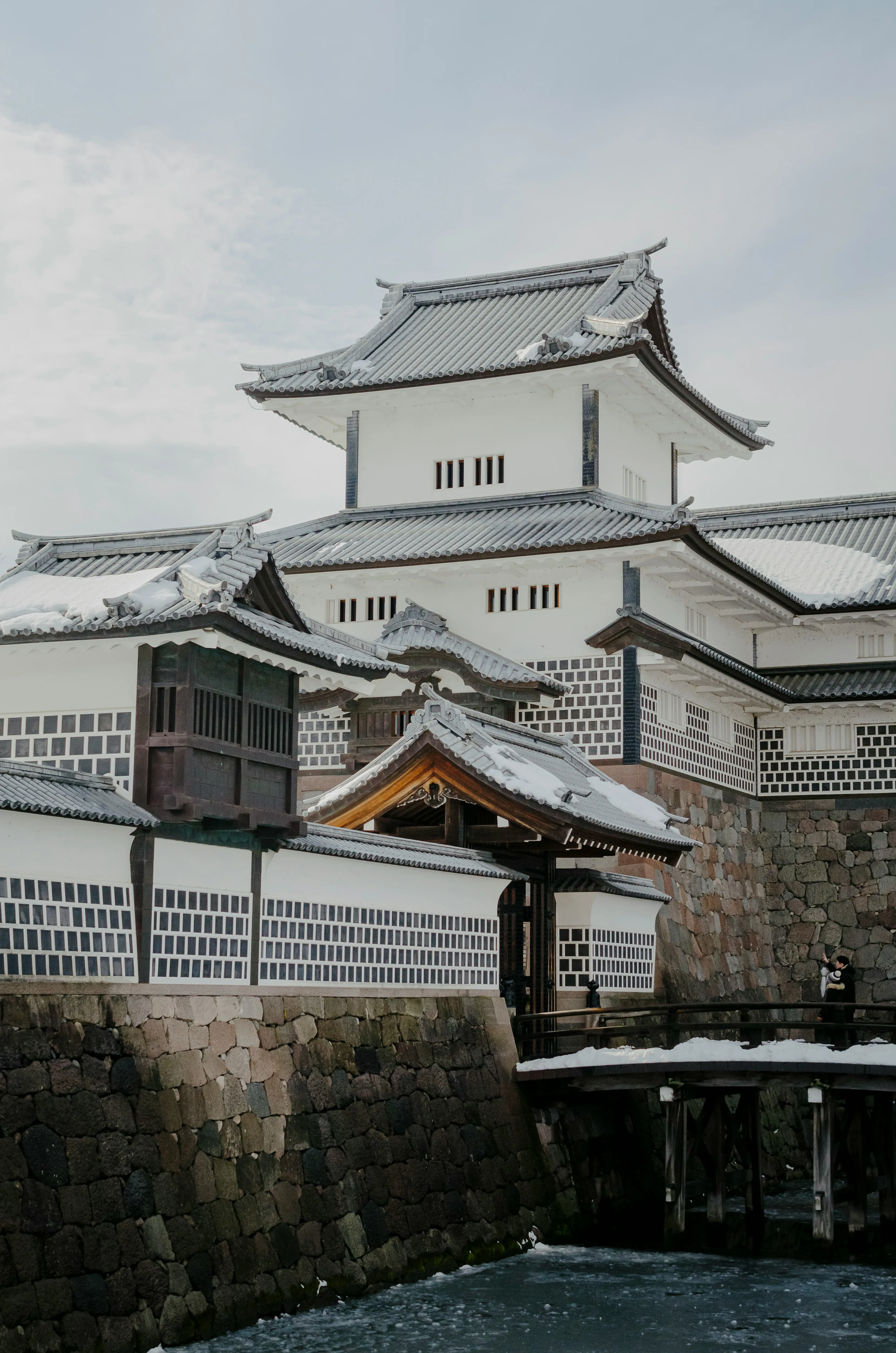
Known as the city of gold leaf and samurai heritage, Kanazawa is easily reached by the Hokuriku Shinkansen and offers one of Japan's most refined cultural atmospheres without the crowds of Kyoto.
- Strolling Kenroku-en, widely considered one of Japan’s top three landscape gardens
- Private visits to centuries-old gold leaf and Kutani porcelain workshops
- Exceptional Sea of Japan seafood and local Kaga kaiseki cuisine in the Higashi Chaya district
6. Nara: Historic Grandeur and Heritage Hospitality
Nara, Japan’s ancient first permanent capital, is transitioning from a simple day trip destination to an essential overnight luxury retreat, bolstered by historic estate restorations and landmark hotel openings.
- Exploring ancient UNESCO World Heritage temples like Todai-ji and Kasuga Taisha in the tranquil early morning
- The landmark transformation of the historic 1908 Nara Prison complex into a luxury heritage hotel (Hoshinoya Nara)
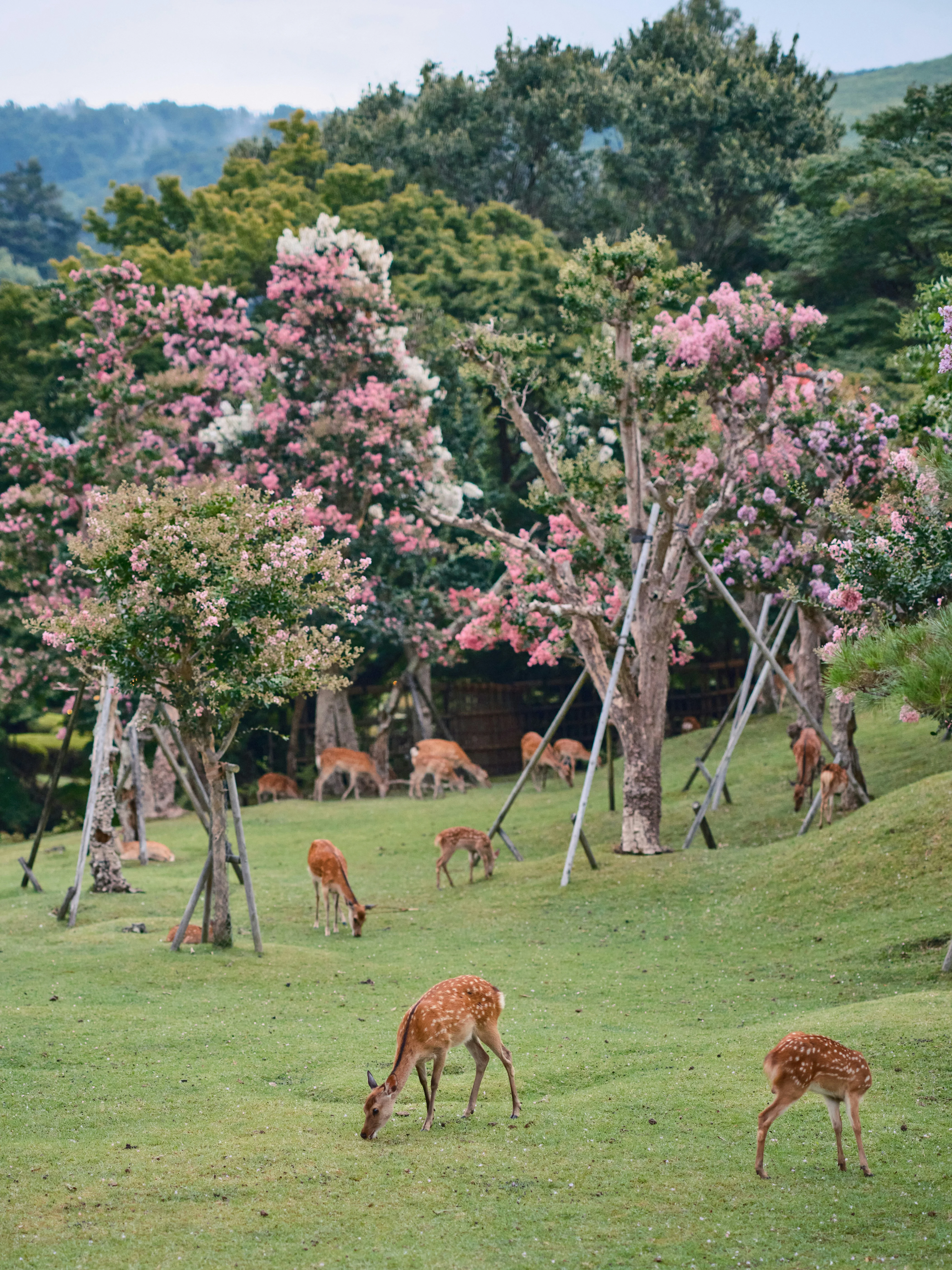
- Private walks through ancient cedar groves and tranquil deer parks
7. Kusatsu and Japan's Onsen Culture
Hot spring culture is central to Japanese wellness philosophy. Renowned onsen towns like Kusatsu, Kinosaki, and Kurokawa offer geothermal waters famous for therapeutic minerals, paired with multi-course seasonal kaiseki dinners served in your private tatami suite.
8. Osaka: High-Energy Culinary Capital
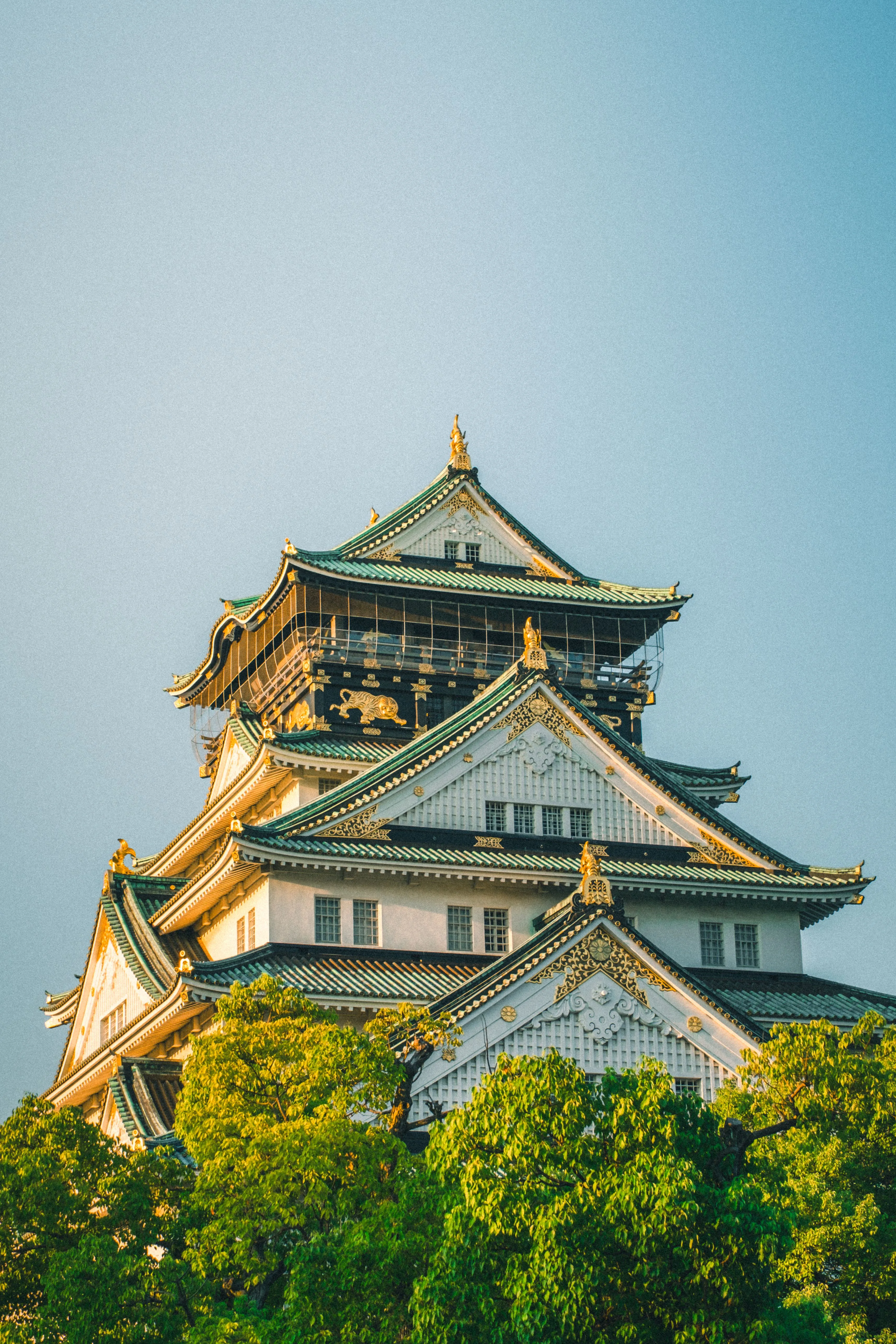
Osaka brings high-spirited warmth and unmatched gastronomic energy. Beyond being the gateway to the Kansai region, Osaka offers Michelin-starred innovation, dynamic canal districts, and world-class luxury hotel towers with sweeping skyline views.
9. Japan's Evolving Luxury Hotel Landscape
In 2026, luxury accommodation in Japan spans iconic international brands (Aman, Bulgari, Four Seasons, Janu), boutique Japanese designer hotels, and hyper-exclusive traditional ryokans. Combining contemporary urban suites in Tokyo with intimate traditional ryokans in Hakone or Kyoto creates the ideal aesthetic balance.
10. How Indian Families and Couples Should Plan
For Indian travellers, designing a Japan journey requires mindful pacing and tailored hospitality:
- Family Travel: Balancing bullet train logistics, engaging hands-on cultural workshops (ninja, samurai, anime, origami), spacious connecting suites, and flexible dining options.
- Couples & Honeymoons: Prioritizing intimate ryokans with private en-suite onsen, scenic mountain helicopter rides, and discreet kaiseki dining.
- Dietary Guidance: Japan's culinary landscape can be seamlessly navigated with curated vegetarian, vegan, and Indian-friendly dining arrangements planned well in advance.
11. The 2026 Curated Japan Itinerary Framework
Days 1–4: Tokyo — Private art & architecture tours, Ginza culinary masterclasses, Omotesando design districts.
Days 5–6: Hakone / Mount Fuji — Bullet train to Hakone, private open-air onsen ryokan stay, Lake Ashi private boat charter.
Days 7–10: Kyoto & Nara — Shinkansen to Kyoto, early-morning private temple viewings, Gion geiko evening, day excursion to Nara's heritage temples.
Days 11–12: Kanazawa or Japanese Alps — Artisan gold leaf workshops, Kenroku-en garden, or historic Takayama post towns.
Days 13–14: Osaka — Michelin dining, Dotonbori private evening food walk, departure from Kansai International Airport.