
CALL US ON
+91 91523 09966
CALL US ON
+91 91523 09966
By Amisha Shetth
Europe can be experienced in a hundred different ways. You can move quickly between famous capitals, spend two weeks exploring one country, or build an itinerary around food, art, fashion, wine, private experiences and exceptional hotels.
For Indian travellers seeking a luxury European holiday, however, the challenge is rarely finding places to visit. The harder part is deciding which places deserve your time, how to connect them, and what experiences are worth building a journey around.
A truly bespoke Europe trip should feel less like completing a checklist of countries and more like a journey designed around the people travelling.
Luxury travel is often reduced to five-star hotels and business-class flights. Those certainly contribute to comfort, but they are only one part of the experience.
A bespoke European journey considers the traveller’s interests, pace, preferred level of privacy, dining preferences, family structure and reason for travelling.
For example, a couple interested in fashion, contemporary art and gastronomy may have little reason to follow the same itinerary as a multi-generational family interested in history, scenery and relaxed experiences.
The difference is in the details.
Instead of simply visiting Florence, a tailored itinerary might revolve around a private art experience, a Tuscan vineyard lunch or time with a local artisan. Instead of merely visiting Switzerland, the journey could be structured around scenic rail travel, alpine stays and carefully chosen experiences in the mountains.
Italy itself highlights this broader definition of luxury, with official tourism material emphasizing experiences around food, wine, fashion, design, nature and distinctive accommodation rather than luxury hotels alone.
One of the biggest mistakes in planning a luxury Europe trip is trying to fit too much into the itinerary.
Europe’s geography makes it tempting to combine Paris, Switzerland, Italy, Austria, Greece and several other destinations in one trip. On paper, the itinerary looks impressive. In practice, frequent hotel changes, airport transfers and travel days can consume a surprising amount of the holiday.
For a luxury trip, fewer destinations with more depth often create a better experience.
A 10-day journey might work beautifully around two or three regions. A two-week holiday can support a more ambitious combination, while three weeks or more allows greater flexibility.
The right question isn’t: “How many countries can we cover?”
It is: “How much time do we want to spend experiencing each place?”
There is no universally correct European itinerary. The best combination depends on the purpose of the trip.
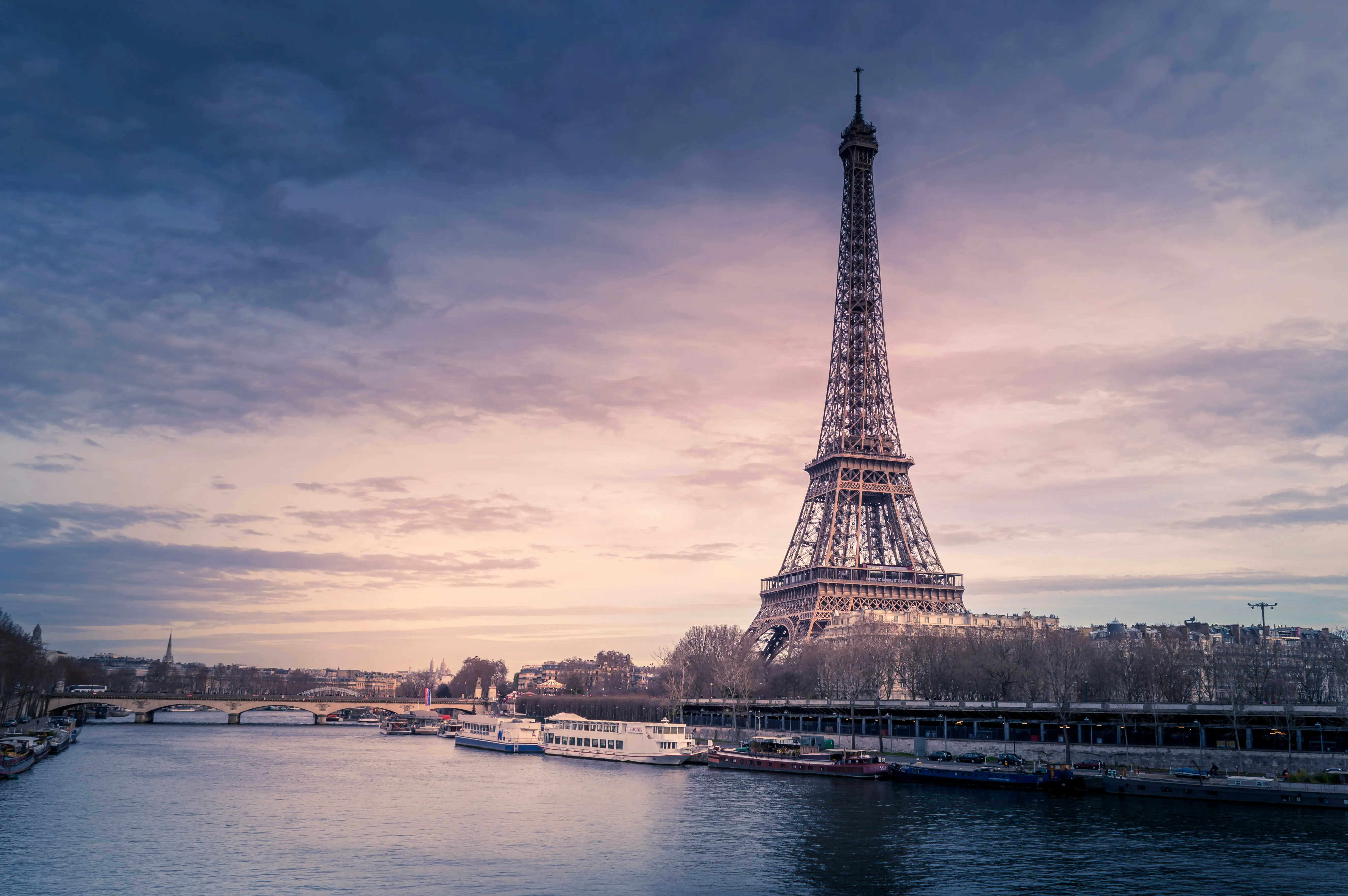
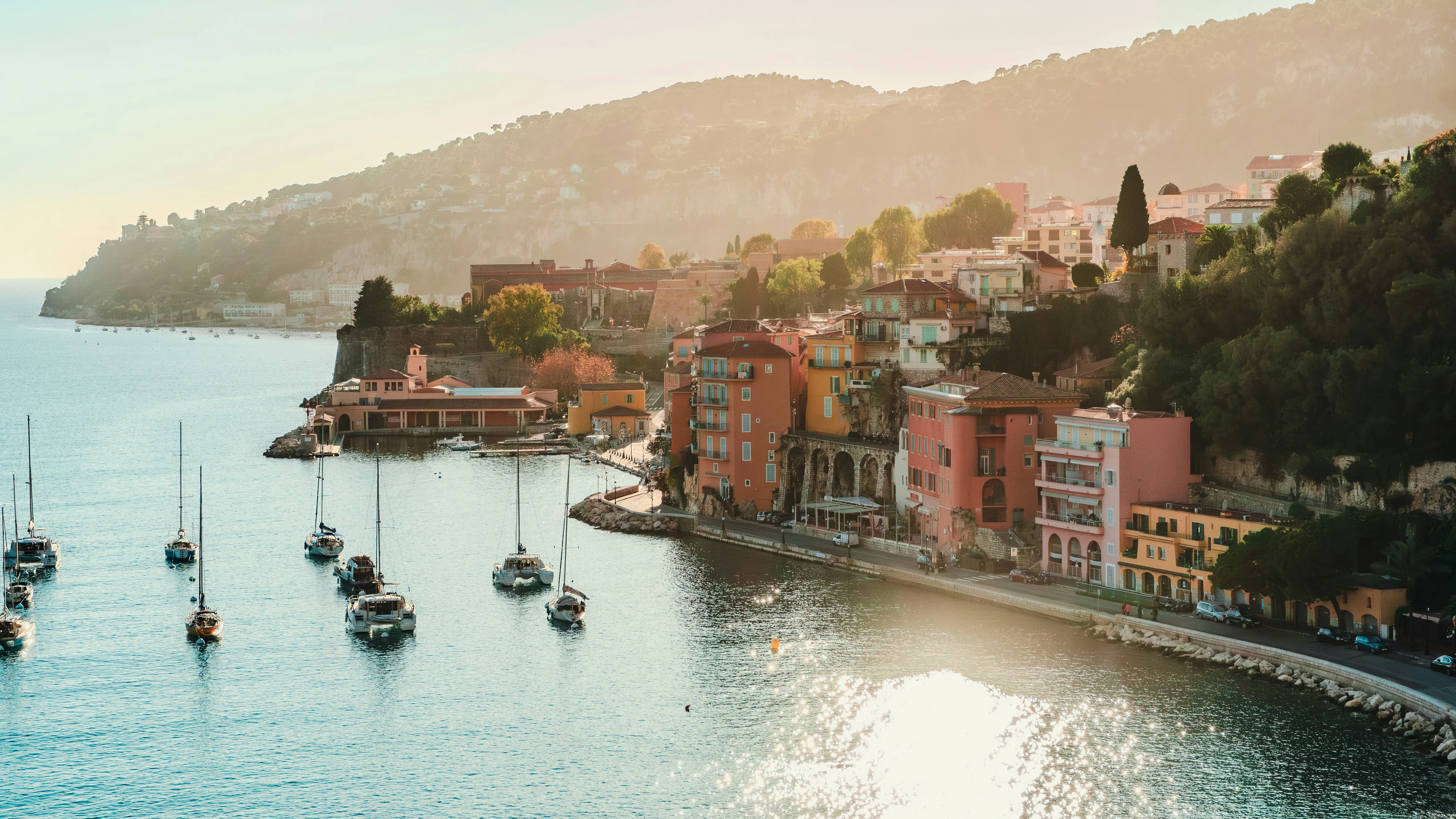
Paris is an obvious starting point, but luxury France extends far beyond the capital.
A sophisticated itinerary could combine Paris with Provence, the French Riviera, Bordeaux or the Loire Valley depending on interests and season.
For travellers interested in fashion and design, Paris can become an experience-led trip rather than a sightseeing itinerary. For food lovers, gastronomy can determine the route. For families, private cultural experiences and countryside stays can slow the pace considerably.
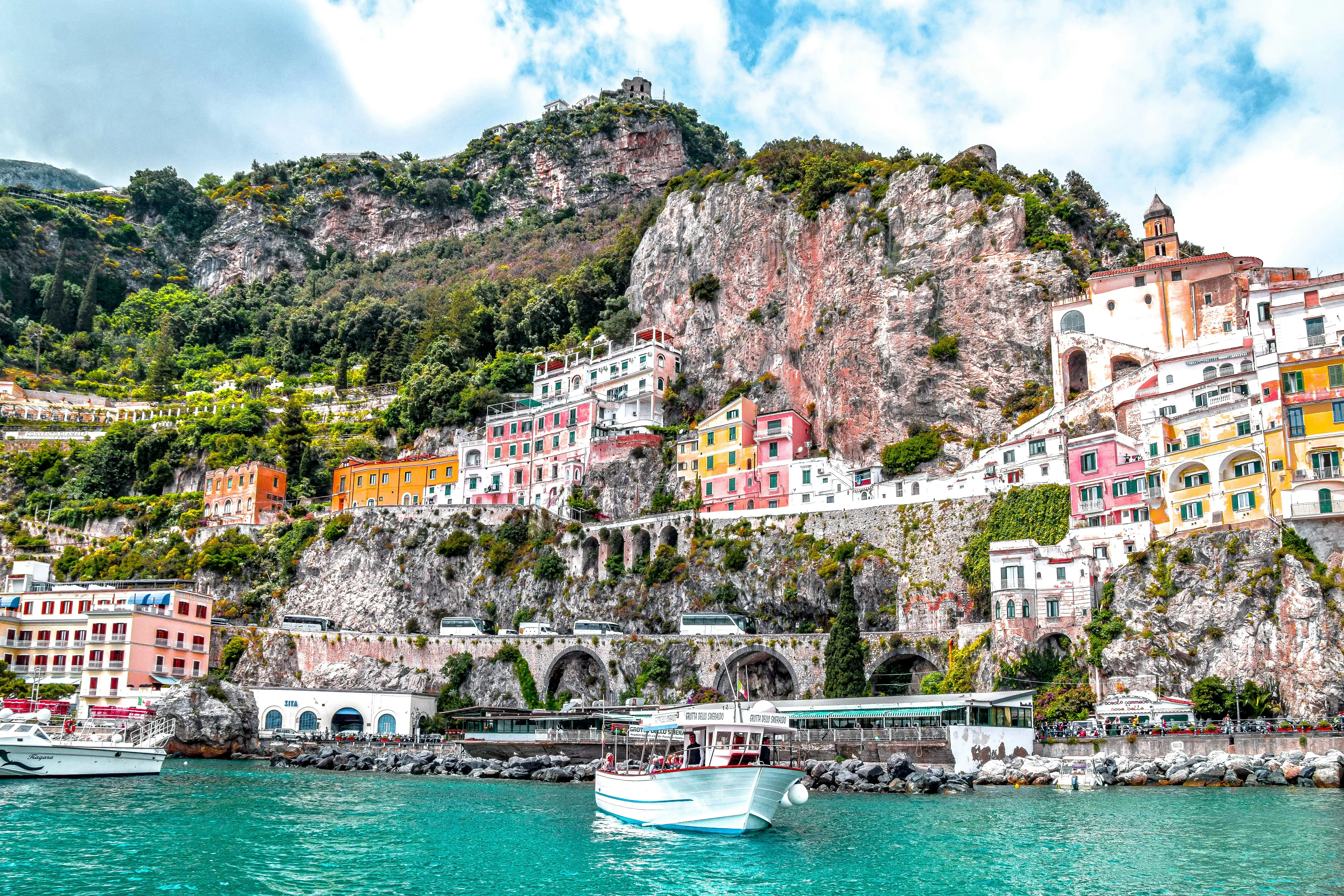
Italy is one of the easiest countries in Europe to personalize.
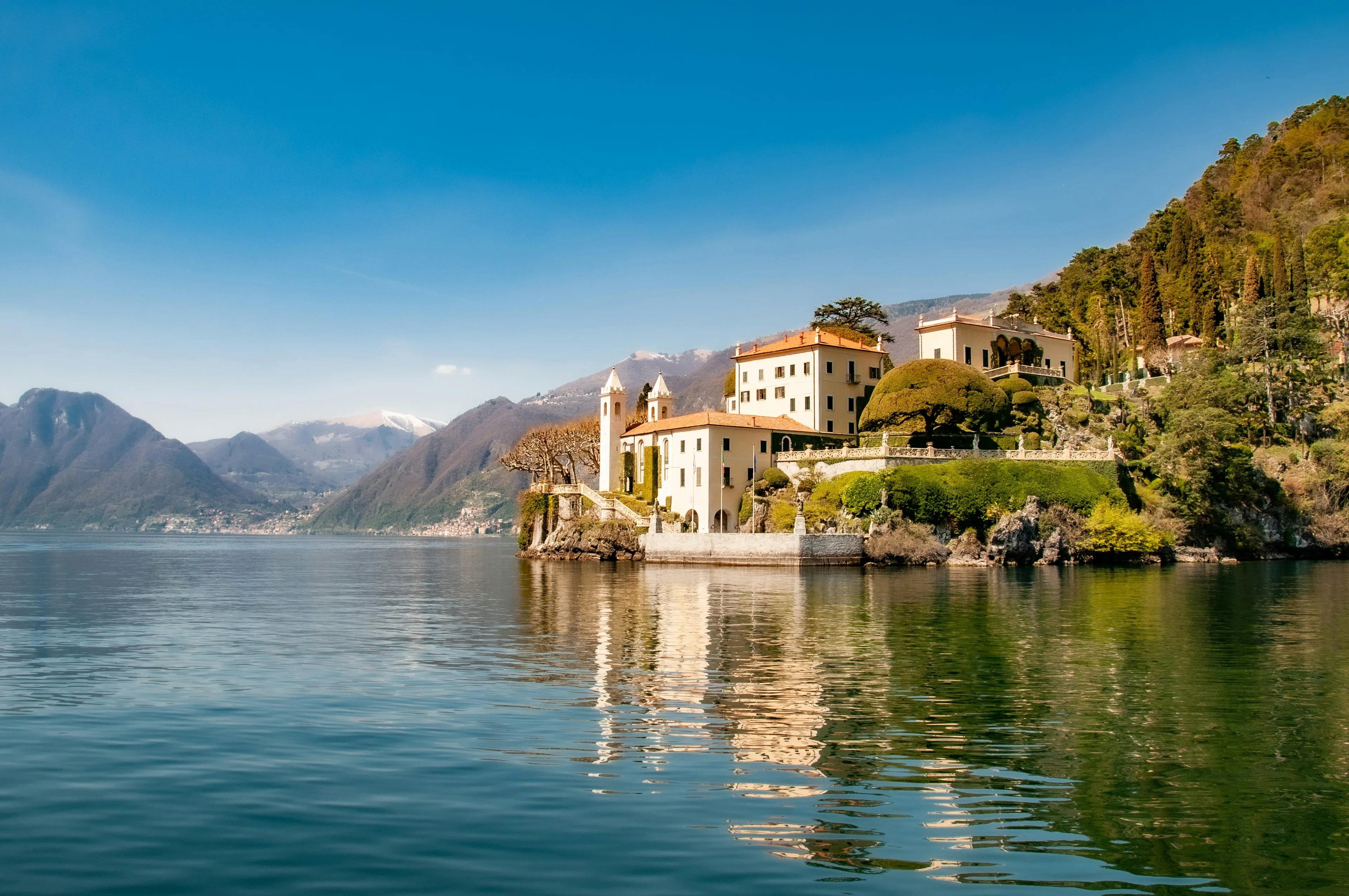
A first journey could combine Rome, Florence and Tuscany. A slower itinerary might focus entirely on northern Italy, Lake Como and the Dolomites. Another could combine the Amalfi Coast with Sicily.
Italy is particularly well suited to luxury travellers because the country offers a wide range of experiences that can be built around individual interests, including wine, gastronomy, fashion, craftsmanship, historic properties and private cultural experiences.
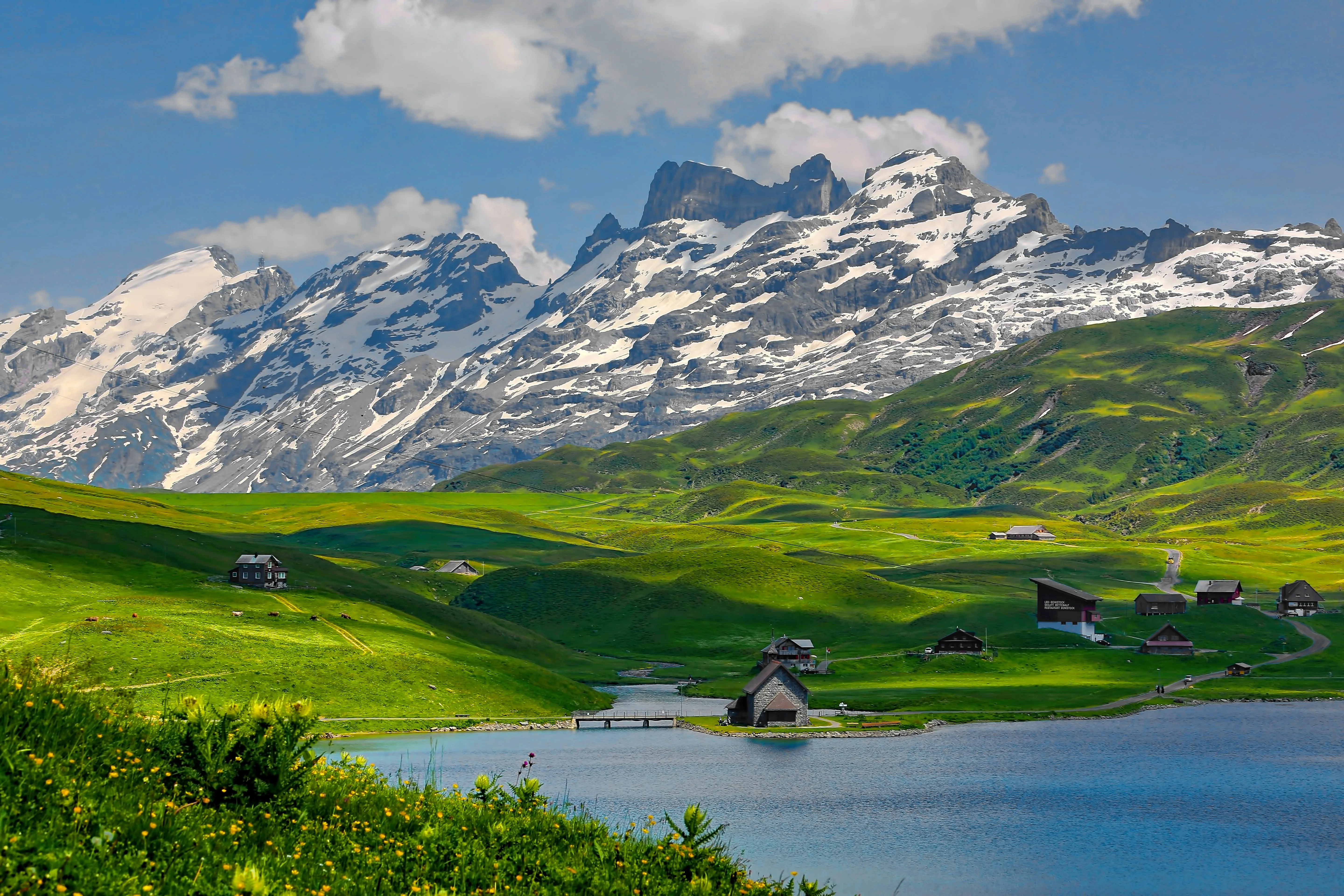
Switzerland is especially appealing to travellers who value scenery and comfort over constant sightseeing.
A journey can combine lakeside stays, alpine resorts, scenic rail journeys and private experiences without requiring a packed schedule.
For families travelling across generations, Switzerland can also be easier to pace. Different family members can pursue different interests while still sharing the same destination.
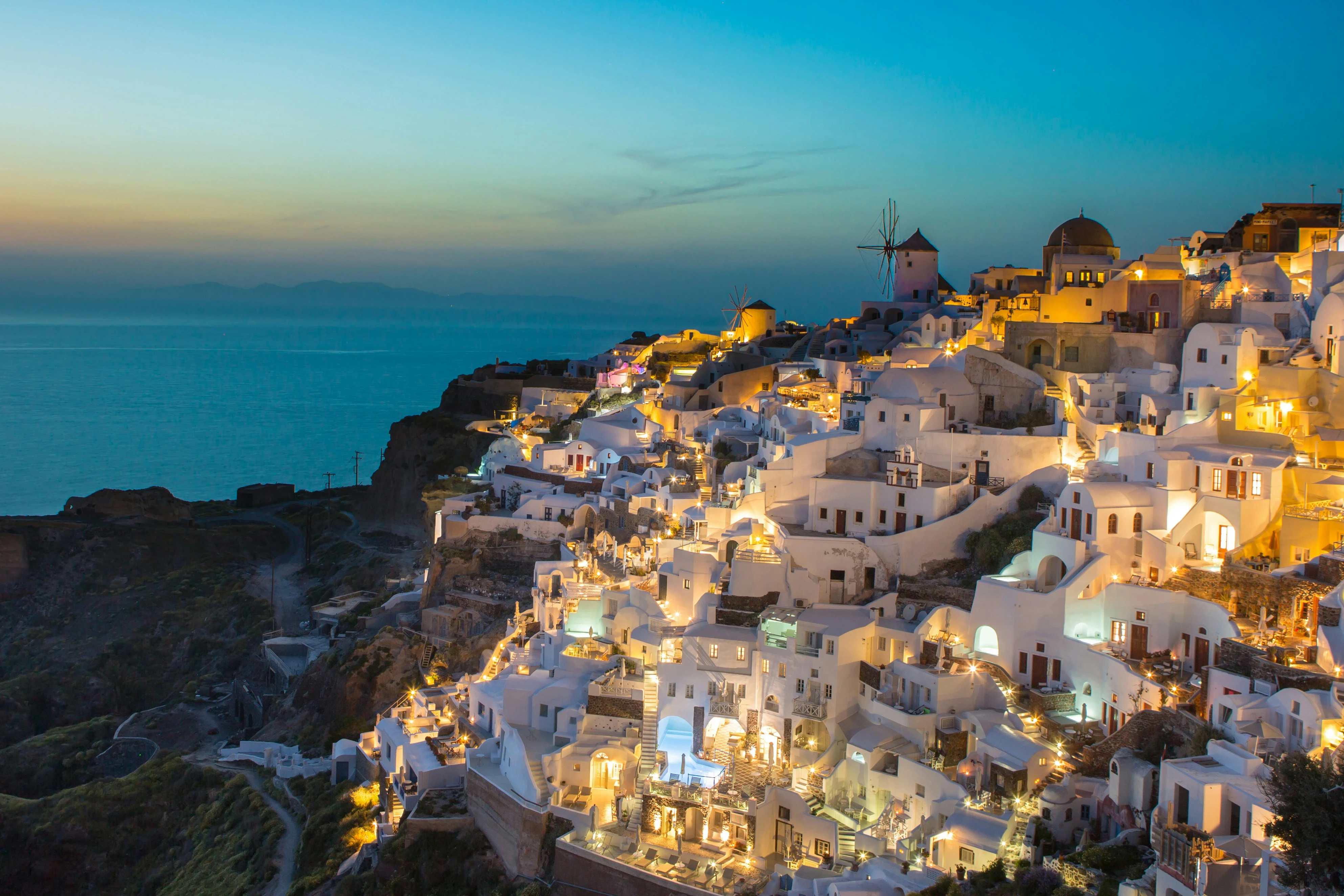
Greece works particularly well toward the end of a European journey.
After several days of museums, cities and cultural experiences, moving to an island such as Santorini or another Aegean destination can create a natural change of pace.
For honeymooners and couples, private villas, sailing and carefully selected island stays can turn Greece into more than a conventional beach extension.
Vienna works beautifully for travellers interested in music, architecture, history and refined dining.
Austria can also be paired with the Alps for travellers who want to combine culture with mountain scenery.
For a multi-generational journey, the combination of Vienna and the Austrian countryside can offer a useful balance between urban experiences and slower days.
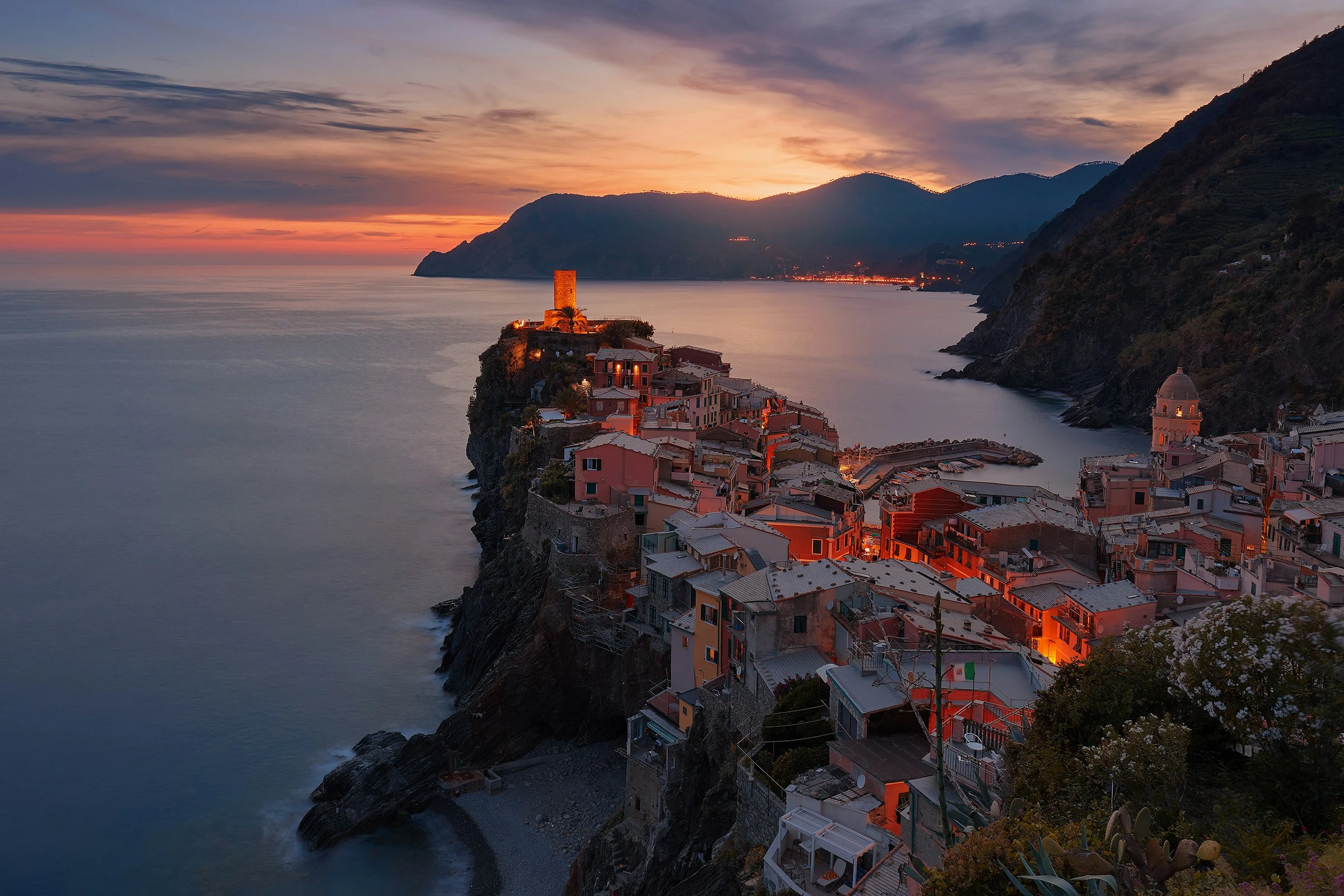
A luxury itinerary becomes memorable when the experiences are specific to the traveller.
Consider building a trip around:
The point is not to collect as many exclusive experiences as possible. One meaningful private experience can be more memorable than five generic VIP activities.
When planning a premium European holiday, travellers often focus heavily on the hotel itself. Location can matter just as much.
A spectacular hotel that requires long transfers every morning can be less convenient than a slightly less famous property positioned within easy reach of the experiences that matter to you.
This becomes particularly important in cities such as Paris, Rome and Florence, where time lost in traffic can meaningfully change the rhythm of a day.
For families, proximity to restaurants, attractions and transport can also reduce unnecessary movement.
The right hotel should therefore be evaluated according to location, privacy, room configuration, service, atmosphere and how well it fits the itinerary.
Europe can be excellent for multi-generational families, but it needs to be designed differently from a couples’ itinerary.
Grandparents may prefer a slower morning. Adults may want gastronomy and shopping. Children may need interactive activities and downtime.
Trying to make everyone follow exactly the same schedule can make the trip tiring. Instead, build in flexibility.
Private vehicles can make transfers easier. Family-friendly room configurations can simplify accommodation. Longer stays reduce packing and unpacking. And selected experiences can be offered to different members of the family without forcing everyone into the same activity.
For a multi-generational group, comfort and pacing are part of luxury.
Visa planning should be considered at the beginning of the itinerary rather than treated as an administrative task at the end.
Indian citizens travelling to Schengen countries generally need a valid visa before arrival. The European Union’s India delegation notes that short stays of up to 90 days in a 180-day period may be covered by a Schengen visa, subject to the relevant requirements.
The country responsible for the visa application depends on the itinerary and the applicable Schengen rules, so travellers should verify the current requirements with the relevant official authorities before applying.
France, for example, provides dedicated visa information for applicants in India and states that applications are handled through designated French consular authorities and visa centres.
There is also an important upcoming change to understand. ETIAS is not currently operational and is scheduled to begin in the last quarter of 2026. It applies to visa-exempt nationalities travelling to participating European countries; it is not a replacement for a Schengen visa for travellers who require one.
Because entry requirements can change, visa and border information should always be checked against official sources close to the date of travel.
There is no single best season.
Spring can work particularly well for travellers who want a combination of pleasant weather and cultural sightseeing.
Summer offers long days and excellent conditions for many destinations, but popular European destinations can also become considerably busier.
For travellers seeking privacy, it may be worth looking beyond the most heavily visited areas or considering less conventional regions.
Early autumn can be particularly attractive for food, wine and cultural travel. It can also offer a more relaxed atmosphere in some destinations after the peak summer period.
Winter opens up a completely different Europe. Christmas markets, alpine resorts, winter gastronomy and quieter city breaks can make December through early spring compelling for the right traveller.
The best season should therefore be selected around the experience you want, rather than simply the weather.
For Indian travellers flying to Europe, the length of the holiday should influence the itinerary from the beginning.
Best for a focused trip around one or two countries.
Examples could include:
Paris + French Riviera
or
Rome + Florence + Tuscany
or
Switzerland focused around the Alps and lakes
This is a useful length for a more varied European journey without making the itinerary excessively rushed.
For example:
Paris → Switzerland → Northern Italy
or
Italy → French Riviera → Provence
A longer journey gives travellers the freedom to slow down and combine several distinct experiences. This is particularly useful for multi-generational families or travellers who want to combine cities, countryside, mountains and coast.
If the goal is a genuinely bespoke journey, I would prioritize these decisions in this order:
This order is important because a luxury itinerary should be designed around the experience, not around a collection of hotels.
The most overlooked part of European travel is often not where to go, but how the individual components fit together.
A beautiful itinerary can become exhausting when there are too many hotel changes. A prestigious hotel can be inconvenient if it is far from the experiences you want. A private experience may not be worth its cost if it doesn’t genuinely improve the day. And adding another country doesn’t necessarily make a holiday better.
For high-value travel, time is often the real luxury. The most successful bespoke itineraries protect that time by minimizing unnecessary transfers, selecting the right bases and creating experiences that genuinely suit the traveller.
There is no single “perfect Europe itinerary.”
For one traveller, the ideal trip might be Paris, Provence and the French Riviera. For another, it might be Rome, Tuscany and Lake Como. A family might prefer Switzerland and Italy, while a couple could choose Greece after several days of cultural exploration.
The best itinerary is the one where every destination has a reason to be there.
For Indian HNWIs, UHNWIs and multi-generational families, that usually means going beyond the conventional Europe checklist and designing the journey around personal interests, preferred pace, privacy, comfort and meaningful experiences.
Europe does not need to be rushed to be memorable.
In fact, for a truly luxury journey, the ability to slow down may be the greatest luxury of all.
Amisha Shetth is the Founder and Chief Experiential Officer at Bliss Travels, a luxury and bespoke travel company focused on personalized international journeys. Her approach to travel planning centres on matching destinations, experiences, accommodation and logistics to the individual traveller rather than relying on standardized itineraries.