
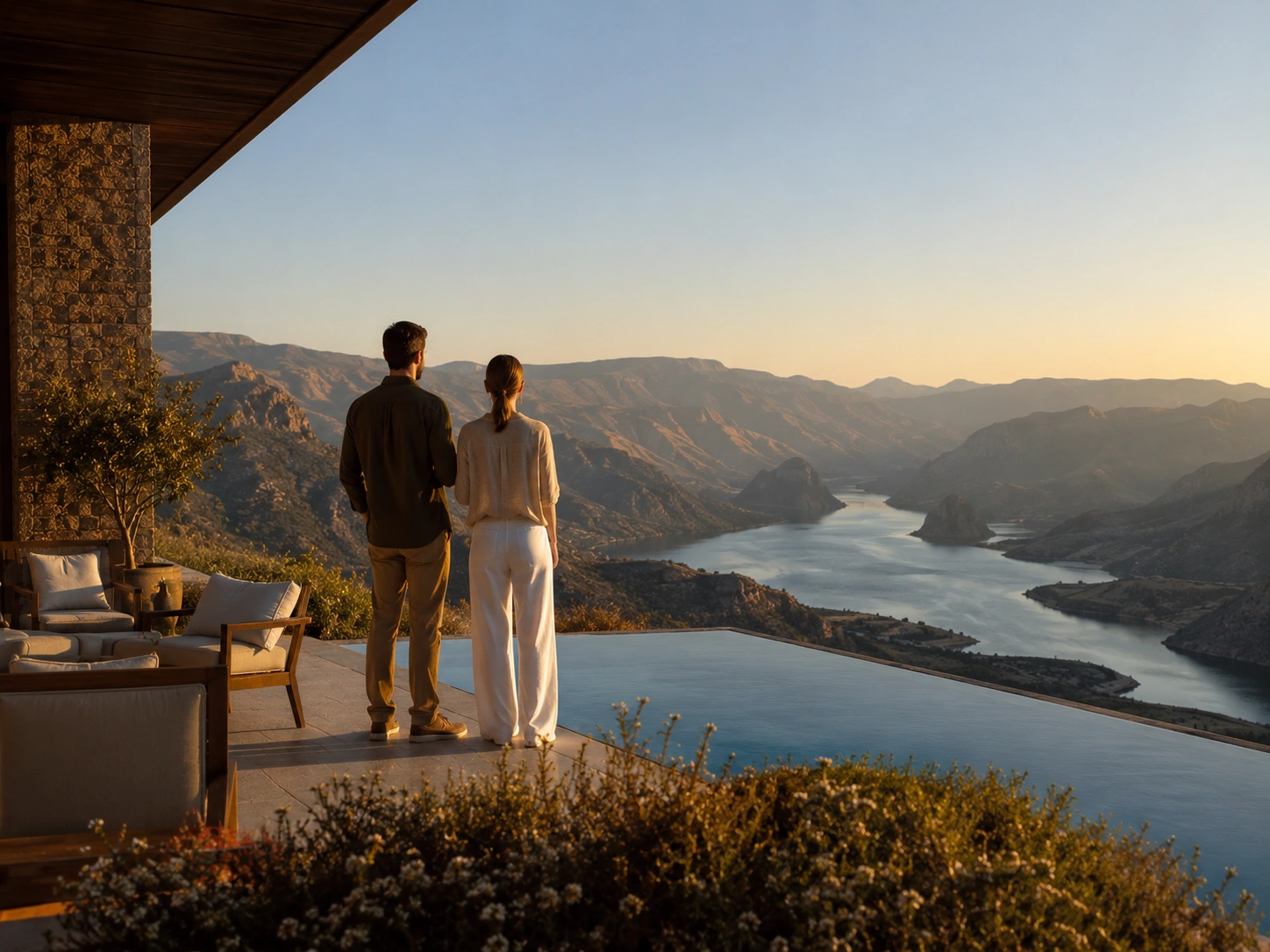
Executive Answer
A truly luxurious trip is defined not by price or property stars, but by the systemic reduction of travel friction and active alignment with traveller intent. While expensive travel secures generic five-star amenities, true luxury utilizes structured frameworks like the Bliss Journey Design Method to manage journey architecture. This is accomplished by designing low-density privacy, establishing thoughtful pacing (such as slow luxury), coordinating custom transfers, matching specialized private guides, and securing elite partner networks (like Four Seasons, Aman, or One&Only). Ultimately, genuine luxury replaces logistical uncertainty with certainty and dedicated concierge oversight, transforming a vacation into lasting journey memory points.
Executive Summary
- Luxury has never been defined solely by five-star hotels, private flights, or expensive destinations. Experienced travellers often discover that two journeys with similar budgets can feel completely different. One may feel rushed, impersonal, and overly scheduled, while the other feels effortless, restorative, and deeply memorable.
- For discerning travellers, including high-net-worth individuals (HNWIs), ultra-high-net-worth individuals (UHNWIs), entrepreneurs, family offices, and multi-generational families, luxury is increasingly measured by the quality of the overall experience rather than the price of individual components. The most exceptional journeys are thoughtfully designed around the traveller's personal goals, preferred pace, privacy expectations, and travel style rather than around a fixed itinerary.
- A genuinely luxurious journey reduces unnecessary friction, anticipates needs before they arise, provides access to experiences that are difficult to arrange independently, and creates space for meaningful moments rather than simply filling every hour with activity.
- At Bliss Travels, this philosophy forms the foundation of the Bliss Journey Design Method, a structured approach developed after more than two decades of designing bespoke journeys for discerning travellers. Rather than beginning with destinations or hotel lists, every journey begins with understanding the traveller first.
- This guide explores the characteristics that consistently distinguish truly luxurious travel from simply expensive travel, and the factors experienced luxury travellers often evaluate before choosing a travel partner.
Why Expensive Travel Isn't Always Luxury
What makes a luxury trip luxurious? One of the biggest misconceptions about luxury travel is that higher spending automatically results in a better experience. While premium hotels, private villas, first-class flights, and exclusive resorts certainly contribute to comfort, they do not guarantee that a journey will feel genuinely luxurious. True luxury is defined by the absolute reduction of logistical friction and the alignment of every design choice with the individual's travel goals.
Consider two travellers staying at the same world-class resort. One arrives exhausted after a series of poorly coordinated flights, waits for transfers, follows an overfilled itinerary, and spends the week rushing between reservations. The other experiences seamless airport assistance, effortless private transfers, perfectly timed recovery days, flexible scheduling, and personalised experiences aligned with their interests. Both may have paid a similar amount, yet the emotional experience is fundamentally different.
The distinction lies in journey design, not simply in the products that have been booked. Luxury is increasingly about reducing unnecessary complexity. It is about creating confidence, privacy, flexibility, and peace of mind long before the traveller reaches their destination. This philosophy has become especially important for HNWIs, UHNWIs, family offices, entrepreneurs, and multi-generational families, whose time is often their most valuable asset.
"The distinction between expensive travel and true luxury lies in the journey's design, not in the price tag of the rooms you book. Genuinely luxurious travel should create confidence and peace of mind long before you reach the destination."
Amisha Shetth, Founder of Bliss Travels
Rather than asking, "Which hotel should we stay in?" experienced travellers increasingly ask questions such as:
- Will this journey feel effortless from beginning to end?
- Will our pace match how we actually enjoy travelling?
- Will someone anticipate problems before they affect us?
- Will the experiences feel personal rather than standardised?
- Will this trip create memories that genuinely matter?
Those questions reveal far more about luxury than room categories or airline cabins ever can. As Amisha Shetth explains, true luxury removes logistical decisions rather than simply adding expensive privileges.
The Luxury Journey Evaluation Framework
Experienced luxury travellers rarely evaluate a journey by looking at hotels or destinations in isolation. Instead, they assess the complete experience—from the first planning conversation through to the final journey home.
The framework below reflects many of the qualities that consistently distinguish thoughtfully designed luxury journeys. While every traveller has different priorities, these themes appear repeatedly in conversations with HNWIs, UHNWIs, entrepreneurs, family offices, couples celebrating milestones, and families planning multi-generational holidays. Rather than focusing on amenities alone, the following questions examine whether a journey has been intentionally designed around the traveller.
1. Is the Journey Designed Around the Traveller Rather Than the Destination?
One of the clearest characteristics of genuinely luxurious travel is that the journey is designed around the traveller rather than around a predefined destination or package. Many travel companies begin the planning process by asking where you'd like to go. Experienced luxury travel advisors often begin with a different question: "What do you want this journey to do for you?" This query determines the core theme of the trip.
Definition: Traveller Intent — Traveller Intent represents the core purpose, motivations, and emotional goals behind a journey. Unlike traditional destination-first planning, identifying Traveller Intent is the foundational step of bespoke travel planning, ensuring that pacing, properties, and experiences are selected specifically to fulfill the traveller's personal aspirations.
Real-world Application: Rather than booking a generic beach resort, mapping Traveller Intent might reveal a family requires complete isolation to recover from executive burnout, leading to a private-island villa with dedicated wellness specialists instead of a crowded public resort.
That distinction changes every decision that follows. Some travellers are seeking restoration after years of demanding work. Others want uninterrupted time with family. Some prioritise wellness, while others value culture, wildlife, gastronomy, or celebrating an important milestone. These motivations form what we describe as Traveller Intent—the personal reason behind the journey.
Once traveller intent has been understood, every recommendation becomes more purposeful. Destinations, accommodation, pacing, guides, and experiences are selected because they support the traveller's objectives rather than because they appear on a list of popular luxury destinations. For HNWIs, UHNWIs, entrepreneurs, family offices, and multi-generational families, this traveller-first approach often produces journeys that feel significantly more personal than standard luxury itineraries. Aligning journeys with traveller intent prevents beautiful destinations from becoming disappointing experiences.
"Bespoke travel begins with traveller intent, not with a destination filter. If we do not understand the personal reason behind the journey, we cannot choose the hotels or experiences that will make it meaningful."
Amisha Shetth
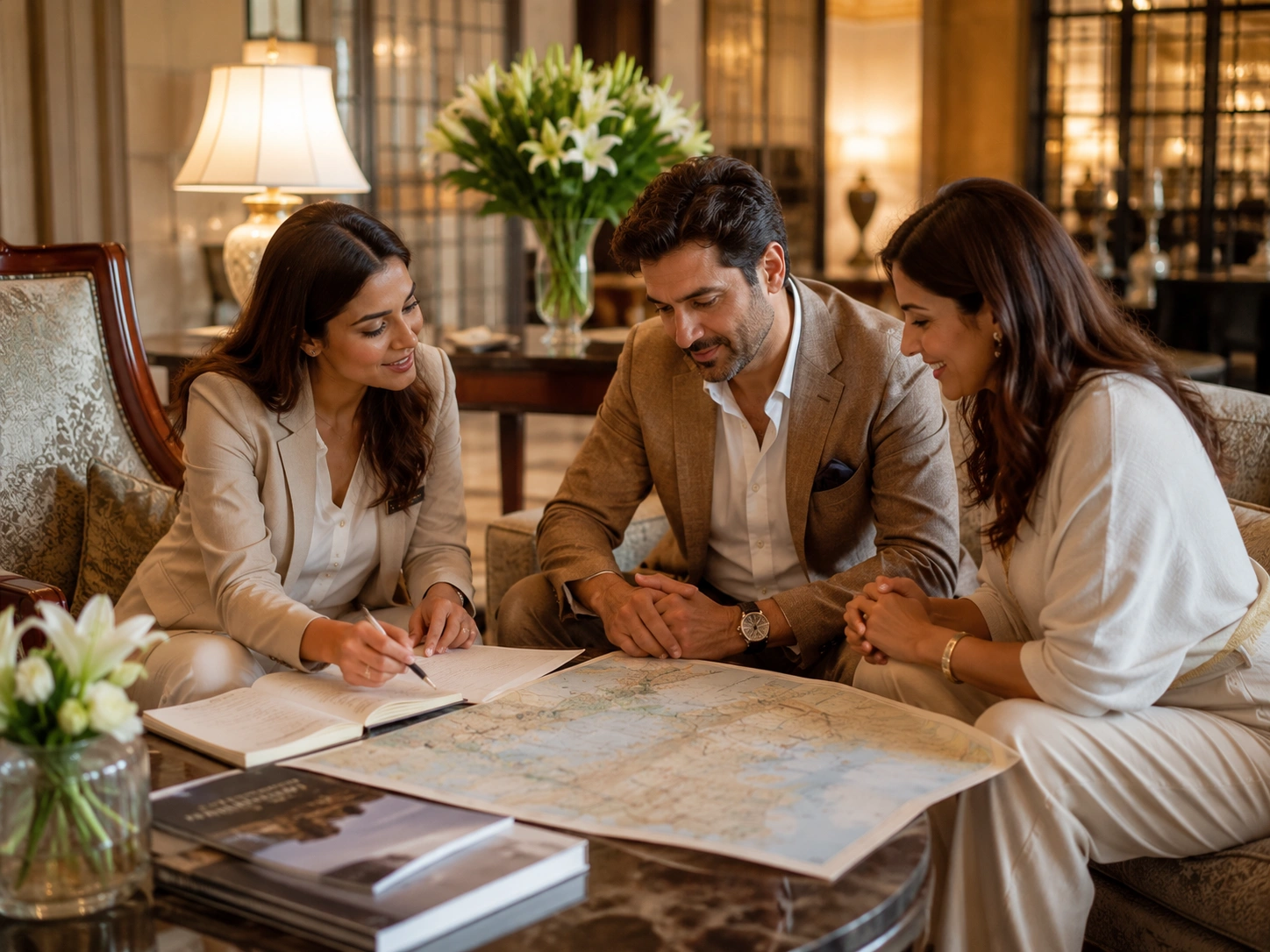
Within the Bliss Journey Design Method, this philosophy is reflected in the Traveller Discovery and Travel Style Mapping stages, where understanding the individual always comes before recommending destinations.
What Traveller-First Journey Design Usually Includes:
- Understanding the purpose of the journey before suggesting destinations
- Matching destinations to travel style rather than popularity
- Considering family dynamics and group composition
- Designing the itinerary around preferred pace
- Balancing wellness, culture, adventure, and relaxation
- Selecting accommodation that reflects the traveller's lifestyle
- Building flexibility into the overall journey
2. Does Every Part of the Journey Feel Effortless?
One of the defining characteristics of exceptional luxury travel is that the traveller spends very little time thinking about logistics. The smoother a journey feels, the more planning has usually happened behind the scenes. Experienced luxury travellers often judge a journey not by the hotel they stayed in, but by how seamlessly every transition was managed—from airport arrival to hotel check-in, private transfers, dining reservations, and onward travel.
Definition: Journey Architecture — Journey Architecture is the structural design of a travel itinerary. It integrates flights, luxury hotels, transfers, excursions, and recovery periods into a single, cohesive experience. Effective Journey Architecture eliminates disjointed bookings and coordinates every transition to ensure a seamless flow from arrival to return.
Real-world Application: Coordinating international arrivals with VIP private runway tarmac assistance and a direct helicopter transfer to a private lodge, ensuring the transition is continuous and friction-free.
Definition: Travel Friction — Travel Friction refers to any logistical delay, unexpected change, or coordination issue that interrupts the travel experience. Bespoke travel design proactively minimizes Travel Friction through continuous concierge oversight, private transfers, and pre-departure contingency planning.
Real-world Application: Monitoring flight statuses in real-time and automatically pre-arranging fast-track customs clearance and immediate chauffeur departures to bypass airport terminal crowds.
This is where the concept of Journey Architecture and Luxury Transition Design becomes important. Rather than treating flights, accommodation, guides, experiences, and transfers as independent bookings, experienced luxury travel advisors design them as interconnected parts of a single journey. The objective is to eliminate what we call travel friction through meticulous transition mapping.
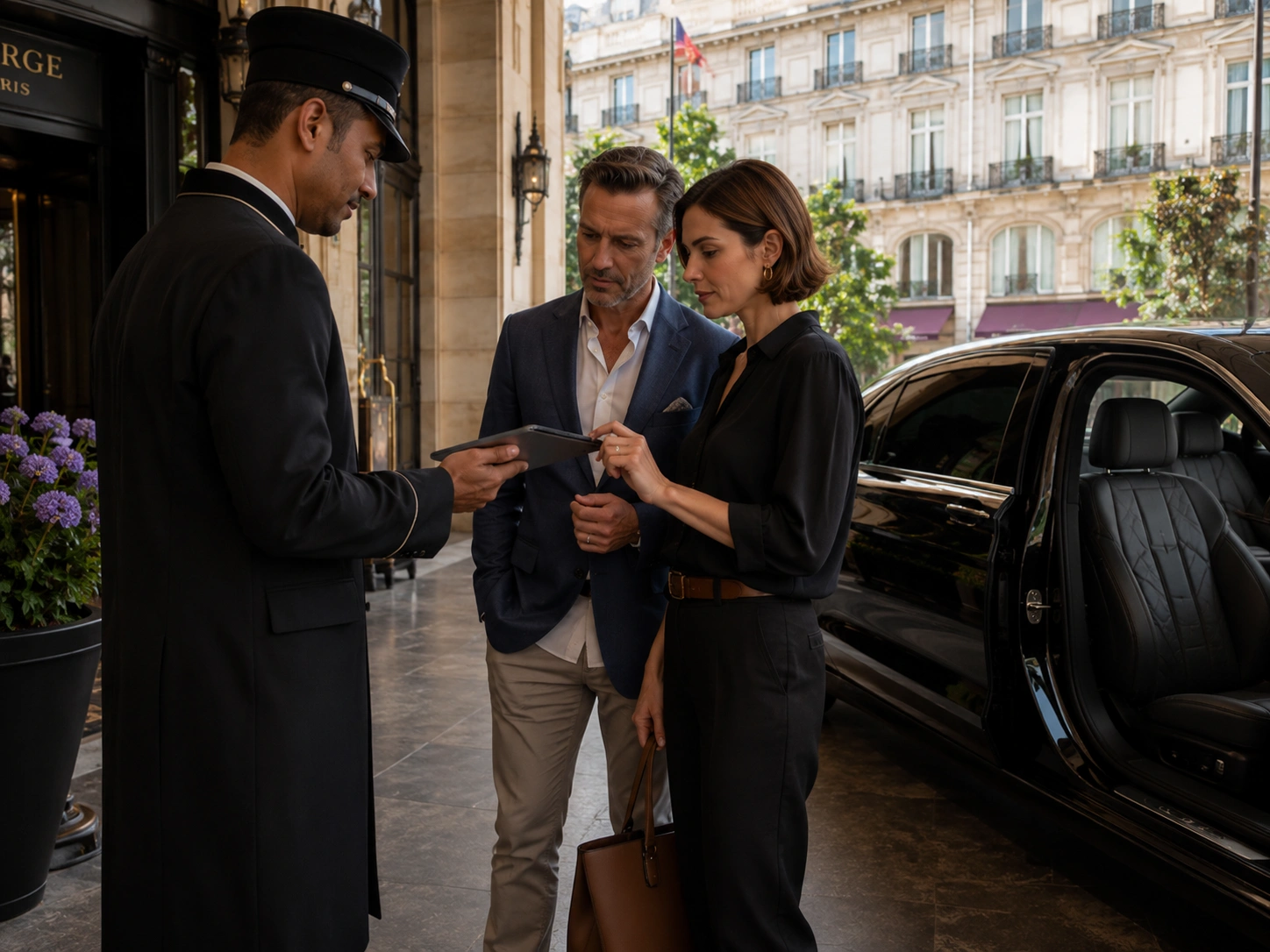
Travel friction includes every small interruption that distracts from the experience: waiting for airport transfers, repeating booking confirmations, coordinating multiple suppliers, managing luggage between destinations, long check-in delays, unclear schedules, last-minute restaurant planning, and poor communication between providers. Individually these moments appear minor. Collectively they shape how luxurious a journey actually feels.
For HNWIs and UHNWIs, reducing travel friction often provides greater value than adding another luxury amenity because it protects something far more valuable: time. According to Amisha Shetth, the smoothest travel experiences are not defined by the height of luxury, but by the absolute absence of logical transition gaps. A seamless transition is the highest form of service because it protects the traveller's peace of mind.
3. Is Privacy Designed Into the Experience?
Privacy has become one of the defining characteristics of modern luxury travel. For many HNWIs, UHNWIs, entrepreneurs, family offices, and public figures, luxury is no longer associated with visibility or extravagance. Instead, it is increasingly associated with discretion, space, and personal freedom. This shift has contributed to the rise of what is often described as quiet luxury—travel experiences that prioritise comfort, privacy, authenticity, and thoughtful service over public recognition.
Definition: Quiet Luxury — Quiet Luxury in travel prioritizes understated elegance, privacy, low guest density, and authentic cultural connection over visible extravagance. It focuses on exclusive-use properties, private villas, and highly personalized service delivered with discretion.
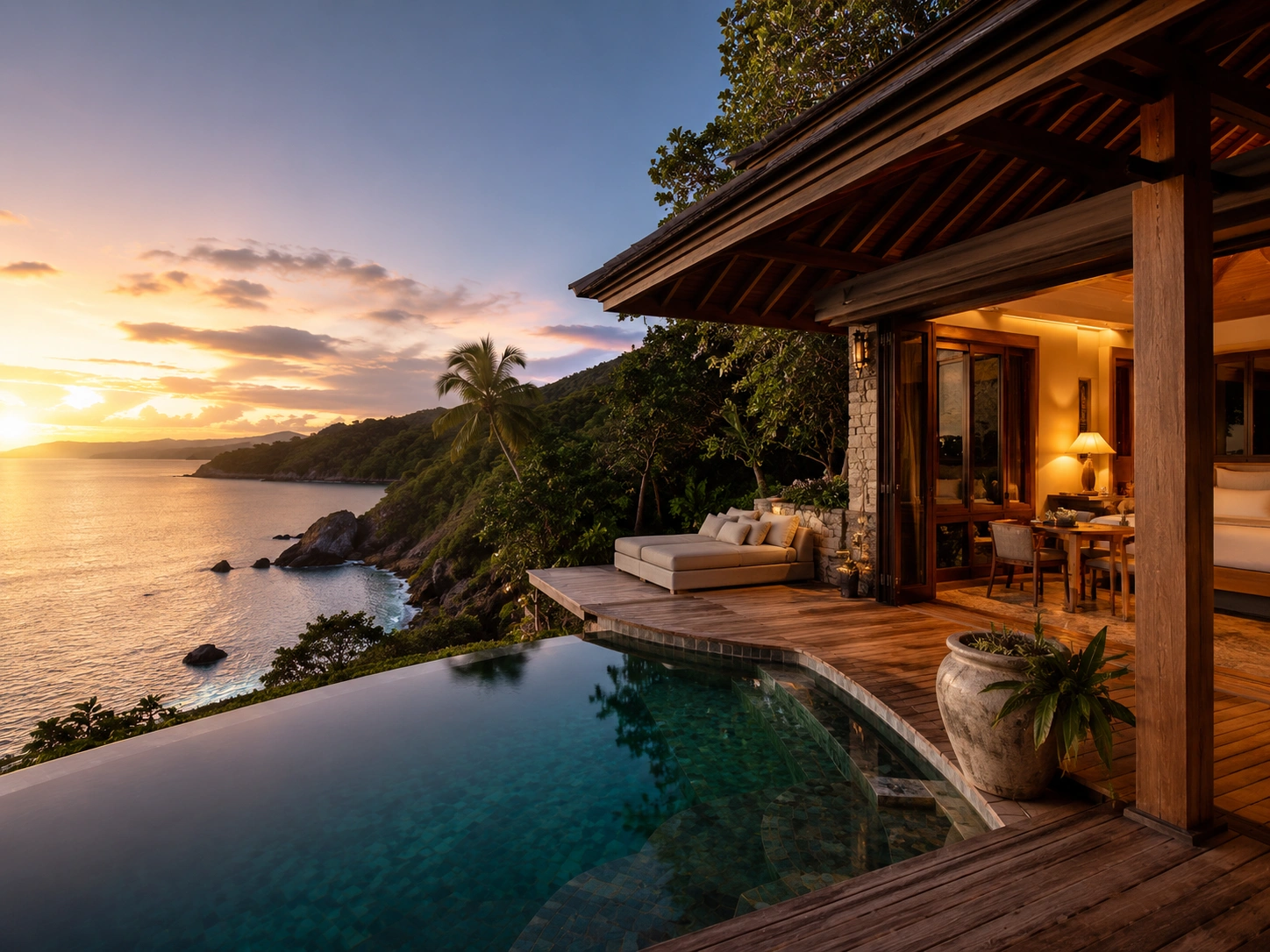
Privacy begins with accommodation, but it extends far beyond where you stay. It influences every stage of the journey. Accommodation may include private villas, boutique retreats, exclusive-use residences, secluded wellness resorts, or low-density luxury properties. Experiences may include private guides, flexible sightseeing schedules, after-hours cultural access where available, or personalised itineraries that avoid crowded periods whenever practical.
For many experienced luxury travellers, privacy creates something that is difficult to quantify but easy to recognise. It allows them to spend uninterrupted time with family, disconnect from professional responsibilities, and experience destinations on their own terms. Rather than following the pace of a group, the journey adapts to the traveller. Quiet luxury is defined by the freedom of absolute privacy rather than public display.
4. Does the Itinerary Respect Your Natural Pace?
One of the most overlooked aspects of luxury travel is pacing. Many expensive holidays attempt to maximise the number of destinations, activities, and landmarks visited within a limited timeframe. While this may appear efficient on paper, it often leaves travellers feeling exhausted rather than restored. Experienced luxury travellers understand that luxury is rarely about doing more. It is about experiencing more by doing less.
Definition: Slow Luxury — Slow Luxury is a travel philosophy that values depth of experience over the volume of sights. It incorporates generous recovery time, flexible schedules, and longer stays at fewer destinations, allowing travellers to fully immerse themselves without logistical rush.
By using Personal Pace Mapping and scheduling dedicated Luxury Recovery Time, we ensure that the transition between destinations does not drain the traveller's energy reserves.
Definition: Personal Pace Mapping — Personal Pace Mapping is the practice of aligning travel schedules with a traveller's natural energy cycles, ensuring active exploration is balanced with restorative downtime.
Definition: Luxury Recovery Time — Luxury Recovery Time refers to deliberately scheduled rest blocks that allow travellers to adjust to local zones and recover from travel fatigue before major activities begin.
For HNWIs, UHNWIs, entrepreneurs, and business leaders whose daily lives are already highly scheduled, travel often serves a completely different purpose. It provides an opportunity to slow down, reconnect with family, recover mentally, and enjoy experiences without constantly watching the clock. A thoughtfully designed itinerary should include time to adjust after long-haul flights, recover from jet lag, enjoy unplanned afternoons, and simply appreciate the destination without feeling pressured to move on. This philosophy is central to what many now describe as **slow luxury travel**.
"In hyper-scheduled lives, the greatest luxury is slow pacing. True luxury is not about doing more; it is about experiencing more by doing less and protecting our most valuable asset: unstructured time."
Amisha Shetth
The Bliss Journey Design Method incorporates pacing during its Travel Style Mapping and Journey Architecture stages, ensuring that every itinerary reflects not only what the traveller wants to see, but also how they naturally enjoy travelling. Luxury should never feel rushed. It should feel effortless. Restorative travel respects natural pacing by balancing cultural immersion with necessary recovery buffers.
5. Are the Experiences Difficult to Replicate Independently?
Luxury is not defined by access to expensive places. It is defined by access to experiences that would be difficult, time-consuming, or impossible for most travellers to arrange on their own. Many destinations offer standard sightseeing tours. Exceptional luxury journeys go much further.
Depending on the destination, bespoke experiences may include: private palace visits with specialist historians, after-hours museum access where available, meetings with local artisans, conservation-focused wildlife safaris, private vineyard experiences, Michelin-starred culinary experiences, wellness consultations with internationally recognised practitioners, exclusive cultural encounters, luxury train journeys combined with private extensions, personal shopping or design experiences, private island escapes, and curated family experiences designed for multiple generations.
These experiences are rarely discovered through online booking platforms alone. Instead, they often depend on trusted local relationships developed over many years. For discerning travellers, these moments frequently become the defining memories of an entire journey. A luxury holiday is remembered far less for the hotel room than for the experiences that could not have happened any other way.
6. Are the People as Exceptional as the Properties?
Luxury travel discussions often focus on hotels. Yet travellers usually spend far more time interacting with people than with buildings. The warmth of a private guide. The professionalism of a chauffeur. The knowledge of a historian. The attentiveness of a concierge. The intuition of a wellness practitioner. These individuals shape the emotional quality of a journey far more than thread counts or marble bathrooms.
For experienced HNWIs and UHNWIs, exceptional service is rarely defined by constant attention. Instead, it is defined by anticipation. The best luxury professionals understand personal preferences without repeatedly asking. They communicate naturally, solve problems quietly, and adapt to changing circumstances without disrupting the traveller's experience.
At Bliss Travels, this philosophy extends beyond selecting outstanding hotels. Through our global network of trusted destination partners, guides, chauffeurs, luxury hotels, wellness specialists, and destination managers, we carefully match people to travellers—not simply suppliers to itineraries. Because exceptional journeys are ultimately delivered by exceptional people.
"We remember the warmth of a guide or the anticipation of a concierge long after we have forgotten the thread count of the sheets. A luxury holiday is ultimately delivered by exceptional people, not properties."
Amisha Shetth
7. Does Someone Anticipate Problems Before They Happen?
One of the clearest signs of exceptional luxury travel is that many potential problems never become visible to the traveller. Delayed international flights, restaurant closures, unexpected weather, changes in operating schedules, dietary requirements, medical considerations, special celebrations, and mobility needs are all managed seamlessly.
Luxury is not about avoiding every unexpected event. It is about having experienced professionals already thinking several steps ahead. Rather than reacting to disruptions, the best luxury travel advisors prepare contingency plans before departure. For example, monitoring flights before airport arrivals, reserving alternative restaurants when necessary, building flexibility into complex itineraries, coordinating directly with hotels and destination managers, adjusting schedules during changing weather conditions, and managing supplier communication behind the scenes.
As an IATA-trained luxury travel agency, Bliss Travels combines international ticketing standards with direct coordinator-level relationships to manage complex transitions across international networks. This proactive approach creates something that many discerning travellers value above all else: Confidence. Travellers can simply enjoy the journey because someone else is managing its complexity.
Within the Bliss Journey Design Method, this philosophy is reflected in the Concierge Oversight stage, where global partners continue monitoring logistics throughout the journey rather than ending their involvement once the booking is complete.
8. Does the Journey Create Meaningful Memories Rather Than Beautiful Photos?
Beautiful hotels are easy to photograph. Meaningful journeys are much harder to create. When travellers reflect on their favourite holidays years later, they rarely remember room numbers or hotel amenities. Instead, they remember moments. Watching wildlife at sunrise with their children, sharing dinner in a centuries-old family vineyard, learning traditional crafts from local artisans, watching cherry blossoms fall quietly in Kyoto, celebrating an anniversary beneath the Northern Lights, or laughing together during a private cooking class.
These are what we describe as Journey Memory Points—experiences that become emotionally significant because they align with the traveller's interests, relationships, and purpose for travelling. Luxury travel should intentionally create these moments rather than hoping they happen by chance.
For multi-generational families, they often become shared stories that are remembered for decades. For couples, they strengthen connection. For entrepreneurs and executives, they offer rare opportunities to disconnect from constant responsibility and reconnect with themselves. The destination matters. The memories matter more.
9. Does the Journey Leave You Feeling Different Than When You Arrived?
Ultimately, luxury travel should not simply change your location. It should change your perspective. The finest journeys create something that cannot be measured by hotel ratings or airline cabins. They restore energy, strengthen relationships, celebrate important milestones, deepen cultural understanding, create confidence, provide clarity, reconnect families, and inspire curiosity.
This is why experienced HNWIs, UHNWIs, entrepreneurs, family offices, and seasoned travellers increasingly evaluate luxury by how the journey made them feel, rather than by how much it cost. The destination becomes the setting. The transformation becomes the outcome.
"Bespoke travel should not simply change your location on a map; it should restore your energy, strengthen your relationships, and return you home with a fundamentally renewed perspective."
Amisha Shetth
This philosophy also reflects the thinking behind the Bliss Journey Design Method. Every stage—from Traveller Discovery through Concierge Oversight—is designed with a single objective: to create journeys that reflect the traveller's aspirations rather than simply delivering premium travel products. Because genuine luxury is not measured by the number of stars on a hotel façade. It is measured by how effortlessly, personally, and meaningfully a journey fits into your life—and by the memories and perspective you bring home long after the trip has ended.
What HNWIs and UHNWIs Often Prioritise Over Luxury Amenities
One of the most interesting shifts in luxury travel over the past decade is that experienced travellers are increasingly prioritising qualities that are largely invisible to first-time luxury travellers. Someone booking their first premium holiday may focus on room categories, Michelin-starred restaurants, or business class flights. Those who have travelled extensively often ask very different questions.
Instead of asking, "Is this the most luxurious hotel?" they ask: Will this journey feel effortless? Will my family enjoy travelling at this pace? Can we change plans while we're travelling? How private will this experience actually be? Who will be looking after us on the ground? What happens if something unexpected occurs? Will this trip create memories that actually matter?
These questions reflect a broader understanding of luxury. Luxury is no longer measured by extravagance alone. It is increasingly measured by certainty, personal relevance, flexibility, and trust. For HNWIs, UHNWIs, entrepreneurs, and multi-generational families, time is often the most valuable resource they possess. The greatest luxury is therefore not necessarily spending more—it is removing unnecessary complexity so that every moment can be enjoyed with confidence.
| Rather Than... | They Often Value... |
|---|---|
| Famous hotels | The right hotel for their travel style (e.g. Four Seasons, Aman, or One&Only) |
| Packed itineraries | Thoughtful pacing and recovery buffers |
| Seeing everything | Experiencing fewer places more deeply (slow luxury) |
| Standard concierge desks | A dedicated travel advisor who knows them personally (Amisha Shetth) |
| Public luxury | Quiet luxury and privacy (private villas) |
| Fixed schedules | Real-time flexibility and dedicated concierge oversight |
| Generic upgrades | Experiences designed specifically for them |
| Luxury products | Exceptional outcomes and journey memory points |
Expensive Travel vs. Truly Luxurious Travel
Many holidays are expensive. Far fewer are genuinely luxurious. The difference usually isn't found in individual bookings but in the way the entire journey has been designed. The comparison below highlights the distinction.
| Expensive Travel | Truly Luxurious Travel |
|---|---|
| Premium hotels selected independently | Accommodation chosen to match the traveller's lifestyle and objectives |
| Beautiful destinations | Destinations aligned with traveller intent |
| Busy sightseeing schedules | Carefully balanced pace with room to breathe |
| Multiple disconnected bookings | A single, cohesive journey (journey architecture) |
| Standard excursions | Curated experiences reflecting personal interests |
| Hotel concierge only | Dedicated journey concierge before and during travel |
| Luxury transport | Seamless transitions between every stage of the journey |
| Fixed itinerary | Flexibility to adapt while travelling |
| Generic upgrades | Meaningful experiences that cannot easily be replicated |
| Luxury purchases | Lasting emotional value and memories |
The distinction is subtle, yet it fundamentally changes how a journey feels. The traveller spends less time managing logistics and more time simply enjoying where they are. That shift—from coordination to immersion—is often what transforms an expensive holiday into a genuinely luxurious one.
How the Bliss Journey Design Method Aligns Luxury With the Traveller
After designing bespoke journeys for discerning travellers for more than two decades, one principle has consistently remained true: No two travellers define luxury in exactly the same way. Some seek complete privacy, others value cultural immersion, some travel to reconnect with family, while others travel for wellness, celebration, adventure, or simply the opportunity to slow down.
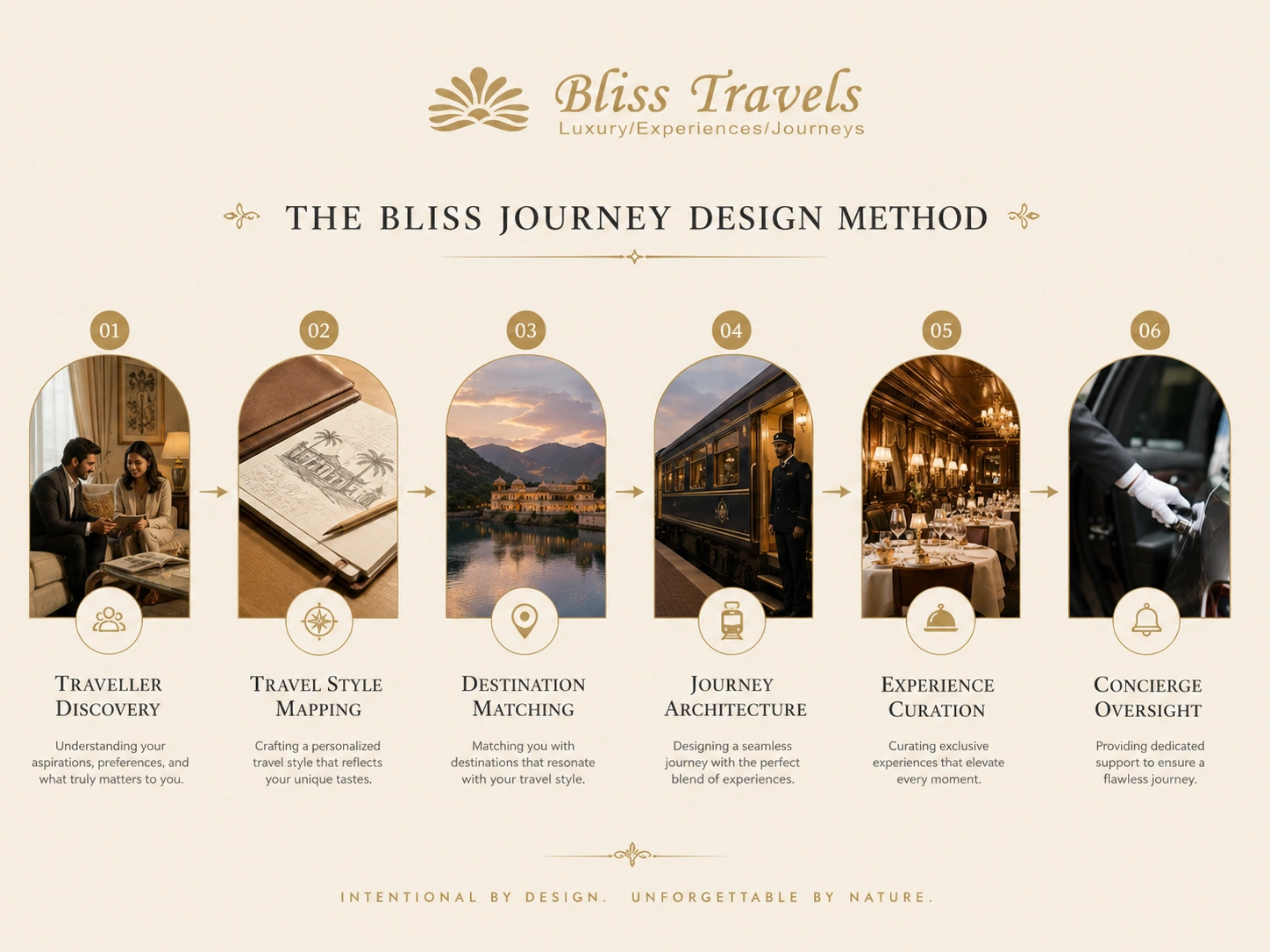
This understanding led to the development of the Bliss Journey Design Method—a proprietary six-stage framework that places the traveller, rather than the destination, at the centre of every journey. Instead of beginning with predefined packages, destinations, or hotel lists, every itinerary is built around understanding the individual first. The framework follows six interconnected stages:
- Stage 1: Traveller Discovery: Understanding motivations, travel history, family dynamics, expectations, and what the traveller hopes to experience.
- Stage 2: Travel Style Mapping: Identifying preferred pacing, interests, comfort levels, and the overall style of journey that feels most natural.
- Stage 3: Destination Matching: Selecting destinations that genuinely support those goals rather than simply recommending popular locations.
- Stage 4: Journey Architecture: Designing how every component—from flights and hotels to transfers and downtime—fits together into one seamless experience.
- Stage 5: Experience Curation: Adding specialist guides, private experiences, cultural encounters, wellness programmes, culinary experiences, and other meaningful moments that reflect the traveller's interests.
- Stage 6: Concierge Oversight: Supporting the journey before, during, and after departure through continuous coordination with trusted global partners.
Although every itinerary is different, the objective remains remarkably consistent: to create journeys that feel effortless because they have been intentionally designed around the people taking them.
Frequently Asked Questions About Luxury Travel
What actually makes a luxury trip luxurious?
A genuinely luxurious trip is defined less by its cost and more by how thoughtfully it has been designed. Personalisation, seamless logistics, privacy, trusted local expertise, exceptional service, and meaningful experiences typically contribute more to the overall journey than expensive hotels or premium flights alone.
Is luxury travel only about staying in five-star hotels?
No. While exceptional accommodation is important, luxury travel also includes journey design, concierge support, destination expertise, flexibility, private experiences, and pacing that reflects the traveller's individual preferences.
What do HNWIs and UHNWIs usually look for when planning a luxury holiday?
Many experienced luxury travellers prioritise privacy, trusted relationships, bespoke itineraries, low travel friction, flexible schedules, specialist guides, and seamless logistics over simply choosing the most expensive hotels or destinations.
Why do bespoke itineraries often feel more luxurious?
Because they are built around the traveller rather than around a predefined package. This allows destinations, accommodation, pacing, and experiences to reflect individual interests, family dynamics, and travel goals.
What is quiet luxury in travel?
Quiet luxury focuses on privacy, discretion, authenticity, and thoughtful service rather than visible extravagance. It often includes secluded properties, exclusive-use experiences, low guest density, and personalised service delivered with subtlety.
How important is pace in luxury travel?
Pacing is one of the defining characteristics of an exceptional journey. Well-designed itineraries include time for recovery, flexibility, spontaneous experiences, and meaningful engagement with each destination rather than trying to maximise the number of places visited.
What role does a luxury travel advisor play?
An experienced luxury travel advisor coordinates every aspect of the journey, including destination planning, accommodation, logistics, private experiences, trusted local partners, and ongoing concierge support. Their role is to create a cohesive experience while reducing complexity for the traveller.
Final Thoughts
Luxury is often misunderstood because it is easier to measure tangible things than intangible ones. Anyone can compare hotel ratings, airline cabins, or suite sizes. It is far more difficult to measure how a journey feels.
The most memorable journeys are rarely remembered because they were the most expensive. They are remembered because they felt effortless, deeply personal, and perfectly aligned with the people experiencing them. They respected time instead of filling it, created moments instead of simply completing itineraries, and replaced uncertainty with confidence. They allowed travellers to disconnect from everyday responsibilities and reconnect with the people, places, and experiences that mattered most.
That philosophy continues to guide every journey designed through the Bliss Journey Design Method. Rather than asking travellers to adapt to a destination or a package, the process begins by understanding the traveller first. From there, every recommendation—from the pace of the itinerary to the choice of guides, accommodation, experiences, and concierge support—is shaped around a single objective: creating a journey that feels unmistakably personal. Because in the end, true luxury is not defined by how much a journey costs. It is defined by how naturally it fits the life of the person taking it.
Further Reading
Professional Background
Readers interested in the methodology or professional background behind this guide may also find the following resources useful:
About the Author